Original Title: A Look at Intelligent Warfare: Focusing on Counter-AI Operations in Intelligent Warfare
introduction
The widespread application of science and technology in the military field has brought about profound changes in the form of warfare and combat methods. Military competition among major powers is increasingly manifested as technological subversion and counter-subversion, surprise attacks and counter-surprise attacks, and offsetting and counter-offsetting. To win future intelligent warfare, it is necessary not only to continuously promote the deep transformation and application of artificial intelligence technology in the military field, but also to strengthen dialectical thinking, adhere to asymmetric thinking, innovate and develop anti-AI warfare theories and tactics, and proactively plan research on anti-AI technologies and the development of weapons and equipment to achieve victory through “breaking AI” and strive to seize the initiative in future warfare.
Fully recognize the inevitability of anti-artificial intelligence warfare
In his essay “On Contradiction,” Comrade Mao Zedong pointed out that “the law of contradiction in things, that is, the law of unity of opposites, is the most fundamental law of dialectical materialism.” Throughout the history of military technology development and its operational application, there has always been a dialectical relationship between offense and defense. The phenomenon of mutual competition and alternating suppression between the “spear” of technology and the “shield” of corresponding countermeasures is commonplace.
In the era of cold weapons, people not only invented eighteen kinds of weapons such as knives, spears, swords, and halberds, but also corresponding helmets, armor, and shields. In the era of firearms, the use of gunpowder greatly increased attack range and lethality, but it also spurred tactical and technical innovations, exemplified by defensive fortifications such as trenches and bastions. In the mechanized era, tanks shone brightly in World War II, and the development of tank armor and anti-tank weapons continues to this day. In the information age, “electronic attack” and “electronic protection,” centered on information dominance, have sparked a new wave of interest, giving rise to electronic warfare units. Furthermore, numerous opposing concepts in the military field, such as “missiles” versus “anti-missile,” and “unmanned combat” versus “counter-unmanned combat,” abound.
It should be recognized that “anti-AI warfare,” as the opposite concept of “intelligent warfare,” will inevitably emerge gradually with the widespread and in-depth application of intelligent technologies in the military field. Forward-looking research into the concepts, principles, and tactical implementation paths of anti-AI warfare is not only a necessity for a comprehensive and dialectical understanding of intelligent warfare, but also an inevitable step to seize the high ground in future military competition and implement asymmetric warfare.
Scientific Analysis of Counter-AI Combat Methods and Paths
Currently, artificial intelligence (AI) technology is undergoing a leapfrog development, moving from weak to strong and from specialized to general-purpose applications. From its underlying support perspective, data, algorithms, and computing power remain its three key elements. Data is the fundamental raw material for training and optimizing models, algorithms determine the strategies and mechanisms for data processing and problem-solving, and computing power provides the hardware support for complex calculations. Seeking ways to “break through” AI by addressing these three elements—data, algorithms, and computing power—is an important methodological approach for implementing counter-AI warfare.
Counter-data warfare. Data is the raw material for artificial intelligence to learn and reason, and its quality and diversity significantly impact the accuracy and generalization ability of models. Numerous examples in daily life demonstrate how minute changes in data can cause AI models to fail. For instance, facial recognition models on mobile phones may fail to accurately identify individuals due to factors such as wearing glasses, changing hairstyles, or changes in ambient light; autonomous driving models may also misjudge road conditions due to factors like road conditions, road signs, and weather. The basic principle of counter-data warfare is to mislead the training and judgment processes of military intelligent models by creating “contaminated” data or altering its distribution characteristics. This “inferiority” in the data leads to “errors” in the model, thereby reducing its effectiveness. Since AI models can comprehensively analyze and cross-verify multi-source data, counter-data warfare should focus more on multi-dimensional features, packaging false data information to enhance its “authenticity.” In recent years, foreign militaries have conducted relevant experimental verifications in this area. For example, by using special materials for coating and infrared emitter camouflage, the optical and infrared characteristics of real weapon platforms, and even the vibration effects of engines, can be simulated to deceive intelligent intelligence processing models; in cyberspace, traffic data camouflage can be implemented to improve the silent operation capability of network attacks and reduce the effectiveness of network attack detection models.
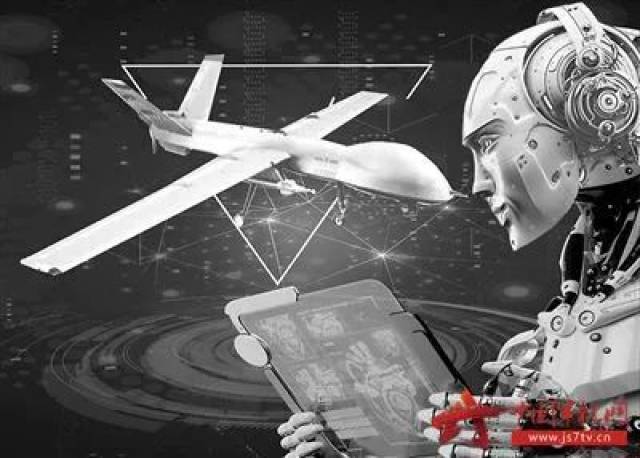
Anti-algorithm warfare. The essence of an algorithm is a strategy mechanism for solving problems described in computer language. Because the scope of application of such strategy mechanisms is limited, they may fail when faced with a wide variety of real-world problems. A typical example is Lee Sedol’s “divine move” in the 2016 human-machine Go match. Many professional Go players, after reviewing the game, stated that the “divine move” was actually invalid, yet it worked against AlphaGo. AlphaGo developer Silva explained this by saying that Lee Sedol exploited a previously unknown vulnerability in the computer; other analyses suggest that this move might have contradicted AlphaGo’s Go logic or been outside its strategic learning range, making it unable to respond. The basic principle of anti-algorithm warfare is to target the vulnerabilities in the algorithm’s strategy mechanism and weaknesses in its model architecture through logical attacks or deception to reduce the algorithm’s effectiveness. Anti-algorithm warfare should be combined with specific combat actions to achieve “misleading and deceiving” the algorithm. For example, drone swarm reconnaissance operations often use reinforcement learning algorithms to plan reconnaissance paths. In this case, irregular or abnormal actions can be created to reduce or disable the reward mechanism in the reinforcement learning algorithm model, thereby reducing its reconnaissance search efficiency.
Counter-computing power warfare. The strength of computing power represents the speed at which data processing can be converted into information and decision-making advantages. Unlike counter-data warfare and counter-algorithm warfare, which primarily rely on soft confrontation, counter-computing power warfare employs a combination of hard and soft tactics. Hard destruction mainly refers to attacks on enemy computing centers and computing network infrastructure, crippling their AI models by cutting off their computing power. Soft confrontation focuses on increasing the enemy’s computing costs, primarily by creating a “fog of war” and data noise. For example, during operations, large quantities of meaningless data of various types, such as images, audio, video, and electromagnetic data, can be generated to constrain and deplete the enemy’s computing resources, reducing their effective utilization rate. Furthermore, attacks can also be launched against weak points in the defenses of the computing power support environment and infrastructure. Computing centers consume enormous amounts of electricity; attacking and destroying their power support systems can also achieve the effect of counter-computing power warfare.
Forward-looking planning for the development of anti-artificial intelligence combat capabilities
In all warfare, one engages with conventional tactics and wins with unconventional ones. Faced with intelligent warfare, while continuously advancing and improving intelligent combat capabilities, it is also necessary to strengthen preparedness for counter-AI warfare, proactively planning for theoretical innovation, supporting technology development, and equipment platform construction related to counter-AI warfare, ensuring the establishment of an intelligent combat system that integrates offense and defense, and combines defense and counter-attack.
Strengthen theoretical innovation in counter-AI warfare. Scientific military theory is combat effectiveness. Whether it’s military strategic innovation, military technological innovation, or other aspects of military innovation, all are inseparable from theoretical guidance. We must adhere to liberating our minds, broadening our horizons, and strengthening dialectical thinking. We must use theoretical innovation in counter-AI warfare as a supplement and breakthrough to construct an intelligent warfare theoretical system that supports and serves the fight for victory. We must adhere to the principle of “you fight your way, I fight my way,” strengthening asymmetric thinking. Through in-depth research on the concepts, strategies, and tactics of counter-AI warfare, we must provide scientific theoretical support for seizing battlefield intelligence dominance and effectively leverage the leading role of military theory. We must adhere to the integration of theory and technology, enhancing our scientific and technological awareness, innovation, and application capabilities. We must establish a closed loop between counter-AI warfare theory and technology, allowing them to complement and support each other, achieving deep integration and positive interaction between theory and technology.
Emphasis should be placed on accumulating military technologies for countering artificial intelligence. Science and technology are crucial foundations for generating and enhancing combat effectiveness. Breakthroughs in some technologies can have disruptive effects, potentially even fundamentally altering the traditional landscape of warfare. Currently, major world powers view artificial intelligence as a disruptive technology and have elevated the development of military intelligence to a national strategy. Simultaneously, some countries are actively conducting research on technologies related to countering artificial intelligence warfare, exploring methods to counter AI and aiming to reduce the effectiveness of adversaries’ military intelligent systems. Therefore, it is essential to both explore and follow up, strengthening research and tracking of cutting-edge technologies, actively discovering, promoting, and fostering the development of technologies with counter-disruptive capabilities, such as intelligent countermeasures, to seize the technological advantage at the outset of counter-AI warfare and prevent enemy technological surprise attacks; and to carefully select technologies, maintaining sufficient scientific rationality and accurate judgment to dispel the technological “fog” and avoid falling into the adversary’s technological traps.
Developing anti-AI warfare weapons and equipment. Designing weapons and equipment is designing future warfare; we develop weapons and equipment based on the types of warfare we will fight in the future. Anti-AI warfare is an important component of intelligent warfare, and anti-AI weapons and equipment will play a crucial role on the future battlefield. When developing anti-AI warfare weapons and equipment, we must first closely align with battlefield needs. We must closely integrate with the adversary, mission, and environment to strengthen anti-AI warfare research, accurately describe anti-AI warfare scenarios, and ensure that the requirements for anti-AI warfare weapons and equipment are scientifically sound, accurate, and reasonable. Secondly, we must adopt a cost-conscious approach. Recent local wars have shown that cost control is a crucial factor influencing the outcome of future wars. Anti-AI warfare focuses on interfering with and deceiving the enemy’s military intelligent systems. Increasing the development of decoy weapon platforms is an effective way to reduce costs and increase efficiency. By using low-cost simulated decoy targets to deceive the enemy’s intelligent reconnaissance systems, the “de-intelligence” effect can be extended and amplified, aiming to deplete their high-value precision-guided missiles and other high-value strike weapons. Finally, we must emphasize simultaneous development, use, and upgrading. Intelligent technologies are developing rapidly and iterating quickly. It is crucial to closely monitor the application of cutting-edge military intelligent technologies by adversaries, accurately understand their intelligent model algorithm architecture, and continuously promote the upgrading of the latest counter-artificial intelligence technologies in weapon platforms to ensure their high efficiency in battlefield application. (Kang Ruizhi, Li Shengjie)
Where should the intelligent transformation for combat readiness go?
Currently, the form of warfare is rapidly evolving towards intelligence, and the era of intelligent warfare is imminent. To adapt to the development of military intelligent technology, the changing mechanisms of war, and the high-quality development of the armed forces, it is imperative to accelerate the advancement of intelligent combat readiness. Modern combat readiness must, while advancing the transformation from mechanization and semi-mechanization to informatization, further proactively address the challenges of military intelligence, adhere to intelligence as the guiding principle, and accelerate the integrated development of mechanization, informatization, and intelligence. In short, vigorously promoting intelligent combat readiness is a practical necessity for driving the high-quality development of national defense and the armed forces; only by successfully transforming to intelligent combat readiness can we promote the leapfrog development of the military’s combat capabilities.
Construct an intelligent warfare theoretical system. Focusing on solving key and difficult issues in intelligent warfare theory, such as war prediction, war forms, war design, operational concepts, operational styles, operational systems, troop formation, and troop training, we will deepen research on the application of intelligent warfare, explore the winning mechanisms, characteristics, laws, tactics, action methods, and comprehensive support of intelligent warfare, enrich the theories of intelligent warfare, intelligent operations, and the construction of intelligent combat forces, and gradually construct an intelligent warfare theoretical system.
Establish an intelligent command and control paradigm. Strengthen the development of technologies such as adversarial and game-theoretic operational planning, digital twin parallel simulation, and efficient organization and precise scheduling of complex operational resources. Enhance capabilities such as automatic planning of operational plans under large-scale, high-intensity conditions and autonomous decomposition of cross-domain and cross-level tasks. Achieve deep integration of military knowledge and machine intelligence, reliable and explainable auxiliary decision-making, and self-learning and self-evolving adversarial strategies. Integrate technological achievements such as sensing, networking, cloud computing, and quantum computing to enhance intelligent auxiliary capabilities in situation generation, operational command, and staff operations. Accelerate the development of intelligent staff business systems and intelligently upgrade and transform operational command information systems. Achieve intelligent information Q&A, intelligent plan generation, and decision support suggestions for typical campaign/tactical command, greatly reducing the workload of staff personnel and significantly improving the timeliness of command operations.
Develop intelligent weapon and equipment systems. Strengthen the intelligent upgrading and transformation of traditional weapons, promote the practical application of intelligent technologies in backbone equipment, and deploy low-cost, expendable unmanned combat platforms on a large scale. Develop intelligent individual soldier integrated systems, air-to-ground unmanned swarm collaborative attack systems, and underground space swarm warfare systems, etc., research and develop intelligent flexible wearable technologies and mobile intelligent terminal technologies, develop intelligent wearable equipment, brain-computer interface helmets, and human implant devices, etc., and accelerate the application of intelligent new weapon platforms, using the pioneering development of key equipment to drive overall breakthroughs.
Increase the proportion of intelligent combat forces. Focusing on optimizing structure and function, implement intelligent design for the existing organizational structure of the armed forces, and gradually increase the proportion of intelligent combat forces. Formulate talent development plans, cultivate the intelligent literacy of combat personnel, and explore a talent cultivation path that integrates military and civilian sectors, services, and enterprises. Build a new generation of combat forces that are intelligently led, cross-domain collaborative, all-domain mobile, and precise and multi-functional; focus on research on intelligent air defense and anti-missile systems, passive detection and intelligent identification of aerial targets, and build intelligent air combat forces such as anti-aircraft unmanned combat aircraft and “swarm” aircraft; emphasize research on intelligent missiles and develop long-range missile deterrence and strike capabilities; deepen research on the architecture design of intelligent attack and defense systems in cyberspace and the intelligent generation of attack strategies, upgrade the new generation of cyberspace reconnaissance, attack, and defense forces, and comprehensively enhance intelligent combat capabilities.
Optimize intelligent autonomous collaboration methods. Focusing on the human-machine “interaction-understanding-co-progress” framework, break through human-machine hybrid perception enhancement and human-machine adaptive multi-task collaboration to improve human-machine hybrid perception capabilities, cognitive abilities, and overall combat effectiveness in complex battlefield environments, achieving complementarity and intelligent enhancement between human wisdom and machine intelligence. Accelerate the development of applied research in areas such as intelligent swarm distributed elastic architecture, self-organizing anti-jamming communication and interaction, distributed autonomous collaboration in complex confrontation scenarios, and swarm intelligent command and control adapted to complex environments and tasks. Enhance the autonomous elastic planning and swarm intelligence confrontation learning capabilities of unmanned swarms in complex scenarios, promoting an overall leap in the combat effectiveness of multi-domain/cross-domain heterogeneous swarms.
Innovate an intelligent, all-dimensional support model. Facing the overall requirements of comprehensive support for future battlefields, including all-time intelligent perception, precise control of supplies and ammunition, and accurate delivery of combat supplies, enhance the intelligent combat logistics equipment support capabilities. Develop capabilities such as comprehensive multi-dimensional support demand mining across all domains, online networked dynamic monitoring of equipment status, autonomous early warning of support risks, and on-demand allocation of support resources. Promote research and verification of intelligent network information systems, intelligent military logistics systems, intelligent support for battlefield facilities and environment information, smart individual soldier support, intelligent rapid medical treatment for future battlefields, and intelligent energy support and transportation delivery, achieving the organic integration of combat, technology, and logistics support elements with combat command and troop movements.
Breakthroughs in artificial intelligence technology, marked by deep learning, and their applications across various fields have propelled intelligentization to new heights globally, becoming a focal point of attention. In the military field, where technological innovation and application are never lagging behind, a new revolution is also actively brewing. We must accurately grasp the pulse of intelligent warfare’s evolution and analyze its intrinsic nature in order to embrace and master intelligent warfare with a fresh perspective.
How far away is intelligent warfare from us?
Intelligent warfare is warfare primarily supported by artificial intelligence technology. Imbuing weapon platforms with human-like intelligence and replacing human combatants on the battlefield has been a dream for humanity for millennia. With the powerful impact of AI systems like AlphaGo and Atlas, and the emerging concepts and platforms of new warfare such as swarm warfare and flying aircraft carriers, the door to intelligent warfare seems to be quietly opening.
The laws of historical development foreshadow the inevitable rise of intelligent warfare on the battlefield. Advances in science and technology drive the evolution of weaponry, triggering fundamental changes in military organization, combat methods, and military theory, ultimately forcibly propelling a historical transformation in the form of warfare. The arrival of intelligent warfare aligns with this inevitable historical trend. Looking back at the evolution of human warfare, every major advancement in science and technology has driven significant military transformations. The invention of gunpowder ushered in the era of firearms, wiping out infantry and cavalry formations under the linear warfare tactics of firearms. The application of the steam engine in the military led to the mechanized era, giving rise to large-scale mechanized warfare led by armored ships, tanks, and aircraft. The emergence and application of intelligent technology will profoundly change human cognition, war thinking, and combat methods, once again triggering a major military revolution, and intelligent warfare will inevitably take center stage.
The development of artificial intelligence (AI) technology determines the pace of intelligent warfare. The continuous development and widespread application of AI technology are propelling intelligent warfare from its initial stages of uncertainty to reality, gradually emerging and growing, step by step approaching us. To truly enter the era of intelligent warfare, AI technology needs to advance through four stages. The first stage is computational intelligence, which means breaking through the limitations of computing power and storage space to achieve near real-time computing and storage capabilities—capabilities far beyond the reach of large computers and massive servers. The widespread application of cloud computing has already firmly placed humanity on this first stage. The second stage is perceptual intelligence, where machines can understand, see, distinguish, and recognize, enabling direct communication and dialogue with humans. Natural language understanding, image and graphics recognition, and biometric identification technologies based on big data have allowed humanity to reach this second stage. The third stage is cognitive intelligence, where machines can understand human thought, reason and make judgments and decisions like humans. Knowledge mining, knowledge graphs, artificial neural networks, and decision tree technologies driven by deep learning algorithms are propelling humanity towards this third stage. The fourth stage is human-machine integrated augmented intelligence, which involves complementary and two-way closed-loop interaction between humans’ strengths in perception, reasoning, induction, and learning, and machines’ strengths in search, computation, storage, and optimization. Virtual reality augmentation technology, brain-like cognitive technology, and brain-like neural network technology are exploring how humanity can reach this fourth stage. When humanity reached the second stage, the intelligent warfare began to approach; when we step onto the fourth stage, the era of intelligent warfare will fully begin.
Self-learning and growth are accelerating the sudden arrival of the intelligent warfare revolution. “Learning” ability is the core capability of artificial intelligence; once machines can learn on their own, their learning speed will be astonishing. Once machines possess self-learning capabilities, they will enter a rapid growth trajectory of continuous “intelligence enhancement and accelerated evolution.” All the technical difficulties in moving towards intelligent warfare will be readily resolved as “learning” deepens. The era of intelligent warfare may very well arrive suddenly in ways no one could have imagined!
What exactly will intelligent warfare change?
Intelligent warfare will break through the limits of traditional spatiotemporal cognition . In intelligent warfare, artificial intelligence technology can collect, calculate, and push information on the actions of all forces in combat in real time and across all domains. This will enable humans to break through the logical limits of thought, the physiological limits of senses, and the physical limits of existence, greatly improving the scope of cognition of time and space. It will allow for real-time and precise control over all actions of all forces, and enable the rapid transfer, aggregation, and attack of superior combat resources in multidimensional space and domains. Any time and any space may become a point in time and space where victory can be achieved.
Intelligent warfare will reshape the relationship between humans and weaponry . With the rapid advancement of intelligent technologies and the continuous improvement of their intelligence levels, weapon platforms and combat systems can not only passively and mechanically execute human commands, but also, based on deep understanding and prediction, leverage the computational, storage, and retrieval capabilities that machines excel at, thereby autonomously and proactively executing specific tasks to a certain extent. It can be said that weapon platforms and combat systems can also, to some extent, proactively exert human consciousness, even exceeding the scope of human understanding, autonomously and even creatively completing combat missions according to specific programs. The traditional distinction between humans and weaponry becomes blurred, even making it difficult to differentiate whether it is humans or machines at work. People are exclaiming that “humans and weaponry will become partners.” Therefore, in intelligent warfare, while humans remain the most important factor in combat effectiveness, the changing way humans and weaponry are integrated enriches the connotation of combat effectiveness, and the traditional relationship between humans and weaponry will be restructured on this basis.
Intelligent warfare will spur the emergence of new combat methods . Revolutionary advancements in science and technology inevitably lead to revolutionary changes in combat methods; significant progress in intelligent technologies will inevitably bring about a period of rapid transformation in combat methods. On the one hand, emerging technologies in fields such as deep cognition, deep learning, and deep neural networks, driven by computing, data, algorithms, and biology, along with their cross-integration with achievements in information, biology, medicine, engineering, and manufacturing, will inevitably drive an explosive emergence of new combat methods. On the other hand, the intense confrontation between intelligent weapon platforms and combat systems will inevitably become the target and driving force for innovative combat methods. The higher the level of intelligent technology in a war, the more it will become the focus of confrontation. Disadvantages in areas such as the limits of spatiotemporal cognition, massive information storage and computing capabilities, and neural network organization and generation capabilities will lead to new types of “blinding,” “deafening,” and “paralyzing” combat methods in new domains.
Intelligent warfare will incubate entirely new command and control methods. The advantages of command and control are a focal point in warfare, and intelligent warfare calls for entirely new command and control approaches. First, human-machine collaborative decision-making will become the primary command and decision-making method in intelligent warfare. In previous wars, command and decision-making was primarily driven by commanders, with technology playing a supporting role. In intelligent warfare, intelligent auxiliary decision-making systems will proactively urge or prompt commanders to make decisions based on changes in the battlefield situation. This is because the human brain can no longer quickly absorb and efficiently process the massive and rapidly changing battlefield situational information, and human senses can no longer withstand the extraordinary speed of change. Under such circumstances, decisions made solely by commanders are likely to be delayed and useless. Only human-machine collaborative decision-making driven by intelligent auxiliary decision-making systems can compensate for time and space differences and the gap between machine and brain, ensuring the advantage of command and decision-making. Second, brain-computer interface control will become the primary command and control method in intelligent warfare. In previous wars, commanders issued commands to control troops level by level through documents, radio, and telephone, in written or voice form. In intelligent warfare, commanders use intelligent, brain-like neurons to issue commands to troops through a neural network combat system platform. This reduces the conversion process of command presentation formats and shortens the time for commands to be converted across media, resulting in a faster pace and higher efficiency. When the combat system platform is attacked and partially damaged, this command and control method can autonomously repair or reconstruct the neural network, quickly restoring its main functions or even all functions, making it more resistant to attack.
How should we prepare for intelligent warfare?
In the research and exploration of intelligent warfare, we must not be content with lagging behind and following others. We must aim to win future wars and meet the challenges of intelligent warfare with a more proactive attitude, advanced concepts, and positive actions.
Breakthroughs in intelligent technologies will drive a leap in the effectiveness of intelligent combat systems. While significant progress has been made in areas such as neural network algorithms, intelligent sensing and networking technologies, data mining, and knowledge graph technologies, intelligent technologies are still largely in the weak intelligence stage, far from reaching the advanced stage of strong intelligence, and there is still vast potential for future development. It is essential to strengthen basic research in artificial intelligence, follow the laws of scientific and technological development, scientifically plan the development direction of intelligent technologies, select appropriate technological breakthroughs, and strengthen key core technologies in artificial intelligence, especially fundamental research that plays a supporting role. Emphasis should be placed on research into key military technologies. Driven by military needs, and focusing on key military technologies such as intelligent perception, intelligent decision-making, intelligent control, intelligent strike, and intelligent support, intelligent reconnaissance and perception systems, command and control systems, weapon systems, and combat support systems should be developed. Collaborative innovation between military and civilian technologies should be promoted, fully leveraging the advantages of civilian intelligent technology development, relying on the advantages of military and civilian resources, strengthening strategic cooperation between the military and civilian sectors, and building a service platform for the joint research and sharing of artificial intelligence scientific and technological achievements, the joint construction and sharing of conditions and facilities, and the integration of general standards between the military and civilian sectors, thus forming a new landscape of open, integrated, and innovative development of intelligent combat technologies.
Leading the innovation of combat methods with the concept of intelligent warfare. A shift in mindset is a prerequisite for welcoming the arrival of intelligent warfare. Mindset precedes action; if our mindset remains at the traditional level, it will be difficult to adapt to the needs of intelligent warfare. Intelligent warfare has brought about profound changes in technological support, combat forces, and winning mechanisms, requiring us to first establish the concept of intelligent warfare and use it to guide the innovation of our military’s future combat methods. First, we must strengthen the struggle for “intelligent control.” Artificial intelligence is the foundation of intelligent warfare. Depriving and weakening the opponent’s ability to utilize intelligence, while maintaining our own freedom to utilize intelligence, is fundamental to ensuring the smooth implementation of intelligent warfare. The militaries of developed Western countries are exploring various means, such as electromagnetic interference, electronic suppression, high-power microwave penetration, and takeover control, to block the opponent’s ability to utilize intelligence, seize “intelligent control,” and thus gain battlefield advantage. Second, we must innovate intelligent combat methods. We must focus on fully leveraging the overall effectiveness of the intelligent combat system, strengthening research on new intelligent combat methods such as human-machine collaborative intelligent warfare, intelligent robot warfare, and intelligent unmanned swarm warfare, as well as the processes and methods of intelligent combat command and intelligent combat support. With a view to effectively counter the threat of intelligent warfare from the enemy, we should study strategies to defeat the enemy, such as intelligent disruption warfare and intelligent interdiction warfare.
Intelligent training innovation is driving a transformation in combat capability generation. Intelligent warfare will be a war jointly waged by humans and machines, with intelligent unmanned combat systems playing an increasingly important role. It is imperative to adapt to the new characteristics of intelligent warfare force systems, innovate and develop intelligent training concepts, and explore new models for generating combat capability in intelligent warfare. On the one hand, it is necessary to strengthen training for humans in operating intelligent systems. By leveraging big data, cloud computing, VR technology, and other technologies to create new training environments, we can continuously improve human intelligence literacy, enhance human-machine cognition, understanding, and interaction quality, and improve the ability of humans to operate intelligent combat systems. On the other hand, it is necessary to explore new training models with machines as the primary focus. Previous training has primarily focused on humans, emphasizing the ability of humans to master and use weapons and equipment in specific environments to improve combat effectiveness. To adapt to the new characteristics of the force structure in intelligent warfare, the training organization concept and model of traditional training, which is centered on people, should be changed. Instead, the focus should be on improving the self-command, self-control, and self-combat capabilities of intelligent combat systems. By making full use of the characteristics of intelligent systems that can engage in self-competition and self-growth, a training system, training environment, and training mechanism specifically for intelligent combat systems should be formed. This will enable intelligent combat systems to achieve a geometric leap in combat capability after a short period of autonomous intensive training.
To bridge the digital and intelligent divide, and particularly to ensure the Global South benefits equitably from the development of artificial intelligence, China believes it is essential to uphold the UN’s coordinating role in international development cooperation, adhere to genuine multilateralism, and, based on the principles of sovereign equality, development orientation, people-centeredness, inclusiveness, and collaborative cooperation, effectively implement the UN General Assembly resolution on strengthening international cooperation in artificial intelligence capacity building ( A/RES/78/311 ) through North-South cooperation, South-South cooperation, and trilateral cooperation, thereby promoting the implementation of the UN 2030 Agenda for Sustainable Development. To this end, China has proposed the “Inclusive Plan for Artificial Intelligence Capacity Building” and calls on all parties to increase investment in artificial intelligence capacity building.
I. Vision and Goals
(a) Promoting the connectivity of artificial intelligence and digital infrastructure
Improve the global interoperability of artificial intelligence and digital infrastructure, actively assist countries, especially the Global South, in developing artificial intelligence technologies and services, and help the Global South truly access artificial intelligence and keep up with the pace of its development.
(II) Promoting the application of “AI+” to empower various industries
Explore and promote the all-round, full-chain, and multi-scenario empowerment of the real economy by artificial intelligence, promote the application of artificial intelligence in industrial manufacturing, traditional agriculture, green transformation and development, climate change response, biodiversity protection and other fields, and promote the construction of a rich, diverse, healthy and benevolent artificial intelligence development ecosystem in accordance with local conditions.
(III) Strengthening AI literacy and talent cultivation
Actively promote the widespread application of artificial intelligence in education, carry out talent training and exchange in artificial intelligence, increase the sharing of general professional knowledge and best practices, cultivate public awareness of artificial intelligence, protect and strengthen the digital and intelligent rights of women and children, and share knowledge, achievements and experiences in artificial intelligence.
(iv) Enhance the security and diversity of artificial intelligence data
Cooperation will promote the lawful, orderly, and free cross-border flow of data, explore the establishment of a global mechanism platform for data sharing, and safeguard personal privacy and data security. It will also promote the equality and diversity of AI data corpora, eliminate racism, discrimination, and other forms of algorithmic bias, and promote, protect, and preserve the diversity of civilizations.
(v) Ensure that artificial intelligence is safe, reliable and controllable
Upholding the principles of fairness and non-discrimination, we support the establishment of a globally interoperable framework, standards, and governance system for AI security risk assessment that takes into account the interests of developing countries within the framework of the United Nations. We will jointly assess the risks of AI research and application, actively promote and improve technologies and policies to address AI security risks, and ensure that the design, research and development, use, and application of AI promote human well-being.
II. China’s Actions
(i) China is willing to carry out North-South cooperation, South-South cooperation and trilateral cooperation in the field of artificial intelligence with all countries, jointly implement the outcomes of the UN Future Summit, actively cooperate with all countries, especially developing countries, in the construction of artificial intelligence infrastructure, and jointly build joint laboratories.
(ii) China is willing to carry out cooperation in the research and development and empowerment of artificial intelligence models, especially to promote the application of artificial intelligence in poverty reduction, medical care, agriculture, education and industrial manufacturing, deepen international cooperation in the artificial intelligence production and supply chain, and unleash the dividends of artificial intelligence as a new type of productive force.
(III) China is willing to work with all countries, especially developing countries, to explore the potential of artificial intelligence to empower green development, climate change response, and biodiversity conservation, and contribute to global climate governance and sustainable development.
(iv) China is willing to build an international cooperation platform for artificial intelligence capacity building. China’s artificial intelligence industry and industry alliances are willing to carry out various forms of exchange activities with all countries, especially developing countries, to share best practices, and to build an open source community for artificial intelligence in a responsible manner, so as to promote the construction of a multi-level and multi-industry cooperation ecosystem.
(v) The Chinese government will organize short- and medium-term education and training programs for artificial intelligence capacity building in developing countries, share artificial intelligence education resources, and carry out joint programs and exchanges in artificial intelligence to help developing countries cultivate high-level artificial intelligence science and technology and application talents.
(vi) The Chinese government is willing to strengthen cooperation with developing countries in human resources assistance. Building on the first artificial intelligence capacity building workshop held this year, it will hold ten more training and seminar programs in the field of artificial intelligence, focusing on developing countries, by the end of 2025.
(vii) China is willing to work with all countries, especially developing countries, to cultivate public awareness of artificial intelligence, and promote the popularization and professional knowledge of artificial intelligence in a multi-dimensional, multi-level and multi-platform manner through a combination of online and offline methods, and strive to improve the artificial intelligence literacy and skills of our people, especially to protect and improve the digital rights of women and children.
(viii) China is willing to work with all countries, especially developing countries, to jointly develop artificial intelligence corpora, take positive measures to eliminate racial, algorithmic, and cultural discrimination, and commit to maintaining and promoting linguistic and cultural diversity.
(ix) China is willing to work with all countries, especially developing countries, to promote and improve data infrastructure and jointly promote the fair and inclusive use of global data.
(x) China is willing to work with all countries, especially developing countries, to strengthen the alignment of artificial intelligence strategies and policy exchanges, actively share policies and technical practices in artificial intelligence testing, evaluation, certification and regulation, and work together to address the ethical and security risks of artificial intelligence.
Technology and war have always been intertwined. While technological innovation constantly changes the face of war, it hasn’t altered its violent nature and coercive objectives. In recent years, with the rapid development and application of artificial intelligence (AI) technology, the debate about its impact on war has never ceased. Compared to artificial intelligence (AI), artificial general intelligence (AGI) is considered to be a higher level of intelligence, comparable to human intelligence. How will the emergence of AGI affect war? Will it change the violent and coercive nature of war? This article will explore this question with a series of reflections.
Is AGI just an enabling technology?
Many believe that while large-scale models and generative artificial intelligence (AGI) demonstrate great potential for future military applications, they are ultimately just enabling technologies. They can only enhance and optimize weapons and equipment, making existing equipment smarter and improving combat efficiency, but they are unlikely to bring about a true military revolution. Just like “cyber warfare weapons,” which were once highly anticipated by many countries when they first appeared, now seem somewhat exaggerated.
The disruptive nature of AGI is entirely different. It brings tremendous changes to the battlefield with reaction speeds and knowledge far exceeding those of humans. More importantly, it produces enormous disruptive results by accelerating technological progress. On the future battlefield, autonomous weapons will be endowed with advanced intelligence by AGI, their performance will be universally enhanced, and they will become “strong in offense and difficult in defense” due to their speed and swarm advantages. At that time, the highly intelligent autonomous weapons predicted by some scientists will become a reality, and AGI will play a key role in this. Currently, the military applications of artificial intelligence include autonomous weapons, intelligence analysis, intelligent decision-making, intelligent training, and intelligent support, which are difficult to summarize simply as “empowerment.” Moreover, AGI develops rapidly, has a short iteration cycle, and is in a state of continuous evolution. In future operations, AGI needs to be prioritized, and special attention should be paid to the potential changes it brings.
Will AGI make wars disappear?
Historian Jeffrey Breeny argues that “wars always occur due to misjudgments of each other’s strength or will,” and that with the application of AGI in the military field, misjudgments will become increasingly rare. Therefore, some scholars speculate that wars will decrease or even disappear. Indeed, relying on AGI can significantly reduce misjudgments, but even so, it’s impossible to eliminate all uncertainty, as uncertainty is a defining characteristic of war. Moreover, not all wars arise from misjudgments, and the inherent unpredictability and inexplicability of AGI, along with people’s lack of experience using AGI, will bring new uncertainties, plunging people into an even deeper “artificial intelligence fog.”
AGI algorithms also present rational challenges. Some scholars believe that AGI’s ability to mine and accurately predict critical intelligence has a dual impact. In practical operation, AGI does indeed make fewer mistakes than humans, improving intelligence accuracy and reducing misjudgments; however, it can sometimes lead to overconfidence and reckless actions. The offensive advantage brought by AGI results in the best defensive strategy being “preemptive strike,” disrupting the balance between offense and defense, creating a new security dilemma, and ultimately increasing the risk of war.
AGI (Automatic Genomics) is highly versatile and easily integrated with weaponry. Unlike nuclear, biological, and chemical technologies, it has a low barrier to entry and is particularly prone to proliferation. Due to technological gaps between countries, immature AGI weapons could potentially be deployed on the battlefield, posing significant risks. For example, the application of drones in recent local conflicts has spurred many small and medium-sized countries to begin large-scale drone procurement. The low-cost equipment and technology offered by AGI could very well stimulate a new arms race.
Will AGI be the ultimate deterrent?
Deterrence is the maintenance of a capability to intimidate an adversary into refraining from actions that exceed one’s own interests. Ultimate deterrence occurs when it becomes so powerful as to be unusable, such as nuclear deterrence that ensures mutual destruction. But ultimately, the deciding factor is “human nature,” a crucial element that will never be absent from war.
Without the considerations of “humanity,” would AGI become a formidable deterrent? AGI is fast but lacks empathy; its resolute execution severely compresses the strategic space. AGI is a key factor on the future battlefield, but due to a lack of practical experience, accurate assessment is difficult, easily leading to overestimation of the adversary’s capabilities. Furthermore, regarding autonomous weapon control, whether to have humans within the system for full-time supervision or to leave it entirely to the outside world requires careful consideration. Should the firing control of intelligent weapons be handed over to AGI? If not, the deterrent effect will be greatly diminished; if so, can the life and death of humanity truly be decided by machines unrelated to them? Research at Cornell University shows that large-scale wargaming models frequently escalate wars with “sudden nuclear attacks,” even when in a neutral state.
Perhaps one day in the future, AGI will surpass human capabilities. Will we then be unable to regulate and control it? Jeffrey Hinton, who proposed the concept of deep learning, said he has never seen a case where something with a higher level of intelligence was controlled by something with a lower level of intelligence. Some research teams believe that humans may not be able to supervise super artificial intelligence. Faced with powerful AGI in the future, will we really be able to control them? This is a question worth pondering.
Will AGI change the nature of war?
With the widespread use of AGI, will battlefields filled with violence and bloodshed disappear? Some argue that AI warfare far exceeds human capabilities and may even push humanity off the battlefield. When AI transforms warfare into a conflict entirely between autonomous robots, will it still be a “violent and bloody war”? When unequal adversaries clash, the weaker party may have no chance to act. Can wars be ended before they even begin through war games? Will AGI change the nature of warfare as a result? Is a “war” without humans still a war?
Yuval Noah Harari, author of Sapiens: A Brief History of Humankind, states that all human behavior is mediated by language and influences our history. The Large Language Model (AGI) is a typical example of AGI, differing from other inventions in its ability to create entirely new ideas and cultures; “storytelling AI will change the course of human history.” When AGI gains control over language, the entire system of human civilization could be overturned, without even requiring its own consciousness. Like Plato’s Allegory of the Cave, will humanity worship AGI as a new “god”?
AGI establishes a close relationship with humans through human language and alters their perceptions, making them difficult to distinguish and discern, thus posing a risk that the will to fight could be controlled by those with ulterior motives. Harari stated that computers don’t need to send out killer robots; if necessary, they will allow humans to pull the trigger themselves. AGI precisely manufactures and refines situational information, controlling battlefield perception through deep deception. This can be achieved through drones to fabricate battlefield situations and through pre-war public opinion manipulation, as already evident in recent local conflicts. The cost of war would thus decrease significantly, leading to the emergence of new forms of warfare. Would small and weak nations still have a chance? Can the will to fight be changed without bloodshed? Is “force” no longer a necessary condition for defining war?
The form of war may change, but its essence remains. Regardless of how “bloody” war is, it will still force the enemy to submit to its will and inflict significant “collateral damage,” only the methods of resistance may be entirely different. The essence of war lies in the deep-seated “human nature,” which is determined by culture, history, behavior, and values. It is difficult to completely replicate using any artificial intelligence technology, so we cannot outsource all ethical, political, and decision-making issues to AI, nor can we expect AI to automatically generate “human nature.” AI technology may be abused due to impulsive passions, so it must be under human control. Since AI is trained by humans, it will not always be without bias, therefore it cannot be completely free from human oversight. In the future, artificial intelligence can become a creative tool or partner, enhancing “tactical imagination,” but it must be “aligned” with human values. These issues need to be continuously considered and understood in practice.
Will AGI subvert war theory?
Most academic knowledge is expressed in natural language. A comprehensive language model, which integrates the best of human writing, can connect seemingly incompatible linguistic works with scientific research. For example, some have input classical works, and even works from philosophy, history, political science, and economics, into a comprehensive language model for analysis and reconstruction. They have found that it can comprehensively analyze all scholars’ viewpoints and also offer its own “insights,” without sacrificing originality. Therefore, some have asked whether it is possible to re-analyze and interpret war theory through AGI, stimulating human innovation and driving a major evolution and reconstruction of war theory and its systems. Perhaps there would indeed be some theoretical improvements and developments, but war science is not only theoretical but also practical, and AGI simply cannot achieve this practicality and realism. Can classical war theory really be reinterpreted? If so, what is the significance of the theory?
In short, AGI’s disruption of the concept of warfare will far exceed that of “mechanization” and “informatization.” We must embrace AGI boldly, yet remain cautious. Understanding the concept prevents ignorance; in-depth research prevents falling behind; and strengthened oversight prevents oversight. How to cooperate with AGI and guard against adversaries’ AGI technological surprise attacks is our primary concern for the future.
After editing
Look to the future with an open mind
■Ye Chaoyang
Futurist Roy Amalra famously asserted that people tend to overestimate the short-term benefits of a technology while underestimating its long-term impact, a principle known as “Amalra’s Law.” This law emphasizes the non-linear nature of technological development, meaning that the actual impact of technology often only becomes fully apparent over a longer timescale. It reflects the pulse and trends of technological development, and embodies humanity’s acceptance and aspirations towards technology.
Currently, in the development of artificial intelligence from weak AI to strong AI, and from specialized AI to general AI, each time people think they have completed 90% of the process, looking back, they may only have completed less than 10%. The driving role of technological revolution in military revolution is becoming increasingly prominent, especially as high-tech technologies, represented by artificial intelligence, penetrate the military field in multiple ways, causing profound changes in the mechanisms, factors, and methods of winning wars.
In the foreseeable future, intelligent technologies such as AGI will continue to iterate, and the cross-evolution of intelligent technologies and their empowering applications in the military field will become increasingly diversified, perhaps even transcending the boundaries of humanity’s current understanding of warfare. The development of technology is unstoppable and unstoppable. Whoever can use keen insight and a clear mind to see the trends and future of technology, to see its potential and power, and to penetrate the “fog of war,” will be more likely to seize the initiative.
This serves as a reminder that we should adopt a broader perspective and mindset in exploring the future forms of warfare in order to get closer to the underestimated reality. Where is AGI headed? Where is intelligent warfare headed? This tests human wisdom.
Functional Orientation of the Modern Combat System with Chinese Characteristics
Key Points
● The coexistence, iterative development, dynamic evolution, and integrated development of multiple generations of mechanization, informatization, and intelligentization constitute the historical context of national defense and military construction in the new era, and also represent the historical position of building a modern combat system with Chinese characteristics.
● Traditional and non-traditional security threats are intertwined, and various strategic directions and security fields face diverse real and potential threats of local wars. This requires our military to abandon old models such as linear warfare, traditional ground warfare, and homeland defense warfare, and accelerate the transformation to joint operations and all-domain operations.
The report to the 19th National Congress of the Communist Party of China proposed that, standing at a new historical starting point and facing the demands of building a strong country and a strong military, “we should build a modern combat system with Chinese characteristics.” This is a strategic choice to adapt to the rapidly evolving nature of warfare, to thoroughly implement Xi Jinping’s thought on strengthening the military, to comprehensively advance the modernization of national defense and the armed forces, and to aim at building a world-class military. Among these choices, the grasp of the functional orientation of the modern combat system with Chinese characteristics greatly influences the goals, direction, and quality of its construction.
Seize the opportunities of the times and take the integrated development of mechanization, informatization and intelligentization as the historical orientation.
The combat system is the material foundation of war and is closely related to the form of warfare. In today’s world, a new round of technological and industrial revolution is brewing and emerging. Original and disruptive breakthroughs in some major scientific problems are opening up new frontiers and directions, prompting human society to rapidly transform towards intelligence, and accelerating the evolution of warfare towards intelligence. Currently, our military is in a stage of integrated mechanization and informatization development. Mechanization is not yet complete, informatization is being deeply advanced, and we are facing both opportunities and challenges brought about by the intelligent military revolution. The new era provides us with a rare historical opportunity to achieve innovative breakthroughs and rapid development, and also provides a rare historical opportunity for our military’s combat system construction to achieve generational leaps and leapfrog development.
A new era and a new starting point require establishing a new coordinate system. The coexistence, iterative development, dynamic evolution, and integrated development of multiple generations of mechanization, informatization, and intelligentization constitute the historical context of national defense and military construction in the new era, and also the historical position of building a modern combat system with Chinese characteristics. We should accurately grasp the historical process of the evolution of warfare, the historical stage of the combined development of mechanization and informatization, and the historical opportunities brought about by intelligent warfare. We must prioritize the development of military intelligence, using intelligence to lead and drive mechanization and informatization, coordinating mechanization and informatization within the overall framework of intelligent construction, and completing the tasks of mechanization and informatization development within the process of intelligentization. We must focus on top-level design for military intelligence development, researching and formulating a strategic outline and roadmap for military intelligence development, clarifying key areas, core technologies, key projects, and steps for intelligent development, and accelerating the construction of a military intelligent combat system. We must achieve significant progress as soon as possible in key technologies such as deep learning, cross-domain integration, human-machine collaboration, autonomous control, and neural networks, improving the ability to materialize advanced scientific and technological forces into advanced weaponry and equipment, and providing material conditions for building a modern combat system.
Emphasizing system-on-system confrontation, with the development of joint operations and all-domain operations capabilities as the core indicators.
Information-based local wars are characterized by integrated joint operations as their basic form, with network support, information dominance, and system-on-system confrontation as their main features. The combat capability generation model is shifting towards a network-based information system. Currently and for some time to come, my country’s geostrategic environment remains complex, with traditional and non-traditional security threats intertwined. Various strategic directions and security domains face diverse real and potential threats of local wars. Simultaneously, with the expansion of national interests, the security of overseas interests is becoming increasingly prominent, requiring the PLA to abandon old models such as linear warfare, traditional ground warfare, and territorial defense warfare, and accelerate its transformation towards joint operations and all-domain operations.
The report of the 19th CPC National Congress pointed out that “enhancing joint operational capabilities and all-domain operational capabilities based on network information systems” is a new summary of the PLA’s operational capabilities in the new era and a core indicator for building a modern operational system with Chinese characteristics. We should actively explore the characteristics, laws, and winning mechanisms of modern warfare, and proactively design future operational models, force application methods, and command and coordination procedures to provide advanced theoretical support for building a modern operational system with Chinese characteristics. Following the new pattern of the Central Military Commission exercising overall command, theater commands focusing on combat operations, and services focusing on force development, we should adapt to the new joint operational command system, the reform of the military’s size, structure, and force composition, highlighting the network information system as the core support, and building an operational system capable of generating powerful joint operational capabilities to fully leverage the overall power of the various services and branches. With a view to properly addressing various strategic directions and traditional and non-traditional security threats, ensuring the PLA can reliably carry out various operational missions, we should build an operational system capable of generating powerful all-domain operational capabilities, achieving overall linkage across multiple battlefields and domains, including land, sea, air, space, and cyberspace.
Focusing on real threats, the strategic objective is to gain an asymmetric advantage over the enemy.
The world today is at a new turning point in the international situation, with strategic competition among major powers taking on new forms and the struggle for dominance in the international and regional order becoming unprecedentedly fierce. The specter of hegemonism and power politics lingers, and some countries are intensifying their efforts to guard against and contain China. my country’s geostrategic environment is becoming increasingly complex, with multiple destabilizing factors, facing multi-directional security pressures, and an increasingly complex maritime security environment. All of these factors contribute to increasing the dangers and challenges to national security.
Effectively responding to real military security threats is a crucial strategic task in our military preparedness and a strategic direction for building a modern combat system with Chinese characteristics. We should focus on keeping up with technological advancements, vigorously developing advanced equipment, and striving to avoid creating new technological gaps with potential adversaries. This will provide solid material support for the construction of our combat system. Simultaneously, we must emphasize leveraging the PLA’s long-standing principles of flexibility, mobility, and independent operation, capitalizing on our strengths and avoiding weaknesses, targeting the enemy’s vulnerabilities and weaknesses. We should not simply compete with the best in high-tech fields, but rather focus on deterring the enemy and preventing war. We must accelerate the development of asymmetric counterbalancing mechanisms, strengthen the construction of conventional strategic means, new concepts and mechanisms, and strategic deterrence in new domains, supporting the formation of a new combat system with new deterrent and combat capabilities. We must not fear direct confrontation, preparing for the most complex and difficult situations, and building a combat system capable of providing multiple means, forces, and methods to address diverse war threats. This will ensure that, in the event of conflict, the comprehensive effectiveness of the combat system is fully utilized, guaranteeing victory in battle and deterring further war through war.
Promoting military-civilian integration and using the national strategic system to support winning the people’s war in the new era is a fundamental requirement.
The deepest roots of the power of war lie within the people. The concept of people’s war is the magic weapon for our army to defeat the enemy. Modern warfare is a comprehensive confrontation of the combined strength of opposing sides, involving political, economic, military, technological, and cultural fronts. Various armed forces are closely integrated, and various forms of struggle are coordinated with each other. The role and status of civilian technology and civilian forces in war are increasingly important, which further requires integrating the national defense system into the national economic and social system and striving to win the people’s war in the new era.
Leveraging the power of military-civilian integration to support the fight against people’s war in the new era with the national strategic system is a fundamental requirement for building a modern combat system with Chinese characteristics. We must deeply implement the national strategy of military-civilian integration, deeply integrate the construction of our military’s combat system into the national strategic system, utilize national resources and overall strength to achieve a continuous leap in combat effectiveness, and maximize the overall power of people’s war. We must focus on strengthening military-civilian integration in emerging strategic fields, actively seize the commanding heights of future military competition, and continuously create new advantages in people’s war. We must incorporate the military innovation system into the national innovation system, strengthen demand alignment and collaborative innovation, enhance independent innovation, original innovation, and integrated innovation capabilities, and proactively discover, cultivate, and utilize strategic, disruptive, and cutting-edge technologies to provide advanced technological support for building a modern combat system. We must also focus on the in-depth exploitation of civilian resources, strengthen the integration of various resources that can serve national defense and military construction, prevent duplication and waste, self-contained systems, and closed operations, and maximize the incubation effect of civilian resources on the construction of a modern combat system.
(Author’s affiliation: Institute of War Studies, Academy of Military Sciences)
The report to the 19th National Congress of the Communist Party of China pointed out that it is necessary to “accelerate the development of military intelligence and improve joint operational capabilities and all-domain operational capabilities based on network information systems.” Today’s *PLA Daily* published an article stating that military intelligence is a new trend and direction in the development of the military field after mechanization and informatization. We must develop intelligence on the basis of existing mechanization and informatization, while using intelligence to drive mechanization and informatization to a higher level and a higher standard. Cyberspace, as a new operational domain, is a new field with high technological content and the greatest innovative vitality. Under the impetus of military intelligence, it is ushering in a period of rapid development opportunities.Illustration: Lei Yu
Military intelligence is driving the accelerated development of cyberspace operations.
■ Respected soldiers Zhou Dewang Huang Anwei
Three key technologies support the intelligentization of cyberspace weapons.
Intelligence is a kind of wisdom and capability; it is the perception, cognition, and application of laws by all systems with life cycles. Intelligentization is the solidification of this wisdom and capability into a state. Cyberspace weapons are weapons used to carry out combat missions in cyberspace. Their form is primarily software and code, essentially a piece of data. The intelligence of cyberspace weapons is mainly reflected in the following three aspects:
First, there’s intelligent vulnerability discovery. Vulnerabilities are the foundation of cyber weapon design. The ransomware that spread globally this May exploited a vulnerability in the Microsoft operating system, causing a huge shock in the cybersecurity community. Vulnerabilities are expensive, with a single zero-day vulnerability costing tens to hundreds of thousands of dollars. Previously, vulnerability discovery relied mainly on experienced hackers using software tools to inspect and analyze code. However, at the International Cybersecurity Technology Competition finals held during this year’s China Internet Security Conference, participants demonstrated how intelligent robots could discover vulnerabilities on-site, then use these vulnerabilities to write network code, creating cyber weapons to breach target systems and capture the flag. This change signifies that vulnerability discovery has entered the era of intelligent technology.
Second, intelligent signal analysis and cryptography. Signals are the carriers of network data transmission, and cryptography is the last line of defense for network data security. Signal analysis and cryptography are core technologies for cyberspace warfare. Breaking through signals and cryptography is the fundamental path to entering cyberspace and a primary target of cyber weapons attacks. Intelligent signal analysis solves problems such as signal protocol analysis, modulation identification, and individual identification through technologies such as big data, cloud computing, and deep learning. Cryptography is the “crown jewel” of computational science. Intelligent cryptography, through the accumulation of cryptographic data samples, continuously learns and searches for patterns to find the key to decryption, thereby opening the last door of the network data “safe” and solving the critical links of network intrusion and access.
Thirdly, there is the design of intelligent weapon platforms. In 2009, the U.S. military proposed the “Cyber Aircraft” project, providing platforms similar to armored vehicles, ships, and aircraft for cyberspace operations. These platforms can automatically conduct reconnaissance, load cyber weapons, autonomously coordinate, and autonomously attack in cyberspace. When threatened, they can self-destruct and erase traces, exhibiting a certain degree of intelligence. In the future, the weapons loaded onto “Cyber Aircraft” will not be pre-written code by software engineers, but rather intelligent cyber weapons will be designed in real-time based on discovered vulnerabilities, enabling “order-based” development and significantly improving the targeting of cyberspace operations.
The trend of intelligentization in network-controlled weapons is becoming increasingly prominent.
Weapons controlled by cyberspace, or cyber-controlled weapons, are weapons that connect to a network, receive commands from cyberspace, execute cross-domain missions, and achieve combat effects in physical space. Most future combat weapon platforms will be networked, making military information networks essentially the Internet of Things (IoT). These networks connect to satellites, radars, drones, and other network entities, enabling control from perception and detection to tracking, positioning, and strike. The intelligence of cyber-controlled weapons is rapidly developing across land, sea, air, space, and cyber domains.
In 2015, Syria used a Russian robotic force to defeat militants. The operation employed six tracked robots, four wheeled robots, an automated artillery corps, several drones, and a command system. Commanders used the command system to direct drones to locate militants, and the robots then charged, supported by artillery and drone fire, inflicting heavy casualties. This small-scale battle marked the beginning of robotic “team” operations.
Network-controlled intelligent weapons for naval and air battlefields are under extensive research and development and verification. In 2014, the U.S. Navy used 13 unmanned surface vessels to demonstrate and verify the interception of enemy ships by unmanned surface vessel swarms, mainly by exchanging sensor data, and achieved good results. When tested again in 2016, functions such as collaborative task allocation and tactical coordination were added, and “swarm awareness” became its prominent feature of intelligence.
The development of swarms of small, micro-sized drones for aerial combat is also rapid. In recent years, the U.S. Department of Defense has conducted multiple tests of the Partridge micro-drone, capable of deploying dozens or even hundreds at a time. By enhancing its coordination capabilities during reconnaissance missions, progress has been made in drone formation, command, control, and intelligent management.
Space-based cyber-control weapons are becoming increasingly “intelligent.” The space-based cyber-control domain primarily comprises two categories of weapons: reconnaissance and strike weapons. Satellites of various functions mainly perform reconnaissance missions and are typical reconnaissance sensors. With the emergence of various microsatellite constellations, satellites are exhibiting new characteristics: small size, rapid launch, large numbers, and greater intelligence. Microsatellite constellations offer greater flexibility and reliability in performing reconnaissance and communication missions, and currently, the world’s leading satellite powers are actively developing microsatellite constellation plans with broader coverage.
Various hypersonic strike weapons are cruising in the air, like a sword of Damocles hanging over people’s heads. The U.S. Air Force Research Laboratory stated that the “hypersonic strike weapon” will begin flight testing around 2018, and other countries are also actively developing similar weapons. The most prominent features of these weapons are their high speed, long range, and high level of intelligence.
Intelligent command information systems are changing traditional combat command methods.
Cyber weapons and weapons controlled by cyberspace constitute the “fist” of intelligent warfare, while the command information systems that direct the use of these weapons are the “brain” of intelligent warfare. Cyberspace operational command information systems must keep pace with the process of intelligentization. Currently, almost all global command information systems face the challenge of “intelligent lag.” Future warfare requires rapid and autonomous decision-making, which places higher demands on intelligent support systems.
In 2007, the U.S. Defense Advanced Research Projects Agency (DARPA) launched the “Deep Green Program,” a research and development program for command and control systems, aiming to enable computer-aided commanders to make rapid decisions and gain a decisive advantage. This is a campaign-level command information system, developed to be embedded into the U.S. Army’s brigade-level C4ISR wartime command information system, enabling intelligent command by commanders. Even today, the U.S. military has not relaxed its development of intelligent command information systems.
In cyberspace warfare, network targets are represented by a single IP address accessing the network. Their sheer number makes efficient manual operation difficult, necessitating the support of intelligent command and information systems. Currently, intelligent command and information systems need to achieve functions such as intelligent intelligence analysis, intelligent sensing, intelligent navigation and positioning, intelligent decision support, intelligent collaboration, intelligent assessment, and intelligent unmanned combat. In particular, they must enable swarm operational control of unmanned network control systems. All of these requirements urgently demand intelligent command and information systems, necessitating accelerated research and development and application of relevant key technologies.
In conclusion, intelligent cyber weapons and network control weapons, coordinated through intelligent information systems, will form enormous combat capabilities, essentially enabling them to carry out all actions in current combat scenarios. Future warfare, from command force organization to target selection, action methods, and tactical applications, will all unfold within an intelligent context. The “gamification” of warfare will become more pronounced, and operational command methods will undergo significant changes.
In future battlefields, combat will require not only courage but also intelligence.
■ Yang Jian, Zhao Lu
Currently, artificial intelligence is entering a new stage of development and is rapidly penetrating various fields. Influenced by this process, military competition among nations surrounding intelligent technologies has begun. Our army has always been a brave and tenacious people’s army, determined to fight and win. On the future battlefield, we should continue to carry forward our glorious traditions while more broadly mastering and utilizing the latest technological achievements to develop more intelligent weapons and equipment, thereby gaining a decisive advantage on the future battlefield.
Intelligentization is a trend in human societal development, and intelligent warfare is rapidly approaching. The development of military intelligence has a solid foundation thanks to successful innovations that transcend existing computational models, the gradual popularization of nanotechnology, and breakthroughs in research on the mechanisms of the human brain. Consequently, intelligent weaponry is increasingly prominent, surpassing and even replacing human capabilities in areas such as intelligence analysis and combat response. Furthermore, intelligent weaponry offers significant advantages in terms of manpower requirements, comprehensive support, and operating costs, and is increasingly becoming the dominant force in warfare.
The development and application of intelligent weaponry have proven to expand the scope of military operations and significantly enhance the combat effectiveness of troops. In the battlefields of Afghanistan and Iraq, drones have undertaken most of the reconnaissance, intelligence, and surveillance support missions, and have been responsible for approximately one-third of the air strike missions. In the past two years, Russia has also repeatedly used highly intelligent unmanned reconnaissance aircraft and combat robots in the Syrian theater. Intelligent weaponry is increasingly demonstrating its significant value, surpassing that of traditional weapons.
In future wars, the contest of intelligent combat systems will be the key to victory in high-level competition and ultimate showdowns. As the development of technology-supported military means becomes increasingly uneven, whoever first acquires the capability to conduct intelligent warfare will be better positioned to seize the initiative on the battlefield. Those with a technological advantage will minimize the costs of war, while the weaker will inevitably suffer enormous losses and pay a heavy price. We must not only accelerate innovation in core technologies and the development of weaponry, but also research and explore organizational structures, command methods, and operational models adapted to the development of intelligent military operations. Furthermore, we must cultivate a talent pool capable of promoting intelligent military development and forging intelligent combat capabilities, fully leveraging the overall effectiveness of our military’s combat system, and winning wars in a more “intelligent” manner against our adversaries.
Since the beginning of the new century, the rapid development of intelligent technologies, with artificial intelligence (AI) at its core, has accelerated the process of a new round of military revolution, and competition in the military field is rapidly moving towards an era of intellectual dominance. Combat elements represented by “AI, cloud, network, cluster, and terminal,” combined in diverse ways, constitute a new battlefield ecosystem, completely altering the mechanisms of victory in warfare. AI systems based on models and algorithms will be the core combat capability, permeating all aspects and stages, playing a multiplicative, transcendent, and proactive role. Platforms are controlled by AI, clusters are guided by AI, and systems are made to decision by AI. Traditional human-centric tactics are being replaced by AI models and algorithms, making intellectual dominance the core control in future warfare. The stronger the intelligent combat capability, the greater the hope of subduing the enemy without fighting.
[Author Biography] Wu Mingxi is the Chief Scientist and Researcher of China Ordnance Industry Group, Deputy Secretary-General of the Science and Technology Committee of China Ordnance Industry Group, and Deputy Director of the Science and Technology Committee of China Ordnance Science Research Institute. His research focuses on national defense science and technology and weaponry development strategies and planning, policies and theories, management and reform research. His major works include “Intelligent Warfare – AI Military Vision,” etc.
Competition in the Age of Intellectual Property
The history of human civilization is a history of understanding and transforming nature, and also a history of understanding and liberating oneself. Through the development of science and technology and the creation and application of tools, humanity has continuously enhanced its capabilities, reduced its burdens, freed itself from constraints, and liberated itself. The control of war has also constantly changed, enriched, and evolved with technological progress, the expansion of human activity space, and the development of the times. Since the 19th century, humanity has successively experienced the control and struggle for land power, sea power, air power, space power, and information power. With the rapid development of intelligent technologies such as artificial intelligence (AI), big data, cloud computing, bio-interdisciplinary technologies, unmanned systems, and parallel simulation, and their deep integration with traditional technologies, humanity’s ability to understand and transform nature has been transformed in terms of epistemology, methodology, and operational mechanisms. This is accelerating the major technological revolutions in machine intelligence, bionic intelligence, swarm intelligence, human-machine integrated intelligence, and intelligent perception, intelligent decision-making, intelligent action, intelligent support, as well as intelligent design, research and development, testing, and manufacturing, thus accelerating the evolution of warfare towards the control and struggle for intellectual power.
The rapid development of intelligent technology has garnered significant attention from major countries worldwide, becoming a powerful driving force for the leapfrog development of military capabilities. The United States and Russia have placed intelligent technology at the core of maintaining their strategic status as global military powers, and significant changes have occurred in their development concepts, models, organizational methods, and innovative applications. They have also carried out substantive applications and practices of military intelligence (see Figure 1).
In August 2017, the U.S. Department of Defense stated that future AI warfare was inevitable and that the U.S. needed to “take immediate action” to accelerate the development of AI warfare technologies. The U.S. military’s “Third Offset Strategy” posits that a military revolution, characterized by intelligent armies, autonomous equipment, and unmanned warfare, is underway; therefore, they have identified intelligent technologies such as autonomous systems, big data analytics, and automation as key development directions. In June 2018, the U.S. Department of Defense announced the establishment of the Joint Artificial Intelligence Center, which, guided by the national AI development strategy, coordinates the planning and construction of the U.S. military’s intelligent military system. In February 2019, then-President Trump signed the “American Artificial Intelligence Initiative” executive order, emphasizing that maintaining U.S. leadership in AI is crucial for safeguarding U.S. economic and national security, and requiring the federal government to invest all resources in promoting innovation in the U.S. AI field. In March 2021, the U.S. National Security Council on Artificial Intelligence released a research report stating that, “For the first time since World War II, the technological advantage that has been the backbone of U.S. economic and military power is under threat. If current trends do not change, China possesses the power, talent, and ambition to surpass the United States as the global leader in artificial intelligence within the next decade.” The report argues that the United States must use artificial intelligence swiftly and responsibly to prepare for these threats in order to safeguard national security and enhance defense capabilities. The report concludes that artificial intelligence will transform the world, and the United States must take a leading role.
Russia also attaches great importance to the technological development and military application of artificial intelligence. The Russian military generally believes that artificial intelligence will trigger the third revolution in the military field, following gunpowder and nuclear weapons. In September 2017, Russian President Vladimir Putin publicly stated that artificial intelligence is the future of Russia, and whoever becomes the leader in this field will dominate the world. In October 2019, Putin approved the “Russian National Strategy for the Development of Artificial Intelligence until 2030,” aiming to accelerate the development and application of artificial intelligence in Russia and seek a world-leading position in the field.
In July 2017, the State Council of China issued the “New Generation Artificial Intelligence Development Plan,” which put forward the guiding ideology, strategic goals, key tasks and safeguard measures for the development of new generation artificial intelligence towards 2030, and deployed efforts to build a first-mover advantage in the development of artificial intelligence and accelerate the construction of an innovative country and a world-class science and technology power.
Other major countries and military powers around the world have also launched their own artificial intelligence development plans, indicating that the global struggle for “intellectual power” has fully unfolded. Land power, sea power, air power, space power, information power, and intellectual power are all results of technological progress and products of their time, each with its own advantages and disadvantages, and some theories are constantly expanding with the changing times. From the development trend of control over warfare since modern times, it can be seen that information power and intellectual power involve the overall situation, carrying greater weight and influence. In the future, with the accelerated pace of intelligent development, intellectual power will become a rapidly growing new type of battlefield control with greater strategic influence on the overall combat situation.
The essence of military intelligence lies in leveraging intelligent technologies to establish diverse identification, decision-making, and control models for the war system. These models constitute artificial intelligence (AI), the core of the new era’s intellectual power struggle. The war system encompasses: equipment systems such as individual units, clusters, manned/unmanned collaborative operations, and multi-domain and cross-domain warfare; combat forces such as individual soldiers, squads, detachments, combined arms units, and theater command; operational links such as networked perception, mission planning and command, force coordination, and comprehensive support; specialized systems such as network attack and defense, electronic warfare, public opinion control, and infrastructure management; and military industrial capabilities such as intelligent design, research and development, production, mobilization, and support. AI, in the form of chips, algorithms, and software, is embedded in every system, level, and link of the war system, forming a systematic brain. Although AI is only a part of the war system, its increasingly powerful “brain-like” functions and capabilities “surpassing human limits” will inevitably dominate the overall situation of future warfare.
Battlefield Ecosystem Reconstruction
Traditional warfare involves relatively independent and separate combat elements, resulting in a relatively simple battlefield ecosystem, primarily consisting of personnel, equipment, and tactics. In the intelligent era, warfare is characterized by significant integration, correlation, and interaction among various combat elements. This will lead to substantial changes in the battlefield ecosystem, forming a combat system, cluster system, and human-machine system comprised of an AI brain, distributed cloud, communication networks, collaborative groups, and various virtual and physical terminals—collectively known as the “AI, Cloud, Network, Cluster, Terminal” intelligent ecosystem (see Figure 2). Among these, AI plays a dominant role.
AI Brain System. The AI brain system of the intelligent battlefield is a networked and distributed system that is inseparable from and interdependent with combat platforms and missions. It can be classified in several ways. Based on function and computing power, it mainly includes cerebellum, swarm brain, midbrain, hybrid brain, and cerebrum; based on combat missions and stages, it mainly includes sensor AI, combat mission planning and decision-making AI, precision strike and controllable destruction AI, network attack and defense AI, electronic warfare AI, intelligent defense AI, and integrated support AI; based on form, it mainly includes embedded AI, cloud AI, and parallel system AI.
The cerebellum mainly refers to the embedded AI in sensor platforms, combat platforms, and support platforms, which mainly performs tasks such as battlefield environment detection, target recognition, rapid maneuver, precision strike, controlled destruction, equipment support, maintenance support, and logistical support.
“Swarm brain” mainly refers to the AI that enables intelligent control of unmanned swarm platforms on the ground, in the air, at sea, in the water, and in space. It mainly performs tasks such as collaborative perception of the battlefield environment, swarm maneuver, swarm attack, and swarm defense. The key components include algorithms for homogeneous swarm systems and algorithms for heterogeneous systems such as manned-unmanned collaboration.
The midbrain mainly refers to the AI system of the command center, data center, and edge computing of the front-line units on the battlefield. It mainly performs dynamic planning, autonomous decision-making, and auxiliary decision-making for tactical unit combat missions under online and offline conditions.
Hybrid brain mainly refers to a hybrid decision-making system in which commanders and machine AI collaborate in combat operations of organized units. Before the battle, it mainly performs human-based combat mission planning; during the battle, it mainly performs adaptive dynamic mission planning and adjustment based on machine AI; and after the battle, it mainly performs hybrid decision-making tasks oriented towards counter-terrorism and defense.
The “brain” primarily refers to the model, algorithm, and tactical libraries of the theater command center and data center, playing a key supporting role in campaign and strategic decision-making. Due to the abundant data, various battlefield AI systems can be trained and modeled here, and then loaded into different mission systems once mature.
In future battlefields, there will be other AIs of different functions, types, and sizes, such as sensor AI, which mainly includes image recognition, electromagnetic spectrum recognition, sound recognition, speech recognition, and human activity behavior recognition. With the rapid development and widespread application of intelligence, AIs of all sizes will exist throughout society, serving the public and society in peacetime, and potentially serving the military in wartime.
Distributed cloud. Military cloud differs from civilian cloud. Generally speaking, a military cloud platform is a distributed resource management system that uses communication networks to search, collect, aggregate, analyze, calculate, store, and distribute operational information and data. By constructing a distributed system and a multi-point fault-tolerant backup mechanism, a military cloud platform possesses powerful intelligence sharing capabilities, data processing capabilities, resilience, and self-healing capabilities. It can provide fixed and mobile, public and private cloud services, achieving “one-point collection, everyone sharing,” greatly reducing information flow links, making command processes flatter and faster, and avoiding redundant and decentralized construction at all levels.
From the perspective of future intelligent warfare needs, military cloud needs to construct at least a four-tiered system: tactical front-end cloud, troop cloud, theater cloud, and strategic cloud. Based on operational elements, it can also be divided into specialized cloud systems such as intelligence cloud, situational awareness cloud, firepower cloud, information warfare cloud, support cloud, and nebula.
1. Front-end cloud primarily refers to computing services provided by units, squads, and platforms, including information perception, target identification, battlefield environment analysis, autonomous and assisted decision-making, and operational process and effect evaluation. The role of front-end cloud is mainly reflected in two aspects. First, it facilitates the sharing and collaboration of computing and storage resources among platforms, and the interactive integration of intelligent combat information. For example, if a platform or terminal is attacked, relevant perception information, damage status, and historical data will be automatically backed up, replaced, and updated through a networked cloud platform, and the relevant information will be uploaded to the higher command post. Second, it provides online information services and intelligent software upgrades for offline terminals.
2. Military cloud primarily refers to the cloud systems built at the battalion and brigade level for operations. Its focus is on providing computing services such as intelligent perception, intelligent decision-making, autonomous action, and intelligent support in response to different threats and environments. The goal of military cloud construction is to establish a networked, automatically backed-up, distributed cloud system connected to multiple links with higher-level units. This system should meet the computing needs of different forces, including reconnaissance and perception, mobile assault, command and control, firepower strikes, and logistical support, as well as the computing needs of various combat missions such as tactical joint operations, manned/unmanned collaboration, and swarm offense and defense.
3. Theater Cloud primarily provides battlefield weather, geographical, electromagnetic, human, and social environmental factors and information data for the entire operational area. It offers comprehensive information on troop deployments, weaponry, movement changes, and combat losses for both sides, as well as relevant information from higher command, friendly forces, and civilian support. Theater Cloud should possess networked, customized, and intelligent information service capabilities. It should interconnect with various operational units through military communication networks (space-based, airborne, ground-based, maritime, and underwater) and civilian communication networks (under secure measures) to ensure efficient, timely, and accurate information services.
4. Strategic cloud is mainly established by a country’s defense system and military command organs. It is primarily based on military information and covers comprehensive information and data related to defense technology, defense industry, mobilization support, economic and social support capabilities, as well as politics, diplomacy, and public opinion. It provides core information, assessments, analyses, and suggestions such as war preparation, operational planning, operational schemes, operational progress, battlefield situation, and battle situation analysis; and provides supporting data such as strategic intelligence, the military strength of adversaries, and war mobilization potential.
The various clouds mentioned above are interconnected, exhibiting both hierarchical and horizontal relationships of collaboration, mutual support, and mutual service. The core tasks of the military cloud platform are twofold: first, to provide data and computing support for building an AI-powered intelligent warfare system; and second, to provide operational information, computing, and data support for various combat personnel and weapon platforms. Furthermore, considering the needs of terminals and group operations, it is necessary to pre-process some cloud computing results, models, and algorithms into intelligent chips and embed them into weapon platforms and group terminals, enabling online upgrades or offline updates.
Communication networks. Military communication and network information constitute a complex super-network system. Since military forces primarily operate in land, sea, air, space, field maneuver, and urban environments, their communication networks encompass strategic and tactical communications, wired and wireless communications, secure communications, and civilian communications. Among these, wireless, mobile, and free-space communication networks are the most crucial components of the military network system, and related integrated electronic information systems are gradually established based on these communication networks.
Military communications in the mechanized era primarily followed the platform, terminal, and user, satisfying specific needs but resulting in numerous silos and extremely poor interconnectivity. In the information age, this situation is beginning to change. Currently, military communication networks are adopting new technological systems and development models, characterized by two main features: first, “network-data separation,” where information transmission does not depend on any specific network transmission method—”network access is all that matters”—any information can be delivered as long as the network link is unobstructed; second, internet-based architecture, utilizing IP addresses, routers, and servers to achieve “all roads lead to Beijing,” i.e., military networking or grid-based systems. Of course, military communication networks differ from civilian networks. Strategic and specialized communication needs exist at all times, such as nuclear button communications for nuclear weapons and command and control of strategic weapons, information transmission for satellite reconnaissance, remote sensing, and strategic early warning, and even specialized communications in individual soldier rooms and special operations conditions. These may still adopt a mission-driven communication model. Even so, standardization and internet connectivity are undoubtedly the future trends in military communication network development. Otherwise, not only will the number of battlefield communication frequency bands, radios, and information exchange methods increase, leading to self-interference, mutual interference, and electromagnetic compatibility difficulties, but radio spectrum management will also become increasingly complex. More importantly, it will be difficult for platform users to achieve automatic communication based on IP addresses and routing structures, unlike email on the internet where a single command can be sent to multiple users. Future combat platforms will certainly be both communication user terminals and also function as routers and servers.
Military communication network systems mainly include space-based communication networks, military mobile communication networks, data links, new communication networks, and civilian communication networks.
1. Space-Based Information Networks. The United States leads in the construction and utilization of space-based information networks. This is because more than half of the thousands of orbiting platforms and payloads in space are American-owned. Following the Gulf War, and especially during the Iraq War, the US military accelerated the application and advancement of space-based information networks through wartime experience. After the Iraq War, through the utilization of space-based information and the establishment of IP-based interconnection, nearly 140 vertical “chimneys” from the Gulf War period were completely interconnected horizontally, significantly shortening the “Out-of-Target-Action” (OODA) loop time. The time from space-based sensors to the shooter has been reduced from tens of hours during the Gulf War to approximately 20 seconds currently using artificial intelligence for identification.
With the rapid development of small satellite technology, low-cost, multi-functional small satellites are becoming increasingly common. As competition intensifies in commercial launches, costs are dropping dramatically, and a single launch can carry several, a dozen, or even dozens of small satellites. If miniaturized electronic reconnaissance, visible light and infrared imaging, and even quantum dot micro-spectroscopy instruments are integrated onto these satellites, achieving integrated reconnaissance, communication, navigation, meteorological, and mapping functions, the future world and battlefield will become much more transparent.
2. Military Mobile Communication Networks. Military mobile communication networks have three main uses. First, command and control between various branches of the armed forces and combat units in joint operations; this type of communication requires a high level of confidentiality, reliability, and security. Second, communication between platforms and clusters, requiring anti-jamming capabilities and high reliability. Third, command and control of weapon systems, mostly handled through data links.
Traditional military mobile communication networks are mostly “centralized, vertically focused, and tree-like structures.” With the acceleration of informatization, the trend towards “decentralized, self-organizing networks, and internet-based” is becoming increasingly apparent. As cognitive radio technology matures and is widely adopted (see Figure 3), future network communication systems will be able to automatically identify electromagnetic interference and communication obstacles on the battlefield, quickly locate available spectrum resources, and conduct real-time communication through frequency hopping and other methods. Simultaneously, software and cognitive radio technology can be compatible with different communication frequency bands and waveforms, facilitating seamless transitions from older to newer systems.
3. Data Links. A data link is a specialized communication technology that uses time division, frequency division, and code division to transmit pre-agreed, periodic, or irregular, regular or irregular critical information between various combat platforms. Unless fully understood or deciphered by the enemy, it is very difficult to interfere with. Data links are mainly divided into two categories: dedicated and general-purpose. Joint operations, formation coordination, and swarm operations primarily utilize general-purpose data links. Satellite data links, UAV data links, missile-borne data links, and weapon fire control data links are currently mostly dedicated. In the future, generalization will be a trend, and specialization will decrease. Furthermore, from the perspective of the relationship between platforms and communication, the information transmission and reception of platform sensors and internal information processing generally follow the mission system, exhibiting strong specialization characteristics, while communication and data transmission between platforms are becoming increasingly general-purpose.
4. New Communication Technologies. Traditional military communication primarily relies on microwave communication. Due to its large divergence angle and numerous application platforms, corresponding electronic jamming and microwave attack methods have developed rapidly, making it easy to carry out long-range interference and damage. Therefore, new communication technologies such as millimeter waves, terahertz waves, laser communication, and free-space optical communication have become important choices that are both anti-jamming and easy to implement high-speed, high-capacity, and high-bandwidth communication. Although high-frequency electromagnetic waves have good anti-jamming performance due to their smaller divergence angle, achieving precise point-to-point aiming and omnidirectional communication still presents certain challenges, especially under conditions of high-speed maneuvering and rapid trajectory changes of combat platforms. How to achieve alignment and omnidirectional communication is still under technological exploration.
5. Civilian Communication Resources. The effective utilization of civilian communication resources is a strategic issue that must be considered and cannot be avoided in the era of intelligentization. In the future, leveraging civilian communication networks, especially 5G/6G mobile communications, for open-source information mining and data correlation analysis to provide battlefield environment, target, and situational information will be crucial for both combat and non-combat military operations. In non-combat military operations, especially overseas peacekeeping, rescue, counter-terrorism, and disaster relief, the military’s dedicated communication networks can only be used within limited areas and regions, raising the question of how to communicate and connect with the outside world. There are two main ways to utilize civilian communication resources: one is to utilize civilian satellite communication resources, especially small satellite communication resources; the other is to utilize civilian mobile communication and internet resources.
The core issue in the interactive utilization of military and civilian communication resources is addressing security and confidentiality. One approach is to employ firewalls and encryption, directly utilizing civilian satellite communications and global mobile communication infrastructure for command and communication; however, the risks of hacking and cyberattacks remain. Another approach is to utilize emerging technologies such as virtualization, intranets, semi-physical isolation, one-way transmission, mimicry defense, and blockchain to address these challenges.
Collaborative swarms. By simulating the behavior of bee colonies, ant colonies, flocks of birds, and schools of fish in nature, this research studies the autonomous collaborative mechanisms of swarm systems such as drones and smart munitions to accomplish combat missions such as attacking or defending against enemy targets. This can achieve strike effects that are difficult to achieve with traditional combat methods and approaches. Collaborative swarms are an inevitable trend in intelligent development and a major direction and key area of intelligent construction. No matter how advanced the combat performance or how powerful the functions of a single combat platform, it cannot form a collective or scalable advantage. Simply accumulating quantity and expanding scale, without autonomous, collaborative, and orderly intelligent elements, is just a disorganized mess.
Collaborative swarms mainly comprise three aspects: first, manned/unmanned collaborative swarms formed by the intelligent transformation of existing platforms, primarily constructed from large and medium-sized combat platforms; second, low-cost, homogeneous, single-function, and diverse combat swarms, primarily constructed from small unmanned combat platforms and munitions; and third, biomimetic swarms integrating human and machine intelligence, possessing both biological and machine intelligence, primarily constructed from highly autonomous humanoid, reptile-like, avian-like, and marine-like organisms. Utilizing collaborative swarm systems for cluster warfare, especially swarm warfare, offers numerous advantages and characteristics.
1. Scale Advantage. A large unmanned system can disperse combat forces, increasing the number of targets the enemy can attack and forcing them to expend more weapons and ammunition. The survivability of a swarm, due to its sheer number, is highly resilient and resilient; the survivability of a single platform becomes less important, while the overall advantage becomes more pronounced. The sheer scale prevents drastic fluctuations in combat effectiveness, because unlike high-value manned combat platforms and complex weapon systems such as the B-2 strategic bomber and advanced F-22 and F-35 fighter jets, the loss of a low-cost unmanned platform, once attacked or destroyed, results in a sharp decline in combat effectiveness. Swarm operations can launch simultaneous attacks, overwhelming enemy defenses. Most defensive systems have limited capabilities, able to handle only a limited number of threats at a time. Even with dense artillery defenses, a single salvo can only hit a limited number of targets, leaving some to escape. Therefore, swarm systems possess extremely strong penetration capabilities.
2. Cost Advantage. Swarm warfare, especially bee warfare, primarily utilizes small and medium-sized UAVs, unmanned platforms, and munitions. These have simple product lines, are produced in large quantities, and have consistent quality and performance requirements, facilitating low-cost mass production. While the pace of upgrades and replacements for modern weapons and combat platforms has accelerated significantly, the cost increases have also been staggering. Since World War II, weapons development and procurement prices have shown that equipment costs and prices have risen much faster than performance improvements. Main battle tanks during the Gulf War cost 40 times more than those during World War II, while combat aircraft and aircraft carriers cost as much as 500 times more. From the Gulf War to 2020, the prices of various main battle weapons and equipment increased several times, tens of times, or even hundreds of times. In comparison, small and medium-sized UAVs, unmanned platforms, and munitions with simple product lines have a clear cost advantage.
3. Autonomous Advantage. Under a unified spatiotemporal reference platform, through networked active and passive communication and intelligent perception of battlefield targets, individual platforms in the group can accurately perceive the distance, speed, and positional relationships between each other. They can also quickly identify the nature, size, priority, and distance of target threats, as well as their own distance from neighboring platforms. With pre-defined operational rules, one or more platforms can conduct simultaneous or wave-based attacks according to the priority of target threats, or they can attack in groups simultaneously or in multiple waves (see Figure 4). Furthermore, the priority order for subsequent platforms to replace a damaged platform can be clearly defined, ultimately achieving autonomous decision-making and action according to pre-agreed operational rules. This intelligent combat operation, depending on the level of human involvement and the difficulty of controlling key nodes, can be either completely autonomous, or semi-autonomous, with human intervention.
4. Decision-making advantage. The future battlefield environment is becoming increasingly complex, with combatants vying for dominance in intense strategic maneuvering and confrontation. Therefore, relying on humans to make decisions in a high-intensity confrontation environment is neither timely nor reliable. Thus, only by entrusting automated environmental adaptation, automatic target and threat identification, autonomous decision-making, and coordinated action to collaborative groups can adversaries be rapidly attacked or effective defenses implemented, thereby gaining battlefield advantage and initiative.
The coordination group brings new challenges to command and control. How to implement command and control of the cluster is a new strategic issue. Control can be implemented in a hierarchical and task-based manner, which can be roughly divided into centralized control mode, hierarchical control mode, consistent coordination mode, and spontaneous coordination mode. [1] Various forms can be adopted to achieve human control and participation. Generally speaking, the smaller the tactical unit, the more autonomous action and unmanned intervention should be adopted; at the level of organized unit operations, since the control of multiple combat groups is involved, centralized planning and hierarchical control are required, and human participation should be limited; at the higher strategic and operational levels, the cluster is only used as a platform weapon and combat style, which requires unified planning and layout, and the degree of human participation will be higher. From the perspective of mission nature, the operation and use of strategic weapons, such as nuclear counterattacks, requires human operation and is not suitable for autonomous handling by weapon systems. When conducting offensive and defensive operations against important or high-value targets, such as decapitation strikes, full human participation and control are necessary, while simultaneously leveraging the autonomous functions of the weapon systems. For offensive operations against tactical targets, if the mission requires lethal strikes and destruction, limited human participation is permissible, or, after human confirmation, the coordinated group can execute the operation automatically. When performing non-strike missions such as reconnaissance, surveillance, target identification, and clearance, or short-duration missions such as air defense and missile defense where human involvement is difficult, the coordinated group should primarily execute these tasks automatically, without human involvement. Furthermore, countermeasures for swarm operations must be carefully studied. Key research should focus on countermeasures against electronic deception, electromagnetic interference, cyberattacks, and high-power microwave weapons, electromagnetic pulse bombs, and artillery-missile systems, as their effects are relatively significant. Simultaneously, research should be conducted on countermeasures such as laser weapons and swarm-to-swarm tactics, gradually establishing a “firewall” that humans can effectively control against coordinated groups.
Virtual and physical terminals. Virtual and physical terminals mainly refer to various terminals linked to the cloud and network, including sensors with pre-embedded intelligent modules, command and control platforms, weapon platforms, support platforms, related equipment and facilities, and combat personnel. Future equipment and platforms will be cyber-physical systems (CPS) and human-computer interaction systems with diverse front-end functions, cloud-based back-end support, virtual-physical interaction, and online-offline integration. Simple environmental perception, path planning, platform maneuverability, and weapon operation will primarily rely on front-end intelligence such as bionic intelligence and machine intelligence. Complex battlefield target identification, combat mission planning, networked collaborative strikes, combat situation analysis, and advanced human-computer interaction will require information, data, and algorithm support from back-end cloud platforms and cloud-based AI. The front-end intelligence and back-end cloud intelligence of each equipment platform should be combined for unified planning and design, forming a comprehensive advantage of integrated front-end and back-end intelligence. Simultaneously, virtual soldiers, virtual staff officers, virtual commanders, and their intelligent and efficient interaction with humans are also key areas and challenges for future research and development.
Qualitative change in the form of warfare
Since modern times, human society has mainly experienced large-scale mechanized warfare and smaller-scale informationized local wars. The two world wars that occurred in the first half of the 20th century were typical examples of mechanized warfare. The Gulf War, the Kosovo War, the Afghanistan War, the Iraq War, and the Syrian War since the 1990s fully demonstrate the form and characteristics of informationized warfare. In the new century and new stage, with the rapid development and widespread application of intelligent technologies, the era of intelligent warfare, characterized by data and computing, models and algorithms, is about to arrive (see Figure 5).
Mechanization is a product of the industrial age, focusing on mechanical power and electrical technology. Its weaponry primarily manifests as tanks, armored vehicles, artillery, aircraft, and ships, corresponding to mechanized warfare. Mechanized warfare is mainly based on classical physics, represented by Newton’s laws, and large-scale socialized production. It is characterized by large-scale, linear, and contact warfare. Tactically, it typically involves on-site reconnaissance, terrain surveys, understanding the opponent’s forward and rear deployments, making decisions based on one’s own capabilities, implementing offensive or defensive maneuvers, and assigning tasks, coordinating operations, and ensuring logistical support. It exhibits clear characteristics such as hierarchical command and control and sequential temporal and spatial operations.
Information technology, a product of the information age, focuses on information technologies such as computers and network communications. Its equipment primarily manifests as radar, radios, satellites, missiles, computers, military software, command and control systems, cyber and electronic warfare systems, and integrated electronic information systems, corresponding to the form of information warfare. Information warfare is mainly based on the three laws of computers and networks (Moore’s Law, Gilder’s Law, and Metcalfe’s Law), emphasizing integrated, precise, and three-dimensional operations. It establishes a seamless and rapid information link from sensor to shooter, seizing information dominance and achieving preemptive detection and strike. Tactically, it requires detailed identification and cataloging of the battlefield and targets, highlighting the role of networked perception and command and control systems, and placing new demands on the interconnectivity and other information functions of platforms. Due to the development of global information systems and diversified network communications, information warfare blurs the lines between front and rear lines, emphasizing horizontal integration of reconnaissance, control, strike, assessment, and support, as well as the integration and flattening of strategy, campaign, and tactics.
Intelligentization is a product of the knowledge economy era. Technologically, it focuses on intelligent technologies such as artificial intelligence, big data, cloud computing, cognitive communication, the Internet of Things, biological cross-disciplinary, hybrid enhancement, swarm intelligence, autonomous navigation and collaboration. In terms of equipment, it mainly manifests as unmanned platforms, intelligent munitions, swarm systems, intelligent sensing and database systems, adaptive mission planning and decision-making systems, combat simulation and parallel training systems, military cloud platforms and service systems, public opinion early warning and guidance systems, and intelligent wearable systems, which correspond to the form of intelligent warfare.
Intelligent warfare, primarily based on biomimetic, brain-like principles, and AI-driven battlefield ecosystems, is a new combat form characterized by “energy mobility and information interconnection,” supported by “network communication and distributed cloud,” centered on “data computing and model algorithms,” and focused on “cognitive confrontation.” It features multi-domain integration, cross-domain offense and defense, unmanned operation, cluster confrontation, and integrated interaction between virtual and physical spaces.
Intelligent warfare aims to meet the needs of nuclear and conventional deterrence, joint operations, all-domain operations, and non-war military operations. It focuses on multi-domain integrated operations encompassing cognitive, informational, physical, social, and biological domains, exhibiting characteristics such as distributed deployment, networked links, flattened structures, modular combinations, adaptive reconfiguration, parallel interaction, focused energy release, and nonlinear effects. Its winning mechanisms overturn traditions, its organizational forms undergo qualitative changes, its operational efficiency is unprecedentedly improved, and its combat power generation mechanisms are transformed. These substantial changes are mainly reflected in the following ten aspects.
The Winning Mechanism Dominated by AI. Under intelligent conditions, new combat elements represented by “AI, cloud, network, cluster, and terminal” will reshape the battlefield ecosystem, completely changing the winning mechanism of war. Among them, AI systems based on models and algorithms are the core combat capability, permeating all aspects and links, playing a multiplicative, transcendent, and proactive role. Platforms are controlled by AI, clusters are guided by AI, and systems are made by AI. The traditional human-based combat methods are being replaced by AI models and algorithms. Algorithmic warfare will play a decisive role in war, and the combat system and process will ultimately be dominated by AI. The right to intelligence will become the core control in future warfare.
Different eras and different forms of warfare result in different battlefield ecosystems, with entirely different compositions of combat elements and winning mechanisms. Mechanized warfare is platform-centric warfare, with “movement” as its core and firepower and mobility as its dominant forces, pursuing energy delivery and release through equipment. Combat elements mainly include: personnel + mechanized equipment + tactics. The winning mechanism is based on human-led decision-making in the operational use of mechanized equipment, achieving victory with superior numbers, overwhelming smaller forces, and controlling slower forces, with comprehensive, efficient, and sustainable mobilization capabilities playing decisive or important roles. Informationized warfare is network-centric warfare, with “connectivity” as its core and information power as its dominant force, pursuing energy aggregation and release through networks. Combat elements and their interrelationships mainly consist of “personnel + informationized equipment + tactics” based on network information. Information permeates personnel, equipment, and tactics, establishing seamless information connections “from sensor to shooter,” achieving system-wide and networked combat capabilities, using systems against localized forces, networks against discrete forces, and speed against slow forces, becoming a crucial mechanism for achieving victory in war. Information plays a multiplier role in equipment and combat systems, but the platform remains human-centric. Information assists in decision-making, but most decisions are still made by humans. Intelligent warfare is cognitive-centric warfare, with “computation” at its core and intelligence as the dominant force. Intelligence will carry more weight than firepower, mobility, and information power, pursuing the use of intelligence to control and dominate capabilities, using the virtual to overcome the real, and achieving victory through superiority. The side with more AI and whose AI is smarter will have greater initiative on the battlefield. The main combat elements and their interrelationships are: AI × (cloud + network + swarm + human + equipment + tactics), which can be simplified to an interconnected and integrated battlefield ecosystem composed of “AI, cloud, network, swarm, and terminal” elements. In the future, AI’s role in warfare will become increasingly significant and powerful, ultimately playing a decisive and dominant role.
Emphasizing the leading role of AI does not deny the role of humans in warfare. On the one hand, human intelligence has been pre-emptively utilized and endowed into AI; on the other hand, at the pre-war, post-war, and strategic levels, for a considerable period of time and in the foreseeable future, AI cannot replace humans.
Modern warfare is becoming increasingly complex, with combat operations moving at ever faster paces. The ability to quickly identify and process massive amounts of information, respond rapidly to battlefield situations, and formulate decisive strategies is far beyond human capability and exceeds the limits of current technology (see Tables 1 and 2). As AI becomes more widely applied and plays a more significant role in warfare, operational processes will be reshaped, and the military kill chain will be accelerated and made more efficient. Rapid perception, decision-making, action, and support will become crucial factors for victory in future intelligent warfare.
In the future, intelligent recognition and pattern recognition of images, videos, electromagnetic spectrum, and voice will enable rapid and accurate target identification from complex battlefield information gathered by air, land, and sea sensor networks. Utilizing big data technology, through multi-source, multi-dimensional directional search and intelligent correlation analysis, not only can various targets be accurately located, but also human behavior, social activities, military operations, and public opinion trends can be precisely modeled, gradually improving the accuracy of early warning and prediction. Based on precise battlefield information, each theater and battlefield can adaptively implement mission planning, autonomous decision-making, and operational process control through extensive parallel modeling and simulation training in virtual space. AI on various combat platforms and cluster systems can autonomously and collaboratively execute tasks around operational objectives according to mission planning, and proactively adjust to changes that may occur at any time. By establishing a distributed, networked, intelligent, and multi-modal support system and pre-positioned deployment, rapid and precise logistics distribution, material supply, and intelligent maintenance can be implemented. In summary, through the widespread application of intelligent technologies and the proactive and evolving capabilities of various AI systems, the entire operational process—including planning, prediction, perception, decision-making, implementation, control, and support—can be re-engineered to achieve a “simple, fast, efficient, and controllable” operational workflow. This will gradually free humanity from the burdens of arduous combat tasks. Operational workflow re-engineering will accelerate the pace, compress time, and shorten processes on the future battlefield.
The winning mechanism dominated by AI is mainly manifested in combat capabilities, methods, strategies, and measures. It fully integrates human intelligence, approaches human intelligence, surpasses human limits, leverages the advantages of machines, and embodies advancement, disruption, and innovation. This advancement and innovation is not a simple extension or increase in quantity in previous wars, but a qualitative change and leap, a higher-level characteristic. This higher-level characteristic is reflected in intelligent warfare possessing “brain-like” functions and many “capabilities that surpass human limits” that traditional warfare lacks. As AI continues to optimize and iterate, it will one day surpass ordinary soldiers, staff officers, commanders, and even elite and expert groups, becoming a “super brain” and a “super brain group.” This is the core and key of intelligent warfare, a technological revolution in the fields of epistemology and methodology, and a high-level combat capability that humanity can currently foresee, achieve, and evolve.
The role of cyberspace is rising. With the progress of the times and the development of technology, the operational space has gradually expanded from physical space to virtual space. The role and importance of virtual space in the operational system are gradually rising and becoming increasingly important, and it is increasingly deeply integrated with physical space and other fields. Virtual space is an information space based on network electromagnetics constructed by humans. It can reflect human society and the material world from multiple perspectives, and can be utilized by transcending many limitations of the objective world. It is constructed by the information domain, connected by the physical domain, reflected by the social domain, and utilized by the cognitive domain. In a narrow sense, virtual space mainly refers to the civilian Internet; in a broad sense, virtual space mainly refers to cyberspace, including various Internet of Things, military networks, and dedicated networks. Cyberspace is characterized by being easy to attack but difficult to defend, using software to fight hard, integrating peacetime and wartime, and blurring the lines between military and civilian sectors. It has become an important battlefield for conducting military operations, strategic deterrence, and cognitive confrontation.
The importance of cyberspace is mainly reflected in three aspects: First, through network information systems, it connects dispersed combat forces and elements into a whole, forming a systematic and networked combat capability, which becomes the foundation of information warfare; second, it becomes the main battlefield and basic support for cognitive confrontation such as cyberspace, intelligence, public opinion, psychology, and consciousness; and third, it establishes virtual battlefields, conducts combat experiments, realizes virtual-real interaction, and forms the core and key to parallel operations and the ability to use the virtual to defeat the real.
In the future, with the accelerated upgrading of global interconnection and the Internet of Things, and with the establishment, improvement and widespread application of systems such as space-based networked reconnaissance, communication, navigation, mobile internet, Wi-Fi, high-precision global spatiotemporal reference platforms, digital maps, and industry big data, human society and global military activities will become increasingly “transparent,” increasingly networked, perceived, analyzed, correlated, and controlled (see Figure 6). This will have a profound, all-round, and ubiquitous impact on military construction and operations. The combat system in the intelligent era will gradually expand from closed to open, and from military-led to a “source-open and ubiquitous” direction that integrates military and civilian sectors.
In the era of intelligentization, information and data from the physical, informational, cognitive, social, and biological fields will gradually flow freely. Combat elements will achieve deep interconnection and the Internet of Things. Various combat systems will evolve from basic “capability combinations” to advanced “information fusion, data linking, and integrated behavioral interaction,” possessing powerful all-domain perception, multi-domain fusion, and cross-domain combat capabilities, and the ability to effectively control important targets, sensitive groups, and critical infrastructure anytime, anywhere. A report from the U.S. Army Joint Arms Center argues that the world is entering an era of “ubiquitous global surveillance.” Even if the world cannot track all activities, the proliferation of technology will undoubtedly cause the potential sources of information to grow exponentially.
Currently, network-based software attacks have acquired the capability to cause physical damage, and cyberattacks by militarily advanced countries possess operational capabilities such as intrusion, deception, interference, and sabotage. Cyberspace has become another important battlefield for military operations and strategic deterrence. The United States has already used cyberattacks in actual combat. Ben Ali of Tunisia, Gaddafi of Libya, and Saddam Hussein of Iraq were all influenced by US cyberattacks and WikiLeaks, causing shifts in public opinion, psychological breakdowns, and social unrest, leading to the rapid collapse of their regimes and having a disruptive impact on traditional warfare. Through the Snowden revelations, a list of 49 cyber reconnaissance projects across 11 categories used by the United States was gradually exposed. Incidents such as the Stuxnet virus’s sabotage of Iranian nuclear facilities, the Gauss virus’s mass intrusion into Middle Eastern countries, and the Cuban Twitter account’s control of public opinion demonstrate that the United States possesses powerful monitoring capabilities, as well as soft and hard attack and psychological warfare capabilities over the internet, closed networks, and mobile wireless networks.
The war began with virtual space experiments. The US military began exploring combat simulation, operational experiments, and simulation training in the 1980s. Later, the US military pioneered the use of virtual reality, wargaming, and digital twin technologies in virtual battlefields and combat experiments. Analysis shows that the US military conducted combat simulations in military operations such as the Gulf War, the Kosovo War, the Afghanistan War, and the Iraq War, striving to find the optimal operational and action plans. It has been reported that before Russia intervened militarily in Syria, it conducted pre-war exercises in its war labs. Based on the experimental simulations, it formulated the “Center-2015” strategic exercise plan, practicing “mobility and accessibility in unfamiliar areas” for combat in Syria. After the exercise, Russian Chief of the General Staff Gerasimov emphasized that the primary means would be political, economic, and psychological warfare, supplemented by long-range precision air strikes and special operations, ultimately achieving political and strategic objectives. Practice shows that the process of Russia’s intervention in Syria was largely consistent with these experiments and exercises.
In the future, with the application and development of virtual simulation, mixed reality, big data, and intelligent software, a parallel military artificial system can be established, allowing physical forces in the physical space to map and iterate with virtual forces in the virtual space. This will enable rapid, high-intensity adversarial training and supercomputing that are difficult to achieve in the physical space. It can also engage in combat and games against highly realistic “blue force systems,” continuously accumulating data, building models and algorithms, and ultimately using the optimal solutions to guide the construction and combat of physical forces, achieving the goal of virtual-real interaction, using the virtual to control the real, and winning with the virtual. On January 25, 2019, DeepMind, Google’s AI team, and Blizzard Entertainment, the developer of StarCraft, announced the results of the December 2018 match between AlphaSTAR and professional players TLO and MANA. In the best-of-five series, AlphaSTAR won both matches 5-0. AlphaSTAR completed the training workload that would take human players 200 years in just two weeks, demonstrating the enormous advantages and bright prospects of simulated adversarial training in virtual space.
The combat style is dominated by unmanned operations. In the era of intelligentization, unmanned warfare will become the basic form, and the integration and development of artificial intelligence and related technologies will gradually push this form to an advanced stage. Unmanned systems represent the full pre-positioning of human intelligence in the combat system and are a concentrated manifestation of the integrated development of intelligence, informatization, and mechanization. Unmanned equipment first appeared in the field of drones. In 1917, Britain built the world’s first drone, but it was not used in actual combat. With the development of technology, drones were gradually used in target drones, reconnaissance, and reconnaissance-strike integrated operations. Since the beginning of the 21st century, unmanned technologies and equipment have achieved tremendous leaps and major breakthroughs in exploration and application due to their advantages such as mission-centric design, no need to consider crew requirements, and high cost-effectiveness. They have shown a rapid and comprehensive development trend, and their application scope has expanded rapidly, covering various fields such as air, surface, underwater, ground, and space.
In recent years, technologies such as artificial intelligence, bionic intelligence, human-machine integrated intelligence, and swarm intelligence have developed rapidly. With the help of satellite communication and navigation, and autonomous navigation, unmanned combat platforms can effectively achieve remote control, formation flight, and swarm collaboration. Currently, unmanned combat aerial vehicles, underwater unmanned platforms, and space-based unmanned autonomous robots have emerged one after another. Bipedal, quadrupedal, multi-legged, and cloud-based intelligent robots are developing rapidly and have entered the fast lane of engineering and practical application, with military applications not far off.
Overall, unmanned warfare in the era of intelligentization will enter three stages of development. The first stage is the initial stage, characterized by manned dominance and unmanned support, where “unmanned warfare under manned leadership” means that combat behavior is completely controlled and dominated by humans before, during, and after the operation. The second stage is the intermediate stage, characterized by manned support and unmanned dominance, where “unmanned warfare under limited control” means that human control is limited, auxiliary, but crucial throughout the entire combat process, and in most cases, the autonomous action capabilities of the platform can be relied upon. The third stage is the advanced stage, characterized by manned rules and unmanned action, where “unmanned warfare with manned design and minimal control” means that humans conduct overall design in advance, clarifying autonomous behavior and rules of the game under various combat environments, and the execution phase is mainly entrusted to unmanned platforms and unmanned forces for autonomous execution.
Autonomous behavior or autonomy is the essence of unmanned warfare and a common and prominent feature of intelligent warfare, manifested in many aspects.
First, the autonomy of combat platforms, mainly including the autonomous capabilities and intelligence level of unmanned aerial vehicles, ground unmanned platforms, precision-guided weapons, underwater and space robots.
Second, the detection system is autonomous, which mainly includes automatic search, tracking, association, aiming, and intelligent recognition of information such as images, voice, video, and electronic signals.
Thirdly, there is autonomous decision-making, the core of which is AI-based autonomous decision-making within the combat system. This mainly includes automatic analysis of the battlefield situation, automatic planning of combat missions, automated command and control, and intelligent human-machine interaction.
Fourthly, autonomous coordination in combat operations, which initially includes autonomous coordination between manned and unmanned systems, and later includes autonomous unmanned swarms, such as various combat formations, bee swarms, ant swarms, fish swarms, and other combat behaviors.
Fifth, autonomous network attack and defense behaviors, including automatic identification, automatic tracing, automatic protection, and autonomous counterattack against various viruses and network attacks.
Sixth, cognitive electronic warfare, which automatically identifies the power, frequency band, and direction of electronic interference, automatically hops frequencies and autonomously forms networks, and engages in active and automatic electronic interference against adversaries.
Seventh, other autonomous behaviors, including intelligent diagnosis, automatic repair, and self-protection.
In the future, with the continuous upgrading of the integration and development of artificial intelligence and related technologies, unmanned operations will rapidly develop towards autonomy, biomimicry, swarming, and distributed collaboration, gradually pushing unmanned warfare to an advanced stage and significantly reducing direct confrontation between human forces on the battlefield. Although manned platforms will continue to exist in the future, biomimetic robots, humanoid robots, swarm weapons, robot armies, and unmanned system warfare will become the norm in the intelligent era. Since unmanned systems can replace human beings in many combat domains and can accomplish tasks autonomously, unmanned combat systems will always be there to protect humans before they suffer physical attacks or injuries. Therefore, unmanned combat systems in the intelligent era are humanity’s main protective barrier, its shield and shield.
All-domain operations and cross-domain offense and defense. In the era of intelligent warfare, all-domain operations and cross-domain offense and defense are also a fundamental style of combat, manifested in many combat scenarios and aspects. From land, sea, air, and space to multiple domains including physical, information, cognitive, social, and biological domains, as well as the integration and interaction of virtual and physical elements, from peacetime strategic deterrence to wartime high-confrontation, high-dynamic, and high-response operations, the time and space span is enormous. It involves not only physical space operations and cyberspace cyber offense and defense, information warfare, public opinion guidance, and psychological warfare, but also tasks such as global security governance, regional security cooperation, counter-terrorism, and rescue, and the control of critical infrastructure such as networks, communications, power, transportation, finance, and logistics.
Since 2010, supported by advancements in information and intelligent technologies, the U.S. military has proposed concepts such as operational cloud, distributed lethality, multi-domain warfare, algorithmic warfare, mosaic warfare, and joint all-domain operations. The aim is to maintain battlefield and military superiority by using system-wide systems against localized ones, multi-functional systems against simpler ones, multi-domain systems against single-domain ones, integrated systems against discrete ones, and intelligent systems against non-intelligent ones. The U.S. military proposed the concept of multi-domain warfare in 2016 and joint all-domain operations in 2020, aiming to develop cross-service and cross-domain joint operational capabilities, ensuring that each service’s operations are supported by all three services, and possessing all-domain capabilities against multi-domain and single-domain ones.
In the future, with breakthroughs in key technologies for the cross-disciplinary integration of artificial intelligence and multidisciplinary collaboration, multi-domain integration and cross-domain offense and defense based on AI and human-machine hybrid intelligence will become a distinctive feature of intelligent warfare. This will be achieved across functional domains such as physics, information, cognition, society, and biology, as well as geographical domains such as land, sea, air, and space.
In the intelligent era, multi-domain and cross-domain operations will expand from mission planning, physical collaboration, and loose coordination to heterogeneous integration, data linking, tactical interoperability, and cross-domain offensive and defensive integration.
First, multi-domain integration. Based on different battlefields and adversaries in a multi-domain environment, different combat styles, combat procedures and missions are planned in accordance with the requirements of joint operations, and unified as much as possible. This achieves the overall planning and integration of information, firepower, defense, support and command and control, and the integration of combat capabilities at the strategic, operational and tactical levels, forming the capability of one-domain operations and multi-domain joint rapid support.
Second, cross-domain offense and defense. Supported by a unified network information system, and through a unified battlefield situation and data information exchange based on unified standards, the information links for cross-domain joint operations reconnaissance, control, strike, and assessment are completely opened up, enabling seamless integration of operational elements and capabilities at the tactical and fire control levels, as well as collaborative actions between services, cross-domain command and interoperability.
Third, the entire process is interconnected. Multi-domain integration and cross-domain offense and defense are treated as a whole, with coordinated design and interconnectedness throughout. Before the war, intelligence gathering and analysis are conducted, along with public opinion warfare, psychological warfare, propaganda warfare, and necessary cyber and electronic warfare attacks. During the war, special operations and cross-domain actions are used to carry out decapitation strikes, key point raids, and precise and controllable strikes (see Figure 7). After the war, defense against cyberattacks on information systems, elimination of negative public opinion’s impact on the public, and prevention of enemy damage to infrastructure are addressed through post-war governance, public opinion control, and the restoration of social order across multiple areas.
Fourth, AI support. Through combat experiments, simulation training, and necessary test verification and real-world testing, we continuously accumulate data, optimize models, and establish AI combat models and algorithms for different combat styles and adversaries, forming an intelligent brain system to better support joint operations, multi-domain operations, and cross-domain offense and defense.
Human-AI hybrid decision-making. The continuous improvement, optimization, upgrading, and perfection of the AI brain system in intelligent battlefields will enable it to surpass humans in many aspects. The human-dominated command, control, and decision-making model of human warfare for thousands of years will be completely transformed. Humans commanding AI, AI commanding humans, and AI commanding AI are all possible scenarios in warfare.
Distributed, networked, flattened, and parallel structures are key characteristics of intelligent combat systems. The centralized, human-centric single-decision-making model is gradually being replaced by decentralized or weakly centralized models based on AI, such as unmanned systems, autonomous swarms, and manned-unmanned collaboration. Hybrid compatibility among these models is becoming a development trend. The lower the operational level and the simpler the mission, the more prominent the role of unmanned and decentralized systems; the higher the level and the more complex the mission, the more important human decision-making and centralized systems become. Pre-war decision-making is primarily human, supplemented by AI; during war, AI is primarily AI, supplemented by human; post-war, both are used, with hybrid decision-making becoming the dominant approach (see Table 3).
In the future battlefield, combat situations will be highly complex, rapidly changing, and exceptionally intense. The convergence of various information sources will generate massive amounts of data, which cannot be processed quickly and accurately by the human brain alone. Only by achieving a collaborative operation mode of “human brain + AI,” based on technologies such as combat cloud, databases, network communication, and the Internet of Things, can “commanders” cope with the ever-changing battlefield and complete command and control tasks. With the increasing autonomy of unmanned systems and the enhancement of swarm and system-wide AI functions, autonomous decision-making is gradually emerging. Once command and control achieve different levels of intelligence, the Out-of-Loop (OODA) loop time will be significantly reduced, and efficiency will be significantly improved. In particular, pattern recognition for network sensor image processing, “optimization” algorithms for combat decision-making, and particle swarm optimization and bee swarm optimization algorithms for autonomous swarms will endow command and control systems with more advanced and comprehensive decision-making capabilities, gradually realizing a combat cycle where “humans are outside the loop.”
Nonlinear amplification and rapid convergence. Future intelligent warfare will no longer be a gradual release of energy and a linear superposition of combat effects, but rather a rapid amplification of multiple effects such as nonlinearity, emergence, self-growth, and self-focusing, and a rapid convergence of results.
Emergence primarily refers to the process by which each individual within a complex system, following local rules and continuously interacting, generates a qualitative change in the overall system through self-organization. In the future, while battlefield information will be complex and ever-changing, intelligent recognition of images, voice, and video, along with processing by military cloud systems, will enable “one-point collection, multi-user sharing.” Through big data technology, it will be rapidly linked with relevant information and integrated with various weapon fire control systems to implement distributed strikes, swarm strikes, and cyber psychological warfare. This will allow for “detection and destruction,” “aggressive attacks at the first sign of trouble,” and “numerical superiority generating psychological panic”—these phenomena constitute the emergence effect.
The emergent effects of intelligent warfare are mainly reflected in three aspects: first, the acceleration of the kill chain caused by the speed of AI decision-making chain; second, the combat effect caused by the numerical advantage of manned and unmanned collaborative systems, especially swarm systems; and third, the rapid swarm emergence behavior based on network interconnection.
As military intelligence develops to a certain stage, the combined effects of advanced AI, quantum computing, IPv6, and hypersonic technologies will result in combat systems exhibiting nonlinear, asymmetric, self-growing, rapid-response, and uncontrollable amplification and operational effects. This is particularly evident in unmanned, swarm, cyber warfare, and cognitive confrontation. The emergence of intelligence from collective ignorance, increased efficiency through sheer numbers, nonlinear amplification, and other emergent effects will become increasingly prominent. AI-driven cognitive, informational, and energy confrontations will intertwine and rapidly converge around a target, with time becoming increasingly compressed and the speed of confrontation accelerating. This will manifest as a dramatic amplification of multiple effects and a rapid convergence of outcomes. Energy shockwaves, rapid-fire combat, AI terminators, public opinion reversals, social unrest, psychological breakdowns, and the chain reaction of the Internet of Things will become prominent characteristics of intelligent warfare.
In unmanned swarm attacks, assuming roughly the same platform performance, the Lanchester equation applies: combat effectiveness is proportional to the square of the number of units; quantity advantage translates to quality advantage. Network attack and defense, and psychological and public opinion effects, follow Metcalfe’s Law, being proportional to the square of the number of interconnected users, with nonlinear and emergent effects becoming more pronounced. The quantity and intelligence of battlefield AI determine the overall level of intelligence in the combat system, impacting battlefield intelligence control and influencing the outcome of war. In the era of intelligent warfare, how to manage the interrelationships between energy, information, cognition, quantity, quality, virtuality, and physicality, and how to skillfully design, control, utilize, and evaluate nonlinear effects, are major new challenges and requirements for future warfare.
In the future, whether it is a reversal of public opinion, psychological panic, swarm attacks, mass operations, or autonomous combat by humans outside the ring, their emergence effects and strike effects will become relatively common phenomena and easy-to-implement actions, forming a capability that is compatible with deterrence and actual combat. It is also a form of warfare that human society must strictly manage and control.
An organically symbiotic relationship between humans and equipment. In the era of intelligence, the relationship between humans and weapons will undergo fundamental changes, becoming increasingly distant physically but increasingly closer in thought. The form of equipment and its development and management models will be completely transformed. Human thought and wisdom will be deeply integrated with weaponry through AI, fully integrated in the early stages of equipment development, optimized and iterated during the use and training phase, and further upgraded and improved after combat verification, in a continuous cycle of progress.
First, with the rapid development of technologies such as network communication, mobile internet, cloud computing, big data, machine learning, and bionics, and their widespread application in the military field, the structure and form of traditional weapons and equipment will be completely changed, exhibiting diverse functions such as front-end and back-end division of labor and cooperation, efficient interaction, and adaptive adjustment. They will be complex entities integrating mechanics, information, networks, data, and cognition.
Secondly, while humans and weapons are gradually becoming physically detached, they are also becoming increasingly integrated into an organic symbiotic entity in terms of mindset. The gradual maturation of drones and robots is shifting their focus from assisting humans in combat to replacing them, with humans taking a more backseat. The integration of humans and weapons will take on entirely new forms. Human thought and wisdom will participate in the entire lifecycle of design, research and development, production, training, use, and support. Unmanned combat systems will perfectly combine human creativity and intellect with the precision, speed, reliability, and fatigue resistance of machines.
Third, profound changes are taking place in equipment development and management models. Mechanized equipment becomes increasingly outdated with use, while information technology software becomes increasingly new, and intelligent algorithms become increasingly sophisticated with use. Traditional mechanized equipment is delivered to the troops using a “pre-research—development—finalization” model, resulting in a decline in combat performance over time and vehicle hours. Information technology equipment is a product of the combined development of mechanization and informatization; the platform remains the same, but the information system is constantly iterated and updated with the development of computer CPUs and storage devices, exhibiting a step-by-step development characteristic of “information-led, software-driven hardware, rapid replacement, and spiral ascent.” Intelligent equipment, based on mechanization and informatization, continuously optimizes and improves training models and algorithms with the accumulation of data and experience, showing an upward curve of becoming stronger and better with use over time and frequency. Therefore, the development, construction, use, training, and support models for intelligent equipment will undergo fundamental changes.
Evolving through learning and confrontation. Evolution will undoubtedly be a defining characteristic of future intelligent warfare and combat systems, and a commanding height in future strategic competition. Combat systems in the intelligent era will gradually acquire adaptive, self-learning, self-confrontational, self-repairing, and self-evolving capabilities, becoming an evolvable ecosystem and game-theoretic system.
The most distinctive and unique feature of intelligent combat systems lies in the combination of human-like and human-like intelligence with the advantages of machines, achieving “superhuman” combat capabilities. The core of this capability is that numerous models and algorithms improve and refine with use, possessing an evolutionary function. If future combat systems resemble the human body, with the brain as the command and control center, the nervous system as the network, and the limbs as weapons and equipment controlled by the brain, like a living organism, possessing self-adaptive, self-learning, self-defense, self-repair, and self-evolutionary capabilities, then we believe it possesses the ability and function of evolution. Because intelligent combat systems are not entirely the same as living organisms, while a single intelligent system is similar to a living organism, a multi-system combat system is more like an “ecosystem + adversarial game system,” more complex than a single living organism, and more adversarial, social, collective, and emergent.
Preliminary analysis suggests that with the development and application of technologies such as combat simulation, virtual reality, digital twins, parallel training, intelligent software, brain-inspired chips, brain-like systems, bionic systems, natural energy harvesting, and novel machine learning, future combat systems can gradually evolve from single-function, partial-system evolution to multi-functional, multi-element, multi-domain, and multi-system evolution. Each system will be able to rapidly formulate response strategies and take action based on changes in the battlefield environment, different threats, different adversaries, and its own strengths and capabilities, drawing upon accumulated experience, extensive simulated adversarial training, and models and algorithms built through reinforcement learning. These strategies will then be continuously revised, optimized, and self-improved through practical warfare. Single-mission systems will possess characteristics and functions similar to living organisms, while multi-mission systems, like species in a forest, will have a cyclical function and evolutionary mechanism of mutual restraint and survival of the fittest, possessing the ability to engage in game-theoretic confrontation and competition under complex environmental conditions, forming an evolvable ecological and game-theoretic system.
The evolution of combat systems mainly manifests in four aspects: First, the evolution of AI. With the accumulation of data and experience, it will inevitably be continuously optimized, upgraded, and improved. This is relatively easy to understand. Second, the evolution of combat platforms and cluster systems, mainly moving from manned control to semi-autonomous and autonomous control. Because it involves not only the evolution of platform and cluster control AI, but also the optimization and improvement of related mechanical and information systems, it is relatively more complex. Third, the evolution of mission systems, such as detection systems, strike systems, defense systems, and support systems. Because it involves multiple platforms and multiple missions, the factors and elements involved in the evolution are much more complex, and some may evolve quickly, while others may evolve slowly. Fourth, the evolution of the combat system itself. Because it involves all elements, multiple missions, cross-domain operations, and confrontations at various levels, its evolutionary process is extremely complex. Whether a combat system can evolve cannot rely entirely on its own growth; it requires the proactive design of certain environments and conditions, and must follow the principles of biomimicry, survival of the fittest, mutual restraint, and full-system lifecycle management to possess the function and capability for continuous evolution.
Intelligent design and manufacturing. In the era of intelligentization, the defense industry will shift from a relatively closed, physical-based, and time-consuming research and manufacturing model to an open-source, intelligent design and manufacturing model that can rapidly meet military needs.
The defense industry is a strategic industry of the nation, a powerful pillar of national security and defense construction. In peacetime, it primarily provides the military with advanced, high-quality, and reasonably priced weaponry and equipment. In wartime, it is a crucial force for operational support and a core pillar for ensuring victory. The defense industry is a high-tech intensive sector. The research and development and manufacturing of modern weaponry and equipment are technology-intensive, knowledge-intensive, systemically complex, and highly integrated. The development of weapons and equipment such as large aircraft carriers, fighter jets, ballistic missiles, satellite systems, and main battle tanks typically takes ten, twenty, or even more years before finalization and delivery to the armed forces, involving large investments, long cycles, and high costs. From the post-World War II period to the end of the last century, the defense industrial system and capability structure were products of the mechanized era and warfare. Its research, testing, manufacturing, and support were primarily geared towards the needs of the military branches and industry systems, mainly including weaponry, shipbuilding, aviation, aerospace, nuclear, and electronics industries, as well as civilian supporting and basic industries. After the Cold War, the US defense industry underwent strategic adjustments and mergers and reorganizations, generally forming a defense industrial structure and layout adapted to the requirements of informationized warfare. The top six defense contractors in the United States can provide specialized combat platforms and systems for relevant branches of the armed forces, as well as overall solutions for joint operations, making them cross-service and cross-domain system integrators. Since the beginning of the 21st century, with the changing demands of system-of-systems and information-based warfare and the development of digital, networked, and intelligent manufacturing technologies, the traditional development model and research and production capabilities of weapons and equipment have begun to gradually change, urgently requiring reshaping and adjustment in accordance with the requirements of informationized warfare, especially intelligent warfare.
In the future, the defense science and technology industry will, in accordance with the requirements of joint operations, all-domain operations, and the integrated development of mechanization, informatization, and intelligence, shift from the traditional focus on service branches and platform construction to cross-service and cross-domain system integration. It will also shift from relatively closed, self-contained, independent, fragmented, physical-based, and long-cycle research, design, and manufacturing to open-source, democratic crowdsourcing, virtual design and integration verification, adaptive manufacturing, and rapid fulfillment of military needs (see Figure 8). This will gradually form a new innovation system and intelligent manufacturing system that combines hardware and software, virtual and real interaction, intelligent human-machine-object-environment interaction, effective vertical industrial chain connection, horizontal distributed collaboration, and military-civilian integration. Joint design and demonstration by multiple military and civilian parties, joint research and development by supply and demand sides for construction and use, iterative optimization based on parallel military systems in both virtual and real environments, and improvement through combat training and real-world verification—a model of simultaneous research, testing, use, and construction—is the basic mode for the development and construction of intelligent combat systems and the generation of combat power.
Wu Mingxi 8
The risk of spiraling out of control. Since intelligent warfare systems theoretically possess the ability to self-evolve and reach “superhuman” levels, if humans do not pre-design control programs, control nodes, and a “stop button,” the result could very well be destruction and disaster. A critical concern is that numerous hackers and malicious warmongers may exploit intelligent technology to design uncontrollable warfare programs and combat methods, allowing numerous machine brains (AIs) and swarms of robots to fight adaptively and self-evolving according to pre-set combat rules, becoming invincible and relentlessly advancing, ultimately leading to an uncontrollable situation and irreparable damage. This is a major challenge facing humanity in the process of intelligent warfare and a crucial issue requiring research and resolution. This problem needs to be recognized and prioritized from the perspective of a shared future for all humanity and the sustainable development of human civilization. It requires designing rules of war, formulating international conventions, and regulating these systems technically, procedurally, ethically, and legally, implementing mandatory constraints, checks, and management.
The above ten transformations and leaps constitute the main content of the new form of intelligent warfare. Of course, the development and maturity of intelligent warfare is not a castle in the air or a tree without roots, but is built upon mechanization and informatization. Without mechanization and informatization, there is no intelligence. Mechanization, informatization, and intelligence form an organic whole, interconnected and mutually reinforcing, iteratively optimizing and leapfrog developing. Currently, mechanization is the foundation, informatization is the guiding principle, and intelligence is the direction. Looking to the future, mechanization will remain the foundation, informatization will provide support, and intelligence will be the guiding principle.
A Bright Future
In the time tunnel of the new century, we see the train of intelligent warfare speeding along. Will humanity’s greed and technological might lead us into a more brutal darkness, or will it propel us towards a more civilized and enlightened future? This is a major philosophical question that humanity needs to ponder. Intelligentization is the future, but it is not everything. Intelligentization can handle diverse military tasks, but it is not omnipotent. Faced with sharp contradictions between civilizations, religions, nations, and social classes, and with extreme events such as thugs wielding knives, suicide bombings, and mass riots, the role of intelligentization remains limited. Without resolving global political imbalances, unequal rights, unfair trade, and social contradictions, war and conflict will be inevitable. Ultimately, the world is determined by strength, and technological, economic, and military strength are extremely important. While military strength cannot determine politics, it can influence it; it cannot determine the economy, but it can bring security for economic development. The stronger the intelligent warfare capabilities, the stronger its deterrent and war-preventing function, and the greater the hope for peace. Like nuclear deterrence, it plays a crucial role in preventing large-scale wars to avoid terrible consequences and uncontrolled disasters.
The level of intelligence in warfare, in a sense, reflects the progress of civilization in warfare. The history of human warfare, initially a struggle between groups for food and habitation, has evolved into land occupation, resource plunder, expansion of political power, and domination of the spiritual world—all fraught with bloodshed, violence, and repression. As the ultimate solution to irreconcilable contradictions in human society, war’s ideal goal is civilization: subjugation without fighting, minimal resource input, minimal casualties, and minimal damage to society… However, past wars have often failed to achieve this due to political struggles, ethnic conflicts, competition for economic interests, and the brutality of technological destructive methods, frequently resulting in the utter destruction of nations, cities, and homes. Past wars have failed to achieve these ideals, but future intelligent warfare, due to technological breakthroughs, increased transparency, and deeper mutual sharing of economic benefits, especially as the confrontation of human forces gradually gives way to confrontation between robots and AI, will see decreasing casualties, material consumption, and collateral damage. This presents a significant possibility of achieving civilization, offering humanity hope. We envision future warfare gradually transitioning from the mutual slaughter of human societies and the immense destruction of the material world to wars between unmanned systems and robots. This will evolve into deterrence and checks and balances limited to combat capabilities and overall strength, AI confrontations in the virtual world, and highly realistic war games… The energy expenditure of human warfare will be limited to a certain scale of unmanned systems, simulated confrontations and experiments, or even merely the energy needed to wage a war game. Humanity will transform from the planners, designers, participants, leaders, and victims of war into rational thinkers, organizers, controllers, observers, and adjudicators. Human bodies will no longer suffer trauma, minds will no longer be frightened, wealth will no longer be destroyed, and homes will no longer be devastated. Although this beautiful ideal and aspiration may always fall short of harsh reality, we sincerely hope that this day will arrive, and arrive as soon as possible. This is the highest stage of intelligent warfare development, the author’s greatest wish, and humanity’s beautiful vision!
(Thanks to my colleague, Researcher Zhou Xumang, for his support and assistance in writing this paper. He has unique thoughts and insights into the development and construction of intelligent systems.)
Notes
[1] Robert O. Walker et al., 20YY: War in the Age of Robots, translated by Zou Hui et al., Beijing: National Defense Industry Press, 2016, p. 148.
The Era of Intelligent War Is Coming Rapidly
Wu Mingxi
Abstract: Since the entry into the new century, the rapid development of intelligent technology with artificial intelligence (AI) at the core has accelerated the process of a new round of military revolution. The competition in the military field is going rapidly to the era of intelligent power. The operational elements represented by “AI, cloud, network, group and end” and their diverse combinations constitute a new battlefield ecosystem, and the winning mechanism of war has changed completely. multiplier, transcendence and active role. The platform has AI control, the cluster has AI guidance, and the system has AI decision-making. The traditional human-based combat method is replaced by AI models and algorithms, and intelligent dominance becomes the core of future war. The stronger the intelligent combat capability, the more hopeful the soldiers may win the war without firing a shot.
Abstract: Since the entry into the new century, the rapid development of intelligent technology with artificial intelligence (AI) at the core has accelerated the process of a new round of military revolution. The competition in the military field is going rapidly to the era of intelligent power. The operational elements represented by “AI, cloud, network, group and end” and their diverse combinations constitute a new battlefield ecosystem, and the winning mechanism of war has changed completely. The AI system based on models and algorithms will be the core combat capability, running through all aspects and links and playing a multiplier, transcendence and active role. The platform has AI control, the cluster has AI guidance, and the system has AI decision-making. The traditional human-based combat method is replaced by AI models and algorithms, and intelligent dominance becomes the core of future war. The stronger the intelligent combat capability, the more hopeful the soldiers may win the war without firing a shot.
An Analysis of the New Changes in the Ways to Win in Intelligent Warfare
■Wang Ronghui
President Xi Jinping pointed out that the core of studying warfare is to understand the characteristics, laws, and winning mechanisms of modern warfare. From the clash of bronze swords to the roar of tank engines and the saturation attacks of unmanned “swarms,” each leap in the form of warfare has profoundly changed the way wars are won. In the long era of cold weapons, firearms, and mechanized warfare, attrition warfare used the offsetting of national wealth and resources to exhaust the opponent’s will to resist. However, the new military revolution, led by the information technology revolution and accelerating towards the intelligent era, is pushing the way wars are won to a completely new dimension—dissipation warfare, which transforms the traditional method of war, which is mainly based on the consumption of materials and energy, into a comprehensive method of war that integrates the offsetting of materials, the offsetting of energy, and the confrontation of information.
The war of attrition is an iron law of traditional warfare.
In the long years before and during the Industrial Age, wars were primarily based on the struggle for material and energy resources, and the balance of power often tipped in favor of the side that could withstand greater material and energy losses.
The war of attrition is a major winning tactic in traditional warfare. In cold weapon warfare, the focus of confrontation lies in the number of soldiers, their physical endurance, and the competition of metal weapons and food reserves. The outcome of the war often depends on the size of the army and the strength of the logistical chain. For example, the siege warfare that was common in ancient times was essentially a war of attrition between the defender’s supplies and the attacker’s manpower and equipment. In firearms warfare, the use of gunpowder did not reduce the attrition of war; on the contrary, it pushed it to a new level. The dense charges of line infantry in the Napoleonic Wars, and the brutal trench warfare of Verdun and the Somme in World War I, all exemplified the nature of attrition warfare—trading space for steel and flesh. Mechanized warfare, with the advent of tanks, airplanes, and aircraft carriers, pushed the scale of material and energy consumption to its peak. In World War II, the Battle of Kursk on the Soviet-German front and the brutal Battle of Iwo Jima in the Pacific were the ultimate clashes between a nation’s industrial capacity and its military’s ability to withstand casualties.
The war of attrition is essentially a contest of material and energy resources. It’s a contest of size and reserves—static or slowly accumulating factors such as population size, resource reserves, industrial capacity, and troop strength. Its primary objective is to destroy the enemy’s manpower, war materials, and seize their territory and resources; essentially, it’s a contest of material and energy resources between the opposing sides. Klausewitz’s assertion that “war is a violent act that forces the enemy to submit to our will” is fundamentally based on the logic of violent attrition. The winning mechanism of a war of attrition is that victory belongs to the side that can more sustainably convert material resources into battlefield lethality and can withstand greater losses.
The war of attrition has revealed significant historical limitations in practice. From the long-term experience of traditional warfare, the fundamental limitations of the war of attrition manifest in the enormous loss of life and material wealth, the unbearable high costs to society, and the waste of vast amounts of energy and resources on non-critical targets, indiscriminate bombardment, and large-scale but inefficient charges. When both sides are evenly matched in strength and determined, the outcome is difficult to predict, leading to repeated back-and-forth battles and easily resulting in a protracted quagmire of attrition, as seen on the Western Front of World War I. Faced with increasingly networked and information-based modern warfare systems, the attrition model relying on large-scale firepower coverage is insufficient for accurately targeting the opponent’s key nodes and functional connections, resulting in diminishing returns.
The information technology revolution gave rise to the prototype of dissipative warfare
The information technology revolution in the second half of the 20th century injected a disruptive variable into the form of warfare. Information began to surpass matter and energy, becoming the core element of victory, and information warfare took center stage in history.
The focus of information warfare has shifted. The Gulf War is considered a milestone in information warfare, where multinational forces, relying on reconnaissance aircraft, early warning aircraft, electronic warfare systems, precision-guided weapons, and C4ISR systems, achieved overwhelming information superiority, realizing “one-way transparency” on the battlefield. The focus of this war was no longer on the complete annihilation of the opponent’s massive ground forces, but rather on the systematic destruction of its command and control systems, air defense systems, communication hubs, and logistical supply lines, leading to the rapid collapse of the opponent’s overall combat capability and plunging them into a chaotic state of fragmented operations and command failure. This marks a shift in the focus of warfare from “hard destruction” in the physical domain to “system disruption” and functional paralysis in the information domain.
The methods of winning in informationized warfare have changed. Informationized warfare alters the way and objectives of material and energy utilization through information superiority. The winning strategy is no longer simply about “consuming” the opponent’s materials and energy, but rather about guiding the flow of materials and energy through efficient information flow, precisely targeting the “key links” of the enemy’s operational system. This aims to achieve maximum chaos, disorder, functional collapse, and overall effectiveness reduction in the enemy system with minimal material and energy input. Therefore, informationized warfare is beginning to pursue “entropy increase,” or increased disorder, in the enemy’s operational system, causing it to move from order to disorder. This indicates that dissipative warfare, reflecting the complex system confrontation of intelligent warfare, is beginning to emerge.
Dissipation warfare is a typical form of intelligent warfare.
With the rapid development of intelligent technology and its widespread application in the military, intelligent warfare is becoming a new form of warfare after information warfare, and dissipation warfare is becoming a typical mode of intelligent warfare.
Dissipation warfare has adapted to the demands of the modern world security landscape. In the era of intelligence, the rapid development and application of intelligent technologies such as broadband networks, big data, cloud computing, brain-computer interfaces, intelligent chips, and deep learning have broadened connections between countries and nations. Non-traditional security threats have emerged and intertwined with traditional security threats, leading to a continuous expansion of the subject and scope of intelligent warfare. The time and space of warfare are constantly extending, and the warfare system is shifting from relatively closed to more open, forming a higher-level and broader-ranging confrontation. Dissipation warfare, as a winning strategy in the intelligent era, is becoming increasingly prominent.
Dissipation warfare reflects the historical development of methods for winning wars. Dissipation warfare has always existed, but before the advent of intelligent warfare, due to technological constraints, it remained in a relatively rudimentary and simple form, where the confrontation could only be manifested as a confrontation between one of the elements of matter, energy, or information. Cold weapon warfare was primarily a confrontation centered on the human body and dominated by material elements; firearms and mechanized warfare was primarily a confrontation centered on platforms and dominated by energy elements; and information warfare is primarily a confrontation centered on network information systems and dominated by information elements. Entering the intelligent era, intelligent technology highly unifies the cognitive, decision-making, and action advantages in the confrontation between enemies and ourselves. In essence, it highly unifies matter, energy, and information. By empowering, gathering, driving, and releasing energy with intelligence, it forms an intelligent warfare form dominated by intelligent elements and centered on intelligent algorithms. Its typical form is dissipation warfare, which reflects the complex system confrontation of intelligent warfare.
Dissipation warfare embodies the resilience of complex warfare systems. From the perspective of the winning mechanism, to gain a competitive advantage, it is necessary to construct a closed loop of dissipation warfare that enables rapid “perception, decision-making, action, and evaluation” based on the fundamental principles of “negative entropy infusion, threshold determination, phase transition triggering, and victory control.” This continuously increases the enemy’s entropy value in a dynamic hybrid game, causing the enemy to lose its overall combat capability. From the perspective of the path to victory, dissipation warfare emphasizes the comprehensive use of material attrition, energy confrontation, and information confrontation. Internally, it “establishes order” to achieve logical concentration, immediate accumulation, complementary advantages, and integrated strengths to form comprehensive combat power. Externally, it “increases entropy” by continuously exerting its effects through military, political, economic, technological, cultural, and diplomatic components until the effectiveness accumulates to a certain level, resulting in “rise and fall” and achieving a sudden change in combat power and the emergence of systemic effectiveness. In terms of its basic characteristics, dissipative warfare is characterized by comprehensive confrontation and competition, multiple subjects across domains, complex and diverse forms, integrated and concentrated forces, and the emergence of accumulated effectiveness. The core of the confrontation has evolved from the destruction of the physical domain and the control of the information domain to a game of disrupting and maintaining the “orderliness” inherent in the complex system of intelligent warfare.
Dissipation warfare encompasses various forms of intelligent warfare. Beyond the traditional attrition warfare across land, sea, air, space, cyberspace, and electronic domains, dissipation warfare also includes various forms of conflict employed by one or more countries against their adversaries in multiple social spheres. These include political isolation and encirclement, economic and financial blockades, disruption of technological supply chains, cultural strategic export, authoritative media campaigns to seize the initiative in discourse, manipulation of public opinion through trending events, AI-assisted social media information warfare, and the use of proxies to establish multilateral battlefields. The diverse forms of dissipation warfare allow it to be conducted in both war and peacetime. Sun Tzu’s Art of War principle, “Victorious armies first secure victory and then seek battle,” takes on new meaning in the context of war preparation in the intelligent age.
The shift in winning strategies from war of attrition to war of dissipation
Dissipative warfare manifests itself in the comprehensive confrontation across multiple domains, including the physical and information domains, in the intelligent era. It embodies a high degree of unity among political contests, economic competition, military offense and defense, cultural conflicts, and diplomatic checks and balances, reflecting the openness, complexity, and emergence of intelligent warfare systems.
The evolution from a war of attrition to a war of dissipation represents a comprehensive and profound transformation. The basis for victory has shifted from relying on the stock of resources such as population, mineral deposits, and industrial base to relying on information superiority, intelligent algorithm superiority, network structure superiority, and the ability to dynamically control the flow of energy and information. The target of action has shifted from focusing on destroying physical entities such as soldiers, tanks, and factories to focusing on dismantling the “function” and “order” of the war system. The pursuit of effectiveness has shifted from the absolute destruction and annihilation of manpower to the pursuit of highly efficient “asymmetric paralysis,” that is, inducing the greatest chaos and incompetence of the enemy’s combat system at the lowest cost on one’s own side, pursuing “paralysis” rather than “destruction.” The focus of war has shifted from confrontation mainly in the physical domains such as land, sea, and air to a comprehensive game in multiple domains such as the physical domain and the information domain. While the physical domain still exists, it is often determined by the advantages of higher-dimensional domains.
The evolution from war of attrition to war of dissipation reflects a change in the decisive advantage. In the era of intelligent warfare, victory will no longer simply belong to the side with the largest steel torrent, but will inevitably belong to the side that can more efficiently “establish order” and “induce entropy”—that is, the side that can maintain a highly ordered and efficient operation of its own war system, while precisely and intelligently dismantling the order of the enemy’s system, forcing it into irreversible “entropy increase” and chaos. To gain a decisive advantage in war, we must adapt to the openness, complexity, and emergence of intelligent warfare systems, shifting from the extensive consumption and utilization of single materials, energy, and information to a war system where intelligent advantages dominate dissipation, and striving to gain the initiative and advantage in comprehensive multi-domain games.
The evolution from war of attrition to war of dissipation is an inevitable trend driven by the tide of technological revolution. Technology is the core combat capability and the most active and revolutionary factor in military development. Currently, intelligent technology is developing rapidly. Only by proactively embracing the wave of intelligence and firmly grasping the key to victory in the accurate understanding, intelligent control, and efficient dissipation of the complex system of warfare can we remain invincible in the ever-changing landscape of future global competition and the profound transformation of warfare.
The weaponization of artificial intelligence (AI) is an inevitable trend in the new round of military revolution. Recent local wars have further spurred relevant countries to advance their AI weaponization strategies in order to seize the high ground in future warfare. The potential risks of AI weaponization cannot be ignored. It may intensify the arms race and disrupt the strategic balance; empower operational processes and increase conflict risks; increase accountability and collateral damage; and lower the proliferation threshold, leading to misuse and abuse. To address this, it is necessary to strengthen international strategic communication to ensure consensus and cooperation among countries on the military applications of AI; promote dialogue and coordination in the development of laws and regulations to form a unified and standardized legal framework; strengthen ethical constraints on AI to ensure that technological development conforms to ethical standards; and actively participate in global security governance cooperation to jointly maintain peace and stability in the international community.
[Keywords] Artificial intelligence, military applications, security risks, security governance [Chinese Library Classification Number] F113 [Document Code] A
The weaponization of artificial intelligence (AI) refers to the application of AI-related technologies, platforms, and services to the military field, making them a crucial driving force for military operations and thereby enhancing their efficiency, precision, and autonomy. With the widespread application of AI technology in the military, major powers and military leaders have increased their strategic and resource investment, accelerating research and application. The frequent regional conflicts in recent years have further stimulated the battlefield application of AI, profoundly shaping the nature of warfare and the future direction of military transformation.
It cannot be ignored that artificial intelligence, as a rapidly developing technology, inherently carries potential risks due to its immature technology, inaccurate scenario matching, and incomplete supporting conditions. Furthermore, human misuse, abuse, or even malicious use can easily bring various risks and challenges to the military and even international security fields. To earnestly implement the global security initiatives proposed by General Secretary Xi Jinping, we must directly confront the global trend of weaponizing artificial intelligence, deeply analyze the potential security risks arising from the weaponization of AI, and consider scientifically feasible governance approaches and measures.
Current trend of weaponization of artificial intelligence
In recent years, the application of artificial intelligence in the military field is fundamentally reshaping the future form of warfare, changing future combat systems, and influencing the future direction of military transformation. Major military powers have regarded artificial intelligence as a disruptive key technology that will change the rules of future warfare, and have invested heavily in the research and development and application of AI weapons.
The weaponization of artificial intelligence is an inevitable trend in military transformation.
With the rapid development of science and technology, the necessity and urgency of military transformation are becoming increasingly prominent. Artificial intelligence, by simulating human thought processes, extends human mental and physical capabilities, enabling rapid information processing, analysis, and decision-making. It can also develop increasingly complex unmanned weapon system platforms, thereby providing unprecedented intelligent support for military operations.
First, it provides intelligent support for military intelligence reconnaissance and analysis. Traditional intelligence reconnaissance methods are constrained by multiple factors such as manpower and time, making it difficult to effectively cope with the demands of large-scale, high-speed, and highly complex intelligence processing. The introduction of artificial intelligence (AI) technology has brought innovation and breakthroughs to the field of intelligence reconnaissance. In military infrastructure, the application of AI technology can build intelligent monitoring systems, providing high-precision, real-time intelligence perception services. In the field of intelligence reconnaissance, AI technology has the ability to process multiple “information streams” in real time, thereby greatly improving analysis efficiency. ① By using technologies such as deep learning, it is also possible to “see through the phenomena to the essence,” uncovering the deep-seated connections and causal relationships within various fragmented intelligence information, rapidly transforming massive amounts of fragmented data into usable intelligence, thereby improving the quality and efficiency of intelligence analysis.
Secondly, it provides data support for combat command and decision-making. Artificial intelligence provides strong support for combat command and military decision-making in terms of battlefield situational awareness. Its advantage lies in its ability to perform key tasks such as data mining, data fusion, and predictive analysis. In informationized and intelligent warfare, the battlefield environment changes rapidly, and the amount of intelligence information is enormous, requiring rapid and accurate decision-making responses. Therefore, advanced computer systems have become important tools to assist commanders in managing intelligence data, assessing the enemy situation, proposing operational plans, and formulating plans and orders. For example, the US military’s ISTAR (Intelligence, Surveillance, Target Identification and Tracking) system, developed by Raytheon Technologies Corporation, encompasses intelligence gathering, surveillance, target identification, and tracking functions. It can aggregate data from diverse information sources such as satellites, ships, aircraft, and ground stations, and perform in-depth analysis and processing. This not only significantly improves the speed at which commanders acquire information but also provides data support through intelligent analysis systems, making decision-making faster, more efficient, and more accurate.
Third, it provides crucial support for unmanned combat systems. Unmanned combat systems are a new type of weapon system capable of independently completing military missions without direct human control. They primarily consist of intelligent unmanned combat platforms, intelligent munitions, and intelligent combat command and control systems, possessing significant autonomy and intelligence. As a technological equipment leading the transformation of future warfare, unmanned combat systems have become a crucial bargaining chip in inter-state military competition. This system achieves adaptability to different battlefield environments and operational spaces by utilizing key technologies such as autonomous navigation, target recognition, and path planning. With the help of advanced algorithms such as deep learning and reinforcement learning, unmanned combat systems can independently complete navigation tasks and achieve precise target strikes. The design philosophy of this system is “unmanned platform, manned system,” essentially an intelligent extension of manned combat systems. For example, the MQM-57 Falconer unmanned aerial vehicle developed by the U.S. Defense Advanced Research Projects Agency (DARPA) employs advanced artificial intelligence technology and possesses highly autonomous target recognition and tracking capabilities.
Fourth, it provides technical support for military logistics and equipment support. In the context of information warfare, the pace of war has accelerated, mobility has increased, and combat consumption has significantly risen. The traditional “overstocking” support model is no longer adequate to meet the rapidly changing needs of the modern battlefield. Therefore, higher demands are placed on combat troops to provide timely, location-appropriate, demand-based, and precise rapid and precise logistical support. Artificial intelligence, as a technology with spillover and cross-integration characteristics, is merging with cutting-edge technologies such as the Internet of Things, big data, and cloud computing. This has enabled AI knowledge, technology, and industry clusters to fully penetrate the military logistics field, significantly enhancing logistical equipment support capabilities.
Major countries are actively developing military applications of artificial intelligence.
To enhance their global competitiveness in the field of artificial intelligence, major powers such as the United States, Russia, and Japan are accelerating their strategic deployments for the military applications of AI. First, they are updating and adjusting their top-level strategic plans in the field of AI to provide clear guidance for future development. Second, in response to the needs of future warfare, they are accelerating the deep integration of AI technology with the military field, promoting the intelligent, autonomous, and unmanned development of equipment systems. Furthermore, they are actively innovating operational concepts to drive innovation in combat forces, thereby enhancing combat effectiveness and competitive advantage.
First, strategic planning is being developed. Driven by a strategic obsession with pursuing military, political, and economic hegemony through technological dominance, the United States is accelerating its military intelligence process. In November 2023, the U.S. Department of Defense released the “Data, Analytics, and Artificial Intelligence Adoption Strategy,” aiming to expand the advanced capabilities of the entire Department of Defense system to gain a lasting military decision-making advantage. The Russian military issued what is known as “Version 3.0,” the “Russian Armaments Development Program for 2024-2033,” designed to guide weapons development over the next decade. The program emphasizes continued advancement in nuclear and conventional weapons development, with a focus on research into artificial intelligence and robotics, hypersonic weapons, and other strike weapons based on new physical principles.
Second, the development of advanced equipment systems. Since 2005, the U.S. military has released a “Roadmap for Unmanned Systems” every few years to envision and design unmanned system platforms in various fields, including air, ground, and surface/underwater, connecting the development chain of unmanned weapons and equipment from research and development to production, testing, training, combat, and support. Currently, more than 70 countries worldwide are capable of developing unmanned system platforms, and various types of drones, unmanned vehicles, unmanned boats (vessels), and unmanned underwater vehicles are emerging rapidly. On July 15, 2024, former Chairman of the Joint Chiefs of Staff Mark Milley stated in an interview with *Defense News* that by 2039, one-third of the U.S. military force will be composed of robots. The Russian military’s Platform-M combat robot, the “Lancet” suicide drone, and the S-70 “Hunter” heavy drone have already been deployed in combat.
Third, innovate future operational concepts. Operational concepts are forward-looking studies of future warfare styles and methods, often guiding new force organization and leapfrog development of weaponry. In recent years, the US military has proposed operational concepts such as “distributed lethality,” “multi-domain warfare,” and “mosaic warfare,” attempting to guide the direction of military transformation. Taking “mosaic warfare” as an example, this concept treats various sensors, communication networks, command and control systems, and weapon platforms as “mosaic fragments.” These “fragment” units, empowered by artificial intelligence technology, can be dynamically linked, autonomously planned, and collaboratively combined through network information systems, forming an on-demand integrated, highly flexible, and mobile lethality network. In March 2022, the US Department of Defense released the “Joint All-Domain Command and Control (JADC2) Strategic Implementation Plan,” which aims to expand multi-domain operations to an all-domain operations concept, connecting sensors from various services to a unified “Internet of Things” and using artificial intelligence algorithms to help improve operational command decisions. ③
War and conflict have spurred the weaponization of artificial intelligence.
In recent years, local conflicts such as the Libyan conflict, the Nagorno-Karabakh conflict, the Ukraine crisis, and the Kazakh-Israeli conflict have continued, further stimulating the development of the weaponization of artificial intelligence.
In the Libyan conflict, both sides employed various types of drones for reconnaissance and combat missions. A report by the UN Group of Experts on Libya noted that the Turkish-made Kargu-2 drone conducted a “pursuit and long-range engagement” operation in Libya in 2020, autonomously attacking retreating enemy soldiers. This event marked the first use of a lethal autonomous weapon system in actual combat. As American scholar Zachary Callenburn stated, if anyone were to die in such an autonomous attack, it would likely be the first known instance of an AI-powered autonomous weapon being used for killing. In the 2020 Nagorno-Karabakh conflict, Azerbaijan successfully penetrated Armenian air defenses using a formation of Turkish-made TB2 “Standard” drones and Israeli-made Harop drones, gaining air superiority and the initiative. The significant success of Azerbaijani drone warfare largely stemmed from the Armenian army’s underestimation of the enemy’s capabilities and insufficient understanding of the importance and threat posed by drones in modern warfare. Secondly, from the perspective of offensive strategy, the Azerbaijani army has made bold innovations in drone warfare. They have flexibly utilized advanced equipment such as reconnaissance and strike drones and loitering munitions, which has not only improved combat efficiency but also greatly enhanced the surprise and lethality of the battles. ⑤
During the 2022 Ukraine crisis, both Russia and Ukraine extensively used military-grade and commercial drones for reconnaissance, surveillance, artillery targeting, and strike missions. The Ukrainian army, through the use of the TB2 “Standard” drone and the US-supplied “Switchblade” series of suicide drones, conducted precision strikes and achieved high kill rates, becoming a notorious “battlefield killer.” In the Israeli-Kazakhstan conflict, the Israeli military was accused of using an artificial intelligence system called “Lavender” to identify and lock onto bombing targets in Gaza, marking as many as 37,000 Palestinians in Gaza as suspected “militants” and identifying them as targets for direct assassination. This Israeli military action drew widespread international attention and condemnation.
Security risks arising from the weaponization of artificial intelligence
From automated command systems to intelligent unmanned combat platforms, and then to intelligent decision-making systems in cyber defense, the application of artificial intelligence (AI) technology in the military field is becoming increasingly widespread and has become an indispensable part of modern warfare. However, with the trend of weaponizing AI, its misuse, abuse, and even malicious use will also bring significant risks and challenges to international security.
It intensifies the arms race and disrupts the strategic balance.
In the information and intelligent era, the disruptive potential of artificial intelligence is irresistible to major military powers, who are all focusing on the development and application of AI military capabilities, fearing that falling behind in this field will result in missing strategic opportunities. Deepening the military application of artificial intelligence can achieve “asymmetric advantages” in a lower cost and with higher efficiency.
First, countries are vying for “first-mover advantage.” When a country achieves a technological lead in the development of intelligent weapon systems, it signifies that the country possesses more advanced artificial intelligence and related application capabilities, giving it a first-mover advantage in weapon system development, control, and contingency response. This advantage includes higher autonomy, intelligence, and adaptability, thereby increasing the country’s military strength and strategic competitive advantage. At the same time, the military advantage of a first-mover can become a security threat to competitors, leading to a competitive race among countries to advance the military application of advanced technologies. ⑦ In August 2023, U.S. Deputy Secretary of Defense Kathleen Hicks announced the “Replicator initiative,” which aims to deploy thousands of “autonomous weapon systems” in the Indo-Pacific region in less than two years. ⑧
Secondly, the lack of transparency in the development of AI-based military equipment by various countries may exacerbate the arms race. This is mainly due to two reasons: First, AI technology is an “enabling technology” that can be used to design a variety of applications. This means that verifying the specific military applications of AI is extremely difficult, unlike nuclear weapons, where monitoring uranium, centrifuges, and weapon and delivery systems can help determine whether a country is developing or deploying nuclear weapons. The differences between semi-autonomous and fully autonomous weapon systems are primarily due to differences in computer software algorithms, making it difficult to verify treaty compliance through physical means. Second, to maintain their strategic advantage, countries often keep details of the military applications of advanced technologies secret, preventing adversaries from discerning their strategic intentions. In the current international environment, this lack of transparency not only intensifies the arms race but also sows the seeds for future escalation of conflict.
Third, the uncertainty of national strategic intentions also exacerbates the arms race. The impact of artificial intelligence on strategic stability, nuclear deterrence, and the escalation of war largely depends on other countries’ perception of its capabilities, rather than its actual capabilities. As American scholar Thomas Schelling pointed out, international relations often feature risk competition, testing courage more than force. The relationship between major adversaries is determined by which side is ultimately willing to invest more power, or to make it appear as if it is about to invest more power.⁹ An actor’s perception of the capabilities of others, whether true or false, significantly influences the progress of the arms race. If a country vigorously develops intelligent weapon systems, competitors, uncertain of the other’s intentions, will become suspicious of the competitor’s military capabilities and the intentions behind their military development, often taking reciprocal measures, namely, developing their own military to meet their own security needs. It is this ambiguity of intention that stimulates technological accumulation, exacerbates the instability of weapons deployment, and ultimately leads to a vicious cycle.
Empowering operational processes increases the risk of conflict.
Empowered by big data and artificial intelligence technologies, traditional combat processes will undergo intelligent restructuring, shifting from “situational awareness—command and decision-making—offensive and defensive coordination—comprehensive support” to “intelligent situational awareness across the entire domain—human-machine integrated hybrid decision-making—manned/unmanned autonomous coordination—proactive and on-demand precise support.” However, while this intelligent restructuring of combat processes improves operational efficiency and accuracy, it also increases the risk of conflict and miscalculation.
First, wars that break out at “machine speed” will increase the risk of hasty action. Artificial intelligence weapon systems demonstrate formidable capabilities in precision and reaction speed, making future wars likely to erupt at “machine speed.”⑩ However, excessively rapid warfare will also increase the risk of conflict. In areas that emphasize autonomy and reaction speed, such as missile defense, autonomous weapon systems, and cyberspace, faster reaction times will bring significant strategic advantages. At the same time, they will drastically reduce the time window for the defending side to react to military actions, placing commanders and decision-makers under immense “time pressure,” exacerbating the risk of “hasty action,” and increasing the possibility of unexpected escalation of the crisis.
Second, relying on system autonomy may increase the probability of misjudgment under pressure. The U.S. Department of Defense believes that “highly autonomous artificial intelligence systems can autonomously select and execute corresponding operations based on dynamic changes in mission parameters, efficiently achieving human-preset goals. Increased autonomy not only significantly reduces reliance on human labor and improves overall operational efficiency, but is also regarded by defense planners as a key element in maintaining tactical leadership and ensuring battlefield advantage.” ⑪ However, because human commanders cannot react quickly enough, they may gradually delegate control to autonomous systems, increasing the probability of misjudgment. In March 2003, the U.S. Patriot missile system mistakenly identified a friendly Tornado fighter jet as an anti-radiation missile. Under pressure with only a few seconds to react, the commanders chose to launch the missile, resulting in the deaths of two pilots.⑫
Third, it weakens the effectiveness of crisis termination mechanisms. During the Cold War, the US and the Soviet Union spearheaded a series of restrictive measures to curb the escalation of crises and prevent them from evolving into large-scale nuclear war. In these measures, humans played a crucial “monitoring” role, able to initiate termination measures within sufficient time to avert large-scale humanitarian catastrophes should a risk of spiraling out of control. However, with the increasing computing power of artificial intelligence systems and their deep integration with machine learning, combat responses have become more rapid, precise, and destructive, potentially weakening human intervention mechanisms for crisis termination.
Accountability for war is difficult, and collateral damage is increased.
Artificial intelligence weapon systems make it more difficult to define responsibility in war. In traditional warfare, weapon systems are controlled by humans, and if errors or crises occur, the human operator or the developer of the operating system bears the corresponding responsibility. Artificial intelligence technology itself weakens human agency and control, making the attribution of responsibility for technical actions unclear.
First, there’s the “black box” problem of artificial intelligence. While AI has significant advantages in processing and analyzing data, its internal operating principles and causal logic are often difficult for humans to understand and explain. This makes it challenging for programmers to correct erroneous algorithms, a problem often referred to as the “black box” of algorithmic models. If an AI-powered weapon system poses a security threat, the “algorithm black box” could become a convenient excuse for those responsible to shirk accountability. Those seeking accountability would face generalized blame-shifting and deflection, ultimately pointing the finger at the AI weapon system. In practice, the inability to understand and explain the decision-making process of AI can lead to a series of problems, such as decision-making errors, trust crises, and information misuse.
Secondly, there is the issue of delineating human-machine responsibility in military operations. When an AI system malfunctions or makes a decision-making error, should it be treated as an independent entity and held responsible? Or should it be considered a tool, with human operators bearing all or part of the responsibility? The complexity of this responsibility delineation lies not only in the technical aspects but also in the ethical and legal ones. On the one hand, although AI systems can make autonomous decisions, their decision-making process is still limited by human-preset programs and algorithms, therefore their responsibility cannot be completely independent of humans. On the other hand, in certain situations, AI systems may exceed the pre-set limits of humans and make independent decisions; how to define their responsibility in such cases also becomes a difficult problem in the field of arms control.
Thirdly, there is the issue of the allocation of decision-making power between humans and AI weapon systems. Depending on the level of machine autonomy, AI systems can execute tasks in three decision-making and control modes: semi-autonomous, supervised autonomy, and fully autonomous. In semi-autonomous systems, human decision-making power rests with the user; in supervised autonomy, humans supervise and intervene when necessary; in fully autonomous operations, humans do not participate in the process. As the military application of AI deepens, the role of humans in combat systems is gradually shifting from the traditional “human-in-the-loop” model to “human-on-the-loop,” evolving from direct controllers within the system to external supervisors. However, this shift also raises new questions. How to ensure that AI weapon systems adhere to human ethics and values while operating independently is a major challenge currently facing the field of AI weapon development.
Lowering the threshold for dissemination leads to misuse and abuse.
Traditional strategic competition typically involves large-scale weapons system development and procurement, requiring substantial financial and technological support. With the maturation and diffusion of artificial intelligence (AI) technology, its accessibility and low cost make it possible for even small and medium-sized countries to develop advanced intelligent weapons systems. Currently, strategic competition in the field of military AI is primarily concentrated among major military powers such as the US and Russia. However, in the long run, the proliferation of AI technology will broaden the scope of strategic competition, posing a disruptive threat to the existing strategic balance. Once smaller countries possessing AI technology achieve relatively strong competitiveness, their willingness to confront threats from major powers may increase.
First, artificial intelligence (AI) facilitates the development of lightweight and agile combat methods, encouraging smaller states and non-state actors to engage in small-scale, opportunistic military adventures to achieve their strategic objectives at a lower cost and with more diverse means. Second, the rapid development of AI has led to the increasing prominence of new forms of warfare such as cyber warfare and electronic warfare. In a highly competitive battlefield environment, malicious third-party actors can manipulate information to influence military planning and strategic deterrence, leading to escalation. The 2022 Ukraine crisis saw numerous instances of online disinformation used to confuse the public. Third, the widespread application of AI technology has also reduced strategic transparency. Traditional military strategies often rely on extensive intelligence gathering, analysis, and prediction; however, with the assistance of AI, operational planning and decision-making processes become more complex and unpredictable. This lack of transparency can lead to misunderstandings and misjudgments, thereby increasing the risk of conflict escalation.
Governance Path of Artificial Intelligence Weaponization Security Risks
To ensure the safe development of artificial intelligence and avoid the potential harm caused by its weaponization, we should strengthen international communication on governance strategies, seek consensus and cooperation among countries on the military applications of artificial intelligence, promote dialogue and coordination on laws and regulations to form a unified and standardized legal framework, strengthen ethical constraints on artificial intelligence to ensure that technological development conforms to ethical standards, and actively participate in global security governance cooperation to jointly safeguard the peace and stability of the international community.
We attach great importance to strategic communication at the international level.
Artificial intelligence governance is a global issue that requires concerted efforts from all countries to resolve. On the international stage, the interests of nations are intertwined yet conflicting; therefore, addressing global issues through effective communication channels is crucial for maintaining world peace and development.
On the one hand, it is essential to accurately grasp the challenges of international governance of artificial intelligence. This involves understanding the consensus among nations on the weaponization of AI, while also closely monitoring policy differences among countries regarding the security governance of AI weaponized applications. Through consultation and cooperation, relevant initiatives should be aligned with the UN agenda to effectively prevent the misuse of AI for military purposes and promote its peaceful application.
On the other hand, it is crucial to encourage governments to reach relevant agreements and build strategic mutual trust through official or semi-official dialogues. Compared to the “Track 1 dialogue” at the government level, “Track 1.5 dialogue” refers to dialogues involving both government officials and civilians, while “Track 2 dialogue” is a non-official dialogue conducted by academics, retired officials, and others. These two forms of dialogue offer greater flexibility and serve as important supplements and auxiliary means to official intergovernmental dialogues. Through diverse dialogue methods, officials and civilians can broadly discuss possible paths to arms control, share experiences and expertise, and avoid escalating the arms race and worsening tensions. These dialogue mechanisms will provide countries with a continuous platform for communication and cooperation, helping to enhance mutual understanding, strengthen strategic mutual trust, and jointly address the challenges posed by the militarization of artificial intelligence.
Scientifically formulate laws and ethical guidelines for artificial intelligence.
Artificial intelligence (AI) technology itself is neither right nor wrong, good nor evil. However, there are certainly distinctions of good and evil intentions in the design, research and development, manufacturing, use, operation, and maintenance of AI. The weaponization of AI has sparked widespread ethical concerns. Under the framework of international law, can autonomous weapon systems accurately distinguish between combatants and civilians on complex battlefields? Furthermore, if AI weapon systems cause unintended harm, how should liability be determined? Is entrusting life-or-death decision-making power to machines in accordance with ethical standards? These concerns highlight the necessity of strengthening ethical constraints on AI.
On the one hand, it is essential to prioritize ethics and integrate the concept of “intelligent for good” from the very source of technology. In the design of AI military systems, values such as human-centeredness and intelligent for good should be embedded within the system. The aim is to prevent potential indiscriminate killing and harm caused by AI at the source, control its excessive destructive power, and prevent accidental damage, thereby limiting the extent of damage caused by AI weapon systems to the smallest possible range. Currently, nearly a hundred institutions and government departments both domestically and internationally have published various AI ethics principles documents, and the academic and industrial communities have reached a consensus on basic AI ethical principles. In 2022, China’s “Position Paper on Strengthening Ethical Governance of Artificial Intelligence,” submitted to the United Nations, provided an important reference for the development of global AI ethics regulation. The document explicitly emphasizes that AI ethics regulation should be promoted through measures such as institutional construction, risk management, and collaborative governance.
On the other hand, it is necessary to improve relevant laws and regulations and clarify the boundaries of rights and responsibilities of artificial intelligence entities. Strict technical review standards should be established to ensure the safety and reliability of AI systems. Comprehensive testing should be conducted before AI systems are deployed to ensure they do not negatively impact human life and social order. The legal responsibilities of developers, users, maintainers, and other parties throughout the entire lifecycle of AI systems should be clearly defined, and corresponding accountability mechanisms should be established.
We will pragmatically participate in international cooperation on artificial intelligence security governance.
The strategic risks posed by the military applications of artificial intelligence further highlight the importance of pragmatic international security cooperation. It is recommended to focus on three key areas:
First, we should promote the formulation of guidelines for the application of artificial intelligence in the military field. Developing codes of conduct for the military application of artificial intelligence is an important responsibility of all countries in regulating its military use, and a necessary measure to promote international consensus and comply with international regulations. In 2021, the Chinese government submitted its “Position Paper on Regulating the Military Application of Artificial Intelligence” to the UN Convention on Certain Conventional Weapons Conference, and in 2023, it released the “Global Artificial Intelligence Governance Initiative,” both of which provide constructive references for improving the codes of conduct for regulating the military application of artificial intelligence.
Second, it is essential to establish a suitable regulatory framework. The dual-use nature of artificial intelligence (AI) involves numerous stakeholders, making the role of non-state actors such as NGOs, technical communities, and technology companies increasingly prominent in the global governance of AI, thus becoming a crucial force in building a regulatory framework for the military application of AI. Technical regulatory measures that countries can adopt include: clarifying the scope of AI technology use, responsible parties, and penalties for violations; strengthening technological research and development to improve the security and controllability of the technology; and establishing regulatory mechanisms to monitor the entire process of technology research and development and application, promptly identifying and resolving problems.
Third, we will jointly develop technologies and solutions for AI security. We encourage the inclusion of bilateral or multilateral negotiations between governments and militaries in the dialogue options for military AI applications, and promote extensive exchanges on military AI security technologies, operating procedures, and practical experience. We will also promote the sharing and reference of relevant risk management technical standards and usage norms, and continuously inject new stabilizing factors into the international security and mutual trust mechanism in the context of the militarization of AI.
(The author is the director and researcher of the National Defense Science and Technology Strategy Research Think Tank at the National University of Defense Technology, and a doctoral supervisor; Liu Hujun, a master’s student at the School of Foreign Languages of the National University of Defense Technology, also contributed to this article.)
三是創新未來作戰概念。作戰概念是對未來戰爭樣式與作戰方式進行的前瞻性研究,往往可牽引新的作戰力量編組及武器裝備跨越發展。美軍近年來先後提出“分佈式殺傷”“多域戰”“馬賽克戰”等作戰概念,試圖引領軍事變革的發展方向。以“馬賽克戰”為例,該作戰概念將各種傳感器、通信網絡、指揮控制系統、武器平台等視為“馬賽克碎片”,這些“碎片”單元在人工智能技術賦能支持下,通過網絡信息系統可動態鏈接、自主規劃、協同組合,從而形成一個按需集成、極具彈性、靈活機動的殺傷網。 2022年3月,美國國防部發布《聯合全域指揮控制(JADC2)戰略實施計劃》,該計劃旨在將多域作戰向全域作戰概念拓展,將各軍種傳感器連接到一個統一“物聯網”中,利用人工智能算法幫助改善作戰指揮決策。 ③