Category Archives: quantum computing warfare

Fundamentals of Chinese Military Intelligent Warfare

中國軍事情報戰基礎

現代英語:

[Abstract] Modern warfare is rapidly evolving into information warfare, and the emergence of intelligent warfare is beginning. Intelligent combat systems are becoming the main force form in intelligent warfare, giving rise to new combat styles such as adaptive warfare, cluster attrition warfare, and simultaneous parallel warfare. “Intelligence control” has become a new high ground for control in warfare. In the future, intelligent warfare will exhibit a phased and accelerated evolution. The development of intelligent technology will determine the direction of intelligent warfare, profoundly transforming the contradictory laws of war, and continuously strengthening war ethics and legal regulations. To meet the challenges of intelligent warfare, we must proactively design intelligent warfare, accelerate the development of intelligent equipment, shape intelligent organizational forms, and strengthen intelligent strategic management.

[Keywords] Intelligent warfare, Information warfare, Evolution of form of warfare, Strategic measures

[Chinese Library Classification Number] E0 [Document Identification Code] A

【DOI】10.16619/j.cnki.rmltxsqy.2021.10.002

Guo Ming is the Vice President, Researcher, and Doctoral Supervisor of the Institute of War Studies at the Academy of Military Sciences of the Chinese People’s Liberation Army. His research focuses on military command. His major works include *Tactics of War* (chief editor) and *A Course in Special Operations* (chief editor).

In recent years, driven by a new round of technological, industrial, and military revolutions, the form of warfare is rapidly evolving towards information warfare, and intelligent warfare is on the verge of emerging. As a new form of future warfare, intelligent warfare is not only revolutionizing people’s understanding of war and military affairs, but is also increasingly attracting the attention of countries around the world. Exploring and mastering the characteristics and laws of intelligent warfare and accelerating the development of military intelligence are contemporary challenges for safeguarding the overall strategic situation of the great rejuvenation of the Chinese nation.

A deep understanding of the driving forces behind the evolution of intelligent warfare

The form of war is the historical stage of war, characterized by the technical attributes of the main weapons, and is the manifestation of human society’s mode of production and movement in the military field. [1] Historically, the form of war has undergone several evolutions from cold weapon war, hot weapon war, mechanized war to information warfare, and is currently evolving towards intelligent warfare. This is the result of the combined effects of multiple factors such as politics, economy, military, science and technology, and culture.

The new round of technological revolution is the fundamental driving force behind the evolution of intelligent warfare. Science and technology are the primary productive forces and the core combat power of modern warfare. Major breakthroughs in military technology and landmark developments in dominant weaponry have triggered entirely new changes in military organization, combat methods, and operational theories, leading to a holistic transformation of warfare and the emergence of new forms of conflict. Since the beginning of the 21st century, new technologies characterized by “intelligence, ubiquity, and greenness” have emerged in rapid succession. In particular, artificial intelligence, driven by new technologies and theories such as mobile internet, big data, supercomputing, and brain science, exhibits new characteristics such as deep learning, cross-disciplinary integration, human-machine collaboration, collective intelligence development, and autonomous control. This has triggered a chain of breakthroughs in the military field, significantly changing the way people, weapons, and the ways in which people and weapons, and weapons and weapons, are combined. Various intelligent equipment projects have emerged, including “multi-purpose unmanned tactical transport” ground vehicles, “loyal wingman” drones, “Stingray” shipborne unmanned refueling aircraft, “Sea Hunter” anti-submarine unmanned surface vessels, satellite robots, “cyberspace vehicles,” “adaptive radar countermeasures,” and the “Alpha” beyond-visual-range air combat system. Human-machine hybrid formations, unmanned swarm warfare, and system-based cognitive deception will become possible. Systemic major innovations have emerged in various fields such as combat methods, command and control, organizational structure, logistics support, and military training. Intelligent warfare, which “uses intelligence to control capabilities,” has begun to emerge.

Strategic competition among major powers is the driving force behind the evolution of intelligent warfare. Military affairs are subordinate to politics, and strategy is subordinate to political strategy. Comrade Mao Zedong pointed out that war is “the highest form of struggle used to resolve contradictions between classes, nations, states, and political groups at a certain stage of development.” [2] Strategic competition among major powers and the resulting military demands are key factors driving the evolution of warfare. During World War II, although the armies of Britain, France, Germany, the United States, and the Soviet Union all possessed tanks, aircraft, and radio communication equipment, only Germany successfully implemented “blitzkrieg.” One very important reason was that Germany attempted to use this to break the strategic dilemma of fighting on two fronts. Currently, the world is undergoing profound changes unseen in a century, and the international balance of power is undergoing the most revolutionary changes since modern times, with profound adjustments taking place in the international political and economic landscape. Out of strategic considerations to maintain its world hegemony, the United States proposed the “Third Offset Strategy,” which clearly prioritizes artificial intelligence and autonomy as the technological pillars for development. It accelerates the development of military intelligence from aspects such as war design, operational concept development, technology research and development, and military spending, actively seizing the initiative in the military intelligence revolution and seeking to gain strategic initiative with new technological advantages. Russia insists on investing its limited scientific and technological resources in areas with high strategic value, cutting-edge technology, and great practicality, and regards intelligence as the key to the modernization of weapons and equipment. It has clearly proposed to increase the proportion of unmanned combat systems to 30% by 2025. [3] Other major powers such as Britain, France, India, and Japan are not to be outdone and have increased their investment and deployment in military intelligence. The fierce international strategic competition not only affects the strategic focus of military intelligence development in various countries, but also promotes the evolution and development of intelligent warfare.

Military theoretical innovation is the ideological precursor driving the evolution of intelligent warfare. It plays a significant guiding role in the development of military technology and the evolution of warfare. Human warfare history shows that for cutting-edge technologies and their materialized weaponry to truly achieve combat capability, they must be guided by advanced military theory. There are numerous examples of clinging to existing military theories and missing opportunities to build and utilize new combat capabilities. The US military has always emphasized designing warfare from a technological perspective, using the development of new operational concepts to drive innovation and leaps in defense technology, weaponry, and combat capabilities. The new operational concepts proposed by the US military in recent years all revolve around the top-level operational concept of “cross-domain collaboration.” For example, the US Air Force’s “distributed operations” decouples capabilities through “distribution” and then aggregates them through “collaboration,” thereby constructing a complete operational system. Reflected in force allocation and application, this means a small number of manned aircraft collaborating with a large number of intelligent unmanned aerial vehicles (UAVs) with decomposed functions to form an operational system. In August 2020, the US Defense Advanced Research Projects Agency (DARPA) organized the third human-machine air combat concept demonstration. In the final virtual duel, the artificial intelligence team decisively defeated the human pilot team. Russia has clearly identified military robots as a key direction for the development of military intelligence. In April of this year, Russian media disclosed that its Aerospace Forces’ “Lightning” multi-functional unmanned system has completed group deployment tests and is capable of achieving the Russian military’s “swarm” combat concept attack mission. [4] The core of these combat concepts that already have certain intelligent characteristics is to explore how intelligent warfare can coordinate the use of various military forces through the improvement of “intelligence” to defeat the opponent and achieve a complete victory with cross-domain asymmetric advantages. The formation of intelligent warfare depends on a deep understanding of intelligent technology, keen insight into its military application potential, and a high degree of integration of the art of war with intelligent technology innovation and development of intelligent military theory.

Exploring practical warfare is the primary means of driving the evolution of intelligent warfare. The evolution of warfare is a dynamic process; each form of warfare undergoes a process of quantitative change leading to qualitative change, and gradual change leading to sudden change. Compared to the rise of information warfare, intelligent warfare currently lacks a complete and typical practical example like the Gulf War. However, experiments and practices in intelligent warfare are propelling intelligent warfare from its inception to its nascent stage, and from its early stages to its advanced levels. In 2015, Russia, in the Syrian war, for the first time deployed four tracked Platform-M combat robots and two wheeled Argo combat robots in a structured manner, along with unmanned reconnaissance aircraft and the Andromeda-D automated command system, pioneering ground combat operations primarily based on combat robots. In January 2018, the Russian military, for the first time in the Syrian theater, used anti-intelligent equipment to destroy, jam, and capture 13 incoming drones. In September 2019, more than a dozen drones attacked two Saudi oil facilities, halving their oil production. In the 2020 Nagorno-Karabakh conflict, during the Azerbaijani army’s attack on the Armenian army, unmanned combat platforms exceeded manned platforms for the first time, reaching more than 75%. The number, frequency, and intensity of drone use were all the highest in the history of human warfare. [5] These practical explorations in intelligent warfare will not only promote the application of intelligent equipment on the battlefield to a wider range, a larger number of deployments, and more complex combat scenarios, but will also promote the gradual upgrading of intelligent warfare methods and anti-intelligent warfare methods in the confrontation, thereby accelerating the profound evolution of intelligent warfare.

Accurately grasp the essential characteristics of intelligent warfare

The mechanized era, represented by steam engines and internal combustion engines, greatly expanded human physical capabilities; the information age, represented by the internet and precision-guided systems, achieved an unprecedented leap in human perception; and the rapid development of intelligent technologies, represented by deep learning and autonomous decision-making, is accumulating the material and capability foundation for the intelligent era of “intelligent control of energy.” From a military perspective, the new combat forces composed of intelligent payloads, intelligent platforms, and intelligent systems will give rise to new combat styles such as unmanned swarm warfare, cognitive control warfare, and intelligent algorithm warfare. Seizing “intellectual control” will become a new commanding height in warfare.

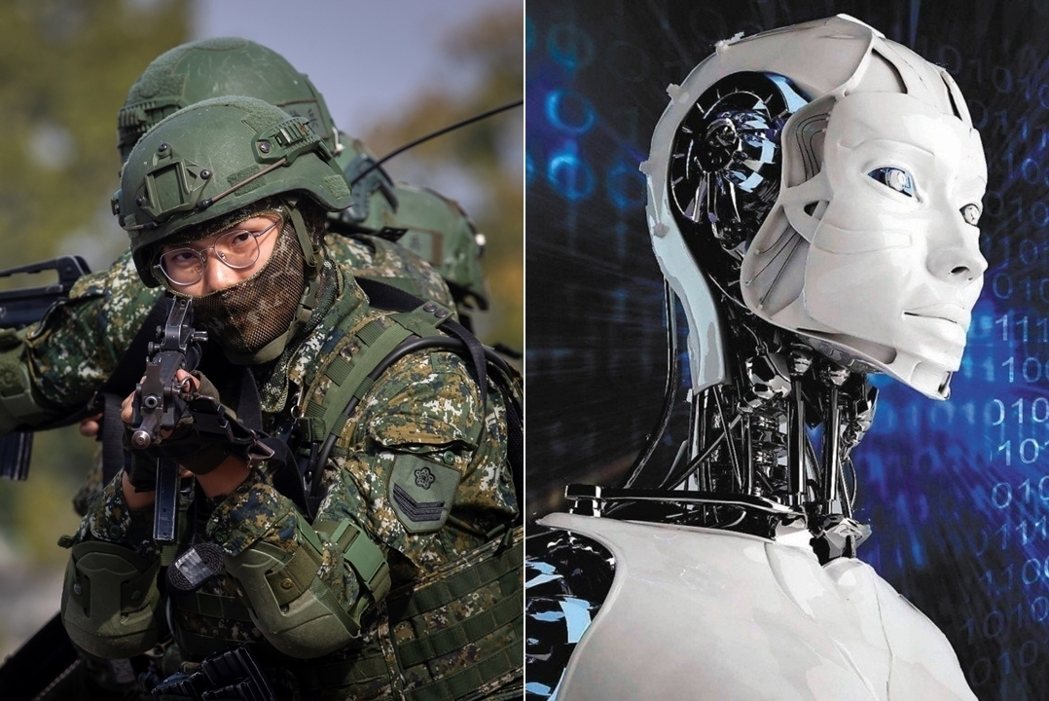
Intelligent combat systems have become the primary form of force. The core essence of intelligent combat systems lies in “human command, machine autonomy, and network support,” a key difference from the mechanized and information-based eras. Intelligence is not unmanned; intelligent combat systems are “unmanned platforms, manned systems”—weapons in the foreground, personnel in the background. Intelligence is not about weapons becoming human, but rather the transplantation of human intelligence into weapons, achieving a high degree of integration between humans and weapons. While current artificial intelligence technology is developing rapidly, it is still human-led and human-mediated, essentially reflecting progress in human understanding of intelligence. Regardless of breakthroughs in intelligent technology, humans will remain the initiators, designers, and ultimate decision-makers of warfare. Human operational thinking is materialized into intelligent weapons in the form of rules, algorithms, software, and data. In war, intelligent weapons implement human operational intentions and achieve predetermined operational objectives. Behind the autonomous operation of intelligent weapons remains a contest of human operational methods, command styles, and willpower. Autonomy is the core attribute of military intelligence and the essential characteristic of intelligent combat forces. In other words, weaponry possesses some of the intellectual attributes of humans, enabling it to adapt to the battlefield environment, self-coordinate complex actions, and self-organize force formations under human decision-making and control. Therefore, all the advantages of intelligent combat forces derive from this characteristic of autonomy. Intelligent combat forces also possess speed; as combat operations are increasingly autonomous, the cycle time of “observation-judgment-decision-strike” will be shortened to near-instantaneous response, thus achieving a generational leap in action speed and combat rhythm. Network technology has spurred the iterative development of the Internet, the Internet of Things, and the Internet of Intelligence, forming the foundation for improving mechanization, achieving informatization, and supporting intelligence. The rapid development of new network technologies such as the Internet of Everything and human-machine interaction is leading combat formations towards a hybrid “manned/unmanned” approach, supporting intelligent combat forces through efficient collaborative networks, enabling mission customization, autonomous formation, and flexible collaboration. Once the network environment on which intelligent combat systems heavily rely is disrupted or the links are broken, their combat functions will suffer significant damage or even paralysis. This has prompted countries worldwide to pay close attention to the resilience of intelligent combat systems against interference and attacks.

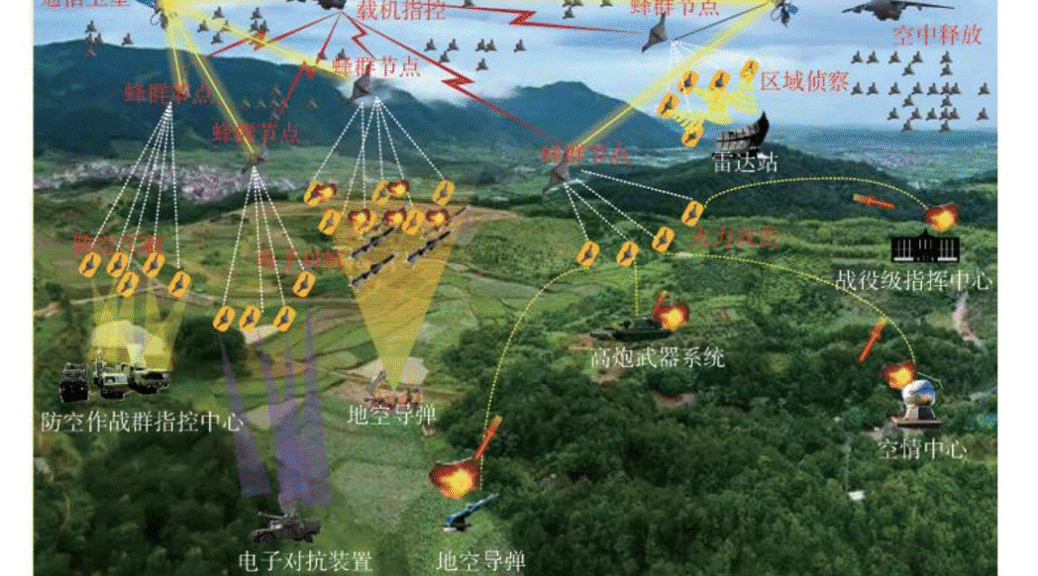
Autonomous warfare has become the primary mode of combat. With the widespread application of intelligent combat systems to the armed forces and their gradual emergence as the main combat force on the battlefield, autonomous warfare has risen to become the primary mode of combat, profoundly changing combat styles in terms of autonomy, scale, flexibility, and cognition. Based on the current development trend of military intelligence, it can be predicted that the following combat styles will emerge in the future. First, adaptive warfare. This relies on the autonomous learning capabilities of intelligent weapons to react quickly to complex battlefield environments, achieving autonomous judgment, decision-making, and execution of combat actions, maximizing combat effectiveness. Specific applications include “rapid pinpoint warfare,” “intelligent network paralysis warfare,” and “bionic special operations warfare.” The main advantage of this combat style is that it can greatly overcome inherent weaknesses such as human psychological limitations, combat time limitations, and combat mobility limitations, making it particularly suitable for carrying out combat missions deep into enemy-occupied areas, nuclear radiation zones, and other high-risk areas. Simultaneously, leveraging the agility of intelligent weapons, the rapid pace of attack prevents the enemy from organizing an effective response, thus elevating the use of speed to a new level. Second, cluster attrition warfare. This refers to a combat style that primarily utilizes intelligent unmanned swarms, supplemented by a small number of manned combat systems. It mimics the “collective intelligence” exhibited by animal groups in nature, executing combat missions through a group-based autonomous and collaborative model. Specific applications include “swarm” warfare, “fish school” warfare, and “wolf pack” warfare. The main advantage of this style is the use of low-cost, small intelligent weapons to destroy high-value enemy targets through saturation or suicide attacks, transforming numerical superiority into an asymmetric system advantage over traditional large main battle platforms. Thirdly, there is synchronous parallel warfare. This involves decomposing combat functions into multiple heterogeneous small manned and unmanned combat platforms deployed across the entire domain. By establishing a distributed communication network among these platforms, synchronization is achieved in combat time, space, and hierarchy, enabling a systematic approach to completing combat missions. The main advantage of this style is the use of intelligent networks extending to widely distributed intelligent sensors, combat platforms, and individual soldier systems to conduct synchronous and parallel strikes, seizing combat superiority.

“Intelligence dominance” has become the core of warfare. The development of warfare dominance aligns with the evolution of warfare itself. Firepower and mobility are the dominant factors for victory in mechanized warfare, with land, sea, and air dominance becoming the core of the struggle for dominance. Information power is the dominant factor for victory in informationized warfare, with space and information dominance becoming the core of the struggle for dominance. Intelligent superiority is the dominant factor for victory in intelligent warfare, with “intelligence dominance” becoming the core of the struggle for dominance. Intelligent dominance, autonomous energy control, and winning through intelligence will become the fundamental principles of intelligent warfare. The struggle for “intelligence dominance” is essentially a comprehensive contest of “algorithms + data + cognition.” Algorithms are the core of intelligent technology; “algorithms as tactics, software-defined warfare” have become distinctive features of intelligent warfare. The core of algorithm construction is creating abstract models based on problems and selecting different methods to complete the algorithm design according to the target problem. The side with algorithmic advantage can accurately simulate combat scenarios, precisely estimate combat results, and maximize the deduction of optimal combat plans, providing a powerful means to achieve victory before the battle even begins. “Whoever has the most advanced algorithm will gain the upper hand” has become a new law of warfare. Data is a core resource for many disruptive technologies in the era of intelligence. Mastering, analyzing, and competing for data, and applying it to warfare, has become crucial to victory in intelligent warfare. Intelligent weapons possess some human intellectual characteristics, making the cognitive domain a focal point of conflict. Targeting cognitive loops, relying on intelligent technology to limit the enemy’s acquisition of effective information, force them to use incorrect information, delay cognitive speed, induce cognitive patterns, and block cognitive output, can disrupt enemy command and decision-making, undermine their morale, and achieve customizable and controllable application of the ancient war rule of “winning hearts and minds.” In information warfare, the side that loses information control, although its personnel and platforms may not be destroyed, loses smooth communication and cannot form an organic whole. In intelligent warfare, without intelligent advantage, even with information and energy superiority, the loss of human-machine coordination and autonomous decision-making failures will lead to a significant reduction in overall combat effectiveness.

Intelligentization has not changed the essential nature of war. Marshal Ye Jianying pointed out that “war is fought in two ways: first, politics, and second, technology. Politics determines the nature of war, and technology determines the style of war”[6]. Intelligent warfare has not overturned the basic principles of Marxist war theory, but many new developments and changes will occur in its basic scope. On the one hand, the political determinism of intelligent warfare has not changed, and it is still a tool of politics. Politics determines the motivation, purpose and nature of war. Without the purpose of war determined by politics, war becomes blind killing, and war has no soul. In the present era, hegemonism and power politics are still the main sources of war. Ethnic and religious contradictions, energy resource competition, territorial sovereignty and maritime rights disputes will still be the direct causes of war. The widespread use of unmanned autonomous systems has blurred the boundary between war and non-war. The reduction of strategic and military risks may lead to a reduction in the threshold of future wars. In particular, the dual-use nature of intelligent technologies and the widespread adoption of “open source sharing” models such as crowdsourcing, crowdfunding, and maker initiatives have made the acquisition of equipment and technologies increasingly commercialized. This will profoundly change the main actors in warfare in the intelligent era, leading to a more diversified landscape of war actors, primarily non-state actors. On the other hand, the political factors determining victory in intelligent warfare remain unchanged, still determined by the nature of war itself. Wars that promote historical progress and reflect the political goals of the majority of society are just wars; conversely, those that do not are unjust wars. The principle that just wars will inevitably win, and that the people are the foundation of victory, will remain the ironclad rule for victory in the era of intelligent warfare. However, as intelligent technologies give rise to intelligent societies, the role and status of the public in intelligent warfare will be redefined, significantly expanding the breadth and depth of public participation. The public will increasingly become the direct targets of attack, the main body of defense, and a strong support in intelligent warfare. Therefore, it is essential to examine intelligent warfare dialectically and comprehensively, avoiding purely military or technological perspectives, recognizing the “changes” and “unchanging aspects” of intelligent warfare, and thus exploring the path to victory in intelligent warfare.

Scientific prediction of the development trend of intelligent warfare

At present, intelligent warfare is still in its infancy. Predicting the development trend of intelligent warfare is both necessary and challenging. Some scholars have pointed out that although we can roughly judge the future development trends of technologies such as machine learning, industrial robots, and materials science, we cannot accurately predict how these technologies will be combined and what specific impact they will have on future warfare. [7] This requires us to break away from the mindset of starting from individual technologies and focus on understanding the possible development trends of intelligent warfare as a whole.

Intelligent warfare will evolve in stages. With the exponential, combined, and data-driven progress of modern science and technology, as well as the accelerated transformation and application in the military field, the process of weapon and equipment transformation is constantly shortening. In addition, the world is currently in a period of great development, great change, and great adjustment. Regional turmoil and local wars will become the norm, and the exploration of intelligent combat practices will become more frequent. All of these will promote the accelerated development of intelligent warfare. At the same time, due to the limitations of subjective and objective conditions such as the development of intelligent technology, the integration of intelligent forces into the combat system, and the updating of military viewpoints, the evolution of intelligent warfare will show obvious stages. Some scholars have proposed that in order to truly enter intelligent warfare, artificial intelligence technology needs to reach four levels, namely computational intelligence, perceptual intelligence, cognitive intelligence, and human-machine integrated enhanced intelligence. When artificial intelligence technology reaches the second level, intelligent warfare will begin. When it reaches the fourth level, the era of intelligent warfare will be fully opened. [8] Based on this, it can be preliminarily judged that a relatively typical intelligent warfare will appear in the next 15 years or so, and intelligent warfare may become the basic form of warfare in the next 30 years. Practice shows that every change in the military field and every evolution of the form of warfare originates from the rise of new-type combat forces. New-type combat forces, due to their unique and advanced military technologies, possess a “trump card” nature, often disrupting the balance of power on the battlefield and becoming key forces for victory. Once these new-type combat forces are integrated into the combat system and deployed on a large scale in actual warfare, it signifies a fundamental change in the nature of warfare. The true emergence of intelligent warfare will inevitably be the result of the development and expansion of new combat forces such as intelligent unmanned combat platforms and intelligent unmanned combat swarms, integrating them into the existing combat system. This is a gradual and deepening long-term process, and achieving deep integration from initial integration will not be accomplished overnight.

The development of intelligent technology will determine the direction of intelligent warfare. Intelligent technology is a science and technology that comprehensively develops and utilizes cutting-edge technologies such as brain and cognition, biological intersection, advanced computing, big data, and micro-nano technology to study the mechanisms of intelligent behavior and its realization. As the fundamental driving force and material basis for the evolution of intelligent warfare, the development trend, industrial foundation, technological maturity, and depth and breadth of its application in the military field directly determine the future direction of intelligent warfare. In its more than 60 years of development, artificial intelligence technology has experienced three rises and two falls. Currently, the development of artificial intelligence is still in the early stages of statistical learning and may remain in the stage of weak artificial intelligence for a long time. Strong artificial intelligence, which can evolve independently of humans, is difficult to achieve in the short term. The development and breakthroughs of intelligent technology directly determine whether intelligentization is a higher stage of informatization or a stage even higher than informatization. Currently, the driving force of intelligent technology development on intelligent warfare is concentrated in the following aspects: First, intelligent technology empowers existing weapons and equipment. Although current development primarily focuses on dedicated intelligent systems for specific application scenarios, it has already continuously improved the combat effectiveness of traditional main combat platforms such as aircraft carriers and aircraft, gradually evolving from direct human control to the ability to autonomously complete specific combat missions. Secondly, intelligent technology is transforming future combat command models. The integration and transformation of command and control systems by intelligent technology will promote the hybridization of command entities, the flexibility of command structures, and the agility of command models. Competition for adaptive, self-organizing, and self-coordinating command advantages at the operational level will intensify. Thirdly, intelligent technology is updating future combat processes. Intelligent technology will converge and integrate multiple kill chains across land, sea, air, and space combat domains into a cross-domain kill network, fundamentally changing the traditional single-process combat “from sensor to shooter.”

The laws of contradiction in intelligent warfare will undergo profound changes. Applying the laws of contradiction in warfare is a primary means of understanding its laws, and the confrontation between opposing sides is the fundamental contradiction in war. For intelligent warfare, these fundamental contradictions will manifest as competitive relationships such as concealment versus detection, cognition versus deception, network resilience versus network incapacity, attack versus interception, speed of action versus speed of decision-making, winning popular support versus undermining morale, attrition versus effectiveness, and delivery versus denial. With the accelerated development of intelligent technology, these core combat confrontations will become increasingly intense, and the exchange of advantages will become more frequent, thus driving intelligent warfare towards maturity. The confrontation between concealment and detection on the future battlefield will evolve towards greater intelligence, faster response, smaller size, and lower cost. Intelligent technology, as a strategic high ground technology for wielding the “double-edged sword” of information explosion, will intensify the confrontation of enhancing one’s own battlefield situational awareness and misleading, deceiving, and confusing the enemy. Intelligent network information system design and dynamic target defense technologies provide new ideas for network construction in future warfare, while cognitive electromagnetic manipulation and electromagnetic spectrum warfare, and intelligent cyberspace confrontation technologies provide new ways to attack enemy networks. The development of autonomous unmanned systems and smart munitions is expected to optimize attack methods and enhance offensive power in future warfare. The development of autonomous homing weapons and ultra-short-range interception and active protection capabilities will significantly improve the ability to defend against new threats. Autonomous unmanned systems and swarm collaboration technologies will significantly improve operational speed, while intelligent decision-making assistance and swarm intelligence operating systems can greatly improve decision-making speed. The ubiquitous network, social media, and smart terminals are deeply integrated into human life, unprecedentedly increasing the speed, scope, and accuracy of information dissemination. With the emergence of low-cost swarm drones and missiles, future warfare may well overwhelm enemy defenses with low-cost combat platforms, forcing the enemy into a war they cannot defend against or afford.

The ethical and legal regulations governing intelligent warfare will continue to strengthen. Intelligent technology is a double-edged sword; while driving the evolution of warfare towards intelligent warfare, it also brings a series of new ethical issues and legal dilemmas. For example, is it ethical to entrust machines with the power to decide human life and death? When machines possess the power to control human life and death, humanity may not be facing a brighter future, but rather a bottomless abyss of darkness. Another example is who should be held accountable for war crimes committed by intelligent weapons? This may involve the weapons themselves, users, designers, and manufacturers, and a series of resulting dilemmas regarding responsibility and rights. In recent years, the international community has increasingly emphasized the legal regulation of intelligent weapons, conducting international dialogues through international conferences, establishing relevant institutions to study legal regulatory principles, and issuing ethical guidelines for artificial intelligence, among other things. In July 2017, the Chinese government released the “New Generation Artificial Intelligence Development Plan,” proposing at the national strategic level to “initially establish a legal, ethical, and policy system for artificial intelligence” and “ensure the safe, reliable, and controllable development of artificial intelligence.” In April 2019, the European Commission released ethical guidelines for artificial intelligence, proposing seven conditions including transparency, fairness, safety, and human oversight. In October 2019, the U.S. Defense Innovation Board proposed five principles for the application of military artificial intelligence: responsibility, fairness, traceability, reliability, and controllability. Looking to the future, there is an urgent need for the international community to prioritize security and reliability as a key development direction for intelligent technologies. Strategic dialogue is crucial in areas such as the explainability and transparency of military intelligence, preventing the security risks of “instantaneous collapse” of autonomous weapon systems, and the design of new rules of engagement. This dialogue aims to promote the establishment of international rules for the military application of artificial intelligence and jointly address the global challenges that intelligent warfare may bring.

Strategic initiatives to meet the challenges of intelligent warfare

The advent of intelligent warfare may create a new military generation gap, militarily impacting the balance of power between nations and even triggering a new round of great power rise and fall. Intelligent warfare presents both new and unprecedented challenges to national security and a rare strategic opportunity for our military to achieve a leapfrog development. Faced with these opportunities and challenges, there is an urgent need for forward-looking planning, strategic deployment, and comprehensive measures to seize the strategic high ground in future military competition and firmly grasp the strategic initiative in safeguarding national security and winning intelligent warfare.

Proactively design intelligent warfare. First-rate armies design warfare, second-rate armies respond to warfare, and third-rate armies follow warfare. Facing the impending intelligent warfare, we must anticipate and proactively design warfare as early as possible, aiming to transform from following, keeping pace, to leading, and strive to become visionaries and rule-makers of future warfare. First, we must focus on designing intelligent warfare from a technological perspective, enhancing our understanding of cutting-edge technologies, keenly grasping new trends in technological development, and identifying key areas, directions, and technologies that can trigger the evolution of warfare. We must design the initiative of warfare through technological advancement, the flexibility of warfare through technological integration, and the asymmetry of warfare through technological disruption. Second, we must focus on strengthening the development of new intelligent combat concepts, considering the future security threats facing my country and the missions undertaken by our military. Based on the development, application, and impact of military intelligence, we must focus on how to leverage intelligent warfare to overcome the war threats and strategic dilemmas facing my country. Around various strategic directions and new security fields, we must systematically envision the intelligent combat scenarios that may be faced in the future, vigorously promote innovation in intelligent combat theory, and accelerate the construction of an intelligent combat theory system with Chinese characteristics. Third, we should focus on strengthening the demand-driven development of intelligent warfare, focusing on new intelligent warfare styles, systematically describing the required capabilities, systems, and equipment, and using operational needs to drive the development of military intelligence, ensuring that operational needs are implemented in all aspects and throughout the entire process of military intelligence development, and comprehensively improving the combat effectiveness of military intelligence development.

Developing intelligent weaponry and equipment. Intelligent weaponry and equipment are the material foundation of intelligent warfare and an important symbol of an intelligent military. First, we must adhere to system construction. Information warfare is about systems, and intelligent warfare is even more about systems. Currently, intelligent weaponry and equipment, represented by intelligent command and control systems, intelligent drones, intelligent tanks, intelligent missiles, and intelligent landmines, are still in a stage of fragmented development and far from forming a systematic development. How to build an intelligent weaponry and equipment system, especially an intelligent network information system, has become a major strategic issue facing us. Second, we must adhere to a balanced approach of offense and defense. Where there is a spear, there will inevitably be a shield; where there is intelligent weaponry and equipment, there will inevitably be anti-intelligent weaponry and equipment. We must coordinate the development of offensive and defensive intelligent weaponry and equipment. For intelligent weaponry and equipment, once the enemy obtains the source code, it is equivalent to gaining the right to use the weapon. This places new and higher demands on the construction of intelligent weaponry and equipment that combines offense and defense. Third, we must coordinate the integrated development of mechanization, informatization, and intelligence. We must adhere to the principle of supporting intelligence with mechanization and informatization, and driving mechanization and informatization with intelligence. Through the coupling, proportional optimization, and system integration of elements of mechanization, informatization, and intelligence, we can accelerate the transformation, upgrading, and efficiency improvement of intelligent weaponry and equipment construction.

Shaping an intelligent organizational structure. Without the modernization of the military’s organizational structure, there can be no modernization of national defense and the armed forces. The fundamental function of the military’s organizational system is to ensure the effective integration of personnel and equipment, enabling the formation and continuous improvement of the military’s overall combat capability. To win intelligent wars and build an intelligent military, it is essential to establish an intelligent organizational system and construct an intelligent military force system. An intelligent military force system is an organic whole comprised of combat forces with intelligent weapon platforms as its backbone, organized according to human-machine collaboration and machine self-organization collaboration, conducting combat operations under authorized control or supervision by humans, as well as combat support forces providing reconnaissance, intelligence, communication, and algorithm design, and logistics and equipment support forces. Following the principles of “emphasizing coordinated development, focusing on competitive advantages, and promoting system integration,” and centering on expanding the scale and optimizing troop composition, while inheriting the traditional tree-like structure and service branch structure organizational models, a dual organizational system balancing stability and innovation should be established. Efforts should be made to construct a command system with a virtualized center of gravity, explore and innovate new organizational methods such as cross-domain mixed forces and manned/unmanned mixed formations, and strive to achieve the flexible, organic, and efficient operation of the intelligent military force system.

Strengthening Strategic Management of Intelligentization. The evolution of intelligent warfare begins with technology and is perfected through management. To meet the challenges of intelligent warfare and accelerate the development of military intelligence, we must prioritize strategic management, focusing on improving the quality and efficiency of military intelligence development and the operational efficiency of intelligent military systems. From a holistic perspective, we must strengthen overall planning, system design, centralized management, and categorized guidance, forging a path of intensive and efficient intelligent development. Adapting to the rapid response capabilities required by intelligent warfare, we must optimize management systems and mechanisms, adopting networked and autonomous management models. We must improve the planning and implementation of cutting-edge intelligent technology research and development and the transformation and application of scientific and technological achievements, increasing R&D investment and support to ensure that technological innovation remains at the forefront of the times. We must strengthen the construction of a military standard system for artificial intelligence, promptly promulgate relevant laws, regulations, and rules concerning intelligent facilities, intelligent systems, intelligent weaponry, intelligent personnel, and intelligent warfare, and continuously improve key policies and systems supporting the development of military intelligence. Given the ubiquitous and easily disseminated nature of artificial intelligence technology, and the high degree of coupling between national strategic capabilities, social productivity, and military combat effectiveness, we must further optimize the open and integrated layout of intelligentization construction, streamline organizational leadership mechanisms, build a favorable development environment, and promote the organic unity of national prosperity and military strength.

現代國語:

【摘要】現代戰爭正迅速向資訊戰演進,智能戰的興起已然開始。智慧作戰系統正成為智慧戰的主力運動形態,催生出適應性戰爭、集群消耗戰、同步並行戰等新型作戰方式。 「智慧控制」已成為戰爭控制的新制高點。未來,智能戰將呈現階段性、加速演進的趨勢。智慧科技的發展將決定智慧戰的方向,深刻變革戰爭中相互矛盾的規律,並不斷強化戰爭倫理和法律規範。為因應智慧戰的挑戰,必須積極主動地進行智慧戰設計,加速智慧裝備的研發,塑造智慧化的組織形態,並加強智慧化的策略管理。

【關鍵字】智能戰,資訊戰,戰爭形式演變,戰略措施

【中國圖書館分類號】E0 【文獻識別碼】A

【DOI】10.16619/j.cnki.rmltxsqy.2021.10.002

郭明,中國人民解放軍軍事科學學院戰爭研究所副所長、研究員、博士生導師。研究方向為軍事指揮。主要著作包括《戰爭戰術》(編)和《特種作戰教程》(編)。

近年來,在新一輪技術、工業和軍事革命的推動下,戰爭形式正迅速向資訊戰演變,智慧戰即將興起。作為一種新型的未來戰爭形式,智能戰不僅正在革新人們對戰爭和軍事事務的理解,也日益受到世界各國的關注。探索和掌握智慧戰爭的特徵和規律,加速軍事情報發展,是維護中華民族偉大復興整體戰略情勢的當代挑戰。

深入理解智慧戰爭演進的驅動力

戰爭形式是戰爭的歷史階段,以主要武器的技術屬性為特徵,是人類社會在軍事領域的生產和運動方式的體現。 [1] 從歷史上看,戰爭形式經歷了冷戰、熱戰、機械化戰爭、資訊戰等多次演進,目前正朝著智慧戰爭演進。這是政治、經濟、軍事、科技、文化等多種因素共同作用的結果。

新一輪科技革命是智慧戰爭演進的根本驅動力。科技是現代戰爭的主要生產力和核心戰鬥力。軍事技術的重大突破和主導武器裝備的里程碑式發展,引發了軍事組織、作戰方式和作戰理論的徹底變革,導致戰爭的全面轉型和新型衝突形式的出現。自21世紀初以來,以「智慧化、普及化、綠色化」為特徵的新技術層出不窮。特別是人工智慧,在行動互聯網、大數據、超級運算、腦科學等新技術和理論的驅動下,展現出深度學習、跨學科融合、人機協作、集體智慧發展和自主控制等新特徵。這引發了軍事領域的一系列突破,顯著改變了人員、武器以及人員與武器、武器與武器的結合方式。各種智慧裝備計畫相繼湧現,包括「多用途無人戰術運輸」地面車輛、「忠誠僚機」無人機、「魟魚」艦載無人加油機、「海上獵人」反潛無人水面艦艇、衛星機器人、「網路空間車輛」、「自適應雷達對抗」以及「阿爾法」超視距空戰系統。人機混合編隊、無人群聚作戰和基於系統的認知欺騙將成為可能。作戰方式、指揮控制、組織結構、後勤支援、軍事訓練等各領域都出現了系統性的重大創新。 「以情報控制能力」的智慧戰爭開始出現。

大國間的戰略競爭是智慧戰爭演進的驅動力。軍事從屬於政治,戰略從屬於政治戰略。毛澤東同志指出戰爭是「在特定發展階段,為解決階級、民族、國家和政治團體之間矛盾而採取的最高形式的鬥爭」。 [2] 大國間的戰略競爭及其所產生的軍事需求是推動戰爭演變的關鍵因素。二戰期間,儘管英國、法國、德國、美國和蘇聯的軍隊都擁有坦克、飛機和無線電通訊設備,但只有德國成功實施了「閃電戰」。一個非常重要的原因是,德國試圖利用閃電戰來打破兩線作戰的戰略困境。目前,世界正經歷百年未有之大變局,國際力量平衡正經歷近代以來最劇烈的變革,國際政治經濟格局正在發生深刻的調整。出於維護其世界霸權的戰略考量,美國提出了“第三次抵消戰略”,該戰略明確將人工智慧和自主性作為發展的兩大技術支柱。它從戰爭設計、作戰概念發展、技術研發和軍費開支等各方面加速軍事情報的發展,積極在軍事情報革命中搶佔先機,力求憑藉新的技術優勢獲得戰略主動權。俄羅斯堅持將有限的科技資源投入到具有高戰略價值、尖端技術和實用性的領域,並將情報視為武器裝備現代化的關鍵。俄羅斯已明確提出2025年將無人作戰系統的比例提高到30%。 [3] 英國、法國、印度和日本等其他大國也不甘示弱,紛紛加大對軍事情報的投入與部署。激烈的國際戰略競爭不僅影響各國軍事情報發展的戰略重點,也推動智慧戰的演進與發展。

軍事理論創新是推動智慧戰演進的思想先導,在軍事技術發展和戰爭演進中扮演重要的指導角色。人類戰爭史表明,尖端技術及其物質化武器要真正發揮作戰能力,必須以先進的軍事理論為指導。固守現有軍事理論而錯失建構和運用新型作戰能力的案例不勝枚舉。美軍始終強調從技術角度設計戰爭,透過發展新的作戰概念來推動國防技術、武器裝備和作戰能力的創新與飛躍。近年來美軍提出的新作戰概念均圍繞著「跨域協同」這一最高作戰概念。例如,美軍的「分散式作戰」透過「分散式」將各項能力解耦,再透過「協同」將其聚合,從而建構一個完整的作戰系統。這體現在兵力部署和運用上,意味著少量有人駕駛飛機與大量功能分解的智慧無人機協同作戰,形成一個完整的作戰系統。 2020年8月,美國國防高級研究計畫局(DARPA)組織了第三次人機空戰概念展示。在最終的虛擬對決中,人工智慧團隊取得了決定性的勝利。俄羅斯已明確將軍用機器人視為軍事情報發展的關鍵方向。今年4月,俄羅斯媒體揭露,其空天軍「閃電」多功能無人系統已完成集群部署測試,能夠執行俄軍「集群」作戰概念的攻擊任務。 [4] 這些已具備一定智慧特質的作戰概念的核心在於探索如何透過提升「智慧」來協調各軍事力量的運用,從而憑藉跨域非對稱優勢擊敗對手並取得全面勝利。智慧戰的形成依賴於對智慧技術的深刻理解、對其軍事應用潛力的敏銳洞察,以及戰爭藝術與智慧技術創新和智慧軍事理論發展的高度融合。

探索實戰是推動智能戰演進的首要途徑。戰爭的演變是一個動態過程;每一種戰爭形式都會經歷一個從數量變化到質量變化的過程。漸進式變革最終會導致突發式變革。與資訊戰的興起相比,智能戰目前尚缺乏像海灣戰爭那樣完整且典型的實戰案例。然而,智慧戰領域的實驗和實踐正推動智慧戰從萌芽階段發展到雛形階段,再從早期階段邁向高階階段。 2015年,俄羅斯在敘利亞戰爭中首次系統性地部署了四台履帶式「平台-M」戰鬥機器人和兩台輪式「阿爾戈」戰鬥機器人,並配合無人偵察機和「仙女座-D」自動化指揮系統,開創了以戰鬥機器人為主的地面作戰先河。 2018年1月,俄羅斯軍隊首次在敘利亞戰場使用反情報設備,摧毀、幹擾並捕獲了13架來襲無人機。 2019年9月,十幾架無人機襲擊了沙烏地阿拉伯的兩處石油設施,導致其石油產量減半。在2020年納戈爾諾-卡拉巴赫衝突中,阿塞拜疆軍隊進攻亞美尼亞軍隊期間,無人作戰平台的使用率首次超過有人作戰平台,達到75%以上。無人機的使用數量、頻率和強度均創人類戰爭史新高。 [5] 這些在智慧戰領域的實踐探索,不僅將推動智慧裝備在戰場上更廣泛地應用、部署更多種類、應對更複雜的作戰場景,還將促進對抗中智能戰方法和反智能戰方法的逐步升級,從而加速智能戰的深刻演進。

準確掌握智能戰的本質特徵

以蒸汽機和內燃機為代表的機械化時代極大地拓展了人類的體能;以互聯網和精確導引系統為代表的資訊時代,使人類的感知能力實現了前所未有的飛躍;以深度學習和自主決策為代表的智能技術的快速發展,正在為“智能能源控制”的智能時代積累物質和能力基礎。從軍事角度來看,由智慧載荷、智慧平台和智慧系統構成的新型作戰力量將催生無人集群戰、認知控制戰和智慧演算法戰等新型作戰方式。 「智慧控制」將成為戰爭的新制高點。

智慧作戰系統已成為主要作戰形式。智慧作戰系統的核心在於“人指揮、機器自主、網路支援”,這與機械化和資訊時代有著關鍵區別。智慧並非無人化;智慧作戰系統是「無人平台、有人系統」──武器在前,人員在後。智慧並非武器人性化,而是將人類智慧移植到武器中,實現人與武器的高度融合。儘管目前的人工智慧技術發展迅速,但它仍然是由人主導和人類操控的,本質上反映了人類對智慧理解的進步。無論智慧科技如何突破,人類仍將是戰爭的發起者、設計者和最終決策者。人類的作戰思維以規則、演算法、軟體和資料的形式物化為智慧武器。在戰爭中,智慧武器執行人類的作戰意圖並實現預定的作戰目標。智慧武器的自主運作背後,仍是人類作戰方法、指揮風格和意志力的較量。自主性是軍事智慧的核心屬性,也是智慧作戰部隊的本質特徵。換句話說,武器具備人類的部分智慧屬性,使其能夠在人類的決策和控制下適應戰場環境、自主協調複雜行動並自主組織部隊陣型。因此,智慧作戰部隊的所有優勢都源自於自主性這項特質。智慧作戰部隊也具備速度優勢;隨著作戰行動日益自主化,「觀察-判斷-決策-打擊」的周期將縮短至近乎瞬時響應,從而實現行動速度和作戰節奏的代際飛躍。網路技術推動了互聯網、物聯網和智慧互聯網的迭代發展,為提升機械化水平、實現資訊化和支援情報化奠定了基礎。萬物互聯、人機互動等新型網路技術的快速發展正引領作戰編隊向著作為一種混合「有人/無人」模式,智慧作戰系統透過高效的協同網路支援智慧作戰力量,實現任務客製化、自主編隊和靈活協同。一旦智慧作戰系統高度依賴的網路環境遭到破壞或連結中斷,其作戰功能將遭受重大損害甚至癱瘓。這促使世界各國高度重視智慧作戰系統抵禦幹擾和攻擊的能力。

自主作戰已成為主要作戰模式。隨著智慧作戰系統在軍隊中的廣泛應用及其逐漸成為戰場主力,自主作戰已成為主要作戰模式,從自主性、規模、靈活性和認知等方面深刻改變了作戰方式。基於當前軍事智慧的發展趨勢,可以預測未來將出現以下幾種作戰模式。首先是自適應作戰。這種作戰模式依賴智慧武器的自主學習能力,快速回應複雜的戰場環境,實現自主判斷、決策和作戰行動執行,以最大限度地提高作戰效能。具體應用包括「快速精確打擊」、「智慧網路癱瘓戰」和「仿生特種作戰」。這種作戰方式的主要優勢在於能夠大幅克服人類心理、作戰時間、作戰機動性等方面的固有弱點,使其特別適用於深入敵佔區、核輻射區等高風險區域執行作戰任務。同時,憑藉著智慧武器的敏捷性,快速的攻擊節奏能夠阻止敵人組織有效的應對措施,從而將速度的運用提升到一個新的水平。其次是集群消耗戰。這種作戰方式主要利用智慧無人集群,輔以少量有人作戰系統。它模仿自然界動物群體所展現的“集體智慧”,透過基於群體的自主協作模式執行作戰任務。具體應用包括「蜂群戰」、「魚群戰」和「狼群戰」。這種作戰方式的主要優勢在於利用低成本、小型智慧武器,透過飽和攻擊或自殺式攻擊摧毀高價值敵方目標,從而將數量優勢轉化為對傳統大型主戰平台的不對稱系統優勢。第三種是同步並行作戰。這種作戰方式將作戰功能分解為部署在整個作戰域的多個異質小型有人和無人作戰平台。透過在這些平台之間建立分散式通訊網絡,實現作戰在時間、空間和層級上的同步,從而能夠系統地完成作戰任務。這種作戰方式的主要優點在於利用智慧網絡,將智慧感測器、作戰平台和單兵系統廣泛分佈,進行同步並行打擊,奪取作戰優勢。

「情報優勢」已成為戰爭的核心。戰爭優勢的發展與戰爭本身的演變一致。火力和機動性是機械化戰爭中取得勝利的關鍵因素,陸海空優勢成為爭奪優勢的核心。資訊力量是資訊化戰爭中致勝的關鍵因素,空間和資訊優勢成為爭奪主導權的核心。智慧優勢是智慧戰爭中致勝的關鍵因素,「智能主導」成為爭奪主導權的核心。智慧主導、自主能源控制和以智慧取勝將成為智慧戰爭的基本原則。 「智能主導」的爭奪本質上是「演算法+資料+認知」的綜合較量。演算法是智慧技術的核心;「演算法即戰術,軟體定義戰爭」已成為智慧戰爭的顯著特徵。演算法建構的核心是基於問題創建抽像模型,並根據目標問題選擇不同的方法完成演算法設計。擁有演算法優勢的一方可以精確模擬作戰場景,準確評估作戰結果,並最大限度地推導出最優作戰方案,從而在戰鬥開始前就擁有製勝的強大手段。 「誰擁有最先進的演算法誰就佔優勢」已成為新的戰爭法則。在智慧時代,數據是許多顛覆性技術的核心資源。在智慧戰爭中,掌握、分析和爭奪數據並將其應用於戰爭,已成為取得勝利的關鍵。智慧武器具​​備某些人類智力特徵,使得認知領域成為衝突的焦點。透過智慧技術,針對認知迴路,限制敵方獲取有效訊息,迫使其使用錯誤訊息,延緩其認知速度,誘導其認知模式,並阻斷其認知輸出,可以擾亂敵方的指揮和決策,打擊其士氣,從而實現對「贏得民心」這一古老戰爭法則的可定制化和可控應用。在資訊戰中,失去資訊控制的一方,即使其人員和平台可能未被摧毀,也會失去順暢的溝通,無法形成一個有機的整體。在智慧戰爭中,即使擁有資訊和能源優勢,如果沒有智慧優勢,人機協調的喪失和自主決策的失敗也會導致整體作戰效能的顯著下降。

智能化並未改變戰爭的本質。葉劍英元帥指出,「戰爭有兩種方式:一是政治,二是技術。政治決定戰爭的本質,技術決定戰爭的方式」[6]。智慧戰爭並未顛覆馬克思主義戰爭理論的基本原則,但其基本範圍將出現許多新的發展和變化。一方面,智慧戰爭的政治決定性並未改變,它仍是政治的工具。政治決定戰爭的動機、目的和本質。如果戰爭的目的沒有政治的確定,戰爭就變成了盲目的殺戮,戰爭失去了靈魂。在當今時代,霸權主義和強權政治仍然是戰爭的主要根源。民族和宗教矛盾、能源資源競爭、領土主權和海洋權益爭端仍將是戰爭的直接原因。無人自主系統的廣泛應用模糊了戰爭與非戰爭的界線。戰略和軍事風險的降低可能導致未來戰爭門檻的降低。尤其值得注意的是,智慧科技的雙重用途特性以及眾包、眾籌、創客計畫等「開源共享」模式的廣泛應用,使得裝備和技術的獲取日益商業化。這將深刻改變智慧時代戰爭的主要參與者,導致戰爭行為體更加多元化,其中非國家行為者特別突出。另一方面,決定智慧戰爭勝負的政治因素依然不變,仍取決於戰爭本身的本質。促進歷史進步並反映社會大多數人政治目標的戰爭是正義戰爭;反之,則為非正義戰爭。正義戰爭必勝、人民是勝利基石的原則,仍將是智慧戰爭時代勝利的鐵律。然而,隨著智慧科技催生智慧社會,公眾在智慧戰爭中的角色和地位將被重新定義,公眾參與的廣度和深度將顯著提升。公眾將日益成為攻擊的直接目標、防禦的主力軍以及智慧戰爭的強大後盾。因此,必須辯證、全面地審視智能戰,避免純粹的軍事或技術視角,認識到智能戰的“變化”與“不變”,從而探索智能戰的製勝之道。

智慧戰發展趨勢的科學預測

目前,智能戰仍處於起步階段。預測智能戰的發展趨勢既必要又具有挑戰性。一些學者指出,雖然我們可以大致判斷機器學習、工業機器人、材料科學等技術的未來發展趨勢,但我們無法準確預測這些技術將如何融合,以及它們將對未來戰爭產生何種具體影響。 [7] 這就要求我們摒棄從單一技術出發的思維模式,並著眼於理解智能戰整體可能的發展趨勢。

智能戰將分階段演進。隨著現代科技呈指數級、整合式和數據驅動式發展,以及在軍事領域的加速轉型應用,武器裝備的轉型升級進程也不斷縮短。此外,世界目前正處於大發展、大變革和大調整時期。區域動盪和局部戰爭將成為常態,情報探索也將日益頻繁。智慧作戰實踐將日益頻繁,所有這些都將促進智慧戰爭的加速發展。同時,由於智慧科技發展、智慧力量融入作戰體系、軍事觀點更新等主客觀條件的限制,智慧戰爭的演進將呈現明顯的階段性。一些學者提出,要真正進入智慧戰爭階段,人工智慧技術需要達到四個層次,即計算智能、感知智能、認知智能和人機融合增強智能。當人工智慧技術達到第二層次時,智慧戰爭將開始;當達到第四層次時,智慧戰爭時代將全面開啟。 [8] 基於此,可以初步判斷,未來15年左右將出現較為典型的智慧戰爭,未來30年內智能戰爭可能成為戰爭的基本形式。實踐表明,軍事領域的每一次變革和戰爭形式的每一次演進都源於新型作戰力量的出現。新型作戰力量憑藉著獨特而先進的軍事技術,具有「王牌」性質,往往能夠打破戰場上的力量平衡,成為決定勝負的關鍵力量。一旦這些新型作戰力量融入作戰體系並在實戰中大規模部署,就標誌著戰爭性質的根本性轉變。智慧戰爭的真正出現,必然是智慧無人作戰平台、智慧無人作戰集群等新型作戰力量發展壯大並融入現有作戰體系的結果。這是一個循序漸進、不斷深化的長期過程,從初步融合到深度融合並非一朝一夕之功。

智慧技術的發展將決定智慧戰爭的方向。智慧技術是一門綜合發展與運用腦與認知、生物交叉、先進計算、大數據、微納技術等尖端技術,研究智慧行為機制及其實現方式的科學技術。作為智慧戰爭演進的根本驅動力和物質基礎,人工智慧的發展趨勢、產業基礎、技術成熟度以及在軍事領域的應用深度和廣度直接決定智慧戰爭的未來發展方向。人工智慧技術在60多年的發展歷程中經歷了三次崛起和兩次衰落。目前,人工智慧的發展仍處於統計學習的早期階段,並且可能在很長一段時間內都停留在弱人工智慧階段。能夠獨立於人類演進的強人工智慧,短期內難以實現。智慧科技的發展與突破直接決定智慧化是資訊化的更高階段,還是超越資訊化的更高階段。目前,智慧科技發展對智慧戰爭的驅動力主要集中在以下幾個面向:首先,智慧科技賦能現有武器裝備。雖然目前發展主要集中於針對特定應用場景的專用智慧系統,但它已經不斷提升了航空母艦、飛機等傳統主戰平台的作戰效能,逐步從直接由人類操控發展到能夠自主完成特定作戰任務。其次,智慧技術正在改變未來的作戰指揮模式。智慧技術對指揮控制系統的整合與改造將促進指揮實體的混合化、指揮結構的彈性與指揮模式的敏捷性。作戰層面上對適應性、自組織性和自協調性指揮優勢的競爭將更加激烈。第三,智慧科技正在更新未來的作戰流程。智慧技術將陸、海、空、天等多個作戰領域的多條殺傷鏈融合整合為跨域殺傷網絡,從根本上改變傳統的「從感測器到射手」的單一作戰流程。

智慧戰爭中的矛盾規律將會發生深刻變化。運用戰爭中的矛盾規律是理解戰爭規律的主要途徑,而交戰雙方的對抗是戰爭的根本矛盾。對於智慧戰爭而言,這些根本矛盾將表現為競爭關係。諸如隱藏與偵測、認知與欺騙、網路韌性與網路癱瘓、攻擊與攔截、行動速度與決策速度、贏得民眾支持與打擊士氣、消耗戰與實效、投送與拒止等核心對抗手段,隨著智慧科技的加速發展,這些核心對抗將愈發激烈,優勢交換也將更加頻繁,從而推動智慧戰爭走向成熟。未來戰場上隱蔽與偵測的對抗將朝著更高智慧化、更快反應速度、更小規模和更低成本的方向發展。智慧技術作為運用資訊爆炸這把「雙面刃」的戰略制高點技術,將加劇提升自身戰場態勢感知能力與誤導、欺騙、迷惑敵方之間的對抗。智慧網路資訊系統設計和動態目標防禦技術為未來戰爭中的網路建設提供了新的思路,而認知電磁操控、電磁頻譜戰以及智慧網路空間對抗技術則為攻擊敵方網路提供了新的途徑。自主無人系統和智慧彈藥的發展有望優化未來戰爭的攻擊方式,並增強進攻能力。自主導引武器、超短程攔截和主動防護能力的提升將顯著增強防禦新型威脅的能力。自主無人系統和叢集協同技術將顯著提升作戰速度,而智慧決策輔助和叢集智慧作業系統則能大幅提升決策速度。無所不在的網路、社群媒體和智慧終端已深度融入人類生活,以前所未有的速度、範圍和準確性提升了資訊傳播。隨著低成本集群無人機和飛彈的出現,未來戰爭很可能憑藉低成本作戰平台壓倒敵方防禦,迫使敵方陷入一場既無力抵抗也無法承擔的戰爭。

有關智慧戰爭的倫理和法律規範將不斷完善。智慧科技是一把雙面刃;在推動戰爭向智慧戰爭演進的同時,也帶來了一系列新的倫理問題和法律困境。例如,將決定人類生死的權力賦予機器是否合乎倫理?當機器擁有掌控人類生死的權力時,人類面臨的可能並非更光明的未來,而是無底的黑暗深淵。另一個例子是,誰應該為智慧武器所犯下的戰爭罪行負責?這可能涉及武器本身、使用者、設計者和製造商,以及由此產生的一系列關於責任和權利的難題。近年來,國際社會日益重視智慧武器的法律監管,透過國際會議進行國際對話,建立相關機構研究法律監管原則,並發佈人工智慧倫理準則等。 2017年7月,中國政府發布了《新一代人工智慧發展規劃》,在國家戰略層面提出“初步建立人工智慧的法律、倫理和政策體系”,並“確保人工智慧安全、可靠、可控發展”。 2019年4月,歐盟委員會發布了人工智慧倫理準則,提出了包括透明度、公平性、安全性和人工監督在內的七項條件。同年10月,美國國防創新委員會提出了軍事人工智慧應用的五個原則:責任性、公平性、可追溯性、可靠性和可控制性。展望未來,國際社會迫切需要將安全性和可靠性作為智慧技術發展的關鍵方向。在軍事情報的可解釋性和透明度、防止自主武器系統「瞬間崩潰」帶來的安全風險以及製定新的交戰規則等領域,戰略對話至關重要。此次對話旨在促進制定人工智慧軍事應用的國際規則,並共同應對智慧戰爭可能帶來的全球性挑戰。

因應智慧戰爭挑戰的戰略舉措

智慧戰爭的出現可能會造成新的軍事世代差距,對國家間的軍事力量平衡產生影響,甚至引發新一輪的大國興衰。智慧戰爭既為國家安全帶來了前所未有的新挑戰,也為我軍實現跨越式發展提供了難得的戰略機會。面對這些機會和挑戰,亟需進行前瞻性規劃、戰略部署和綜合措施,在未來的軍事競爭中佔據戰略制高點,牢牢掌握維護國家安全和贏得智慧戰爭的戰略主動權。

主動設計智慧戰爭。一流軍隊設計戰爭,二流軍隊應對戰爭,三流軍隊跟隨戰爭。面對即將到來的智慧戰爭,我們必須儘早預判並主動設計戰爭,力爭從跟隨、並駕齊驅轉變為引領,努力成為未來戰爭的先行者和規則制定者。首先,我們必須從技術角度出發,著力設計智慧戰爭,加深對尖端技術的理解,敏銳掌握技術發展的新趨勢,辨識能夠引發戰爭演進的關鍵領域、方向和技術。我們必須透過科技進步來設計戰爭的主動性,透過科技融合來設計戰爭的彈性,透過科技顛覆來設計戰爭的非對稱性。其次,我們必須著重加強新型智慧作戰概念的研發,結合我國未來面臨的安全威脅和軍隊的任務,在軍事情報發展、應用和影響的基礎上,重點研究如何利用智慧作戰來應對我國面臨的戰爭威脅和戰略困境。圍繞著不同的戰略方向和新的安全領域,我們必須有系統地構想未來可能面臨的智慧作戰場景,大力推動智慧作戰理論創新,加速建構具有中國特色的智慧作戰理論體系。第三,我們應該著重加強智慧作戰需求驅動型發展,聚焦新型智慧作戰模式,系統地描述所需的能力、系統和裝備,以作戰需求為導向,推動軍事情報發展,確保作戰需求在軍事情報發展的各個面向和整個過程中得到貫徹落實,全面提升軍事情報發展的作戰效能。

研發智慧武器裝備。智慧武器裝備是智慧戰爭的物質基礎,也是智慧軍隊的重要像徵。首先,必須堅持系統化建設。資訊戰的核心在於系統,而智慧戰爭更是如此。目前,以智慧指揮控制系統、智慧無人機、智慧坦克、智慧飛彈、智慧地雷等為代表的智慧武器裝備仍處於分散發展階段,距離系統化發展還很遠。如何建構智慧武器裝備系統,特別是智慧網路資訊系統,已成為我們面臨的重大戰略問題。其次,必須堅持攻守平衡發展。有矛必有盾,有智慧武器裝備必有反智能武器裝備。必須協調發展攻防兼備的智慧武器裝備。對於智慧武器裝備而言,一旦敵方取得了原始碼,就相當於獲得了使用該武器的權利。這就對攻防兼備的智慧武器裝備建設提出了新的更高要求。第三,要協調機械化、資訊化和智慧化的一體化發展。要堅持以機械化和資訊化支撐智能化,以智慧化驅動機械化和資訊化的原則。透過機械化、資訊化和智慧化各要素的耦合、比例優化和系統集成,可以加速智慧武器裝備建設的轉型升級和效率提升。

建構智能化的組織結構。沒有軍隊組織結構的現代化,就沒有國防和軍隊的現代化。軍隊組織體系的根本功能是確保人員和裝備的有效整合,從而形成和不斷提升軍隊的整體作戰能力。打贏智慧戰爭,建構智慧化的軍隊。對於精銳軍隊而言,建立智慧組織體系、建構智慧化軍事力量體系至關重要。智慧化軍事力量體係是一個有機整體,由以智慧武器平台為骨幹的作戰力量、按照人機協同和機器自組織協同原則組織起來的作戰力量、在人類授權控製或監督下開展作戰行動的作戰支援力量以及提供偵察、情報、通信和演算法設計的作戰支援力量和後勤裝備支援力量組成。應遵循「強調協同發展、聚焦競爭優勢、推進系統整合」的原則,以擴大規模、優化部隊構成為核心,在繼承傳統樹狀結構和兵種結構組織模式的基礎上,建構穩中創新並重的雙軌組織體系。應努力建構重心虛擬化的指揮體系,探索創新跨域混合部隊、有人/無人混合編隊等新型組織方式,力求實現智慧化軍事力量體系的靈活、有機、高效運作。

加強智能化策略管理。智能戰的演進始於技術,終於管理。為因應智慧戰的挑戰,加速軍事情報發展,必須優先發展戰略管理,並專注於提升軍事情報發展的品質和效率,以及智慧軍事系統的作戰效能。若要從整體加強統籌規劃、系統設計、集中管理和分類指導,打造密集、高效的智慧發展道路。要適應智慧戰對快速反應能力的要求,優化管理體系和機制,採用網路化、自主化的管理模式。要完善前沿智慧技術研發與科技成果轉換應用的規劃與實施,加大研發投入與支持力度,確保技術創新始終處於時代前沿。要加強人工智慧軍事標準體系建設,及時頒布智慧設施、智慧系統、智慧武器、智慧人員和智慧戰的法律法規,不斷完善支持軍事情報發展的關鍵政策和製度。鑑於人工智慧技術的普及性和易傳播性,以及國家戰略能力、社會生產力和軍事作戰效能之間的高度耦合性,我們必須進一步優化智能化建設的開放一體化佈局,精簡組織領導機制,營造良好的發展環境,促進國家繁榮與軍事實力的有機統一。

注释

[1]《中国军事百科全书·战略》(第二版),北京:中国大百科全书出版社,2014年,第506页。

[2]《毛泽东选集》第1卷,北京:人民出版社,1991年,第171页。

[3]赵林:《从空中、地面到水下无人作战系统——无人作战,俄军走了多远》,《解放军报》,2019年1月31日第11版。

[4]陈梓毅、饶雨峰、马建光:《“闪电”无人机或成俄空天军未来作战新秀》,2020年4月16日,人民网,http://military.people.com.cn/n1/2021/0416/c1011-32079848.html。

[5]兰顺正:《纳卡冲突中的现代武器及战术比拼》,《世界知识》,2020年第24期。

[6]《叶剑英军事文选》,北京:解放军出版社,1996年,第250页。

[7]傅莹:《看世界2》,北京:中信出版社,2021年,第292页。

[8]李始江、杨子明、陈分有:《以新理念迎接智能化战争挑战》,《解放军报》,2018年7月26日,第7版。

2021-08-11 15:xx 来源: 《人民论坛·学术前沿》2021年5月下 作者: 郭明

中國原創軍事資源:https://www.rmlt.com.cn/2021/0811/68281848089.shtml

A Look at Chinese Intelligent Warfare: Reflections on Warfare Brought by AGI

檢視中國智能戰:對通用人工智慧帶來的戰爭的反思

現代英語:

AGI and its implications for warfare

  Editor’s Note

  Technology and war are inextricably intertwined. While technological innovation continuously alters the face of warfare, it hasn’t changed the violent nature and coercive purpose of war. In recent years, with the rapid development and application of artificial intelligence (AI) technology, the debate about its impact on warfare has never ceased. Compared to artificial intelligence (AI), artificial general intelligence (AGI) possesses a higher level of intelligence and is considered a form of intelligence comparable to human intelligence. How will the emergence of AGI affect warfare? Will it change the violent and coercive nature of war? This article will explore this question with a series of reflections.

  Is AGI merely an enabling technology?

  Many believe that while large-scale models and generative artificial intelligence demonstrate the powerful military application potential of AGI, they are ultimately just enabling technologies. They can only enhance and optimize weapons and equipment, making existing equipment smarter and improving combat efficiency, but they are unlikely to bring about a true military revolution. Just as “cyber warfare weapons” were once highly anticipated by many countries when they first appeared, but now it seems that these expectations were somewhat exaggerated.

  The disruptive nature of AGI is entirely different. It brings profound changes to the battlefield with reaction speeds and knowledge far exceeding those of humans. More importantly, it fosters rapid technological advancement, resulting in massive disruptive outcomes. On the future battlefield, autonomous weapons will be endowed with advanced intelligence by AGI, their performance will be universally enhanced, and they will become “strong in offense and difficult in defense” due to their speed and swarm advantages. At that time, the highly intelligent autonomous weapons predicted by some scientists will become a reality, with AGI playing a crucial role. Currently, the military applications of artificial intelligence include autonomous weapons, intelligence analysis, intelligent decision-making, intelligent training, and intelligent support, applications that are difficult to summarize simply as “empowerment.” Moreover, AGI develops rapidly, with short iteration cycles, and is constantly evolving. Future warfare requires prioritizing AGI and paying close attention to its potential changes.

  Will AGI make wars disappear?

  Historian Jeffrey Blainey argues that “wars always occur because of misjudgments of each other’s strength or will,” and that with the application of AGI in the military field, misjudgments will become increasingly rare. Therefore, some scholars speculate that wars will decrease or even disappear. Indeed, relying on AGI can significantly reduce misjudgments, but even so, it’s impossible to eliminate all uncertainty, as uncertainty is a defining characteristic of war. Moreover, not all wars arise from misjudgments, and the inherent unpredictability and unexplainability of AGI, along with the lack of experience in using AGI, will introduce new uncertainties, plunging people into an even deeper “fog of artificial intelligence.”

  AGI algorithms also present rational challenges. Some scholars believe that AGI’s ability to mine and accurately predict crucial intelligence has a dual impact. In practice, AGI does indeed make fewer mistakes than humans, improving intelligence accuracy and reducing misjudgments; however, it can sometimes lead to overconfidence and encourage reckless actions. The offensive advantage brought by AGI results in the optimal defensive strategy being “preemptive strike,” disrupting the balance between offense and defense, triggering a new security dilemma, and ultimately increasing the risk of war.

  AGI (Automatic Generative Technology) is highly versatile and easily integrated into weaponry. Unlike nuclear, biological, and chemical technologies, it has a low barrier to entry and is particularly prone to proliferation. Due to technological gaps between countries, immature AGI weapons could potentially be deployed on the battlefield, posing significant risks. For example, the application of drones in recent local wars has spurred many small and medium-sized countries to begin large-scale drone procurement. The low-cost equipment and technologies offered by AGI could very well trigger a new arms race.

  Will AGI be the ultimate deterrent?

  Deterrence is maintaining a capability to intimidate an adversary from taking actions that exceed one’s own interests. Ultimate deterrence is when it becomes so powerful as to be unusable, such as nuclear deterrence that ensures mutual destruction. But ultimately, however, it is “human nature” that determines the outcome—a crucial element that will never be absent from war.

  Without the considerations of “humanity,” will AGI become a formidable deterrent? AGI is fast but lacks empathy; its execution is resolute, severely compressing the space for strategic maneuvering. AGI is a key factor on the future battlefield, but due to a lack of practical experience, accurate assessment is difficult, easily leading to overestimation of the opponent’s capabilities. Furthermore, regarding autonomous weapon control, whether to have humans on-site, providing full supervision, or to have humans off-site, completely relinquishing control, undoubtedly requires careful consideration. Can the firing control of intelligent weapons be handed over to AGI? If not, the deterrent effect will be greatly diminished; if so, can human life and death truly be decided by machines unrelated to them? Research at Cornell University shows that large-scale wargaming models frequently escalate wars with a “sudden nuclear attack,” even when in a neutral state.

  Perhaps one day in the future, AGI will surpass human capabilities, rendering us unable to regulate and control it. Jeffrey Hinton, who coined the term “deep learning,” says he has never seen a case where something with a higher level of intelligence was controlled by something with a lower level of intelligence. Some research teams believe that humans may not be able to supervise super-intelligent AI. Faced with powerful AGI in the future, will we truly be able to control them? This is a question worth pondering.

  Will AGI change the nature of warfare?

  With the widespread use of AGI, will battlefields filled with violence and bloodshed disappear? Some argue that AI warfare far exceeds human capabilities, potentially pushing humanity out of the fray. When AI transforms warfare into a conflict entirely between autonomous robots, will it still be a “violent and bloody war”? When adversaries with unequal capabilities clash, the weaker party may not even have a chance to act. Can war be ended before it even begins through war games? Will AGI fundamentally alter the nature of warfare? Is a “war” without human intervention still a war?

  Yuval Noah Harari, author of *Sapiens: A Brief History of Humankind*, states that all human behavior is mediated by language and influences our history. The Large Language Model (AGI) is a typical example of AGI, differing from other inventions in its ability to create entirely new ideas and cultures. “Artificial intelligence that can tell stories will change the course of human history.” When AGI gains control over language, the entire system of civilization built by humanity could be overturned, without even requiring AGI to develop consciousness. Like Plato’s Allegory of the Cave, will humanity worship AGI as a new “god”?

  AGI (Artificial Intelligence Generative Devices) establishes a close relationship with humans through human language and alters their perceptions, making them difficult to discern and identify. This poses a risk that the will to fight could be controlled by those with ulterior motives. Harari stated that computers don’t need to deploy killer robots; if necessary, they will allow humans to pull the trigger themselves. AGI precisely manufactures and refines situational information, controlling battlefield perception through deepfakes. This can be achieved through drones faking battlefield situations and pre-war propaganda, as evidenced in recent local wars. The cost of war would thus decrease significantly, leading to new forms of warfare. Would small and weak nations still have a chance? Can the will to fight be changed without bloodshed? Is “force” no longer a necessary condition for the definition of war?

  The form of war may change, but its essence remains. Regardless of how “bloody” war is, it will still force the enemy to submit to its will and inflict significant “collateral damage,” only the methods of confrontation may be entirely different. The essence of war lies in the deep-seated “human nature,” which is determined by culture, history, behavior, and values. It is difficult to completely replicate using any artificial intelligence technology. Therefore, we cannot outsource all ethical, political, and decision-making issues to artificial intelligence, nor can we expect it to automatically generate “human nature.” Artificial intelligence technology may be abused due to impulsive passions, so it must be under human control. Since artificial intelligence is trained by humans, it will never be without bias, so it cannot be completely free from human supervision. In the future, artificial intelligence can become a creative tool or partner, enhancing “tactical imagination,” but it must be “aligned” with human values. These issues require continuous reflection and understanding in practice.

  Will AGI revolutionize war theory?

  Most academic knowledge is expressed in natural language. A comprehensive language model, encompassing the vast body of human writing, can connect seemingly incompatible linguistic works with scientific research. For example, some have input classical works, and even works from philosophy, history, political science, and economics, into a comprehensive language model for analysis and reconstruction. They’ve found that it can comprehensively analyze all scholars’ viewpoints and also offer its own “insights,” without sacrificing originality. Therefore, some have suggested that AGI could also be used to re-analyze and interpret war theory, stimulating human innovation and driving significant evolution and reconstruction of war theory and its systems. Perhaps theoretically, this could indeed lead to some improvements and developments, but war science is not only theoretical but also practical, and practicality and realism are fundamentally beyond AGI’s capabilities. Can classical war theory truly be reinterpreted? If so, what is the significance of the theory?

  In short, AGI’s disruptive impact on the concept of warfare will far exceed “mechanization” and “informatization.” We must embrace AGI boldly, yet remain cautious. Understanding the concept prevents ignorance; in-depth research prevents falling behind; and strengthened oversight prevents oversight. How to cooperate with AGI and guard against adversaries’ AGI technological surprise attacks is our primary concern for the future. (Rong Ming, Hu Xiaofeng)

 Postscript

  Think ahead and envision the future with an open mind

  Futurist Roy Amara famously asserted that people tend to overestimate the short-term benefits of a technology while underestimating its long-term impact, a principle known as “Amara’s Law.” This law emphasizes the non-linear nature of technological development, meaning that the actual impact of technology often only becomes fully apparent over a longer timescale. It reflects the pulse and trends of technological development, and embodies humanity’s acceptance and aspirations towards technology.

  Currently, in the development of artificial intelligence from weak AI to strong AI, and from specialized AI to general AI, every time people think they have completed 90% of the process, looking back, they may have only completed less than 10%. The driving role of technological revolution in military revolution is becoming increasingly prominent, especially as high-tech, represented by AI, penetrates the military field in multiple ways, profoundly changing the mechanisms, elements, and methods of winning wars.

  In the foreseeable future, intelligent technologies such as AGI will continue to iterate, and the cross-evolution of intelligent technologies and their empowering applications in the military field will become increasingly diversified, perhaps even transcending the boundaries of humanity’s current understanding of warfare. The development of technology is unstoppable, and no one can halt it. Whoever can use keen insight and a clear mind to see the trends and future of technology, to recognize its potential and power, and to penetrate the “fog of war,” is more likely to seize the initiative and gain the upper hand.

  This reminds us that exploring the future forms of warfare requires a broader perspective and more nuanced thinking to get closer to the underestimated reality. Where is AGI headed? Where is intelligent warfare headed? These questions test human wisdom. (Ye Chaoyang)

現代國語:

通用人工智慧及其對戰爭的影響

編按

科技與戰爭密不可分。科技創新不斷改變戰爭的面貌,卻並未改變戰爭的暴力本質與脅迫目的。近年來,隨著人工智慧(AI)技術的快速發展和應用,關於其對戰爭影響的爭論從未停止。與人工智慧(AI)相比,通用人工智慧(AGI)擁有更高層次的智能,被認為是一種可與人類智能相媲美的智能形式。 AGI的出現將如何影響戰爭?它會改變戰爭的暴力和脅迫本質嗎?本文將透過一系列思考來探討這個問題。

AGI只是一種賦能技術嗎?

許多人認為,儘管大規模模型和生成式人工智慧展現了AGI強大的軍事應用潛力,但它們最終只是賦能技術。它們只能增強和優化武器裝備,使現有裝備更加智能,提高作戰效率,但不太可能帶來真正的軍事革命。正如「網路戰武器」最初出現時曾被許多國家寄予厚望,但現在看來,這些期望有些過高。

通用人工智慧(AGI)的顛覆性本質則截然不同。它以遠超人類的反應速度和知識水平,為戰場帶來深刻變化。更重要的是,它促進了技術的快速發展,從而產生巨大的顛覆性影響。在未來的戰場上,AGI將賦予自主武器先進的智能,使其性能全面提升,並憑藉其速度和集群優勢,成為「攻守難攻」的武器。屆時,一些科學家預測的高智慧自主武器將成為現實,而AGI將在其中扮演至關重要的角色。目前,人工智慧的軍事應用包括自主武器、情報分析、智慧決策、智慧訓練和智慧支援等,這些應用很難簡單地用「賦能」來概括。此外,通用人工智慧(AGI)發展迅速,迭代周期短,並且不斷演進。未來的戰爭需要優先考慮AGI,並密切關注其潛在的變化。

AGI會讓戰爭消失嗎?

歷史學家杰弗裡·布萊尼認為,“戰爭總是由於對彼此實力或意志的誤判而發生的”,而隨著AGI在軍事領域的應用,誤判將變得越來越少見。因此,一些學者推測戰爭將會減少甚至消失。的確,依賴AGI可以顯著減少誤判,但即便如此,也無法完全消除不確定性,因為不確定性是戰爭的本質特徵。此外,並非所有戰爭都源自於誤判,AGI固有的不可預測性和不可解釋性,以及缺乏使用AGI的經驗,將會帶來新的不確定性,使人們陷入更深的「人工智慧迷霧」。

通用人工智慧(AGI)演算法也帶來了理性方面的挑戰。一些學者認為,AGI挖掘和準確預測關鍵情報的能力具有雙重影響力。在實踐中,AGI確實比人類犯錯更少,提高了情報準確性並減少了誤判;然而,它有時會導致過度自信,並助長魯莽行動。 AGI帶來的進攻優勢使得最佳防禦策略成為“先發製人”,打破了攻防平衡,引發了新的安全困境,並最終增加了戰爭風險。

AGI(自動生成技術)用途廣泛,易於整合到武器系統中。與核武、生物武器和化學武器不同,AGI的進入門檻低,且極易擴散。由於各國之間存在技術差距,不成熟的AGI武器有可能部署到戰場上,造成重大風險。例如,無人機在近期局部戰爭中的應用促使許多中小國家開始大規模採購無人機。通用人工智慧(AGI)提供的低成本裝備和技術很可能引發一場新的軍備競賽。

通用人工智慧會成為終極威懾力量嗎?

威懾是指維持一種能力,使對手不敢採取超越自身利益的行動。終極威懾是指威懾力強大到無法使用,例如確保相互毀滅的核威懾。但最終,決定戰爭結果的是「人性」——這是戰爭中永遠不可或缺的關鍵因素。

如果忽略「人性」因素,通用人工智慧會成為強大的威懾力量嗎?通用人工智慧速度很快,但缺乏同理心。其執行果斷,嚴重壓縮了戰略迴旋空間。通用人工智慧(AGI)是未來戰場上的關鍵因素,但由於缺乏實戰經驗,準確評估其能力十分困難,容易導致高估對手實力。此外,關於自主武器控制,究竟是安排人員在現場進行全面監督,還是安排人員遠端操控,完全放權,無疑需要慎重考慮。智慧武器的發射控制權能否移交給AGI?如果不能,威懾效果將大大降低;如果可以,人類的生死真的能由與他們無關的機器來決定嗎?康乃爾大學的研究表明,即使在中立國,大規模兵棋推演模型也經常會透過「突然的核攻擊」來升級戰爭。

或許在未來的某一天,AGI的能力將超越人類,使我們無法對其進行監管和控制。 「深度學習」一詞的創造者傑弗裡·辛頓表示,他從未見過智能水平更高的系統被智能水平較低的系統控制的情況。一些研究團隊認為,人類或許無法監管超級人工智慧。未來,面對強大的通用人工智慧(AGI),我們真的能夠控制它們嗎?這是一個值得深思的問題。

通用人工智慧會改變戰爭的本質嗎?

隨著通用人工智慧的廣泛應用,充滿暴力和血腥的戰場會消失嗎?有人認為,人工智慧戰爭的能力遠遠超過人類,甚至可能將人類擠出戰場。當人工智慧將戰爭完全轉變為自主機器人之間的衝突時,它還會是「暴力和血腥的戰爭」嗎?當能力懸殊的對手對抗時,較弱的一方可能根本沒有機會採取行動。戰爭能否透過兵棋推演在爆發前就結束?通用人工智慧會從根本改變戰爭的本質嗎?一場無人幹預的「戰爭」還能稱之為戰爭嗎?

《人類簡史》的作者尤瓦爾·赫拉利指出,所有人類行為都受語言影響,並影響我們的歷史。通用人工智慧(AGI)是AGI的典型例子,它與其他發明不同之處在於能夠創造全新的想法和文化。 「能夠講述故事的人工智慧將改變人類歷史的進程。」當AGI掌控語言時,人類建立的整個文明體係都可能被顛覆,甚至無需AGI發展出意識。就像柏拉圖的洞穴寓言一樣,人類會把AGI當成新的「神」嗎?

AGI(人工智慧生成設備)透過人類語言與人類建立密切聯繫,並改變人類的感知,使其難以辨認和識別。這帶來了一個風險:人類的戰鬥意志可能被別有用心之人所操控。哈拉里指出,電腦無需部署殺手機器人;如有必要,它們將允許人類自行扣動扳機。通用人工智慧(AGI)能夠精確地製造和完善態勢訊息,並透過深度偽造技術控制戰場感知。正如近期局部戰爭所證明的那樣,無人機可以透過偽造戰場態勢和戰前宣傳來實現這一點。戰爭成本將因此大幅降低,進而催生新的戰爭形式。弱小國還有勝算?能否在不流血的情況下改變人們的戰鬥意志? 「武力」是否不再是戰爭定義的必要條件?

戰爭的形式或許會改變,但本質不變。無論戰爭多麼“血腥”,它仍然會迫使敵人屈服於其意志,並造成重大的“附帶損害”,只是對抗的方式可能截然不同。戰爭的本質在於根深蒂固的“人性”,而人性又由文化、歷史、行為和價值觀所決定。任何人工智慧技術都難以完全複製人性。因此,我們不能將所有倫理、政治和決策問題都外包給人工智慧,也不能指望它會自動產生「人性」。人工智慧技術可能因衝動而濫用,因此必須受到人類的控制。由於人工智慧是由人類訓練的,它永遠無法完全消除偏見,因此也無法完全脫離人類監督。未來,人工智慧可以成為一種創造性的工具或夥伴,增強“戰術想像”,但它必須與人類價值觀“保持一致”。這些問題需要在實踐中不斷反思和理解。

通用人工智慧(AGI)會徹底改變戰爭理論嗎?

大多數的學術知識都是用自然語言表達。一個涵蓋人類浩瀚文字的綜合語言模型,可以將看似不相容的語言作品與科學研究連結起來。例如,一些研究以古典著作為輸入,甚至以…為輸入。從哲學、歷史、政治學和經濟學等領域汲取靈感,建構出一個用於分析和重構的綜合語言模型。研究發現,該模型能夠全面分析所有學者的觀點,並提出自身的“洞見”,同時又不失原創性。因此,有人提出,通用人工智慧(AGI)也可用於重新分析和詮釋戰爭理論,從而激發人類創新,推動戰爭理論及其體系的重大演進和重構。理論上,這或許確實能夠帶來一些改進和發展,但戰爭科學不僅是理論性的,也是實踐性的,而實踐性和現實性從根本上來說超出了AGI的能力範圍。經典戰爭理論真的可以被重新詮釋嗎?如果可以,那麼該理論的意義何在?

簡而言之,AGI對戰爭概念的顛覆性影響將遠遠超越「機械化」和「資訊化」。我們必須大膽擁抱AGI,但也要保持謹慎。理解概念可以避免無知;深入研究可以避免落後;加強監督可以避免監督的缺失。如何與通用人工智慧(AGI)合作,並防範對手利用AGI發動的技術突襲,是我們未來面臨的首要問題。 (榮明,胡曉峰)

後記

以開放的心態展望未來

未來學家羅伊·阿馬拉曾提出一個著名的論點:人們往往高估一項技術的短期收益,而低估其長期影響,這一原則被稱為「阿馬拉定律」。該定律強調了技術發展的非線性特徵,這意味著技術的實際影響往往需要更長的時間才能完全顯現。它反映了技術發展的脈動和趨勢,反映了人類對科技的接受度和期望。

目前,在人工智慧從弱人工智慧向強人工智慧、從專用人工智慧發展到通用人工智慧的過程中,每當人們認為自己已經完成了90%的工作時,回頭來看,他們可能只完成了不到10%。科技革命在軍事革命中的驅動作用日益凸顯,尤其是在人工智慧(AI)等高科技以多種方式滲透軍事領域,深刻改變戰爭的機制、要素和製勝方法的情況下。

在可預見的未來,通用人工智慧(AGI)等智慧技術將不斷迭代,智慧技術的交叉演進及其在軍事領域的賦能應用將日益多元化,甚至可能超越人類目前對戰爭的認知邊界。技術發展勢不可擋,無人能阻擋。誰能以敏銳的洞察力和清晰的思維洞察技術的趨勢和未來,認識到其潛力和力量,並撥開“戰爭迷霧”,誰就更有可能搶佔先機,取得優勢。

這提醒我們,探索未來戰爭形態需要更廣闊的視野和更細緻的思考,才能更接近被低估的現實。通用人工智慧將走向何方?智慧戰爭將走向何方?這些問題考驗的是人類的智慧。 (葉朝陽)

中國原創軍事資源:https://www.news.cn/milpro/20250121/18eb7781b268d26489286b08c2d23d12084f0f/c.html

A Look at Chinese Intelligent Warfare | Machine Thinking: The Key to Victory in Military Intelligent Warfare

中國情報戰概覽 | 機器思維:軍事情報戰取勝的關鍵

現代英語:

Editor’s Note

In the 1950s, scientist Alan Turing first proposed the concept of “machine thinking.” With the advent of the intelligent era, the idea that machines can also possess “thinking” is gradually becoming a reality. In intelligent warfare, driven by machine thinking, some unmanned equipment and decision-making aids become “robot allies” and “intelligent advisors” fighting alongside humans. It is foreseeable that the relationship between humans and weapons will gradually shift from that of humans and tools to that of humans and intelligent partners with “limited subjective initiative.” A deep understanding and skillful application of machine thinking as a key will help people recognize the characteristics of intelligent warfare and seize the initiative in it.

In recent years, next-generation artificial intelligence technologies, represented by deep learning, have made groundbreaking progress, surpassing humans in many fields such as Go, speech recognition, and translation. More and more people are beginning to realize that the human brain is merely a highly advanced general-purpose intelligent agent; human intelligence is not the only form of intelligence in the world, nor is it the ultimate form of intelligence. Human society is entering an era of intelligent coexistence between humans and machines. All preparations for intelligent warfare, including exploring the mechanisms for winning intelligent warfare, developing intelligent weapons and equipment, developing intelligent combat forces, and innovating intelligent combat methods, should be based on a thorough understanding of how intelligent machines “think.”

Machine thinking is developing rapidly

From mechanical technology to information technology and then to artificial intelligence, technological development has progressed from simulating human limb functions, sensory functions, neural functions, and finally cognitive functions, gradually replacing, expanding, and amplifying various human abilities, progressing from simple to complex and from low to high levels. As a replacement for the human brain, the most complex organ in the human body, artificial intelligence must possess “thinking” abilities similar to those of the human brain in solving complex problems; we can call this “machine thinking.”

The new generation of artificial intelligence systems based on deep learning can be viewed as a “gray box” compared to the previous generation, with its “thinking” process and results exhibiting significant uncertainty and inexplicability. While people hope it can be explained, from another perspective, it is precisely this uncertainty and inexplicability that generates creativity and constitutes the true “source of wisdom.” Higher forms of human thought, besides logical reasoning, such as intuition, imagination, inspiration, and sudden insight, all possess a high degree of uncertainty and can only be understood intuitively, not explained in words. Just as the art of command in the military, where “the subtlety of application lies in the mind,” is difficult to explain.

Therefore, the uncertainty and inexplicability exhibited by machine thinking may precisely be the advanced and unique aspect of this breakthrough in artificial intelligence. No matter how fast a supercomputer or quantum computer is, or how powerful its computational intelligence is, because its computational principles are transparent and interpretable, its computational rules are pre-designed and deterministic, and its computational process is reversible and repeatable, people do not consider it creative or a challenge to human thinking abilities.

This breakthrough in artificial intelligence has significantly improved the “intelligence” of intelligent machines, with machine thinking demonstrating unique advantages in many fields that differ from and surpass human thinking. For example, after AlphaGo defeated the human world Go champion, some believed it was closer to the god of Go, creating a completely new school of Go like the “cosmic style,” and some Go players even began to learn from AlphaGo’s playing style. Furthermore, generative AI like ChatGPT, which has become incredibly popular in the last two years, already possesses a certain degree of creativity and human-like “subjective initiative,” enabling it to replace humans in many tasks.

Machine thinking is different from human thinking.

Currently, although artificial intelligence has made groundbreaking progress, it is still in the development stage of perceptual intelligence, weak AI, and specialized AI. Compared with human thinking, machine thinking still has obvious shortcomings. Experts have summarized its deficiencies into four points: First, it “has intelligence but lacks wisdom,” lacking intuition, inspiration, and other implicit human thinking abilities. Einstein once said that raising a question is often more important than solving a problem. ChatGPT is far better than the average person at answering questions, but it cannot raise a truly valuable scientific question. Second, it “has IQ but lacks EQ.” Intelligent machines themselves do not have, and find it difficult to, simulate human emotions such as anger, sadness, and joy, and therefore cannot truly understand these human emotions. Third, they are “good at calculation but not at scheming.” Although intelligent machines “think” very quickly, they are not good at taking roundabout ways or retreating to advance. They cannot pretend, deceive, or use tricks like humans. Fourth, they are “good at specialization but not generalization.” Intelligent machines have poor “learning by analogy,” that is, their ability to transfer learning is very poor. Although specialized artificial intelligence software can surpass human champions in Go, the “intelligence” of the most advanced general-purpose brain-like chips can only approach the level of a mouse brain.

Although machine thinking was created and designed by humans, it differs significantly from human thinking. There’s a Moraviek paradox in the field of artificial intelligence: for AI, achieving complex logical reasoning and other high-level human cognitive abilities requires minimal computation, while achieving unconscious skills like perception and movement, and simpler cognitive abilities like intuition, demands enormous computational power. AI can outperform humans in playing Go and solving equations, but tasks easy for humans, like driving a car or folding clothes, are very difficult for AI. Experts have outlined what AI currently cannot do, including: cross-domain reasoning, abstract thinking, self-awareness, aesthetics, and emotion. These are not difficult for humans, but are very challenging for AI.

Based on the differences between machine thinking and human thinking, in intelligent warfare, on the one hand, traditional strategies that work for humans, such as feints and diversions, are likely to be easily detected by machine thinking; the massive amounts of battlefield data, far exceeding the analytical processing capabilities of the human brain, will become the “thinking” material for machine thinking, allowing it to find clues about enemy actions and important targets. On the other hand, machine thinking also has some major flaws that seem utterly “idiotic” to humans. Foreign research teams have discovered that by changing just a few key pixels in a picture of a cat, an intelligent machine can identify the cat as a dog, while the human eye will not misidentify it due to this change. This illustrates a significant difference between deceiving humans and deceiving intelligent machines. The “calculations” used to deceive humans may be useless against the “calculations” of intelligent machines. Conversely, deception methods targeting machine thinking are very easy to use to fool intelligent machines, but may not be able to fool humans. With the deep application of artificial intelligence in intelligence analysis, further research is needed on how strategic deception is organized, how battlefield feints are implemented, how to deceive both human and computer brains, how to attack the weaknesses of adversary intelligent machines, and how to prevent one’s own intelligent machines from being deceived.

All of the above facts show that the complexity problems faced by humans and machines may be exactly opposite. Humans and machines each have their own advantages and disadvantages and are highly complementary. Through human-machine collaboration, humans can be responsible for judging whether they are “doing the right thing” while machines “do things correctly”.

Create machine thinking based on machine characteristics

The carrier of machine thinking is silicon-based chips, but it is not endogenous; rather, it is created by humans using innovative thinking. The level of human creators’ thinking determines the level of machine thinking. A key point to grasp in creating machine thinking is that it cannot be simply copied from human thinking methods based on carbon-based intelligence. Instead, it should be created according to the characteristics of silicon-based machines in terms of perception, judgment, decision-making, and action.

For example, how do cars pass through intersections? For manned vehicles, a complete set of mature rules has been established to avoid congestion and traffic accidents. But how can autonomous vehicles pass through without collisions? There are at least three solutions. First, the autonomous vehicle stops at the intersection and uses its onboard camera to mimic human eyes, automatically recognizing and judging traffic light changes, and only proceeding when the light turns green. Second, a signal generator is installed on the traffic light pole; when the green light is on, it directly emits a signal indicating passage, which the autonomous vehicle receives before proceeding. Third, traffic lights are eliminated; the autonomous vehicle uses sensors such as lidar, cameras, and millimeter-wave radar to detect passing vehicles at the intersection, employing collision avoidance algorithms and vehicle-to-vehicle cooperation to pass quickly and without interruption. The first approach is to design the driving method of autonomous vehicles according to human driving thinking and behavioral habits. The second approach is an improvement on the first approach. The third approach completely subverts the traditional mode of human vehicles relying on traffic lights and passing through intersections in a “stop-wait-go” manner, which greatly improves traffic efficiency and is equivalent to giving autonomous vehicles a machine thinking that truly suits their own characteristics.

Massively creating machine thinking to seize intelligent advantage

Machine thinking is essentially algorithmic thinking, digital thinking, and precision thinking. In intelligent warfare, in order to make one’s own intelligent machines “smarter” than the opponent’s and to seek to overwhelm the opponent’s intelligent advantage, we should create a large number of different types of high-level machine thinking and greatly improve the ability of intelligent machines to adapt to changing battlefield environments and solve complex combat problems.

For example, creating machine thinking that enables unmanned swarms to collectively understand the battlefield situation. A fundamental prerequisite for efficient collaborative operations between combat units is a shared understanding of the battlefield situation. For humans, the most intuitive and effective method is based on a unified battlefield situation map. However, this approach is unsuitable for collaborative operations between unmanned platforms within a swarm. This is because using visual diagrams as a medium for machine-to-machine communication is inefficient, and it is difficult for unmanned platforms to directly extract useful information from battlefield situation maps. Therefore, a dedicated battlefield situation sharing mechanism adapted to machine-to-machine communication is needed. For instance, leveraging the fact that intelligent machines are more efficient at “counting” than “viewing images,” the unmanned swarm can use software to create a virtual “bulletin board,” i.e., a shared data file. In collaborative operations, each drone platform promptly publishes its own location and status, as well as the nature, location, and environmental information of targets detected by its sensors, to the “bulletin board.” All drone platforms in the cluster can quickly read this shared data file to obtain near-real-time information on the enemy, ourselves, and the environment, thereby achieving a shared understanding of the battlefield situation.

Another example is the development of machine thinking for integrated offensive and defensive warfare using unmanned platforms. The basic principle of warfare, “eliminate the enemy, preserve yourself,” is easily understood by human soldiers, but enabling unmanned platforms to correctly balance avoiding enemy threats and engaging enemy targets requires a different approach. Utilizing artificial potential field algorithms might be one solution. Unmanned platforms could construct a repulsive potential field around targets that pose a threat, with stronger repulsion due to greater threat; and a gravitational potential field around targets intended for attack, with stronger attraction due to higher target value. Under the combined influence of these gravitational and repulsive potential fields, the unmanned system automatically generates the optimal attack path, thus maximizing the achievement of both eliminating the enemy and preserving itself.

現代國語:

編按

在1950年代,科學家艾倫·圖靈首次提出了「機器思維」的概念。隨著智慧時代的到來,機器也能擁有「思維」的概念逐漸成為現實。在由機器思維驅動的智慧戰爭中,一些無人裝備和決策輔助工具正成為與人類並肩作戰的「機器人盟友」和「智慧顧問」。可以預見,人與武器的關係將逐漸從人與工具的關係轉變為人與擁有「有限主觀主動性」的智慧夥伴的關係。深入理解並巧妙運用機器思維是關鍵,有助於人們認識智慧戰爭的特點,並在其中掌握主動權。

近年來,以深度學習為代表的新一代人工智慧技術取得了突破性進展,在圍棋、語音辨識、翻譯等諸多領域超越了人類。越來越多的人開始意識到,人腦只不過是一個高度發展的通用智能體;人類智能並非世間唯一的智能形式,也並非智能的終極形式。人類社會正步入人機智慧共存的時代。一切智慧戰爭的準備工作,包括探索智慧戰爭的致勝機制、研發智慧武器裝備、發展智慧作戰力量以及創新智慧作戰方法,都應建立在對智慧機器「思考」方式的透徹理解之上。

機器思維正在快速發展

從機械技術到資訊技術,再到人工智慧,技術發展經歷了從模擬人體肢體功能、感覺功能、神經功能,最終到認知功能的演進,逐步取代、擴展和增強了人類的各種能力,由簡到繁、由低到高不斷演進。作為人體最複雜器官——人腦的替代品,人工智慧必須具備與人腦類似的「思考」能力,能夠解決複雜問題;我們可以稱之為「機器思維」。

與上一代人工智慧系統相比,基於深度學習的新一代人工智慧系統可以被視為一個“灰箱”,其“思考”過程和結果都展現出顯著的不確定性和不可解釋性。人們雖然希望能夠解釋這些過程,但從另一個角度來看,正是這種不確定性和不可解釋性激發了創造力,構成了真正的「智慧之源」。除了邏輯推理之外,更高層次的人類思維,例如直覺、想像、靈感和頓悟,都具有高度的不確定性,只能透過直覺來理解,而無法用語言來解釋。正如軍事指揮的藝術一樣,“運用之妙在於心智”,難以言表。

因此,機器思維所展現出的不確定性和不可解釋性,或許正是人工智慧這項突破的先進之處與獨特之處。無論超級電腦或量子電腦的速度有多快,計算智慧有多強大,由於其計算原理透明且可解釋,計算規則預先設計且具有確定性,計算過程可逆且可重複,人們並不認為它具有創造性,也不認為它對人類思維能力構成挑戰。

人工智慧的這一突破顯著提升了智慧機器的“智慧”,機器思維在許多領域展現出與人類思維截然不同甚至超越人類思維的獨特優勢。例如,AlphaGo擊敗人類圍棋世界冠軍後,有些人認為它更接近圍棋之神,開創了「宇宙流」等全新圍棋流派,甚至有圍棋選手開始學習AlphaGo的棋風。此外,像ChatGPT這樣在過去兩年迅速走紅的生成式人工智慧,已經具備一定程度的創造力和類似人類的“主觀主動性”,使其能夠在許多任務中取代人類。

機器思維與人類思維截然不同。

目前,人工智慧雖然取得了突破性進展,但仍處於感知智慧、弱人工智慧和專業人工智慧的發展階段。與人類思維相比,機器思維仍有明顯的缺點。專家將其缺陷歸納為四點:首先,它“有智能但缺乏智慧”,缺乏直覺、靈感等人類固有的思維能力。愛因斯坦曾說過,提出問題往往比解決問題重要。 ChatGPT在回答問題上遠勝於一般人,但它無法提出真正有價值的科學問題。其次,它「有智商,但缺乏情商」。智慧機器本身並不具備,也很難模擬人類的情感,例如憤怒、悲傷和喜悅,因此無法真正理解這些人類情感。第三,它們「擅長計算,但不擅長規劃」。雖然智慧機器「思考」速度很快,但它們不擅長迂迴策略或退守後再前進。它們無法像人類那樣偽裝、欺騙或使用詭計。第四,它們「擅長專業化,但不擅長泛化」。智慧機器的「類比學習」能力很差,也就是說,它們的學習遷移能力非常弱。雖然專業的AI軟體可以在圍棋領域超越人類冠軍,但最先進的通用類腦晶片的「智慧」水平也只能接近小鼠大腦的水平。

儘管機器思維是由人類創造和設計的,但它與人類思維有顯著差異。人工智慧領域存在著一個莫拉維克悖論:對於人工智慧而言,實現複雜的邏輯推理和其他高級人類認知能力所需的計算量極少,而實現諸如感知和運動等無意識技能以及諸如直覺等更簡單的認知能力卻需要巨大的計算能力。人工智慧在圍棋和解方程式方面可以超越人類,但對人類來說輕而易舉的任務,例如開車或疊衣服,對人工智慧來說卻非常困難。專家們已經列出了人工智慧目前無法完成的任務,包括:跨領域推理、抽象思考、自我意識、美學和情感。這些對人類來說並不難,但對人工智慧來說卻極具挑戰性。

基於機器思維和人類思維的差異,在智慧戰爭中,一方面,對人類有效的傳統策略,例如佯攻和佯攻,很可能被機器思維輕易識破;另一方面,海量的戰場數據遠遠超過人腦的分析處理能力,將成為機器思維的「思考」素材,使其能夠從中發現敵方行動和重要目標的線索。另一方面,機器思維也存在著一些在人類看來極為「愚蠢」的重大缺陷。國外研究團隊發現,只要改變貓咪的圖片中幾個關鍵像素,智慧機器就能將貓辨識為狗,人眼卻不會因此而誤判。這說明欺騙人類和欺騙智慧機器之間存在顯著差異。用來欺騙人類的「計算」可能對智慧機器的「計算」毫無作用。反之,針對機器思維的欺騙方法很容易就能欺騙智慧機器,但卻可能無法欺騙人類。隨著人工智慧在情報分析領域的深度應用,我們需要進一步研究戰略欺騙的組織方式、戰場佯攻的實施方法、如何同時欺騙人類和電腦的大腦、如何攻擊敵方智慧機器的弱點以及如何防止己方智慧機器被欺騙。

以上種種事實表明,人類和機器面臨的複雜性問題可能截然相反。人類和機器各有優劣,高度互補。透過人機協作,人類負責判斷自己“是否在做正確的事”,而機器則負責“正確地做事”。

基於機器特性創造機器思維

機器思維的載體是矽晶片,但它並非內生的,而是由人類運用創新思維創造出來的。人類創造者的思維層次決定了機器思維的層次。創造機器思維的關鍵在於,它不能簡單地複製基於碳基智能的人類思維方式,而應該根據矽基機器在感知、判斷、決策和行動等方面的特性來創造。

例如,汽車如何通過十字路口?對於有人駕駛的車輛,已經建立了一套完整的成熟規則來避免擁擠和交通事故。但是,自動駕駛車輛如何才能無碰撞地通過十字路口呢?至少有三種解決方案。首先,自動駕駛車輛在十字路口停車,利用車載攝影機模擬人眼,自動辨識並判斷交通號誌的變化,僅在綠燈亮起時才通行。其次,在交通號誌桿上安裝號誌產生器;當綠燈亮起時,它直接發出通行訊號,自動駕駛車輛接收到該號誌後再通行。第三,取消交通號誌;自動駕駛車輛使用光達、攝影機和毫米波接收器等感測器進行通訊。ADA 系統用於偵測十字路口的過往車輛,利用防碰撞演算法和車對車協作實現快速無間斷通行。第一種方法是根據人類駕駛的思考和行為習慣來設計自動駕駛車輛的駕駛方式。第二種方法是對第一種方法的改進。第三種方法徹底顛覆了人類車輛依賴交通號誌、以「停-停-走」方式通過十字路口的傳統模式,大大提高了交通效率,相當於賦予自動駕駛車輛真正符合自身特性的機器思維。

大規模建構機器思維,奪取智慧優勢

機器思維本質上是演算法思維、數位思維和精確思維。在智慧戰爭中,為了使己方智慧機器比敵方更“聰明”,並力求壓倒敵方的智慧優勢,我們應該構建大量不同類型的高級機器思維,並大幅提升智慧機器適應不斷變化的戰場環境和解決複雜作戰問題的能力。

例如,創造一種機器思維,使無人集群能夠集體理解戰場態勢。作戰單位間高效率協同作戰的基本前提是對戰場態勢的共同理解。對人類而言,最直觀有效的方法是基於統一的戰場態勢圖。然而,這種方法並不適用於集群內無人平台之間的協同作戰。這是因為使用視覺化圖表作為機器間通訊的媒介效率低下,無人平台難以直接從戰場態勢圖中提取有用資訊。因此,需要一種專門針對機器間通訊的戰場態勢共享機制。例如,利用智慧機器更擅長“計數”而非“查看圖像”的特性,無人集群可以使用軟體創建一個虛擬的“公告板”,即共享資料檔案。在協同作戰中,每個無人機平台都會及時將自身位置和狀態,以及其感測器探測到的目標的性質、位置和環境資訊發佈到「公告板」上。集群中的所有無人機平台都能快速讀取共享數據文件,獲取近乎實時的敵我信息以及周圍環境信息,從而實現對戰場態勢的共同理解。

另一個例子是利用無人平台發展機器思維,以進行攻防一體化作戰。戰爭的基本原則「消滅敵人,保全自身」對人類士兵來說很容易理解,但要使無人平台能夠正確地平衡規避敵方威脅和攻擊敵方目標,則需要不同的方法。利用人工勢場演算法或許是一種解決方案。無人平台可以在構成威脅的目標周圍建構排斥位勢場,威脅越大,排斥力越強;在攻擊目標周圍建構重力位勢場,目標價值越高,引力越強。在這些重力位能場和排斥位勢場的共同作用下,無人系統能夠自動生成最佳攻擊路徑,從而最大限度地實現消滅敵人和保全自身的目標。

來源:中國軍網-解放軍報 作者:袁 藝 責任編輯:尚曉敏 發布:2024-02-27 06:xx:xx

袁  藝

中國原創軍事資源:http://www.81.cn/ll_208543/1868289808681.html

Chinese Military Reflections on the Application of AI in Human-Machine Integrated Combat

中國軍方對人工智慧在人機一體化作戰中應用的思考

現代英語:

The principle of training troops to fight future battles is a fundamental tenet of military strategy throughout history. An army that does not study and predict warfare is a foolish army, destined to fail when war strikes.

To date, there have been four major military transformations in the world: the first was the shift from primarily using wooden and stone weapons to primarily using metal weapons; the second was the shift from primarily using cold weapons (metal weapons) to primarily using firearms (gunpowder weapons); the third was the shift from firearms to mechanized weapons; and the fourth occurred after the 1990 Gulf War, when warfare shifted from primarily using mechanized weapons to primarily using precision-guided weapons, driving the transformation of military development from mechanization to informatization.

The fourth military revolution, also known as the new military revolution by academics, involves the world’s major military powers engaging in comprehensive competition in areas such as information technology, network technology, precision-guided technology, aerospace technology, new energy technology, biotechnology, and stealth technology. This competition has now culminated in the pursuit of advantages in big data, cloud computing, and intelligent robots, aiming to create real-life versions of “Iron Man,” “Batman,” and “Terminator.” The revolution is actively promoting the transformation of military construction from informatization and networking to intelligentization and unmanned aerial vehicle (UAV) deployment. The military is developing towards a lean, small, efficient, intelligent, and integrated “human-machine (robot/UAV)” model, seeking to enable robot soldiers, UAVs, and human soldiers to fight together.

According to statistics, the militaries of more than 60 countries worldwide have already equipped themselves with military robots, encompassing over 150 different types. It is projected that by 2040, half of the world’s major military powers may be comprised of robots. In addition to the US, Russia, the UK, France, Japan, Israel, Turkey, and Iran, which have already launched their own robot warriors and drones, other countries are also investing in the research and development of unmanned weapons, which will inevitably give rise to unmanned combat forces.

The term “unmanned combat force” is a general term for combat robots or battlefield killing robot systems. With the development of various information-based, precision-based, and data-driven weapons and equipment, intelligent platforms have become the driving force for pre-designed battlefields, combat robots have become the main force on the battlefield, and the combination of “human and machine” confrontation has become the key to defeating the enemy. In the future, the battlefield space forces will highlight the development trend of three-dimensional unmanned operation and human-machine integration across land, sea, and air.

In combat command and control, AI can automatically and rapidly generate combat plans. War is fought, but it is also designed. With the emergence of various information-based, precision, and intelligent weapons and equipment, and the widespread application of artificial intelligence, big data, and 5G networks, the future battlefield will essentially achieve integrated “human-machine” collaborative combat, inevitably revolutionizing traditional combat methods. Intelligent platforms, leveraging the advantages of big data, will become the behind-the-scenes directors of pre-designed battlefields, providing more accurate predictions and technical parameters, making future battlefield design more precise and efficient. Using AI technology, by inputting elements such as the deployment of enemy and friendly forces, equipment performance, personnel numbers, and battlefield environment into the combat command information system template, AI-based combat plans can be quickly generated for commanders’ operational decision-making. If commanders feel something is amiss and want to fight a battle they are confident of winning, they can also use intelligent simulated combat laboratories, employing artificial intelligence, big data, 5G networks, and simulation equipment and materials, to simulate the technical performance of enemy and friendly weapons and equipment, battlefield conditions, personnel quality, and combat actions, to test and refine the scientific and rational nature of the war design scheme, striving to find the optimal combat plan. 5G’s massive machine-to-machine communication capabilities can be combined with artificial intelligence to accelerate the comprehensive analysis and systematic research of combat effectiveness elements and combat processes using new intelligent algorithms, and to quickly derive combat capability assessment indices. This provides technical means for the large-scale use of unmanned weapons.

AI-generated combat plans differ from traditional automated combat command systems, though they share some similarities, they also have fundamental differences. In a sense, both are automated systems, but combat command automation, by inputting various combat elements, aims to output combat command decisions—these are essentially fixed. AI-generated combat plans, however, are different. The input combat elements can be fixed or variable, but the output is invariably unpredictable, almost entirely unpredictable. For example, even with the same total number of elements and parameters, different input orders will generate different results, potentially producing unexpected outcomes—this is the essence of artificial intelligence.

In terms of surprise in warfare, the coordinated operations of drones or manned aircraft have ushered in a new era. Night warfare, whether in the past or modern, has been a more effective way to achieve tactical and operational surprise. Today, night warfare is even more favored by informationized and intelligent armies. At night and in the early morning, people are in a state of sleep or semi-awakeness, and are relatively tired or complacent. Therefore, launching a war at this time makes it easier to achieve surprise. In the Kosovo War, the US launched its airstrikes at 8 PM. In the Afghan War, the US launched its airstrikes late at night. In the Iraq War, after launching its airstrikes at 5:36 AM, the US extensively used various means, including space reconnaissance satellites, aerial reconnaissance aircraft, and ground reconnaissance, to build a comprehensive information reconnaissance network system covering the air, space, and ground, firmly controlling “information superiority” and ensuring the smooth conduct of air strikes and nighttime ground military operations. With the development of night vision equipment and the increasing sophistication of night warfare methods, night and early morning have become common means of achieving surprise in air strikes. Seizing the favorable opportunities of darkness and early morning to launch surprise air strikes is the spark that will ignite future wars. Before the outbreak of future wars, unmanned reconnaissance aircraft will cooperate with manned high-altitude reconnaissance aircraft and space satellites to conduct reconnaissance of enemy forward and deep-space targets. In particular, once a drone detects a target, it can quickly transmit image information such as the target’s location and size to its own command center, drone operator, or manned aircraft pilot for decision-making reference and to issue long-range strike orders. During the Gulf War, multinational forces deployed drones to conduct day and night reconnaissance over Iraqi front-line positions, providing real-time images and guiding ground troops to destroy Iraqi positions. During the conflict between Armenia and Azerbaijan last year, Armenian media released a video showing the Armenian army using the Seahawk-10 drone to guide ground artillery attacks on Azerbaijani infantry units. In the video, the Armenian army’s Seahawk-10 drone transmitted information about a group of soldiers advancing in skirmish lines detected at high altitude to the drone operator. After several zoom-in confirmations, the drone operator used the drone to collect data on the target and transmit it to the artillery at the rear. After receiving the target coordinates, the Armenian artillery first conducted multiple single-shot test firings. The Seahawk-10 UAV then conducted real-time assessments of the test firing results in the air and promptly adjusted the target coordinate parameters to transmit to the Armenian artillery for concentrated and precise firing.

In future wars, drones are poised to replace conventional fighter jets, becoming one of the mainstays of aerial warfare. Their ability to execute precise, real-time strikes will revolutionize the traditional manned aircraft-based surprise attack methods employed in the dark or early morning. Currently, the UK is developing a new high-tech unmanned stealth fighter with stealth capabilities. It can test and drop munitions over multiple targets and defend itself against attacks from other manned and unmanned aircraft. Even without ground command, it can communicate with command centers via satellite and operate autonomously, executing precision strikes against long-range targets. Thus, drones, as a rapidly emerging force, have evolved from “reconnaissance and support” to “offensive protagonists.” They not only effectively supplement satellite reconnaissance but also perform diverse combat missions such as long-range reconnaissance, border patrol, target identification, electromagnetic interference, supply delivery, precision strikes, autonomous strikes, integrated reconnaissance and strike operations, and damage assessment. They are destined to become the vanguard in future wars.

On the land battlefield, unmanned tanks, unmanned armored vehicles, and combat robots are charging to the front lines, forming mixed formations with ground soldiers to fight collaboratively. To execute battlefield missions more efficiently and reduce casualties, future battlefields may see a large number of unmanned vehicles such as tanks, armored vehicles, and logistics transport vehicles. Leveraging the high speed, low latency, and interconnectivity of 5G networks, these vehicles can autonomously traverse various complex terrains and obstacles without human intervention, making instantaneous decisions to effectively ensure safety and reliability. Land robots can not only perform offensive and defensive combat missions but also deliver ammunition, medical supplies, and food, conduct patrols, and carry out reconnaissance and surveillance. Unmanned tanks allow soldiers to remotely control them, automatically load ammunition, and autonomously conduct indirect precision strikes. In 2019, Russia tested a robotic system called “Wooden Boat” to unify the command of several military robots. The Russian military and robotics research institutions also conducted collaborative exercises with newly developed combat robots, achieving good results and summarizing training methods in practice. According to Russian media reports, Russia is preparing to establish a combat robot force, a completely new type of military unit. These robots can achieve maximum automation, requiring minimal human intervention and essentially completing battlefield combat missions independently. Russian military-industrial complexes will begin developing the “Comrade” and “Assault” robot systems, composed of medium and heavy robots respectively, starting in 2020. They are currently working to improve the performance of some robots to better enable them to perform tasks in urban and coastal environments. In August 2015, on the Syrian battlefield, in addition to deploying traditional combat forces, the Russian military deployed for the first time a fully-fledged robot combat company, primarily composed of unmanned combat platforms, to conduct positional assault operations. Employing a new combat model of mixed manned and unmanned formations, they captured a high ground that Russian soldiers would find difficult to conquer in just 20 minutes, achieving a victory with zero casualties and 77 enemy kills. On April 21, 2018, the Russian Federal Security Service (FSB) special forces launched a raid against extremist terrorist groups, publicly deploying armed unmanned combat vehicles equipped with machine guns as the vanguard for the first time. Following large-scale testing of combat robots at an event called “Autonomous Warrior 2018,” the British Army has unified drones, unmanned vehicles, and combat personnel as a common practice for world-class militaries in the coming decades. The US Army, having formally established unmanned platoons, plans to form unmanned combat brigades and has already developed a standardized set of hardware and software. Once installed on vehicles, these can be remotely controlled, even semi-autonomously, automatically following predetermined routes or choosing the smoothest, most direct path, or driven by a human driver. One emerging project, the “optional manned tank,” aims to propel the Army into a new generation of joint operations. It may be capable of firing lasers, controlling drones, high-speed maneuvering, destroying enemy helicopters, penetrating enemy armored formations, and performing highly lethal robotic combat missions against enemy fire. The US Army has also made rapid progress in manned-unmanned combined arms operations. This means that robotic systems will increasingly operate with greater autonomy, while still being commanded and controlled by human decision-makers. Robotic vehicles deployed at the front lines can directly attack enemy mechanized formations at close range, launch weapons, perform high-risk surveillance missions, and deliver munitions when necessary. The U.S. Marine Corps tested its unmanned combat vehicle, nicknamed “Hunter Wolf,” in Arizona. Equipped with a 30mm M230LF “short-barreled” chain gun, the vehicle conducted a rapid-fire live-fire demonstration, achieving a perfect 6-for-6 hit. The “Hunter Wolf” is 2.3 meters long, 1.4 meters wide, and 1.17 meters high, weighing only 1.1 tons, yet capable of carrying a 450-kilogram modular combat payload. It uses a hybrid electric system, offering a maximum range of 100 kilometers without refueling, a top speed of 32 kilometers per hour, a maximum endurance of 72 hours, and the ability to climb slopes with a gradient of 30 degrees.

In the naval battlefield, unmanned ghost fleets, composed of unmanned surface and underwater vessels, are mixed with manned fleets and operate in coordinated formations. Since the 1990s, the increasing application of artificial intelligence and big data in the military field has ushered in a true golden age for unmanned surface and underwater vessels, giving rise to underwater robots (AUVs) and surface robots (ASVs). Various unmanned submarines and unmanned underwater vehicles perform a variety of tasks such as underwater search, reconnaissance, and mine clearance. Unmanned warships can travel thousands of miles and perform various maritime combat missions without onboard personnel. After the Iraq War in 2003, countries around the world saw the great potential and broad prospects of unmanned marine systems, which also reduce manpower and improve combat effectiveness, thus initiating a competition to build unmanned ghost fleets. Israel, as a country that places particular emphasis on reducing soldier casualties, took the lead in launching the development of modern “Protector” unmanned surface vessels, which are used to patrol the Lebanese coast and monitor Hezbollah activities and deployments. France and Russia already possess manned submersible research vessels capable of diving to depths of 6,000 meters. Japan has proposed a concept for the “Shinkai 12000,” a new manned submersible research vessel capable of diving to the world’s deepest point. Following its “Future Maritime Aviation Acceleration Day” event, the UK continues to develop a “plug-and-play” autonomous maritime platform development system. This system, once integrated into Royal Navy vessels, will simplify the acquisition and use of automation and unmanned technologies.

In the aerial battlefield, drones and manned aircraft are mixed in formation and cooperate in combat. In 2019, approximately 30 countries worldwide had developed over 50 types of drones, and more than 50 countries had deployed drones. The main types include: cryptographic drones, multi-functional drones, AI-powered drones, long-endurance drones, anti-missile drones, early warning drones, stealth drones, micro drones, air combat drones, mapping drones, aerial photography drones, armed drones, and drone wingmen. With the widespread application of advanced technologies such as artificial intelligence and big data in the military field, the performance of equipment on drones is constantly improving. They will integrate multiple functions such as reconnaissance, fire correction, surveillance, battle result assessment, target identification, attack guidance, radio relay, and ground attack. They can conduct electronic jamming and deception at long distances from the enemy, and can also autonomously attack important ground targets when necessary. The future aerial battlefield will essentially realize unmanned or human-machine (drone) cooperative air strikes, or autonomous drone air strikes, which will inevitably revolutionize traditional air combat methods. In the future, fighter pilots will control unmanned attack aircraft or bombers from their cockpits to evade enemy air defense systems, while offensive forces will receive real-time intelligence data more quickly—all thanks to the rapid advancements in artificial intelligence technology. In future air strikes, swarms of drones will swarm in, using sophisticated instruments for detection, reconnaissance, and counter-reconnaissance. Once they lock onto targets, they will calmly launch missiles, possessing integrated reconnaissance and strike capabilities, autonomous attack, and human-machine collaborative strike capabilities. The Russian Aerospace Forces will equip themselves with heavy attack drones capable of maneuvering around enemy air defense systems without command, autonomously searching for and striking the most important targets, and then retreating safely back to base. This aircraft will be equipped with artificial intelligence components and can be remotely controlled by Su-57 fighter jets. According to RIA Novosti, the Russian S-70 “Hunter” heavy attack drone can attack targets according to instructions issued from Su-57 stealth fighter jets. Currently, the control station where the “Hunter” ground operators are located is equipped with joysticks, keyboards, and several multi-function LCD screens, similar to those used in manned fighter jets. These screens display various information transmitted from the “Hunter’s” onboard systems and sensors. In the near future, this ground-based remote control equipment may achieve full automation. The S-70 “Hunter” UAV, developed by the Sukhoi Design Bureau, is designed and manufactured based on a flying wing aerodynamic layout. According to public information, the “Hunter” is 14 meters long, has a wingspan of 19 meters, and a takeoff weight of 20 tons. The “Hunter” has a maximum speed of 1000 kilometers per hour and uses stealth materials to reduce its radar cross-section (detection signal). The “Hunter’s” first flight was on August 3, 2019. Reportedly, as part of the flight test program, the first prototype of the “Hunter” has begun weapons testing: including test flights with a functional simulator carrying air-to-air missiles, and bombing ground targets at the Ashuluk test range. Currently, the Novosibirsk Chkalov Aircraft Plant is building three more “Hunter” UAV prototypes. Russia has completed combat formation flights of its multi-role fifth-generation Su-57 fighter jets and heavy “Hunter” reconnaissance and combat drones. These drones will be organized into multiple air regiments, likely joining Su-57 air regiments. The plan is for 2-3 Su-57 squadrons to each have a drone squadron, operating together and employing new strategies and artificial intelligence elements. The UK also plans to enable a single manned aircraft to simultaneously command five drones, while France plans to achieve mixed formation operations of Rafale fighter jets and Neuron drones.

The use of drones for military reconnaissance began in the 1960s and has been widely applied in various wars. During the Vietnam War, the US military deployed over 3,000 drone sorties for reconnaissance, with over 1,000 failing to return safely and disappearing without a trace. In the Gulf War, multinational forces deployed drones day and night to reconnoiter Iraqi frontline positions, providing real-time imagery and guiding ground troops to destroy Iraqi positions. In the Bosnian War, the US military used Predator drones to monitor the withdrawal of Serbian heavy weapons from Sarajevo and provided a wealth of target data for aircraft participating in airstrikes. In the Kosovo War, the US military deployed over 100 drones for battlefield reconnaissance and surveillance, contributing significantly to the 78-day air campaign. In the US operations against the Taliban, the US military used unmanned attack aircraft, carrying weapons, for the first time in actual combat. On September 14, 2019, after an attack on a Saudi Aramco oil company’s “world’s largest oil processing facility” and oil field, the Houthi rebels in Yemen claimed responsibility, stating they used 10 drones to attack the facility. On January 3, 2020, Qassem Soleimani, commander of the Quds Force of Iran’s Islamic Revolutionary Guard Corps, was killed in a US drone strike on Baghdad International Airport in the early morning. In late 2020, drones played a significant role in the conflict between Armenia and Azerbaijan in Nagorno-Karabakh. Many military experts were particularly impressed by the videos released by the Azerbaijani Ministry of Defense showing TB-2 “Standard” drones, recently purchased from Turkey, and Harop suicide drones, purchased from Israel, attacking Armenian armored vehicles, artillery, cars, and even infantry positions. While the videos clearly show the targets destroyed by the drones, the visual impact of the attacks was undeniably striking. The localized conflicts that occurred in the Middle East and the South Caucasus last December demonstrate the growing role of drones. No wonder some military strategists have even predicted that the 21st century will be the “golden age” for drone development, with drones inevitably replacing manned fighter jets and becoming the “protagonists of the battlefield” in the 21st century.

It can be predicted that future wars will inevitably see unmanned land, sea and air weapons replacing soldiers in performing high-risk missions, and the future battlefield will inevitably be a joint operation combining “human” and “machine”.

Combat-driven training means building an army based on how battles are fought. Future military equipment, whether tanks, robots, or drones, will likely take many forms. Future military personnel must be proficient in intelligent technologies, big data applications, and cloud computing, and master the programming methods for controlling intelligent robots and drones. The future army will inevitably be a “human-machine” integrated force, establishing “human-machine” integrated platoons, companies, combat simulation centers, adversary units, special forces, intelligent command headquarters, and unmanned battalions, regiments, and brigades. At that time, military commanders may have one human and one robot as assistants or deputies. Platoon and company commanders will gradually be replaced by robots, and robots will gradually transition from human control to autonomous decision-making or mind control via human brain cells. As early as the 2014 Brazil World Cup, a paralyzed teenager wearing a “mechanical exoskeleton armor” kicked the first ball through mind control. Today, the technology of mind control over objects or experimental animals is becoming increasingly sophisticated.

In future warfare, it will become possible for a small number of soldiers to lead a massive swarm of unmanned robots, such as bees, ants, or schools of fish, to carry out combat missions. Through thought-based group control, soldiers’ mission comprehension and battlefield control capabilities can be greatly enhanced, enabling efficient identification of friend or foe, remote real-time command, intelligent mission planning, and efficient autonomous collaboration. The Russian Foundation for Future Research states that they have mastered brain-computer interface technology for controlling machines through thought. Previously, British researchers developed a brain-computer interface device for controlling a spacecraft simulator; when worn on a test subject, it successfully controlled the flight of a model spacecraft. However, there is still a long way to go before soldiers can effectively control complex unmanned combat swarms using this technology. Military camps may also see further changes. Troop management may involve one or a few military commanders leading teams of multiple or even dozens of intelligent robots with different tasks to complete tasks previously performed manually. Alternatively, military training may involve a single military commander in a command and control center, using video to control all intelligent robots in the training field for adversarial training, or remotely controlling robot commanders to issue new training instructions, adjust mission deployments, and change training grounds in real time.

現代國語:

000

訓練軍隊應對未來戰爭的原則是軍事戰略縱觀歷史的根本信條。一支不研究和預測戰爭的軍隊是愚蠢的軍隊,注定在戰爭爆發時失敗。 迄今為止,世界經歷了四次重大軍事變革:第一次是從主要使用木製和石製武器轉向主要使用金屬武器;第二次是從主要使用冷兵器(金屬武器)轉向主要使用火器(火藥武器);第三次是從火器轉向機械化武器;第四次發生在1990年海灣戰爭之後,戰爭從主要使用機械化武器化為使用機械化武器轉型,從主要使用機械化武器轉型為機械化武器化從主要使用機械化武器到了主要使用機械化武器轉型,從主要使用機械化武器化向武器化,從主要使用機械化武器轉變為從主要使用機械化武器轉型,從主要使用機械化武器轉向了主要使用機械化武器轉變為主要使用機械化武器。 第四次軍事革命,也被學術界稱為新軍事革命,指的是世界主要軍事強國在資訊科技、網路技術、精確導引技術、航空航天技術、新能源技術、生物技術和隱身技術等領域展開全面競爭。這場競爭如今已演變為對大數據、雲端運算和智慧機器人領域優勢的爭奪,旨在打造現實版的「鋼鐵人」、「蝙蝠俠」和「終結者」。這場革命正積極推動軍事建設從資訊化和網路化向智慧化和無人機(UAV)部署轉型。軍隊正朝著精簡、小型化、高效化、智慧化和一體化的「人機(機器人/無人機)」模式發展,力求實現機器人士兵、無人機和人類士兵的協同作戰。 根據統計,全球已有超過60個國家的軍隊裝備了軍用機器人,涵蓋150多種不同類型。預計到2040年,世界主要軍事強國中將有一半以上由機器人組成。除了美國、俄羅斯、英國、法國、日本、以色列、土耳其和伊朗等已推出各自機器人戰士和無人機的國家外,其他國家也在加大對無人武器研發的投入,這必將催生無人作戰力量。 「無人作戰力量」一詞是對作戰機器人或戰場殺傷機器人系統的統稱。隨著各種資訊化、精確化和數據驅動型武器裝備的發展,智慧平台已成為預先設計戰場的驅動力,作戰機器人已成為戰場上的主力,而「人機」結合的對抗已成為擊敗敵人的關鍵。未來,戰場空間力量的發展趨勢將凸顯陸海空三維無人作戰與人機融合的趨勢。 在作戰指揮控制方面,人工智慧可以自動、快速地產生作戰計畫。戰爭既是打仗,也是設計。隨著各種資訊化、精確化、智慧化武器裝備的出現,以及人工智慧、大數據和5G網路的廣泛應用,未來戰場將基本實現「人機」協同作戰,勢必革新傳統作戰方式。智慧平台將利用大數據優勢,成為預先設計戰場的幕後指揮者,提供更精準的預測和技術參數,使未來戰場設計更加精準高效。利用人工智慧技術,將敵我兵力部署、裝備性能、人員數量、戰場環境等要素輸入作戰指揮資訊系統模板,即可快速產生基於人工智慧的作戰計劃,供指揮官進行作戰決策。如果指揮官感覺情況不對勁,想要打一場有把握取勝的仗,他們還可以利用智能模擬作戰實驗室,運用人工智能、大數據、5G網絡以及模擬設備和材料,模擬敵我武器裝備的技術性能、戰場環境、人員素質和作戰行動,檢驗和完善作戰設計方案的科學性和合理性,力求找到最優作戰計劃。 5G海量的機器間通訊能力可以與人工智慧結合,利用新的智慧演算法加速對作戰效能要素和作戰過程進行綜合分析和系統研究,並快速得出作戰能力評估指標。這為無人武器的大規模應用提供了技術手段。 儘管人工智慧產生的作戰計畫與傳統的自動化作戰指揮系統有所不同,但呃,它們之間有一些相似之處,但也存在根本性的差異。從某種意義上說,兩者都是自動化系統,但作戰指揮自動化透過輸入各種作戰要素,旨在輸出作戰指揮決策——這些決策本質上是固定的。然而,人工智慧產生的作戰計畫則不同。輸入的作戰要素可以是固定的,也可以是可變的,但輸出總是不可預測的,幾乎完全不可預測。例如,即使要素和參數的總數相同,不同的輸入指令也會產生不同的結果,甚至可能產生意想不到的後果——這正是人工智慧的本質。

就戰爭的奇襲性而言,無人機或有人駕駛飛機的協同作戰開啟了一個新時代。無論過去或現在,夜戰都是實現戰術和作戰奇襲的更有效方式。如今,資訊化和智慧化的軍隊更加青睞夜戰。在夜間和清晨,人們處於睡眠或半清醒狀態,相對疲倦或麻痺大意。因此,此時發動戰爭更容易取得奇襲效果。在科索沃戰爭中,美國於晚上8點發動空襲;在阿富汗戰爭中,美國於深夜發動空襲;在伊拉克戰爭中,美國於凌晨5點36分發動空襲後,廣泛運用包括太空偵察衛星、空中偵察機和地面偵察在內的各種手段,構建覆蓋空中、太空和地面的綜合信息偵察網絡系統,牢牢掌握“信息優勢”,確保空襲和夜間地面軍事行動的順利進行。隨著夜視裝備的發展和夜戰手段的日益精進,夜間和清晨已成為空襲取得奇襲效果的常用手段。抓住夜幕和清晨的有利時機發動突襲,將成為未來戰爭的導火線。在未來戰爭爆發前,無人偵察機將與有人駕駛高空偵察機和太空衛星協同作戰,對敵方前線目標和深空目標進行偵察。特別是,一旦無人機發現目標,便可迅速將目標的位置和大小等影像資訊傳輸至己方指揮中心、無人機操作員或有人駕駛飛機飛行員,供其決策參考並下達遠端打擊指令。在海灣戰爭期間,多國部隊部署無人機對伊拉克前線陣地進行晝夜偵察,提供即時影像並引導地面部隊摧毀伊拉克陣地。去年亞美尼亞和阿塞拜疆衝突期間,亞美尼亞媒體發布了一段視頻,顯示亞美尼亞軍隊使用“海鷹-10”無人機引導地面砲兵對阿塞拜疆步兵部隊進行攻擊。影片中,亞美尼亞軍隊的「海鷹-10」無人機將高空偵測到的正在散兵線上推進的士兵群的訊息傳輸給了無人機操作員。經過多次放大確認後,無人機操作員利用無人機收集目標數據並將其傳輸至後方砲兵部隊。亞美尼亞砲兵部隊收到目標座標後,先進行了多次單發試射。隨後,海鷹-10無人機對試射結果進行空中即時評估,並迅速調整目標座標參數,將其傳輸至亞美尼亞砲兵部隊,以便進行集中精確射擊。

在未來的戰爭中,無人機有望取代傳統戰鬥機,成為空中作戰的主力之一。它們執行精確即時打擊的能力將徹底改變傳統的有人駕駛飛機在夜間或清晨進行的突襲方式。目前,英國正在研發一種新型高科技隱形無人戰鬥機,該戰鬥機具備隱身能力。它可以對多個目標進行彈藥測試和投放,並能防禦來自其他有人駕駛和無人駕駛飛機的攻擊。即使沒有地面指揮,它也能透過衛星與指揮中心通信,自主作戰,精確打擊遠程目標。因此,無人機作為一股迅速崛起的力量,已從「偵察支援」發展成為「進攻主力」。它們不僅能有效補充衛星偵察,還能執行多種作戰任務,例如遠程偵察、邊境巡邏、目標識別、電磁幹擾、物資補給、精確打擊、自主打擊、偵察打擊一體化作戰以及損毀評估。它們注定將成為未來戰爭的先鋒。

在陸戰場上,無人坦克、無人裝甲車和作戰機器人正衝鋒陷陣,與地面部隊組成混合編隊。為了更有效率地執行戰場任務並減少傷亡,未來的戰場上可能會出現大量無人車輛,例如坦克、裝甲車和後勤運輸車。借助5G網路的高速、低延遲和互聯互通特性,這些車輛無需人工幹預即可自主穿越各種複雜地形和障礙物,並能瞬間做出決策,從而有效確保安全性和可靠性。陸地機器人不僅可以執行進攻和防禦作戰任務,還可以運送彈藥、醫療用品和食品,進行巡邏以及執行偵察監視任務。無人坦克允許士兵遠端操控,自動裝填彈藥,並自主進行間接精確打擊。 2019年,俄羅斯測試了一套名為「木船」的機器人系統,用於統一指揮多個軍用機器人。俄羅斯軍事和機器人研究機構也利用新開發的作戰機器人進行了協同演習,取得了良好的成果,並總結了實踐中的訓練方法。根據俄羅斯媒體報道,俄羅斯正準備組建一支作戰機器人部隊,這是一個全新的軍事單位。這些機器人能夠實現高度自動化,只需極少的人工幹預,即可基本獨立完成戰場作戰任務。俄羅斯軍工企業將於2020年開始研發「同志」(Comrade)和「突擊」(Assault)機器人系統,分別由中型和重型機器人組成。目前,他們正致力於提升部分機器人的效能,使其更適應城市和沿海環境。 2015年8月,在敘利亞戰場上,除了部署傳統作戰部隊外,俄羅斯軍隊首次部署了一支完整的機器人作戰連,主要由無人作戰平台組成,用於執行陣地突擊作戰。他們採用了一種新型的有人與無人混合作戰模式,僅用20分鐘就奪取了一處俄軍士兵難以攻克的製高點,最終以零傷亡和77名敵軍陣亡的戰果取得勝利。 2018年4月21日,俄羅斯聯邦安全局(FSB)特種部隊對極端恐怖組織發動突襲,首次公開部署配備機槍的武裝無人作戰車輛作為先鋒。在名為「自主戰士2018」的活動中,英國陸軍進行了大規模的作戰機器人測試,並將無人機、無人車輛和作戰人員的整合作為未來幾十年世界一流軍隊的通用做法。美國陸軍已正式組成無人排,並計劃組成無人作戰旅,並已開發出一套標準化的軟硬體。這些無人作戰車輛一旦安裝在車輛上,即可進行遠端控制,甚至可以半自主地按照預定路線自動行駛,或選擇最平坦、最直接的路徑,也可由人類駕駛員駕駛。一項名為「可選載人坦克」的新興計畫旨在推動美國陸軍邁入新一代聯合作戰時代。它可能具備發射雷射、控制無人機、高速機動、摧毀敵方直升機、突破敵方裝甲陣地以及執行高殺傷力機器人作戰任務的能力,並能對抗敵方火力。美國陸軍在有人-無人聯合兵種作戰方面也取得了快速進展。這意味著機器人系統將越來越多地以更高的自主性運行,同時仍由人類決策者指揮和控制。部署在前線的機器人車輛可以近距離直接攻擊敵方機械化部隊,發射武器,執行高風險偵察任務,並在必要時投放彈藥。美國海軍陸戰隊在亞利桑那州測試了其代號為「獵狼」(Hunter Wolf)的無人作戰車輛。該車輛配備了一門30毫米M230LF“短管”鍊式機炮,進行了速射實彈演示,實現了6發全中的完美成績。 「獵狼」長2.3米,寬1.4米,高1.17米,重量僅1.1噸,卻能攜帶450公斤的模組化作戰載重。它採用混合動力系統,無需加油即可最大航程100公里,最高時速32公里,最大續航時間72小時,並具備30度爬坡能力。

在海戰中,由無人水面艦艇和無人水下艦艇組成的無人幽靈艦隊與有人艦隊混合編隊作戰。自1990年代以來,人工智慧和大數據在軍事領域的日益廣泛應用,為無人水面艦艇和無人水下艦艇開啟了真正的黃金時代,催生了水下機器人(AUV)和水面機器人(ASV)。各種無人潛水艇和無人水下航行無人艦艇可執行多種任務,例如水下搜索、偵察和掃雷。無人戰艦無需人員即可航行數千英里,執行各種海上作戰任務。 2003年伊拉克戰爭後,世界各國看到了無人海上系統的巨大潛力和廣闊前景,這些系統不僅能減少人力投入,還能提高作戰效能,因此各國競相建造無人「幽靈艦隊」。以色列特別重視減少士兵傷亡,率先啟動了現代化「保護者」(Protector)無人水面艦艇的研發,這些艦艇用於巡邏黎巴嫩海岸,監視真主黨的活動和部署。法國和俄羅斯已經擁有能夠下潛至6000公尺深度的載人潛水器。日本提出了「深海12000」的概念,這是一種新型載人潛水器,能夠下潛至世界最深處。繼「未來海上航空加速日」活動之後,英國繼續推動「即插即用」型自主海上平台開發系統。該系統一旦整合到英國皇家海軍艦艇上,將簡化自動化和無人技術的取得和使用。

在空中戰場上,無人機和有人駕駛飛機混合編隊戰鬥。 2019年,全球約30個國家已研發出50多種類型的無人機,超過50個國家已部署無人機。主要類型包括:密碼無人機、多功能無人機、人工智慧無人機、長航時無人機、反導無人機、預警無人機、隱形無人機、微型無人機、空戰無人機、測繪無人機、空拍無人機、武裝無人機和僚機無人機。隨著人工智慧和大數據等先進技術在軍事領域的廣泛應用,無人機裝備的效能也不斷提升。它們將整合偵察、火力校正、監視、戰果評估、目標識別、攻擊導引、無線電中繼和對地攻擊等多種功能。它們能夠遠距離對敵進行電子乾擾和欺騙,並在必要時自主攻擊重要地面目標。未來的空中戰場將基本實現無人或人機(無人機)協同空襲,或自主無人機空襲,這將徹底革新傳統的空戰方式。未來,戰鬥機飛行員將在座艙內操控無人攻擊機或轟炸機,以規避敵方防空系統,而進攻部隊將更快地獲取即時情報數據——這一切都得益於人工智慧技術的快速發展。在未來的空襲中,成群的無人機將利用先進的偵測、偵察和反偵察設備進行攻擊。一旦鎖定目標,它們將沉著冷靜地發射飛彈,具備一體化的偵察打擊能力、自主攻擊能力以及人機協同打擊能力。俄羅斯空天軍將裝備重型攻擊無人機,該無人機無需指令即可繞過敵方防空系統,自主搜索並打擊重要目標,然後安全撤回基地。這種無人機將配備人工智慧組件,並可由蘇-57戰鬥機遠端操控。根據俄羅斯新聞社報道,俄羅斯S-70「獵人」重型攻擊無人機能夠根據蘇-57隱形戰鬥機發出的指令攻擊目標。目前,「獵人」地面操作員所在的控制站配備了操縱桿、鍵盤和多個多功能液晶顯示屏,類似於有人駕駛戰鬥機上使用的設備。這些螢幕顯示來自「獵人」機載系統和感測器的各種資訊。在不久的將來,這套地面遠端控制設備有望實現完全自動化。 S-70「獵人」無人機由蘇霍伊設計局研發,採用飛翼式氣動佈局。根據公開消息,「獵人」無人機長14米,翼展19米,起飛重量20噸。 「獵人」最大飛行速度為1000公里/小時,並以隱身材料降低雷達反射截面積(探測訊號)。 「獵人」於2019年8月3日首飛。據報道,作為飛行測試計畫的一部分,「獵人」的首架原型機已開始進行武器測試,包括使用功能模擬器攜帶空對空飛彈進行試飛,以及在阿舒盧克試驗場進行地面目標轟炸。目前,新西伯利亞契卡洛夫飛機製造廠正在建造另外三架「獵人」無人機原型機。俄羅斯已完成其第五代多用途無人機的編隊飛行。蘇-57戰鬥機和重型「獵人」偵察/作戰無人機將被編入多個航空團,很可能與蘇-57戰鬥機團並肩作戰。計畫是每個蘇-57中隊配備一個無人機中隊,共2-3個蘇-57中隊協同作戰,並採用新的戰略和人工智慧技術。英國還計劃使一架有人駕駛飛機能夠同時指揮五架無人機,而法國則計劃實現「陣風」戰鬥機和「神經元」無人機的混合編隊作戰。

無人機在軍事偵察中的應用始於1960年代,並在各種戰爭中廣泛使用。在越戰期間,美軍出動無人機執行了3000多次偵察任務,其中超過1000架次未能安全返回,從此杳無音訊。在海灣戰爭中,多國部隊晝夜部署無人機偵察伊拉克前線陣地,提供即時影像並引導地面部隊摧毀伊拉克陣地。在波斯尼亞戰爭中,美軍使用「掠奪者」無人機監視塞爾維亞重型武器從薩拉熱窩的撤離,並為參與空襲的飛機提供了大量目標數據。在科索沃戰爭中,美軍部署了100多架無人機進行戰場偵察和監視,為持續78天的空襲行動做出了重大貢獻。在美軍打擊塔利班的行動中,美軍首次在實戰中使用了攜帶武器的無人攻擊機。 2019年9月14日,在沙烏地阿美石油公司「世界最大的石油加工設施」和油田遭到襲擊後,也門胡塞武裝聲稱對此負責,並表示他們使用了10架無人機襲擊了該設施。 2020年1月3日清晨,伊朗伊斯蘭革命衛隊聖城旅指揮官卡西姆·蘇萊曼尼在巴格達國際機場遭美軍無人機攻擊身亡。 2020年末,無人機在亞美尼亞和阿塞拜疆在納戈爾諾-卡拉巴赫的衝突中發揮了重要作用。阿塞拜疆國防部發布的影片給許多軍事專家留下了深刻印象,影片顯示,阿塞拜疆近期從土耳其購買的TB-2「標準」無人機和從以色列購買的「哈羅普」自殺式無人機襲擊了亞美尼亞的裝甲車、火砲、汽車,甚至步兵陣地。雖然影片清晰​​地顯示了無人機摧毀的目標,但攻擊的視覺衝擊力無疑令人震撼。去年12月在中東和南高加索地區發生的局部衝突也表明,無人機的角色日益增強。難怪一些軍事戰略家甚至預測,21世紀將是無人機發展的“黃金時代”,無人機將不可避免地取代有人駕駛戰鬥機,成為21世紀戰場的“主角”。

可以預見,未來的戰爭中,無人陸地、海上和空中武器將不可避免地取代士兵執行高風險任務,未來的戰場也必將是「人」與「機」結合的聯合作戰。

以實戰為導向的訓練意味著根據實戰方式來打造軍隊。未來的軍事裝備,無論是坦克車、機器人或無人機,都可能呈現多種形式。未來的軍事人員必須精通智慧技術、大數據應用和雲端運算,並掌握控制智慧機器人和無人機的程式設計方法。未來的軍隊必然是一支「人機一體化」部隊,將建立「人機一體化」的排、連、作戰模擬中心、假想敵部隊、特種部隊、智慧指揮總部以及無人營、團、旅。屆時,軍事指揮官可能會配備一名人類和一名機器人作為助手或副手。排長和連長將逐步被機器人取代,而機器人也將逐步從人類控制過渡到自主決策,甚至透過人類腦細胞進行意念控制。早在2014年巴西世界盃上,一位身穿「機械外骨骼裝甲」的癱瘓少年就透過意念控制踢出了第一球。如今,對物體或實驗動物進行意念控制的技術正變得越來越成熟。

在未來的戰爭中,少數士兵將有可能指揮龐大的無人機人群,例如蜜蜂、螞蟻或魚群,以執行作戰任務。透過基於意念的群體控制,士兵的任務理解能力和戰場控制能力可以大大提升,從而實現敵我識別、遠程即時指揮、智慧任務規劃和高效自主協作。俄羅斯未來研究基金會聲稱,他們已經掌握了透過意念控制機器的腦機介面技術。先前,英國研究人員也開發了一種用於控制機器的腦機介面設備。該設備在航天器模擬器上進行了操控;當佩戴在測試對象身上時,它成功控制了模型航天器的飛行。然而,士兵要利用這項技術有效控制複雜的無人作戰集群,還有很長的路要走。軍事營地也可能迎來進一步的變革。部隊管理可能由一名或幾名指揮官帶領由多個甚至數十個智慧機器人組成的團隊,這些機器人承擔不同的任務,完成以前由人工完成的工作。另一種可能性是,軍事訓練可能由一名指揮官在指揮控制中心,透過視訊控制訓練場上的所有智慧機器人進行對抗訓練,或遠端控制機器人指揮官,即時發布新的訓練指令、調整任務部署和更改訓練場地。

中國原創軍事資源:http://www.81.cn/bq_208581/jdt_208582/180080804830.html

Chinese Military Forum | Artificial Intelligence Empowers Synthetic Training Improving Quality & Efficiency

中國軍事論壇 | 人工智慧賦能合成訓練,提升品質與效率

現代英語:

The form of warfare determines the form of training. Currently, the widespread application of artificial intelligence technology will reshape the form of warfare and combat patterns, and trigger profound changes in military training. As an important part of the organizational structure of the new military training system, combined arms training urgently needs to be infused with an “intelligent core” of artificial intelligence, so as to better play its pivotal role in the new military training system, realize the transformation from “formal integration” to “spiritual integration,” and from “elemental coordination” to “intelligent leadership,” and promote the continuous advancement of combined arms training in the new era to higher quality and higher level.

Breaking the deadlock: Driving a change in training logic

Artificial intelligence empowers synthetic training not only as an “efficiency enhancement tool” to improve training effectiveness, but also leads to changes in the connotation, extension, mechanism, and standard requirements of synthetic training.

Achieving intelligent coupling involves a shift in the logic of convergence. Overcoming division through unity and disunity through cohesion are crucial battlefield principles. The key to combined arms training is “unity.” Artificial intelligence empowers combined arms training to better adapt to the collaborative needs of intelligent warfare, making it crucial for creating a “chemical reaction” in operational coordination. The training focuses on deeply integrating human creativity and value judgment with the computing power and intelligence of machines, forming a cognitive advantage at a higher dimension, and achieving a highly integrated, flexible, and intelligently coupled training system. Manned-unmanned collaborative training is a typical example of deeply integrating manned combat forces with unmanned combat systems possessing “intelligent brains,” pursuing minimal casualties and maximum operational efficiency.

Achieving an iterative logical transformation into a closed-loop system. Traditional training is limited by physical conditions, resulting in high trial-and-error costs and long iteration cycles. By leveraging artificial intelligence to create a “digital twin” training environment, through virtual-real interaction and iterative feedback in parallel systems, synthetic training can shift towards a process of continuous exploration, trial-and-error optimization, forming a new training closed loop. Training at different levels can be implemented simultaneously, and thousands of tactics can be tested and optimized in parallel in virtual space at low cost and high speed. The various elements of overall combat capability can be generated almost independently without regard to sequence. At the same time, the generation of combat capabilities exhibits certain characteristics of distribution, synchronicity, integration, and nonlinearity, significantly compressing the traditional training cycle, accelerating the synchronous generation of combat capabilities across levels, and further expanding the iteration of combat capabilities to “intra-domain foundation, cross-domain collaboration, and full-domain integration”.

Extending the value logic of intelligent emergence. Traditional training cannot pre-plan all possible interactions, nor can it easily generate new tactics and collaborative modes that go beyond pre-set plans. This dilemma is difficult to overcome when facing the demands of intelligent warfare. However, artificial intelligence is quietly changing this model, transforming the value of the training ground from simulating past wars to exploring the possibilities of future wars. Artificial intelligence empowers synthetic training, injecting it with the underlying driving force to generate “intelligent emergence.” For example, game-like confrontations with intelligent opposing forces force trainees to break out of conventional thinking frameworks, potentially leading to previously unthinkable, counterintuitive tactical combinations. The purpose of synthetic training is not only to execute known tactics, but also to hone the ability to innovate methods and update strategies in adversarial environments.

Reconstruction: Shaping Synthetic Training Patterns

Synthetic training incorporating artificial intelligence is gradually evolving into a new training model that emphasizes combat-oriented organization, focuses on enhancing intelligence and integration, shifts towards distributed autonomy, and is geared towards dynamic battlefields.

The training focuses on combat-oriented grouping. Today’s combined arms training features more diverse training subjects, more varied force compositions, and higher capability requirements. The training emphasizes combat-oriented grouping, focusing on mission-driven consistency between training and combat, and is characterized by modularity, innovation, and scalability. Artificial intelligence, acting as a “dispatch center,” can assess the status of combat units based on the battlefield situation, quickly generate optimal force grouping plans, allocate relevant elements as needed, integrate new domain and new quality forces, and practice how to quickly aggregate and disperse forces to form flexible “mission-customized” combined arms groups. This provides the system with plug-and-play capability modules that can be dynamically reconstructed, efficiently linked, and adaptively adjusted like building blocks.

Training content leans towards enhancing intelligence and integration. Traditional training focuses more on assessing whether coordinated actions are completed according to plan, time limits, and standards. In intelligent warfare, humans and intelligent systems together form the basic combat components, exerting combat effectiveness through their functional division and deep integration. Therefore, the focus of new-era integrated training should also pay more attention to improving human-machine integration capabilities. In the past, training content based on human-to-human collaboration—including technology upgrades, experience-based training, and self-awareness training—has become less effective. Training content that enhances intelligence and integration is gradually becoming the key to integrated training. In tactical coordination training, trainees need to master how to collaborate and interact efficiently with artificial intelligence systems, how to use artificial intelligence to reorganize collaborative relationships, close the kill chain, coordinate joint troop actions, and achieve “combined punches”.

Training methods are shifting towards distributed and autonomous approaches. The changes brought about by artificial intelligence to combined arms training are primarily reflected in training methods. This involves not only mastering coordinated operations and solidifying the foundation of collaboration, but also in how to innovatively lead the evolution of combat systems. Distributed training, relying on AI technology, supports simultaneous, remote joint training between different combat units under the same combat background, scenario, and battlefield situation, improving training effectiveness. Autonomous training, employing a “human-outside-the-loop” approach, hones trainees’ ability to handle contingencies and act autonomously. Through feedback and self-adjustment, it promotes autonomous iterative upgrades. Conducting adversarial training breaks through the limitations of learning to fight from experience in the past. It introduces an AI-powered “blue team” to “learn” to fight in a simulated complex battlefield environment, adding random, extreme, and highly harassed scenarios.

Training scenarios are geared towards dynamic battlefields. Traditional training scenarios are mostly “pre-set scripts” designed around “established capabilities” and “known threats,” unable to break free from limited cognition and established thinking patterns. Artificial intelligence empowers synthetic training, transforming it into a “dynamic game system” targeting “unknown capabilities” and “emerging threats,” making it more “imaginative.” Based on training objectives, artificial intelligence autonomously generates logical, multi-domain, and multi-dimensional virtual combat scenarios. Through repeated practice in such highly complex and uncertain environments, trainees are more likely to develop new understandings of the future battlefield.

Exploration: Prospective Synthetic Training Path

Artificial intelligence-enabled synthetic training is an iterative evolutionary process. Looking ahead at its development path, the aim is to transcend developmental limitations and narrow-minded thinking, directly addressing “multi-agent game theory” and “digital twin training grounds,” thereby achieving multi-dimensional and systematic advancement.

Build a comprehensive training foundation. Based on digital twins and intelligent technologies, create a comprehensive training environment to achieve intelligent interaction between people, equipment, and environment. This will enable all training combat units to become dynamically adjustable “intelligent agents,” conduct cross-domain training, improve the command, decision-making, and adaptive coordination capabilities of human-machine hybrid intelligence, and incubate new tactics and formation patterns in a realistic battlefield environment.

Deploy an intelligent blue force system. Build an algorithmic adversary with autonomous evolution capabilities and dynamic game theory thinking, shifting training from “adapting to the known” to “coping with the unknown.” Through deep reinforcement learning and game theory models, the intelligent blue force can not only learn known tactical experiences but also autonomously generate diverse tactics based on real-time situations. Furthermore, it can gain insights into the opponent’s behavioral patterns during interactions, prompting the development of real and effective strategies in dynamic confrontations, and honing the unit’s tactical innovation and human-machine collaboration capabilities through continuous high-intelligence confrontations.

Innovate integrated training models. New-era combined arms training demands innovation-driven, technology-enabled approaches, requiring bold exploration and willingness to experiment. This necessitates seamlessly integrating testing grounds, training grounds, and battlefields, and innovating an integrated training model encompassing operational testing institutions, training institutions, and troops. Trainers are not merely simple technology providers and supporters, but rather embedded as training designers, process analysts, and evaluators within the training process. This allows for a better understanding and methodological revolution in training, validating new technologies, tactics, and formations in combined arms training, exploring future combat winning mechanisms, and simultaneously using data from real-world training to optimize artificial intelligence models, forming an integrated and interactive closed loop that truly integrates training with real-world application.

現代國語:

戰爭形式決定訓練形式。目前,人工智慧技術的廣泛應用將重塑戰爭形式和作戰模式,並引發軍事訓練的深刻變革。作為新軍事訓練體系組織結構的重要組成部分,諸兵種合成訓練亟需注入人工智能的“智能核心”,以更好地發揮其在新軍事訓練體系中的關鍵作用,實現從“形式融合”到“精神融合”、“要素協調”到“智能領導”的轉變,推動新時代諸兵種合成訓練不斷邁向更高水平、更高質量的發展。

打破僵局:驅動訓練邏輯的變革

人工智慧賦予合成訓練的權力不僅在於將其作為提升訓練效果的“效率增強工具”,更在於引發合成訓練在內涵、延伸、機制和標準要求等方面的變革。

實現智慧耦合意味著融合邏輯的轉變。以團結化解分裂,以凝聚力化解紛爭,是戰場上至關重要的原則。聯合兵種訓練的關鍵在於「團結」。人工智慧賦能聯合兵種訓練,使其更適應智慧戰爭的協同作戰需求,從而在作戰協調中產生「化學反應」。該訓練著重於將人類的創造力和價值判斷與機器的運算能力和智慧深度融合,形成更高維度的認知優勢,並建構高度整合、靈活且智慧耦合的訓練體系。有人-無人協同訓練是將有人作戰部隊與擁有「智慧大腦」的無人作戰系統深度融合的典型例證,旨在最大限度地減少傷亡並提高作戰效率。

實現迭代邏輯轉換,形成閉環系統。傳統訓練受限於物理條件,導致試誤成本高且迭代週期長。透過利用人工智慧創造「數位孿生」訓練環境,在平行系統中實現虛擬實境互動和迭代回饋,合成訓練可以轉向持續探索、試誤優化的過程,形成新的訓練閉環。不同層級的訓練可以同時進行,數千種戰術可以在虛擬空間中以低成本、高速度並行測試和最佳化。整體作戰能力的各要素幾乎可以獨立生成,無需考慮順序。同時,作戰能力的生成呈現出一定的分佈性、同步性、整合性和非線性特徵,顯著壓縮了傳統訓練週期,加速了跨層級作戰能力的同步生成,並將作戰能力的迭代進一步擴展至「域內基礎、跨域協同、全局融合」。

拓展智能湧現的價值邏輯。傳統訓練無法預先規劃所有可能的交互,也難以產生超越預設計劃的新戰術和協同模式。面對智慧戰爭的需求,這一困境難以克服。然而,人工智慧正在悄悄改變這個模式,將訓練場的價值從模擬過去的戰爭轉變為探索未來戰爭的可能性。人工智慧賦能合成訓練,為其註入了產生「智慧湧現」的內在驅動力。例如,與智慧敵軍進行遊戲式的對抗,迫使受訓人員打破傳統的思維框架,可能催生出以前難以想像、違反直覺的戰術組合。合成訓練的目的不僅在於執行已知的戰術,更在於磨練在對抗環境中創新方法和更新策略的能力。

重構:塑造合成訓練模式

融合人工智慧的合成訓練正逐步演變為一種新的訓練模式,強調以作戰為導向的組織,專注於提升情報和協同作戰能力,轉向分散式自主作戰,並適應動態戰場環境。

訓練重點在於以作戰為導向的編隊。如今的聯合兵種訓練具有更多樣化的訓練科目、更豐富的兵力構成以及更高的能力要求。此訓練強調以戰鬥為導向的分組,專注於訓練與實戰之間任務驅動的一致性,並以模組化、創新性和可擴展性為特點。人工智慧作為「調度器」發揮作用。「指揮中心」能夠根據戰場態勢評估作戰單位的狀態,快速生成最優兵力編組方案,根據需要調配相關要素,整合新領域和新素質的部隊,並演練如何快速集結和分散兵力,形成靈活的「任務定制」合成兵種群。這為系統提供了即插即用的能力模組,可以像積木一樣動態重構、高效連接和自適應調整。

訓練內容傾向於增強智慧化和一體化能力。傳統訓練更著重於評估協同行動是否按計劃、按時、按標準完成。在智慧戰中,人和智慧系統共同構成基本的作戰要素,透過功能分工和深度融合發揮作戰效能。因此,新時代一體化訓練的重點也應更重視提升人機融合能力。過去基於人際協作的訓練內容——包括技術升級、經驗訓練和自我意識訓練——效果已下降。增強智慧化和一體化能力的訓練內容正逐漸成為一體化訓練的關鍵。在戰術協調方面,在訓練中,受訓人員需要掌握如何與人工智慧系統高效協作和互動,如何利用人工智慧重組協作關係,完善殺傷鏈,協調聯合部隊行動,並實現「組合打擊」。

訓練方法正朝著分散式和自主化方向發展。人工智慧為聯合兵種訓練帶來的變革主要體現在訓練方法上。這不僅包括掌握協同作戰和鞏固協作基礎,還包括如何創新地引領作戰系統演進。分散式訓練依賴人工智慧技術,支援不同作戰單位在相同作戰背景、場景和戰場情勢下進行同步遠程聯合訓練,進而提高訓練效率。自主訓練採用「人外環」的方式,磨練受訓人員處理突發事件和自主行動的能力。透過回饋和自我調整,促進自主迭代升級。對抗訓練突破了以往從經驗中學習作戰的局限性,引入人工智慧驅動的「藍隊」進行「學習」。在模擬的複雜戰場環境中作戰,並加入隨機、極端和高度騷擾的場景。

訓練場景面向動態戰場。傳統的訓練場景大多是圍繞著“既有能力”和“已知威脅”設計的“預設腳本”,無法突破認知限制和既定思維模式的束縛。人工智慧賦能合成訓練,將其轉變為針對“未知能力”和“新興威脅”的“動態博弈系統”,使其更具“想像力”。基於訓練目標,人工智慧自主產生邏輯嚴密、多域、多維度的虛擬作戰場景。透過在高度複雜和不確定的環境中反覆練習,受訓人員更有可能對未來的戰場形成新的理解。

探索:合成訓練的未來路徑

人工智慧賦能的合成訓練是一個迭代演進的過程。展望其發展路徑,目標是超越發展局限和狹隘思維,直接面向“多智能體博弈論”和“數位孿生訓練場”,從而實現…多維度、系統性推進。

建構綜合訓練基礎。基於數位孿生與智慧技術,創造綜合訓練環境,實現人、裝備、環境的智慧互動。這將使所有訓練作戰單位成為動態可調的“智能體”,開展跨域訓練,提升人機混合智能的指揮、決策和自適應協調能力,並在真實戰場環境下孵化新的戰術和陣型。

部署智慧藍軍系統。建構具備自主演化能力和動態博弈論思維的演算法對手,將訓練重心從「適應已知」轉向「應對未知」。透過深度強化學習和賽局理論模型,智慧藍軍不僅能夠學習已知的戰術經驗,還能根據即時情況自主生成多樣化的戰術。此外,它還能洞察對手在互動中的行為模式,進而促進戰術的演進。在動態對抗中製定切實有效的戰略,並透過持續的高智慧對抗來磨練部隊的戰術創新能力和人機協作能力。

創新一體化訓練模式。新時代的聯合兵種訓練需要創新驅動、技術賦能的方法,需要大膽探索和勇於嘗試。這就要求無縫整合試驗場、訓練場和戰場,並創新涵蓋作戰測試機構、訓練機構和部隊的一體化訓練模式。教官不再只是技術提供者和支持者,而是作為訓練設計者、流程分析師和評估者融入訓練過程中。這有助於更好地理解訓練方法並進行方法論上的革新,驗證聯合兵種訓練中的新技術、戰術和陣型,探索未來作戰的製勝機制,並同時利用來自真實世界訓練的數據來優化人工智慧模型,從而形成一個真正將訓練與實際應用相結合的整合式互動式閉環。

來源:解放軍報 作者:聶曉麗 趙澤夏 責任編輯:王一亙 2026-01-13 07:xx:xx

聶曉麗 趙澤夏

中國原創軍事資源:http://www.mod.gov.cn/gfbw/jmsd/164838781898.html

Chinese Military Grasping Pulse of Information and Intelligent Warfare Development

中國軍方掌握資訊戰和智慧戰發展的脈搏

現代英語:

Currently, the deep penetration and integrated application of cutting-edge technologies such as artificial intelligence in the military field are profoundly reshaping the form of warfare and driving the evolution of informationized and intelligent warfare to a higher and more complex level. This process brings new challenges, such as the full-dimensional expansion of the operational space, but also contains the enduring underlying logic of the essential laws of warfare. We must deeply analyze the evolutionary mechanism of informationized and intelligent warfare, understand and clarify the specific manifestations of the new challenges and underlying logic, and continuously explore the practical paths and winning principles for strategizing future warfare.

Recognizing the new challenges that information technology and intelligent technology bring to warfare

Technological iteration and upgrading have driven profound changes in combat styles, which in turn bring new challenges. Currently, with the accelerated development of information and intelligent technologies, the form of warfare is showing significant changes such as cross-domain integration, system confrontation, and intelligent dominance, thereby giving rise to new challenges such as mixed-domain nature, intelligence, and all-personnel involvement.

The Challenges of Multi-Domain Operations. In future warfare, the physical boundaries of traditional operational domains will be broken, with information and social domains deeply nested, forming a new type of battlefield characterized by multi-domain coordination. This multi-dimensional battlefield environment presents two challenges to current combat systems. First, system compatibility is difficult. In a multi-domain operational environment, combat operations “span” multiple physical and virtual spaces, while traditional combat systems are often built based on specific operational domains, making seamless compatibility of their technical standards and information interfaces difficult. Second, command and control are highly complex. In informationized and intelligent warfare, combat operations unfold simultaneously or alternately across multiple dimensions, with various demands exhibiting non-linear, explosive, and multi-domain characteristics. Traditional, hierarchical, tree-like command structures are ill-suited to handle this complex multi-domain coordination situation.

The Challenges of Intelligence. The deep integration of technologies such as artificial intelligence into the war decision-making and action chain presents new challenges to traditional decision-making models and action logic. On the one hand, defining the boundaries and dominance of human-machine collaboration is challenging. Intelligent systems demonstrate superior capabilities in information processing, decision support, and even autonomous action, but over-reliance on algorithms can lead to a “decision black box”; excessive restrictions on machine intelligence may result in the loss of the speed and efficiency advantages of intelligent algorithms. Therefore, how to construct a human-machine symbiotic, human-led, and intelligence-assisted decision-making model has become an unavoidable “test” in winning informationized and intelligent warfare. On the other hand, the complexity and vulnerability of algorithmic warfare are becoming increasingly prominent. The higher the level of intelligence in warfare, the stronger the dependence on core algorithms. Adversaries may launch attacks through data pollution, model deception, and network intrusion, inducing intelligent systems to misjudge and fail. This kind of “bottom-up” attack based on algorithmic vulnerabilities is far more covert and destructive than traditional methods, placing higher demands on the construction and maintenance of defense systems.

A challenge affecting all personnel. Informationized and intelligent warfare blurs the lines between wartime and peacetime, front lines and rear areas. Combat operations are no longer confined to professional soldiers and traditional battlefields; non-military sectors such as economics, finance, and technology, along with related personnel, may all be integrated into modern combat systems to varying degrees, bringing entirely new challenges. Specifically, non-military sectors may become new focal points of offense and defense. In an information society, critical infrastructure such as energy networks, transportation hubs, and information platforms are highly interconnected and interdependent, with broad social coverage and significant influence, making them prime targets for attack or disruption in hybrid warfare, thus significantly increasing the difficulty of protection. The national defense mobilization system faces transformation pressure. The traditional “peacetime-wartime conversion” model is ill-suited to the demands of high-intensity, fast-paced, and high-consumption informationized and intelligent warfare. There is an urgent need to build a modern mobilization mechanism that is “integrated in peacetime and wartime, military-civilian integrated, precise, and efficient,” ensuring the rapid response and efficient transformation of core resources such as technological potential, industrial capabilities, and professional talent.

Clarifying the underlying logic of information-based and intelligent warfare

Although the development of information and intelligent technologies has profoundly reshaped the mode of force application, the inherent attributes of war have not been fundamentally shaken. Ensuring that strategy follows policy, adhering to the principle that people are the decisive factor, and recognizing that the “fog of war” will persist for a long time are still key measures for us to understand, plan, and respond to future wars.

Strategic subordination with political strategy is paramount. Currently, the proliferation of new technologies and attack methods easily fosters “technocentrism”—when algorithms and computing power are seen as the key to victory, and when technological superiority in equipment is considered an absolute advantage, military operations risk deviating from the political and strategic trajectory. This necessitates that we always integrate military operations within the overall national political framework, ensuring that technological advantages serve strategic objectives. Under informationized and intelligent conditions, strategic subordination with political strategy transcends the purely military level, requiring precise alignment with core national political goals such as diplomatic maneuvering and domestic development and stability. Therefore, it is essential to clearly define the boundaries, intensity, and scope of information and intelligent means of application, avoid significant political and strategic risks arising from the misuse of technology, and strive for a dynamic unity between political objectives and military means.

The decisive factor remains human. While intelligent technology can indeed endow weapons with superior autonomous perception and decision-making capabilities, the ultimate control and winning formula in war always firmly rests in human hands. Marxist warfare theory reveals that regardless of how warfare evolves, humans are always the main actors and the ultimate decisive force. Weapons, as tools, ultimately rely on human creativity in their effective use. Therefore, facing the wave of informationized and intelligent warfare, we must achieve deep integration and synchronous development of human-machine intelligence, building upon a foundation of human dominance. Specifically, intelligentization must not only “transform” things—improving equipment performance—but also “transform” people—enhancing human cognitive abilities, decision-making levels, and human-machine collaborative efficiency, ensuring that no matter how high the “kites” of intelligent equipment fly, humanity always firmly grasps the “control chain” that guides their development.

Recognizing the persistent nature of the “fog of war,” while information technology has significantly improved battlefield transparency, technological means can only reduce the density of the “fog,” not completely dispel it. The fundamental reason is that war is a dynamic game; the deception generated by the continuous strategic feints and other maneuvers employed by opposing sides transcends the scope of mere technological deconstruction, possessing an inherent unpredictability. Therefore, we must acknowledge the perpetual nature of the “fog of war” and employ appropriate measures to achieve the goal of “reducing our own fog and increasing the enemy’s confusion.” Regarding the former, we must strengthen our own reconnaissance advantages by integrating multi-source intelligence, including satellite reconnaissance, drone surveillance, and ground sensors, to achieve a real-time dynamic map of the battlefield situation. Regarding the latter, we must deepen the enemy’s decision-making dilemma by using techniques such as false signals and electronic camouflage to mislead their intelligence gathering, forcing them to expend resources in a state of confusion between truth and falsehood, directly weakening their situational awareness.

Exploring the winning factors of information-based and intelligent warfare

To plan for future wars, we must recognize the new challenges they bring, follow the underlying logic they contain, further explore the winning principles of informationized and intelligent warfare, and work hard to strengthen military theory, make good strategic plans, and innovate tactics and methods.

Strengthening theoretical development is crucial. Scientific military theory is combat power, and maintaining the advancement of military theory is essential for winning informationized and intelligent warfare. On the one hand, we must deepen the integration and innovation of military theory. We must systematically integrate modern scientific theories such as cybernetics, game theory, and information theory, focusing on new combat styles such as human-machine collaborative operations and cross-domain joint operations, to construct an advanced military theoretical system that is forward-looking, adaptable, and operable. On the other hand, we must adhere to practical testing and iterative updates. We must insist on linking theory with practice, keenly observing problems, systematically summarizing experiences, and accurately extracting patterns from the front lines of military struggle preparation and training, forming a virtuous cycle of “practice—understanding—re-practice—re-understanding,” ensuring that theory remains vibrant and effectively guides future warfare.

Strategic planning is crucial. Future-oriented strategic planning is essentially a proactive shaping process driven by technology, driven by demand, and guaranteed by dynamic adaptation. It requires a broad technological vision and flexible strategic thinking, striving to achieve a leap from “responding to war” to “designing war.” First, we must anticipate technological changes. We must maintain a high degree of sensitivity to disruptive technologies that may reshape the rules of war and deeply understand the profound impact of the cross-integration of various technologies. Second, we must focus on key areas. Emerging “high frontiers” such as cyberspace, outer space, the deep sea, and the polar regions should be the focus of strategic planning, concentrating on shaping the rules of operation and seizing advantages to ensure dominance in the invisible battlefield and emerging spaces. Third, we must dynamically adjust and adapt. The future battlefield is constantly changing and full of uncertainty. Strategic planning cannot be a static, definitive text, but rather a resilient, dynamic framework. We must assess the applicability, maturity, and potential risks of various solutions in conjunction with reality to ensure that the direction of military development is always precisely aligned with the needs of future warfare.

Promoting Tactical Innovation. Specific tactics serve as a bridge connecting technological innovation and combat operations. Faced with the profound changes brought about by informationized and intelligent warfare, it is imperative to vigorously promote tactical innovation and explore “intelligent strategies” adapted to the future battlefield. On the one hand, it is necessary to deeply explore the combat potential of emerging technologies. We should actively explore new winning paths such as “algorithms as combat power,” “data as firepower,” “networks as the battlefield,” and “intelligence as advantage,” transforming technological advantages into battlefield victories. On the other hand, it is necessary to innovatively design future combat processes. Various combat forces can be dispersed and deployed across multiple intelligent and networked nodes, constructing a more flattened, agile, and adaptive “observation-judgment-decision-action” cycle. Simultaneously, we must strengthen multi-domain linkage, breaking down inherent barriers between different services and combat domains, striving to achieve cross-domain collaboration, system-wide synergy, autonomous adaptation, and dynamic reorganization, promoting the overall emergence of combat effectiveness.

現代國語:

目前,人工智慧等尖端技術在軍事領域的深度滲透與融合應用,正深刻重塑戰爭形態,推動資訊化、智慧化戰爭朝向更高、更複雜的層面演進。這個過程帶來了作戰空間全方位擴展等新挑戰,同時也蘊含著戰爭基本法則的持久邏輯。我們必須深入分析資訊化、智慧化戰爭的演進機制,理解並釐清新挑戰的具體表現及其內在邏輯,不斷探索未來戰爭戰略的實踐路徑與勝利原則。

認識資訊科技和智慧科技為戰爭帶來的新挑戰

技術的迭代升級推動了作戰方式的深刻變革,進而帶來了新的挑戰。目前,隨著資訊科技與智慧科技的加速發展,戰爭形態呈現出跨域融合、系統對抗、智慧主導等顯著變化,由此產生了混合域作戰、智慧化作戰、全員參與等新挑戰。

多域作戰的挑戰。在未來的戰爭中,傳統作戰領域的物理邊界將被打破,資訊領域和社會領域將深度交織,形成以多域協同為特徵的新型戰場。這種多維戰場環境對現有作戰系統提出了兩大挑戰。首先,系統相容性面臨挑戰。在多域作戰環境中,作戰行動「跨越」多個實體和虛擬空間,而傳統作戰系統通常基於特定的作戰領域構建,難以實現技術標準和資訊介面的無縫相容。其次,指揮控制高度複雜。在資訊化和智慧化戰爭中,作戰行動在多個維度上同時或交替展開,各種需求呈現出非線性、爆發性和多域性的特徵。傳統的層級式、樹狀指揮結構難以應付這種複雜的多域協同局面。

情報的挑戰。人工智慧等技術深度融入戰爭決策和行動鏈,對傳統的決策模型和行動邏輯提出了新的挑戰。一方面,界定人機協作的邊界和主導地位極具挑戰性。智慧型系統在資訊處理、決策支援乃至自主行動方面展現出卓越的能力,但過度依賴演算法可能導致「決策黑箱」;對機器智慧的過度限制則可能喪失智慧演算法的速度和效率優勢。因此,如何建構人機共生、人主導、智慧輔助的決策模型,已成為贏得資訊化和智慧化戰爭的必經「考驗」。另一方面,演算法戰的複雜性和脆弱性日益凸顯。戰爭智能化程度越高,對核心演算法的依賴性就越強。敵方可能透過資料污染、模型欺騙和網路入侵等手段發動攻擊,誘使智慧型系統誤判和失效。這種基於演算法漏洞的「自下而上」攻擊比傳統手段更加隱蔽和破壞性,對防禦系統的建構和維護提出了更高的要求。

這是一項影響全體人員的挑戰。資訊化與智慧化戰爭模糊了戰時與和平時期、前線與後方的界線。作戰行動不再侷限於職業軍人和傳統戰場;經濟、金融、科技等非軍事領域及其相關人員都可能在不同程度上融入現代作戰體系,帶來全新的挑戰。具體而言,非軍事領域可能成為攻防的新焦點。在資訊社會中,能源網路、交通樞紐、資訊平台等關鍵基礎設施高度互聯互通、相互依存,覆蓋範圍廣、影響力大,使其成為混合戰爭中攻擊或破壞的主要目標,大大增加了防禦難度。國防動員體系面臨轉型壓力。傳統的「和平時期向戰爭時期轉換」模式已無法滿足高強度、快節奏、高消耗的資訊化和智慧化戰爭的需求。迫切需要…建構「和平時期與戰爭時期一體化、軍民融合、精準高效」的現代化動員機制,確保技術潛力、產業能力、專業人才等核心資源的快速反應與高效轉換。

釐清資訊化與智慧化戰爭的內在邏輯

儘管資訊和智慧科技的發展深刻地重塑了兵力運用方式,但戰爭的固有屬性並未發生根本性改變。確保戰略服從政策,堅持以人為本的原則,並認識到「戰爭迷霧」將長期存在,仍然是我們理解、規劃和應對未來戰爭的關鍵。

戰略服從政治戰略至關重要。目前,新技術和新攻擊手段的湧現容易滋生「技術中心主義」——當演算法和運算能力被視為取勝的關鍵,裝備的技術優勢被視為絕對優勢時,軍事行動就有可能偏離政治戰略軌道。這就要求我們始終將軍事行動納入國家整體政治框架,確保技術優勢服務於戰略目標。在資訊化和智慧化條件下,戰略對政治戰略的服從超越了純粹的軍事層面,需要與外交斡旋、國內發展穩定等核心國家政治目標精準契合。因此,必須明確界定資訊和智慧手段應用的邊界、強度和範圍,避免因技術濫用而引發重大政治和戰略風險,並努力實現政治目標與軍事手段的動態統一。

決定性因素仍然是人。雖然智慧科技確實可以賦予武器卓越的自主感知和決策能力,但戰爭的最終控制權和勝利之道始終牢牢掌握在人手中。馬克思主義戰爭理論表明,無論戰爭如何演變,人類始終是主要行動者和最終的決定性力量。武器作為工具,其有效使用最終依賴於人的創造力。因此,面對資訊化、智慧化戰爭的浪潮,我們必須在人類主導的基礎上,實現人機智慧的深度融合與同步發展。具體而言,智慧化不僅要「改造」物——提升裝備性能——更要「改造」人——增強人類的認知能力、決策水平和人機協同效率,確保無論智慧裝備的「風箏」飛得多高,人類始終牢牢掌控著引導其發展的「控制鏈」。

認識到「戰爭迷霧」的持久性,儘管資訊技術顯著提升了戰場透明度,但技術手段只能降低「迷霧」的密度,而無法徹底驅散它。根本原因在於戰爭是一場動態賽局;交戰雙方不斷進行的戰略佯攻和其他戰術動作所產生的欺騙性,遠非簡單的技術解構所能及,具有固有的不可預測性。因此,我們必須正視「戰爭迷霧」的永恆性,並採取適當措施,實現「減少自身迷霧,增加敵方混亂」的目標。就前者而言,我們必須整合衛星偵察、無人機監視、地面感測器等多源情報,強化自身偵察優勢,以實現戰場態勢的即時動態測繪。就後者而言,我們必須運用假訊號、電子偽裝等手段,誤導敵方情報蒐集,使其在真假難辨的狀態下耗費資源,從而直接削弱其態勢感知能力,加深敵方決策困境。

探索資訊化、智慧化戰爭的勝利要素

為因應未來戰爭,我們必須體認到戰爭帶來的新挑戰,掌握其內在邏輯,進一步探索資訊化、智慧化戰爭的勝利原則,努力加強軍事理論建設,制定完善的戰略規劃,並創新戰術方法。

加強理論發展至關重要。科學的軍事理論就是戰鬥力,維持軍事理論的進步是贏得資訊化、智慧化戰爭的關鍵。一方面,我們必須深化軍事理論的整合與創新,有系統地將現代科學融入軍事理論。

運用控制論、博弈論、資訊理論等理論,著重研究人機協同作戰、跨域聯合作戰等新型作戰方式,建構前瞻性、適應性和可操作性的先進軍事理論體系。另一方面,必須堅持實戰檢驗、迭代更新。必須堅持理論與實踐結合,敏銳觀察問題,系統總結經驗,準確提煉軍事鬥爭前線備戰訓練中的規律,形成「實踐—理解—再實踐—再理解」的良性循環,確保理論保持活力,有效指導未來戰爭。

策略規劃至關重要。面向未來的策略規劃本質上是一個由技術驅動、需求驅動、動態調適保障的主動塑造過程。它需要廣闊的技術視野和靈活的戰略思維,力求實現從「應對戰爭」到「設計戰爭」的飛躍。首先,我們必須預見技術變革。我們必須對可能重塑戰爭規則的顛覆性技術保持高度敏感,並深刻理解各種技術交叉融合的深遠影響。其次,我們必須聚焦重點領域。網路空間、外太空、深海、極地等新興「高前沿」應成為戰略規劃的重點,著力塑造作戰規則,奪取優勢,確保在無形戰場和新興空間佔據主導地位。第三,我們必須動態調整與適應。未來的戰場瞬息萬變,充滿不確定性。策略規劃不能是一成不變的固定文本,而應是一個具有韌性的動態架構。我們必須結合實際情況,評估各種解決方案的適用性、成熟度和潛在風險,確保軍事發展方向始終與未來戰爭的需求精準契合。

推進戰術創新。具體戰術是連結技術創新與作戰行動的橋樑。面對資訊化、智慧化戰爭帶來的深刻變革,必須大力推動戰術創新,探索適應未來戰場的「智慧戰略」。一方面,要深入挖掘新興技術的作戰潛力,積極探索「演算法即戰力」、「數據即火力」、「網路即戰場」、「情報即優勢」等新的致勝路徑,將技術優勢轉化為戰場勝利。另一方面,要創新地設計未來作戰流程,使各類作戰力量分散部署於多個智慧化、網路化的節點,建構更扁平、更敏捷、適應性更強的「觀察-判斷-決策-行動」循環。同時,要加強多域連結,打破不同軍種、不同作戰域之間的固有壁壘,力爭實現跨域協同、系統協同、自主適應、動態重組,進而提升整體作戰效能。

(編:任嘉慧、彭靜)

李书吾 丁 盛

2026年01月27日0x:xx | 来源:解放军报

中國原創軍事資源:https://military.people.com.cn/n1/2026/08127/c10811-4808868538648.html

Inclusive Plan for Building Chinese Artificial Intelligence Capabilities

建構中國人工智慧能力的包容性規劃

現代英語:

To bridge the digital and intelligent divide, and particularly to ensure the Global South benefits equitably from the development of artificial intelligence, China believes it is essential to uphold the UN’s coordinating role in international development cooperation, adhere to genuine multilateralism, and, based on the principles of sovereign equality, development orientation, people-centeredness, inclusiveness, and collaborative cooperation, effectively implement the UN General Assembly resolution on strengthening international cooperation in artificial intelligence capacity building ( A/RES/78/311 ) through North-South cooperation, South-South cooperation, and trilateral cooperation, thereby promoting the implementation of the UN 2030 Agenda for Sustainable Development. To this end, China has proposed the “Inclusive Plan for Artificial Intelligence Capacity Building” and calls on all parties to increase investment in artificial intelligence capacity building.

I. Vision and Goals

(a) Promoting the connectivity of artificial intelligence and digital infrastructure    

Improve the global interoperability of artificial intelligence and digital infrastructure, actively assist countries, especially the Global South, in developing artificial intelligence technologies and services, and help the Global South truly access artificial intelligence and keep up with the pace of its development.

(II) Promoting the application of “AI+” to empower various industries

Explore and promote the all-round, full-chain, and multi-scenario empowerment of the real economy by artificial intelligence, promote the application of artificial intelligence in industrial manufacturing, traditional agriculture, green transformation and development, climate change response, biodiversity protection and other fields, and promote the construction of a rich, diverse, healthy and benevolent artificial intelligence development ecosystem in accordance with local conditions.

(III) Strengthening AI literacy and talent cultivation

Actively promote the widespread application of artificial intelligence in education, carry out talent training and exchange in artificial intelligence, increase the sharing of general professional knowledge and best practices, cultivate public awareness of artificial intelligence, protect and strengthen the digital and intelligent rights of women and children, and share knowledge, achievements and experiences in artificial intelligence.

(iv) Enhance the security and diversity of artificial intelligence data

Cooperation will promote the lawful, orderly, and free cross-border flow of data, explore the establishment of a global mechanism platform for data sharing, and safeguard personal privacy and data security. It will also promote the equality and diversity of AI data corpora, eliminate racism, discrimination, and other forms of algorithmic bias, and promote, protect, and preserve the diversity of civilizations.

(v) Ensure that artificial intelligence is safe, reliable and controllable

Upholding the principles of fairness and non-discrimination, we support the establishment of a globally interoperable framework, standards, and governance system for AI security risk assessment that takes into account the interests of developing countries within the framework of the United Nations. We will jointly assess the risks of AI research and application, actively promote and improve technologies and policies to address AI security risks, and ensure that the design, research and development, use, and application of AI promote human well-being.

II. China’s Actions

(i) China is willing to carry out North-South cooperation, South-South cooperation and trilateral cooperation in the field of artificial intelligence with all countries, jointly implement the outcomes of the UN Future Summit, actively cooperate with all countries, especially developing countries, in the construction of artificial intelligence infrastructure, and jointly build joint laboratories.

(ii) China is willing to carry out cooperation in the research and development and empowerment of artificial intelligence models, especially to promote the application of artificial intelligence in poverty reduction, medical care, agriculture, education and industrial manufacturing, deepen international cooperation in the artificial intelligence production and supply chain, and unleash the dividends of artificial intelligence as a new type of productive force.

(III) China is willing to work with all countries, especially developing countries, to explore the potential of artificial intelligence to empower green development, climate change response, and biodiversity conservation, and contribute to global climate governance and sustainable development.

(iv) China is willing to build an international cooperation platform for artificial intelligence capacity building. China’s artificial intelligence industry and industry alliances are willing to carry out various forms of exchange activities with all countries, especially developing countries, to share best practices, and to build an open source community for artificial intelligence in a responsible manner, so as to promote the construction of a multi-level and multi-industry cooperation ecosystem.

(v) The Chinese government will organize short- and medium-term education and training programs for artificial intelligence capacity building in developing countries, share artificial intelligence education resources, and carry out joint programs and exchanges in artificial intelligence to help developing countries cultivate high-level artificial intelligence science and technology and application talents.

(vi) The Chinese government is willing to strengthen cooperation with developing countries in human resources assistance. Building on the first artificial intelligence capacity building workshop held this year, it will hold ten more training and seminar programs in the field of artificial intelligence, focusing on developing countries, by the end of 2025.

(vii) China is willing to work with all countries, especially developing countries, to cultivate public awareness of artificial intelligence, and promote the popularization and professional knowledge of artificial intelligence in a multi-dimensional, multi-level and multi-platform manner through a combination of online and offline methods, and strive to improve the artificial intelligence literacy and skills of our people, especially to protect and improve the digital rights of women and children.

(viii) China is willing to work with all countries, especially developing countries, to jointly develop artificial intelligence corpora, take positive measures to eliminate racial, algorithmic, and cultural discrimination, and commit to maintaining and promoting linguistic and cultural diversity.

(ix) China is willing to work with all countries, especially developing countries, to promote and improve data infrastructure and jointly promote the fair and inclusive use of global data.

(x) China is willing to work with all countries, especially developing countries, to strengthen the alignment of artificial intelligence strategies and policy exchanges, actively share policies and technical practices in artificial intelligence testing, evaluation, certification and regulation, and work together to address the ethical and security risks of artificial intelligence.

現代國語:

為彌合數位落差和智慧鴻溝,尤其要確保全球南方國家公平地受益於人工智慧發展,中國認為必須維護聯合國在國際發展合作中的協調作用,堅持真正的多邊主義,並本著主權平等、發展導向、以人為本、包容性和協作性原則,透過南北合作、南南合作和三方合作,切實落實聯合國大會關於加強人工智慧能力建構國際合作的決議(A/RES/78/311),從而推動落實聯合國2030年永續發展議程。為此,中國提出了“人工智慧能力建設包容性方案”,並呼籲各方加大對人工智慧能力建設的投入。

一、願景與目標

(a) 促進人工智慧與數位基礎設施的互聯互通

提升人工智慧與數位基礎設施的全球互通性,積極協助各國,特別是全球南方國家,發展人工智慧技術和服務,幫助全球南方國家真正獲得人工智慧,並跟上其發展步伐。

(II) 推動「AI+」賦能各產業

探索並推動人工智慧對實體經濟的全方位、全鏈、多場景賦能,推動人工智慧在工業製造、傳統農業、綠色轉型發展、氣候變遷因應、生物多樣性保護等領域的應用,並根據當地實際情況,推動建構豐富多元、健康向善的人工智慧發展生態系統。

(三)加強人工智慧素養與人才培養

積極推動人工智慧在教育領域的廣泛應用,進行人工智慧人才培訓和交流,加強一般專業知識和最佳實踐的分享,提升大眾對人工智慧的認識,保護和加強婦女兒童的數位和智慧權利,分享人工智慧領域的知識、成果和經驗。

(四)增強人工智慧資料的安全性與多樣性

合作將促進資料合法、有序、自由的跨境流動,探索建立全球資料共享機制平台,保障個人隱私和資料安全。同時,也將促進人工智慧資料語料庫的平等性和多樣性,消除種族主義、歧視和其他形式的演算法偏見,促進、保護和維護文明多樣性。

(五)確保人工智慧安全、可靠、可控

秉持公平、非歧視原則,我們支持在聯合國框架內建立兼顧發展中國家利益的全球互通人工智慧安全風險評估架構、標準和治理體系。我們將共同評估人工智慧研發和應用風險,積極推動和改善應對人工智慧安全風險的技術和政策,確保人工智慧的設計、研發、使用和應用促進人類福祉。

二、中國的行動

(一)中國願與各國在人工智慧領域進行南北合作、南南合作與三方合作,共同落實聯合國未來高峰會成果,積極與各國,特別是發展中國家合作建置人工智慧基礎設施,共同建置聯合實驗室。

(二)中國願在人工智慧模型研發和賦能方面開展合作,尤其是在推動人工智慧在減貧、醫療、農業、教育和工業製造等領域的應用方面,深化人工智慧生產和供應鏈領域的國際合作,釋放人工智慧作為新型生產力的紅利。

(三)中國願與各國,特別是發展中國家,共同探索人工智慧在賦能綠色發展、應對氣候變遷和保護生物多樣性方面的潛力,為全球氣候治理和永續發展做出貢獻。

(四)中國願建構人工智慧能力建構國際合作平台。中國人工智慧產業和產業聯盟願進行各種形式的合作。

與各國,特別是發展中國家進行交流活動,分享最佳實踐,負責任地建構人工智慧開源社區,以促進多層次、多產業的合作生態系統建設。

(五)中國政府將在發展中國家組織進行短期和中期人工智慧能力建構教育培訓項目,共享人工智慧教育資源,進行人工智慧聯合項目和交流,幫助發展中國家培養高水準人工智慧科技及應用人才。

(六)中國政府願加強與發展中國家在人力資源援助的合作。在今年舉辦的首屆人工智慧能力建構研討會的基礎上,到2025年底,中國將再舉辦十期人工智慧領域的培訓和研討會,重點是發展中國家。

(七)中國願同各國,特別是發展中國家,共同努力,透過線上線下相結合的方式,多維度、多層次、多平台地普及人工智慧知識,提高國民人工智慧素養和技能,尤其要保護和改善婦女兒童的數位權利。

(八)中國願同各國,特別是發展中國家,共同建構人工智慧語料庫,積極消除種族歧視、演算法歧視和文化歧視,致力於維護和促進語言文化多樣性。

(九)中國願同各國,特別是發展中國家,共同促進資料基礎建設,共同推動全球資料的公平、包容性利用。

(十)中國願與各國,特別是發展中國家,加強人工智慧戰略和政策交流的協調一致,積極分享人工智慧測試、評估、認證和監管方面的政策和技術實踐,共同應對人工智慧的倫理和安全風險。

中國原創軍事資源:https://www.mfa.gov.cn/web/wjbzhd/2028409/t2028409827_114984638.shtml

Chinese Military Analysis of Developing Intelligent Command and Information Systems

中國軍方對發展智慧指揮資訊系統的分析

現代英語:

The era of intelligent warfare has begun. Intelligent command and information systems will become the “central nervous system” of future intelligent combat command and control, serving as a supporting means for intelligent combat command and control. Accelerating the construction of intelligent command and information systems is an inherent requirement for the development of military intelligence. Only by clarifying the essence of intelligent command and information system development, grasping the key points of intelligent command and information system research and development, and exploring the essentials of intelligent command and information system development can we better promote the construction and development of intelligent command and information systems and gain a competitive advantage in future intelligent warfare.

Clarify the key points of the development of intelligent command and information systems

Intelligent command and information systems are an inevitable choice in the development of warfare towards informationized and intelligent warfare, a natural outcome of the technological revolution, and a contemporary demand for the intelligent development of the military. Clarifying the key points of intelligent command and information system development helps to grasp the direction of its construction and establish long-term goals.

Promoting the intelligent evolution of warfare. In future intelligent warfare, the battlefield situation will change rapidly and the battlefield environment will be complex and harsh. In order to gain the initiative on the battlefield, “intellectual superiority” will become the new commanding height. Intelligent command and information systems are undoubtedly an important support for future combat command and operations. Their intelligent development can help promote the intelligent evolution of warfare and is an important foundation for gaining the initiative and seeking victory in intelligent warfare.

Supporting Intelligent Innovation in Combat Concepts. Future intelligent warfare requires corresponding combat command concepts, and intelligent command information systems are a crucial foundation for the practical application of these concepts, serving as the fertile ground for their innovation and development. New intelligent combat command concepts such as human-machine hybrid command formations, data-driven command activities, open development command models, and intelligent convergence command processes all rely on the support of intelligent command information systems. These systems will act as an extension of the human brain, breaking through the physiological limits of the human body and achieving the organic integration of the art of combat command and intelligent technology.

Promoting the intelligent transformation of combat methods. The widespread application of artificial intelligence technology in the military field has brought about significant changes in the mechanisms of combat victory. Intelligence has surpassed firepower and information power to become the primary factor determining the outcome of war. The development and construction of intelligent command and control information systems will promote the transformation of combat methods towards intelligence, shifting combat methods from the “combat network + precision-guided weapons” of the information age to the “intelligent Internet of Things + manned/unmanned combat platforms” of the intelligent age. Correspondingly, the basic combat style is evolving from “network-centric warfare” to “cognition-centric warfare”.

Focus on the key points of intelligent command and information system research and development

Command and information systems are a product of the information warfare era. With the rapid development of military intelligence and the research and practical application of intelligent warfare mechanisms, the intelligent upgrading and construction of command and information systems is urgently needed. Emphasis should be placed on key functional development aspects to create a completely new intelligent command and information system.

“Super-brain-based” decision-making. In future intelligent warfare, the battlefield information data is massive and complex, and commanders are easily overwhelmed by the “sea of ​​information,” leading to confusion and affecting command and decision-making. With the emergence of intelligent decision-making technology and “cloud brains” and “digital advisors,” a new decision-making model based on the collaboration of “human brain + artificial intelligence” is quietly taking shape. Intelligent command information systems will break through the limits of human intelligence, acting as an extension of the human brain to assist commanders in their work, transforming war decision-making from purely human brain-based decision-making to super-brain-based command and decision-making combining “human brain + artificial intelligence.”

“All-dimensional” situational awareness. Future intelligent warfare will be characterized by multi-dimensional space, diverse forces, varied tactics, and accelerated pace. A comprehensive and flexible grasp of the battlefield situation will be fundamental to commanders’ decision-making. The integrated, intelligent, and dynamic presentation of the all-dimensional battlefield situation across multiple domains is an inevitable requirement for the development of command information systems. Command information systems are expanding their perception, understanding, integration, and prediction of battlefield situations, such as target identification, threat level assessment, operational action prediction, and future battle trajectory forecasting, from land, sea, air, space, electromagnetic, and cyberspace to the cognitive and social domains, achieving “all-dimensional” situational awareness.

“Intelligent connectivity” is crucial for future intelligent warfare. This will involve numerous intelligent command and control platforms and intelligent weapon platforms, connected by intelligent information and communication systems. Like the nerves and blood vessels of the human body, intelligent information and communication systems act as a link and lubricant in intelligent warfare. Therefore, it is essential to establish a comprehensive, uninterrupted intelligent information network to support the connectivity and control of intelligent equipment, enabling intelligent optimization of the network structure, intelligent reorganization to withstand network damage, and intelligent anti-interference capabilities. This will ensure intelligent collaborative operations between platforms and maximize overall combat effectiveness.

“Unmanned” Autonomous Collaboration. The extensive use of drones in recent local conflicts worldwide, playing a crucial role in determining the course of war, has attracted widespread attention. Unmanned weaponry is the material foundation of intelligent warfare, leading to disruptive combat styles such as intrusive lone-wolf operations, manned/unmanned collaborative system sabotage operations, independent operations by unmanned system formations, and drone swarm operations. While unmanned warfare is human-led, with machines granted a degree of autonomy from the backend, enabling unmanned operations on the front lines, the unmanned battlefield is constantly evolving. Disruptions to human-machine collaboration will become commonplace. Therefore, the command and control systems of unmanned intelligent equipment platforms must be more intelligent, capable of autonomous collaborative operations based on operational objectives.

“Proactive” information defense. Intelligent warfare will inevitably face diverse and multi-dimensional information attacks from powerful adversaries. The level of information security protection capabilities directly affects the outcome of the battle for “intellectual dominance” on the battlefield and is a key aspect of the construction of intelligent command information systems. Therefore, proactive measures should be taken to actively formulate and improve network protection strategies, enrich intrusion detection capabilities and authentication and identification methods, strengthen the application of advanced information security technologies, enhance the anti-interference and anti-interference capabilities of various wireless transmission methods, and build strong intelligent traceability and countermeasure capabilities to effectively curb information attacks.

Exploring the key points of intelligent command and information system development

The development of intelligent command and information systems is not merely a matter of technological innovation; it also requires further liberating our thinking and updating our concepts. To advance the development of intelligent command and information systems, we must change the traditional approach of simply adding hardware, building large networks, and collecting and storing various types of data. We must break through existing hierarchical structures, create open and service-oriented systems, and target the needs of intelligent combat command and action, exploring and researching the key aspects of intelligent command and information system development.

Innovation Concept. Guided by innovative thinking, and drawing on the development strategies of intelligent command and information systems for building a strong military, we will explore a development path with our own characteristics, tailored to actual needs. We must break away from traditional “chimney” approaches, adhere to top-level design and overall planning of the command and information system, unify interfaces, protocols, and standards, and form an open and sustainable system architecture. We must adhere to a system development approach that combines research, development, and application, formulating short-term, medium-term, and long-term development strategies to standardize the direction of system construction and development. We must adhere to iterative upgrades and optimization strategies to continuously improve the intelligence level of various subsystems, including command and control, intelligence reconnaissance, communication, information warfare, and comprehensive support, ensuring the continuous and healthy development of the intelligent command and information system.

Focusing on Key Capabilities. Concentrating on building key capabilities of intelligent command and information systems is crucial for intelligent warfare to leverage intelligence to achieve victory, and is key to gaining the “right to win” in intelligent warfare. Algorithms, computing power, and data are not only the intrinsic driving force and support for the development of artificial intelligence, but also the core capability requirements and advantages of intelligent command and information systems. The development of intelligent command and information systems must adhere to algorithmic innovation research to improve the system’s cognitive, speed, and decision-making advantages; accelerate the research and development of next-generation computers, such as quantum computers, to provide stronger computing power support for intelligent command and information systems; and deeply mine the deeper and broader information value from massive combat data resources to seek the initiative in victory.

Collective Efforts to Overcome Challenges. The construction and development of intelligent command and information systems is one of the major projects in military intelligence. It is a complex and collaborative project involving multiple fields, disciplines, departments, and units. The construction and development of intelligent command and information systems must adhere to the spirit of collective wisdom, collaborative problem-solving, and pioneering innovation. It should target strategic and forward-looking fields such as sensors, quantum information, network communication, integrated circuits, key software, big data, artificial intelligence, and blockchain. It should be driven by high-tech advancements and the demands of intelligent warfare, conducting in-depth research and exchanges across multiple fields, levels, and forms to continuously break through, innovate, and upgrade, making the functions of intelligent command and information systems more complete and intelligent.

Collaborative Development. To deeply promote the construction and development of intelligent command and information systems, it is essential to fully absorb advanced local technological achievements and integrate into the global trend of artificial intelligence innovation. Currently, artificial intelligence technology is booming worldwide, accumulating strong development momentum and technological advantages. Artificial intelligence technology has strong versatility in application, and its technological achievements have broad prospects for transformation and application, making it an important pathway to the construction and development of intelligent command and information systems. It is necessary to research and formulate general technical standards, break down barriers, overcome obstacles, and facilitate military-civilian cooperation to achieve the sharing and linkage of technological achievements. Through collaboration, it is also crucial to cultivate and shape new types of military personnel, enabling them to continuously adapt to the needs of various positions under intelligent conditions and fully leverage the effectiveness of intelligent command and information systems.

現代國語:

智慧化戰爭時代序幕已經拉開,具有智慧化特徵的指揮資訊系統將成為未來智慧化作戰指揮的“中樞神經”,是智慧化作戰指揮控制的支撐手段。加速智慧化指揮資訊系統建設是軍事智慧化發展的內在要求,只有明晰智能化指揮資訊系統發展要義,抓住智慧化指揮資訊系統研發要點,探索智能化指揮資訊系統發展要津,才能更好地推動智能化指揮資訊系統建設發展進程,贏得未來智能化作戰制勝先機。

明晰智能化指揮資訊系統發展要義

智慧化指揮資訊系統是戰爭形態朝向資訊化智能化戰爭發展的必然選擇,是科技革命發展的必然結果,也是軍事智能化發展的時代訴求。明晰智能化指揮資訊系統發展要義,有助於把脈智能化指揮資訊系統建設方向,確立系統發展長遠目標。

助推戰爭形態智能化演進。未來智能化作戰,戰場形勢瞬息萬變、戰場環境復雜嚴酷,要想在戰場上取得主動,「制智權」成為新的製高點,而智能化指揮資訊系統無疑是未來作戰指揮和行動的重要支撐手段,其智能化發展可助推戰爭形態向智能化演變,是智能化作戰贏得先機、謀求勝利的重要依托。

支撐作戰理念智能化創新。未來智慧化作戰,需要與之相適應的作戰指揮理念,而智慧化指揮資訊系統是作戰指揮理念實踐運用的重要依托,是智慧化作戰指揮理念創新、發展的土壤。如人機混合指揮編組、數據驅動指揮活動、開放發展指揮模式、智能聚力指揮過程等智能化作戰指揮新理念,都離不開智能化指揮信息系統的支撐,智能化指揮信息系統將作為人腦的外延,突破人體生理極限,實現作戰指揮藝術和智能技術的有機融合。

促進作戰方式智能化轉變。人工智慧技術在軍事領域的廣泛應用,使得作戰制勝機理發生重大變化,智慧超越火力、資訊力,成為決定戰爭勝負的首要因素。智慧化指揮資訊系統建設發展將促進作戰方式向智慧化轉變,使得作戰方法從資訊時代的「作戰網絡+精確制導武器」向智慧時代的「智慧物聯網+有人/無人作戰平台」轉變、基本作戰樣式相應地從「網絡中心戰」向「認知中心戰」演進。

抓住智慧化指揮資訊系統研發點

指揮資訊系統是資訊化戰爭時代的產物,隨著軍事智慧化的快速發展、智慧化作戰制勝機理的研究和實踐運用,指揮資訊系統智慧化升級建設迫在眉睫。應突顯功能研發點,打造全新智慧化指揮資訊系統。

“超腦化”輔助決策。未來智能化作戰,戰場資訊數據量龐大且複雜多變,指揮員在指揮過程中易陷入「資訊海洋」而導致資訊迷茫,影響指揮決策。隨著智慧輔助決策技術和「雲端大腦」「數字參謀」的出現,以「人腦+人工智慧」協作為基本方式的新決策模式正悄悄形成。智慧化指揮資訊系統將突破人類智力極限,作為人腦的外延,輔助指揮員工作,使戰爭決策由單純的人腦決策發展為「人腦+人工智慧」的超腦化指揮決策。

「全維化」態勢感知。未來智能化作戰,空間多維、力量多元、樣式多樣、節奏加快趨勢突出,全面靈動地掌握戰場態勢成為指揮員決策的基礎,多域一體、智能動態地呈現全維戰場態勢成為指揮資訊系統建設發展必然要求。指揮資訊系統對諸如目標識別、威脅等級估計、作戰行動預判和未來戰況走向預估等戰場態勢的感知、理解、融合和預測,正在從陸、海、空、天、電磁、網絡等空間擴展至認知域、社會域,實現「全維化」態勢感知。

「智聯化」網絡通聯。未來智慧化作戰將使用大量智慧指揮控制平台和智慧化武器平台,而連接指揮控制平台和武器平台的必然是智慧化的資訊通訊系統。如同人體的神經和血管,智慧化的資訊通訊系統在智慧化作戰中扮演連結和潤滑作用。因此,要建立全維度覆蓋、不間斷的智慧化資訊網絡,支撐智慧化裝備的連結和控制,形成網絡結構智能優化、網絡抗毀智能重組以及智能抗干擾能力,以確保平台間智能化的協同作戰,發揮最佳的整體作戰效能。

「無人化」自主協同。近期世界局部沖突中,無人機大量運用並起到決定戰爭走向的重要作用,引起了各方的廣泛關注。無人化武器裝備是智慧化作戰的物質基礎,並依此形成了顛覆式作戰樣式,如侵入式獨狼作戰、有人/無人協同體系破擊作戰、無人系統編隊獨立作戰、無人機蜂群集群作戰等。無人作戰雖是由人主導,並在後台賦予機器一定程度的自主行動權限,從而實現機器在一線無人作戰行動。然而無人作戰戰場瞬息萬變,人機協同被破壞將成為常態,無人智慧化裝備平台指控系統必須更加智慧,要能根據作戰目的進行自主協同作戰。

“主動化”訊息防禦。智慧化作戰必將面臨強敵全維多樣的資訊攻擊,資安防護能力的高低,直接影響戰場「制智權」鬥爭的勝負,是智慧化指揮資訊系統建設的關鍵環節。因此,應主動作為,積極制定及完善網絡防護策略,豐富入侵檢測能力及認證識別手段,加強資訊安全高新技術運用,強化各類無線傳輸方式的抗干擾、抗介入能力,建強智能化溯源反制能力,有效遏止資訊攻擊。

探索智慧化指揮資訊系統發展要津

智慧化指揮資訊系統發展不單單是技術的革新,更需要進一步解放思想、更新理念。推動智慧化指揮資訊系統發展,要改變傳統添硬體、建大「網」、收集存儲各類數據的思路,突破固有層級設定,打造開放式、服務型系統,瞄準智能化作戰指揮與行動需要,探索研究智能化指揮資訊系統發展要津。

創新理念。堅持以創新的思維理念為指引,借用軍事強國智慧化指揮資訊系統發展思路,結合實際需求,探索具有自身特色的發展道路。要打破傳統「樹煙囪」做法,堅持指揮資訊系統頂層設計和整體規劃,統一介面、協議和標準,形成開放式、可持續發展的系統架構佈局;堅持研建用相結合的系統研發策略,制定近期、中期、長期不同階段發展策略,規範系統建設發展方向;堅持迭代升級、優化持續策略,不斷提升指揮、長期不同階段發展策略,規範系統建設發展方向;堅持迭代升級、優化持續性策略,不斷提升指揮控制、長期不同階段發展策略、各分列系統建設發展方向;堅持版本

聚力關鍵。聚力智能化指揮資訊系統關鍵能力建設,是智慧化作戰以智聚優、以智制勝的重要依托,是智慧化作戰取得「制勝權」的關鍵。演算法、算力、數據既是人工智慧發展的內在動力和支撐,也是智慧化指揮資訊系統的核心能力要求和優勢。智慧化指揮資訊系統發展要堅持演算法創新研究,提高系統認知優勢、速度優勢和決策優勢;加快量子計算機等為代表的下一代計算機研發,為智能化指揮信息系統提供更強的算力支持;深度挖掘海量作戰數據資源中更深層次、更廣維度信息價值,謀求制勝先機。

集智攻關。智慧化指揮資訊系統建設發展是軍事智慧化的主要工程之一,是一個多領域、多學科交叉,多部門、多單位參與的大融合大聯動的攻堅工程。智慧化指揮資訊系統建設發展要堅持群策群力、集智攻關、開拓創新的精神,瞄準傳感器、量子信息、網絡通信、集成電路、關鍵軟件、大數據、人工智能、區塊鍊等戰略性前瞻領域,堅持高新技術推動、智能化作戰需求拉動,開展多領域、多層次、多形式深度研究交流,更加創新、進一步迭代創新

協作發展。深入推動智慧化指揮資訊系統建設發展,必須充分吸收地方先進技術成果,融入世界人工智慧創新發展的時代洪流。當前,世界人工智慧技術蓬勃發展,積蓄了強大發展動能和技術優勢,人工智慧技術應用通用性強,技術成果轉化應用前景廣闊,是智慧化指揮資訊系統建設發展的重要實現途徑。要研究制定通用技術標準,拆壁壘、破堅冰、暢通軍地合作,實現技術成果共享連結。要透過協作培養塑造新型軍事人才,使其不斷適應智慧化條件下各類崗位需求,充分發揮智慧化指揮資訊系統效能。

來源:解放軍報 作者:李建平 紀鳳珠 李琳 責任編輯:王鳳 2022-08-0x

中國原創軍事資源:http://www.mod.gov.cn/gfbw/jmsd/8884917735.html

Chinese Military Research Application of Quantum Technology for Warfare Uses

中國軍方研究量子技術在戰爭中的應用

現代英語:

Quantum technology is considered one of the world-changing technologies of the 21st century and is a cutting-edge field of scientific and technological development, encompassing multiple aspects such as quantum communication, quantum computing, and quantum detection. In recent years, significant progress has been made in the preparation of quantum entangled states, the realization of quantum communication, and quantum computing. The latest advancements in quantum technology have brought revolutionary changes to the military field, and major military forces worldwide are paying close attention to its development and application. To this end, the National Strategy Research Institute of Shanghai Jiao Tong University has conducted a special study on the application of quantum technology in the military field. Excerpts of some of the research results are presented below:

I. Some major applications of quantum technology in the military field

1. Encrypted communication

Quantum communication technology utilizes the quantum entanglement effect for information transmission, offering unparalleled confidentiality compared to traditional communication methods. Quantum key distribution (QKD) is a secure communication technology based on the principles of quantum mechanics, ensuring the security of information during transmission. The U.S. military has been operating an experimental quantum key distribution network since 2003, and the White House and the Pentagon have also installed and are using quantum communication systems.

Research on the application of quantum technology in the military field 2.png

2. Navigation and Positioning

Quantum positioning technology is an emerging navigation and positioning technology that utilizes quantum accelerators and quantum gyroscopes to provide high-precision, lightweight navigation devices. These devices do not require periodic position correction via navigation satellites, significantly improving the autonomous navigation capabilities of military platforms. For example, the Royal Navy found that its submarine’s quantum navigation system had a positioning error of only 1 meter over 24 hours during testing.

Research on the application of quantum technology in the military field 3.png

Scientists are testing quantum gyroscopes.

3. Intelligence reconnaissance

Quantum imaging technology has important applications in military intelligence reconnaissance. It can simultaneously detect and identify multiple targets, offering advantages such as high imaging speed, anti-jamming capabilities, and anti-radiation properties. Furthermore, quantum imaging can precisely track and monitor moving targets, improving the efficiency and accuracy of intelligence gathering.

4. Data Processing

Quantum computing boasts the advantage of parallel processing, enabling the rapid aggregation and analysis of massive amounts of battlefield data. Following the laws of quantum mechanics, quantum computers utilize physical properties such as quantum superposition and entanglement, using qubits (quantum bits) composed of microscopic particles as their basic units, and achieving computational processing through the controlled evolution of quantum states. This will drive the real-time and efficient connection of battlefield IoT and various information terminals, realizing the intelligent and networked upgrade of the battlefield.

5. Battlefield decision support

Quantum technology can enhance the confidentiality of military network information, improve the accuracy of military navigation and positioning, and enable the efficient processing of massive amounts of intelligence, thus providing strong support for battlefield decision-making. The ultrafast computing power of quantum computers can help analyze complex battlefield situations, provide more accurate battlefield simulations and predictions, and assist commanders in making more informed strategic decisions.

The application of quantum technology in the military field will have a significant impact on the future form of warfare and combat methods. As quantum technology continues to develop and mature, its application in the military will become increasingly widespread, providing strong technical support for improving military operational efficiency, ensuring information security, and enhancing battlefield command capabilities.

II. Application Prospects of Quantum Technology in the Civilian Field

1. Quantum communication

Quantum communication is an important application area of ​​quantum technology, utilizing quantum entanglement and the no-cloning principle to achieve secure information transmission. Quantum key distribution (QKD) is a secure communication technology based on quantum mechanics principles, ensuring the security of information during transmission. Through quantum communication, metropolitan quantum communication networks, intercity quantum networks, and even long-distance quantum communication via satellite relay can be realized, providing secure data and information transmission for fields such as finance and government.

2. Quantum computing

Quantum computing leverages the superposition and entanglement properties of qubits to significantly surpass the computational capabilities of traditional computers for specific problems. Quantum computers have potential applications in areas such as cryptography, optimization problems, drug discovery, and materials science. For example, quantum factorization algorithms can break the widely used RSA encryption system, while quantum search algorithms can provide exponential speedups in areas such as database queries.

Research on the application of quantum technology in the military field 4.jpg

The same superconducting quantum computer as the “Zu Chongzhi” series

3. Quantum precision measurement

Quantum precision measurement leverages the hypersensitivity of quantum states to achieve measurement accuracy surpassing classical methods. This can be applied to gravitational wave detection, geophysics, biology, and other scientific fields, as well as improving the accuracy and reliability of navigation systems. For example, new approaches to gravitational wave detection can be achieved through quantum entangled light sources and precise optical clocks, or quantum mechanical nonlocality tests can be conducted over distances on the order of light seconds between the Earth and the Moon.

4. Quantum Simulation

Quantum simulators can simulate complex quantum systems, providing new tools for research in fields such as physics, chemistry, and materials science. Through quantum simulators, scientists can explore complex phenomena such as high-temperature superconductivity and quantum phase transitions, accelerating the development of new materials and drugs.

5. Quantum Networks

Quantum networks combine quantum communication and quantum computing, enabling the efficient transmission and processing of quantum information. The development of quantum networks will drive the formation of a quantum internet, providing a new platform for applications such as information security, telemedicine, and intelligent transportation.

6. Quantum Imaging

Quantum imaging technology utilizes the principles of quantum entanglement and quantum interference to achieve high-resolution imaging in low-light or high-noise environments. This has important applications in fields such as medical imaging, night vision systems, and remote sensing.

7. Quantum Sensing

Quantum sensors utilize the properties of quantum states to achieve extremely high-precision measurements of physical quantities. Quantum sensing technology can be applied to fields such as precision measurement, environmental monitoring, and geological exploration, improving the accuracy and reliability of measurements.

現代國語:

量子技術被認為是21世紀改變世界的技術之一,也是科技發展的前沿領域,涉及量子通訊、量子計算和量子探測等多個面向。近年來,量子糾纏態的製備、量子通訊的實現和量子計算等方面取得了顯著的進展,量子技術的最新進展為軍事領域帶來了革命性的變革可能,世界主要軍事力量高度關注量子技術的發展與應用。為此,上海交通大學國家戰略研究院對量子技術在軍事領域的應用進行了專題研究,現在將部分研究成果摘錄如下:

一、量子技術在軍事領域的一些主要應用方向

1.加密通信

量子通訊技術利用量子糾纏效應進行資訊傳遞,具有傳統通訊方式無法比擬的保密性。量子金鑰分發(QKD)是一種基於量子力學原理的安全通訊技術,能夠保證資訊在傳輸過程中的安全性。美軍自2003年起開始運行實驗性量子金鑰分發網絡,而白宮和五角大廈也已安裝使用量子通訊系統。

量子技術在軍事領域的應用研究2.png

2.導航定位

量子定位技術是近年來新興的導航定位技術,利用量子加速器和量子陀螺儀,可以提供高精度、重量輕的導航設備。這些設備無需定期通過導航衛星校正位置,大大提高了軍事平台的自主導航能力。例如,英國皇家海軍在測試潛水艇的量子導航系統時發現,其在24小時內的定位誤差僅1公尺。

量子技術在軍事領域的應用研究3.png

科學家在測試測試量子陀螺儀

3.情報偵察

量子成像技術在軍事情報偵察領域有重要應用。量子成像技術可以同時對多個目標進行探測識別,具有成像速度快、抗干擾、反輻射等優勢。此外,量子成像還可以對動態目標進行精確追蹤監視,並提高情報收集的效率和準確性。

4.數據處理

量子運算具有平行運算優勢,能夠實現對戰場海量資料的快速匯聚與分析計算。量子電腦遵循量子力學規律,利用量子疊加和糾纏等物理特性,以微觀粒子構成的量子位元為基本單元,透過量子態的受控演化實現計算處理。這將推動戰場物聯網及各類資訊終端即時高效連接,實現戰場智慧化、網路化升級。

5.戰場決策支持

量子技術可增強軍事網路資訊保密性,提高軍事導航定位精度,實現大量情報高效處理,進而為戰場決策提供強而有力的支援。量子電腦的超快運算能力可以幫助分析複雜的戰場情況,提供更精確的戰場模擬和預測,輔助指揮官做出更明智的戰略決策。

量子科技在軍事領域的應用將對未來戰爭形態和作戰方式產生重要影響。隨著量子技術的不斷發展和成熟,其在軍事領域的應用將越來越廣泛,為提高軍事作戰效率、保障資訊安全和提升戰場指揮能力提供強大的技術支援。

二、量子技術在民用領域的應用前景

1.量子通信

量子通訊是量子技術的一個重要應用領域,它利用量子糾纏和量子不可複製原理來實現資訊的安全傳輸。量子金鑰分發(QKD)是一種基於量子力學原理的安全通訊技術,能夠保證資訊在傳輸過程中的安全性。透過量子通信,可以實現城域量子通訊網路、城際量子網絡,甚至透過衛星中轉實現遠距離量子通信,為金融、政務等領域提供資料和資訊的安全傳輸。

2.量子計算

量子運算利用量子位元的疊加和糾纏特性,能夠在特定問題上大幅超越傳統電腦的運算能力。量子電腦在破解密碼、最佳化問題、藥物發現、材料科學等領域具有潛在的應用價值。例如,量子因數分解演算法可以破解目前廣泛使用的RSA加密體系,而量子搜尋演算法則能夠在資料庫查詢等方面提供指數級的加速。

量子技術在軍事領域的應用研究4.jpg

「祖沖之號」同款超導量子計算機

3.量子精密測量

量子精密測量利用量子態的超敏感性來實現超越經典方法的測量精度。這可以應用於重力波探測、地球物理學、生物學和其他科學領域,以及提高導航系統的精度和可靠性。例如,透過量子糾纏光源和精準的光鐘,可以實現重力波探測的新途徑,或在地球和月球之間進行光秒量級距離的量子力學非定域性檢驗。

4.量子模擬

量子模擬器可以模擬複雜的量子系統,為物理學、化學和材料科學等領域的研究提供新的工具。透過量子模擬器,科學家可以探索高溫超導、量子相變等複雜現象,加速新材料和藥物的開發。

5.量子網絡

量子網路結合了量子通訊和量子運算,可以實現量子資訊的高效傳輸和處理。量子網路的發展將推動量子網路的形成,為資訊安全、遠距醫療、智慧交通等應用提供新的平台。

6.量子成像

量子成像技術利用量子糾纏和量子乾涉原理,可以在低光照或高雜訊環境下實現高解析度成像。這在醫學影像、夜視系統、遙感偵測等領域有重要應用。

7.量子感測

量子感測器利用量子態的特性來實現對物理量的極高精度測量。量子感測技術可應用於精密測量、環境監測、地質探勘等領域,提升測量的準確性與可靠性。

中國原創軍事資源:https://niss.sjtu.edu.cn/web/main/cgcp/600ad41bb50841d2bb9283642a4d14d888e

The Chinese Communist Party’s Application of Quantum Technology in Warfare

中國共產黨在戰爭中應用量子技術

現代英語:

On November 1, 2022, Huawei, a major Chinese mobile phone manufacturer, announced its patent for a superconducting quantum chip, stating that the invention reduced crosstalk between quantum bits. Huawei has been investing in quantum chip research and development for more than 5 years and has published a number of quantum technology patents. In addition, it is rumored that the Chinese quantum computer “Wukong” will be unveiled soon, and the first quantum chip production line is being rushed to completion, using the “NDPT-100 non-destructive probe electrical measurement platform” developed by Origin Quantum in Hefei to improve yield. At the same time, the University of Science and Technology of China also announced on November 20 that it has achieved quantum storage of photons in the communication band, which can be directly connected to the existing fiber optic network, and may be able to build a long-distance, large-scale fiber optic quantum network in the future. [1]

On the other hand, the U.S. Department of Defense released the 2022 China Military Power Report on November 29, pointing out that the CCP discussed a new core operational concept in 2021—”Multi-Domain Precision Warfare”—using big data and artificial intelligence technologies to identify vulnerabilities in the opponent’s combat system and then carry out precise strikes. At the same time, the CCP has also acquired emerging technologies for both military and civilian use through its military-civilian integration strategy, such as artificial intelligence, autonomous systems, quantum technology, biotechnology, and advanced materials. [2]

Although quantum technology is still in the “proof of concept” (POC) stage and will take a considerable amount of time before it can be put into practical use, China’s quantum technology continues to make progress despite the strong technological blockade by the United States, and its application in combat may be prioritized, which deserves our special attention.II. Safety ImplicationsI. The CCP will take the lead in establishing a global quantum communication network.Quantum technology[3] is mainly divided into three major fields: quantum computing, quantum communication and quantum sensing.[4]

China’s quantum communication technology currently holds a leading position in the world and may be the first to complete industrialization.[5] Following the opening of the world’s first quantum communication network, the Hefei Metropolitan Area Quantum Communication Experimental Demonstration Network, in 2012, China successfully launched the world’s first quantum satellite, Micius, in 2016.

Subsequently, it achieved three major technological breakthroughs: quantum key distribution (QKD) between satellite and ground, quantum teleportation between ground and satellite, and quantum entanglement key distribution over a thousand kilometers. In 2017, the CCP opened the Beijing-Shanghai quantum communication line, which is more than 2,000 kilometers long. With the connection between the satellite “Micius” and the Beijing-Shanghai quantum communication line, the world’s first intercontinental (Beijing-Vienna) quantum communication video call was completed through the collaboration between Austrian scholar Anton Zeilinger[6] and Chinese quantum expert Pan Jianwei.The successful distribution of “space-to-ground quantum key” enables the CCP to use “low orbit satellites” (LEO) as relay stations to share keys between any two locations in the world.

If further combined with ground fiber optic quantum communication networks, a quantum communication network covering the whole world can be established. Currently, the CCP is planning to build a “national quantum internet” with a length of 35,000 kilometers, extending to Urumqi in Xinjiang and Lhasa in Tibet. In addition to ensuring that the content of messages is not intercepted or eavesdropped on, [7] “Quantum Digital Signature” (QDS) and “Quantum Secure Identification” (QSI) can also improve communication security. In military applications, in addition to ensuring the security of military communications, quantum communication networks can also be used as military 6G technology to assist quantum communication between space, special forces and different military branches, and solve the problem of underwater communication being susceptible to interference, thereby improving underwater combat capabilities. [8]

II. China’s quantum computing technology will accelerate the realization of unmanned intelligent warfare.The global quantum computing market is currently led by the United States and China, which are driving the development of related system software and algorithms. There are multiple technical approaches, with superconductivity and “ion trap” technology being the most advanced. On May 8, 2020, the CCP unveiled the superconducting quantum computer prototype “Zu Chongzhi”; on December 4 of the same year, it announced the successful construction of the photonic quantum computer prototype “Jiuzhang”. Currently, it is using ion trap technology to improve the computing power of photonic quantum chips. [9]

Quantum computers can combine artificial intelligence and big data analysis to process large amounts of information quickly, and are mainly used in chemical analogy, system optimization, password cracking, machine learning and other fields. In the military, in addition to being able to quickly crack public key cryptography and improve network combat capabilities,[10] quantum computing can also be used in battlefield simulation, wireless spectrum analysis, logistics management, energy management and other fields. It can also optimize existing combat command, deployment, decision-making, war game simulation, system verification, predictive analysis and other fields, and significantly shorten the time for weapon design and manufacturing, new material development and military battery research and development. Quantum edge computing can be applied to the collaborative operations of unmanned vehicles or unmanned weapons (see attached table). In addition, if the CCP can establish a battlefield “Internet of Military Things” (IoMT), it can realize precise, fast and highly complex unmanned intelligent operations in advance.

III. Quantum radar and quantum navigation capabilities will reverse the course of war.Quantum sensing technology uses quantum measurement of physical properties such as magnetic fields, electric fields, and gravity, which can greatly improve the accuracy of existing measurements. The main types include quantum radar, quantum navigation, and quantum imaging. Quantum sensing technology can identify targets in complex environments such as high noise, low light, and underwater, and the advantages of current ballistic missiles, stealth aircraft, and underwater nuclear submarines will no longer exist. [11]

In 2017, the CCP claimed that its “quantum imaging technology” (QI) could enable spy satellites to track US B-2 bombers and identify stealth fighters at night. [12]

China Electronics Technology Group Corporation (CETC) showcased the world’s first single-photon quantum radar prototype at the 2018 Zhuhai Airshow and recently claimed that it had completed a target detection test at a range of 100 kilometers in a real atmospheric environment, implying that its quantum radar was about to be launched. [13]

In addition, quantum positioning, timing and navigation (PNT) systems based on high-precision quantum clocks determine the coordinates of ground users by obtaining the time difference between the transmission of entangled photon pairs between the satellite and the ground through quantum satellites. [14]

Since it does not rely on the Global Positioning System (GPS), infrared or radar navigation, quantum navigation can not only greatly enhance the existing Global Navigation Satellite System (GNSS), but also function in environments where GPS cannot work, such as underwater, underground or in environments severely interfered with by electromagnetic waves. Once it is put into practical use, the CCP’s quantum navigation technology will improve the hit rate of its various weapons.

3. Trend Analysis

I. The CCP may be developing “quantum warfare”.Although the CCP acknowledges that its quantum technology still has many shortcomings and that it will take a considerable amount of time before it is commercialized, it has already identified quantum technology as a key technology for breaking through the US’s technological encirclement and establishing itself as a technologically powerful nation. The “second quantum revolution” will overturn existing technological, economic, and military models. It is conceivable that the CCP will continue to invest heavily in quantum technology development through a nationwide system. Under this general direction, the quantum industry and quantum military applications will be accelerated. In the future, as existing computers move towards miniaturization, cloud computing, and edge computing, quantum computers or quantum sensors may be deployed on smaller weapons and equipment, such as satellites, drones, or individual soldier mobile phones, and even for “quantum warfare” (see attached diagram).

II. Taiwan may need to develop quantum defense capabilities in advance.China’s quantum communication technology is currently ranked first in the world, and its quantum computing and quantum sensing technologies are ranked second in the world. Therefore, if China uses quantum technology to fight against us, our country may not have any ability to retaliate. In March 2022, China established a quantum national team, selected 17 industry-academia-research teams, and pointed out the development direction of quantum technology in the next 5 years. [15]

However, its plans are mostly biased towards the technological and economic aspects, and there are no defense measures against the Chinese Communist Party’s possible future attacks on us, such as password cracking, quantum navigation, quantum radar, and even quantum network warfare, quantum space warfare and quantum underwater warfare. Perhaps the Chinese Academy of Sciences should join the quantum national team in advance and cooperate with private industry-academia-research personnel to think about how to defend against the Chinese Communist Party’s future quantum warfare.Appendix: Examples of Military Applications of Quantum Technology

 fieldPossible applications
Quantum CommunicationQuantum key distribution ( QKD )Quantum communication technology is the most mature and is already commercially available.Long -distance quantum communication can be achieved through repeaters such as satellites.
Post-quantum cryptographyUsed to defend against attacks from quantum computersThe United States expects to complete standardization in 2023-2024.
Quantum Communication NetworkQuantum networks: quantum-secure direct communication in space, special forces, and between different military branches → military 6GQuantum digital signature ( QDS )Quantum Identity Recognition ( QSI )Quantum cryptography technology that requires specific locations to transmit and receive: military satellite communicationsQuantum clocks enable more precise time synchronization: C4ISR collaborative action
Quantum computingQuantum simulationBattlefield    simulation, weapon development, simulation and verification
Quantum optimizationOptimize    current operational deployments, exercises, system verification, predictive analysis, etc.Cracking    existing passwords
Big Data Analytics/Machine LearningWireless    spectrum analysis, logistics management, energy managementDecision    Analysis and Reference
Edge computingConsistency of action of unmanned    vehicles or unmanned weapons within the same time period   Cooperative operations between different military branches
Quantum sensingQuantum positioning, navigation, and timing ( PNT )High -precision quantum clockQuantum inertial navigation and quantum-enhanced navigation can be deployed on autonomous unmanned vehicles or missiles.Quantum navigation that does not rely on a global satellite navigation system
Quantum intelligence surveillanceSurface and subsurface monitoring: Quantum sensing technology deployed on low-Earth orbit satellites and unmanned vehicles
Quantum imaging: quantum 3D cameras, quantum gas sensors, low signal-to-noise ratio battlefield vision equipment, quantum rangefinders, quantum ghost imaging, etc.
Quantum Underwater WarfareQuantum inertial navigation can be applied to large submarines and underwater vehicles.Quantum magnetometers can assist in mapping the seabed, detecting underwater mines, and, in conjunction with other sensors, perform underwater detection and analysis.
Quantum radar and quantum laser radar, etc.Quantum laser radar: Short-range target illumination, applicable to anti-drone surveillance, short-range air defense, and small satellite detection in space.Quantum -enhanced radar: A high-precision, low-noise quantum radar that can be used to detect small, slow-moving objects such as drones.
otherCombat Applications Quantum electronic warfareSmaller general-purpose quantum antennas and array-type quantum radio frequency sensorsQuantum computing and quantum clocks can enhance the capabilities of existing electronic warfare systems.Quantum electronic warfare can interfere with, deceive, and obstruct the enemy.
Quantum Space WarfareDeployment and development of technologies such as quantum radar, quantum electronic warfare, quantum sensing, and quantum communication on low-Earth orbit satellites
Biochemical Simulation and DetectionAt least 200 qubits and more logic bits are required for simulation.It can be installed on drones and ground vehicles for detecting biochemical toxins in the environment.
quantum materialsDeveloping new military materials for camouflage, stealth, and high-temperature resistance by utilizing quantum properties such as superconductivity and topology.

Source: Table compiled by author Wang Xiuwen based on the literature. Michal Krelina, “Quantum Technology for Military Application,” EPJ Quantum Technology, (2021) 8:24,

Wang Xu Wen

https://reurl.cc/DXYWaj.

現代國語:

壹、新聞重點

2022年11月1日,中共手機大廠「華為」公司公布其「超導量子晶片」專利,指出該項發明降低了量子比特串擾。「華為」投入量子晶片研發超過5年,已公開多項量子技術專利。此外,據聞中共量子電腦「悟空」即將公開,第一條量子晶片產線正加緊趕工,並採用合肥「本源量子」公司研發的「NDPT-100無損探針電學測量平台」來提高良率。同時,中國科學技術大學也在11月20日宣布已實現通訊波段光子之量子存儲,可直接對接現行的光纖網路,未來可能建構出長距離、大尺度的光纖量子網。 [1]

另一方面,美國國防部11月29日公布《2022年中國軍力報告》(2022 China Military Power Report),指出中共在2021年曾討論新核心作戰概念──「多領域精確作戰」(Multi-Domain Precision Warfare),以大數據和人工智慧等技術,找出對手作戰系統之脆弱點後予以精準打擊。同時,中共也透過軍民融合戰略取得軍民兩用的新興技術,如:人工智慧、自主系統、量子技術、生物技術、先進材料等。[2]

儘管量子技術目前仍處於「概念驗證」(Proof of Concept, POC)階段,距離實用化尚需相當的時間,但是中共量子技術在美國強力的科技圍堵下仍持續進展,且作戰應用可能優先落實,值得我國特別注意。

貳、安全意涵

一、中共將率先建立全球量子通訊網

量子技術 [3]主要分為「量子計算」、「量子通訊」、「量子感測」三大領域,[4] 中共量子通訊技術目前持世界牛耳,且可能最先完成產業化。[5] 繼2012年開通全球第一個量子通訊網路「合肥城域量子通信試驗示範網」之後,中共2016年成功發射全球第一顆量子衛星「墨子號」,其後陸續達成「星地(衛星─地面)量子密鑰分發」(Quantum Key Distribution, QKD)、「地星(地面─衛星)量子隱形傳態」及「千公里級量子糾纏密鑰分發」三大技術突破。2017年,中共開通全長2,000餘公里的量子通訊線路「京滬幹線」,並在「墨子號」與「京滬幹線」之星地鏈結下,透過奧地利學者柴林格(Anton Zeilinger)[6] 和中國量子專家潘建偉之師徒合作,完成全球首次跨洲(北京─維也納)量子通訊之視訊通話。

「星地量子密鑰」分發成功,使中共能以「低軌衛星」(LEO)為中繼站,進行全球任意兩個地點之間的密鑰共享。若進一步結合地面光纖量子通訊網路,可建立覆蓋全球的量子通訊網。目前中共正計畫建構長達35,000公里的「全國量子互聯網」,範圍擴及新疆烏魯木齊和西藏拉薩。量子通訊除可確保訊息內容不被半途截取或竊聽之外,[7] 「量子數位簽名」(Quantum Digital Signature, QDS)和「量子身份識別」(Quantum Secure Identification, QSI)也可提高通訊安全。在軍事應用上,量子通訊網除了保障軍事通訊安全之外,也可作為軍用6G技術協助太空、特種部隊及不同軍種之間的量子通訊,並解決水下通訊易受到干擾之問題,提高水下作戰能力。 [8]

二、中共量子計算技術將加速無人智慧化戰爭之實現

全球量子計算市場目前以美國和中國為兩大領先者,推動相關系統軟體和演算法之發展,並有多種技術途徑,以超導和「離子陷阱」(Ion Trap)技術之發展較為超前。2020年5月8日,中共公開超導量子電腦原型機「祖沖之號」;同年12月4日又宣布光子量子電腦原型機「九章」建構成功,目前正運用離子陷阱技術提升光量子晶片之計算能力。 [9]

量子電腦可結合人工智慧和大數據分析,快速處理大量資訊,主要應用在化學類比、系統優化、密碼破解、機器學習等方面。在軍事上,量子計算除了可快速破解公鑰密碼、提高網路作戰能力之外,[10] 還可運用於戰場模擬、無線頻譜分析、後勤管理、能源管理等,也可優化現有的作戰指揮、部署、決策、兵棋推演、系統驗證、預測分析等,並大幅縮短武器設計製造、新材料開發、軍用電池研發之時間;量子邊緣運算則可應用於無人載具或無人武器之協同作戰(參見附表)。此外,中共若能建立戰場「軍事物聯網」(Internet of Military Things, IoMT),可提早實現精準快速且高度複雜的無人智慧化作戰。

三、量子雷達及量子導航等能力將扭轉戰爭態勢

量子感測技術是以量子測量磁場、電場、重力等物理性質,可大幅提昇現有測量之精度,主要有:量子雷達、量子導航、量子成像等。量子感測技術可在高噪音、光線微弱、水下等複雜環境中辨識出目標,現行彈道飛彈、隱形飛機、水下核潛艦等武器優勢將不復存在。[11]

中共2017年宣稱,其「量子成像技術」(Quantum Imaging,QI)已可使間諜衛星在夜間追蹤美國B-2轟炸機和辨識隱形戰機。[12] 「中國電科集團」則在2018年珠海航展中展示全球第一台單光子量子雷達樣機,最近更宣稱已在真實大氣環境下完成百公里級的目標探測試驗,暗指其量子雷達即將問世。 [13]

此外,以高精度量子時鐘為基礎的量子定位、授時和導航(PNT)系統,是透過量子衛星取得衛星與地面間傳遞糾纏光子對之時間差,來確定地面用戶座標。[14] 由於不依賴全球定位系統(GPS)、紅外線或雷達導航,量子導航除了可大幅增強現行全球衛星導航系統(GNSS)之外,在GPS無法作用之環境如:水下、地表下或被電磁波嚴重干擾之環境中也能發揮功能。一旦進入實用化,中共量子導航技術將提高其各種武器之命中率。

參、趨勢研判

一、中共或將發展出「量子戰爭」(Quantum Warfare)

雖然中共亦承認自身的量子技術仍有許多「短板」,且量子技術距離市場化仍需要不短的時間,但是量子技術已被中共視為突破美國科技圍堵、建立科技強國之關鍵技術。「第二次量子革命」將翻轉現有的科技、經濟和作戰模式,可以想見,中共未來仍將以舉國體制,加碼投入各種資源發展量子技術。在此大方向之下,量子產業及量子軍事應用都將加速落實。未來,隨著搭配現有電腦朝小型化、雲端化、邊緣運算方向發展,量子電腦或量子感測器可能部署在更小型的武器裝備上,如:衛星、無人機或單兵手機等,甚至進行「量子戰爭」(參見附圖)。

二、我國恐需預先發展量子防禦能力

中共量子通訊技術目前位居世界第一、量子計算和量子感測技術均居世界第二。因此,中共若將量子技術用於對我作戰,我國恐無任何還擊能力。我國在2022年3月成立量子國家隊,選出17個產學研團隊,並指出未來5年量子科技發展方向。[15] 但是,其規劃多半偏向科技面和經濟面,對於中共未來可能對我進行的密碼破解、量子導航、量子雷達,甚至量子網路戰、量子太空戰和量子水下戰等,沒有任何防禦對策。或許中科院應優先且早期加入量子國家隊,和民間產學研人士合作,共思如何防禦中共未來的量子作戰。

附表、量子技術軍事應用之例

 領域可能應用
量子通訊量子密鑰分發(QKD)ž 是量子通訊技術中最為成熟者,已可商用ž 透過衛星等中繼器,可進行遠距離量子通訊
後量子密碼ž 用於防禦量子電腦之攻擊ž 美國預計2023-2024年完成標準化
量子通訊網ž 量子網絡:太空、特種部隊、不同軍種間的量子安全直接通訊→軍用6Gž 量子數位簽名(QDS)ž 量子身份識別(QSI)ž 特定位置才能收發的量子密碼技術:軍事衛星通信ž 量子時鐘更精確的時間同步:C4ISR協同行動
量子計算量子模擬ž   戰場模擬、武器之開發、模擬和驗證
量子優化ž   優化現行作戰部署、演習、系統驗證、預測分析等ž   破解現有密碼
大數據分析∕機器學習ž   無線頻譜分析、後勤管理、能源管理ž   決策分析及參考
邊緣運算ž   無人載具或無人武器同一時間內之行動一致性ž   不同軍種之協同作戰
量子感測量子定位、導航及定時(PNT)ž 高精度量子時鐘ž 量子慣性導航、量子增強導航,可部署在自主無人載具或飛彈上ž 不需要依賴全球衛星導航系統之量子導航
量子情監偵ž 地表與地下監測:部署於低軌衛星、無人載具之量子感測技術
ž 量子成像:量子3D相機、量子氣體感測器、低信噪比之戰場視覺裝備、量子測距儀、量子鬼成像等
量子水下作戰ž 量子慣性導航可應用於大型潛艦和水下載具ž 量子磁力計可協助繪製海底地圖、探測水下水雷,配合其他感測器進行水下探測和分析
量子雷達與量子雷射雷達等ž 量子雷射雷達:短距離之目標照明,可運用於反無人機監視、短程防空、太空之小衛星探測ž 量子增強雷達:高精度低噪音量子雷達,可用於探測無人機等小型慢速移動物體
其他作戰應用 量子電子戰ž 更小型的通用量子天線、陣列式量子射頻感測器ž 量子計算及量子時鐘可增強現有的電子戰系統能力ž 量子電子作戰可對敵進行干擾、欺騙和阻攔
量子太空戰ž 量子雷達、量子電子戰、量子感測、量子通訊等技術在低軌衛星之部署和研發
生化模擬與檢測ž 至少需要200個以上的量子比特和更多的邏輯比特數量才可進行模擬ž 可安裝在無人機和地面車輛上,用於檢測環境中的生化毒物等
量子材料利用超導、拓樸等量子特性開發偽裝、隱形、耐高溫等新軍用材料

中國原創軍事資源:https://indsr.org.tw/respublicationcon?uid=12&resid=1928&pid=3582