中國軍方對人工智慧在人機一體化作戰中應用的思考
現代英語:
The principle of training troops to fight future battles is a fundamental tenet of military strategy throughout history. An army that does not study and predict warfare is a foolish army, destined to fail when war strikes.
To date, there have been four major military transformations in the world: the first was the shift from primarily using wooden and stone weapons to primarily using metal weapons; the second was the shift from primarily using cold weapons (metal weapons) to primarily using firearms (gunpowder weapons); the third was the shift from firearms to mechanized weapons; and the fourth occurred after the 1990 Gulf War, when warfare shifted from primarily using mechanized weapons to primarily using precision-guided weapons, driving the transformation of military development from mechanization to informatization.
The fourth military revolution, also known as the new military revolution by academics, involves the world’s major military powers engaging in comprehensive competition in areas such as information technology, network technology, precision-guided technology, aerospace technology, new energy technology, biotechnology, and stealth technology. This competition has now culminated in the pursuit of advantages in big data, cloud computing, and intelligent robots, aiming to create real-life versions of “Iron Man,” “Batman,” and “Terminator.” The revolution is actively promoting the transformation of military construction from informatization and networking to intelligentization and unmanned aerial vehicle (UAV) deployment. The military is developing towards a lean, small, efficient, intelligent, and integrated “human-machine (robot/UAV)” model, seeking to enable robot soldiers, UAVs, and human soldiers to fight together.
According to statistics, the militaries of more than 60 countries worldwide have already equipped themselves with military robots, encompassing over 150 different types. It is projected that by 2040, half of the world’s major military powers may be comprised of robots. In addition to the US, Russia, the UK, France, Japan, Israel, Turkey, and Iran, which have already launched their own robot warriors and drones, other countries are also investing in the research and development of unmanned weapons, which will inevitably give rise to unmanned combat forces.
The term “unmanned combat force” is a general term for combat robots or battlefield killing robot systems. With the development of various information-based, precision-based, and data-driven weapons and equipment, intelligent platforms have become the driving force for pre-designed battlefields, combat robots have become the main force on the battlefield, and the combination of “human and machine” confrontation has become the key to defeating the enemy. In the future, the battlefield space forces will highlight the development trend of three-dimensional unmanned operation and human-machine integration across land, sea, and air.
In combat command and control, AI can automatically and rapidly generate combat plans. War is fought, but it is also designed. With the emergence of various information-based, precision, and intelligent weapons and equipment, and the widespread application of artificial intelligence, big data, and 5G networks, the future battlefield will essentially achieve integrated “human-machine” collaborative combat, inevitably revolutionizing traditional combat methods. Intelligent platforms, leveraging the advantages of big data, will become the behind-the-scenes directors of pre-designed battlefields, providing more accurate predictions and technical parameters, making future battlefield design more precise and efficient. Using AI technology, by inputting elements such as the deployment of enemy and friendly forces, equipment performance, personnel numbers, and battlefield environment into the combat command information system template, AI-based combat plans can be quickly generated for commanders’ operational decision-making. If commanders feel something is amiss and want to fight a battle they are confident of winning, they can also use intelligent simulated combat laboratories, employing artificial intelligence, big data, 5G networks, and simulation equipment and materials, to simulate the technical performance of enemy and friendly weapons and equipment, battlefield conditions, personnel quality, and combat actions, to test and refine the scientific and rational nature of the war design scheme, striving to find the optimal combat plan. 5G’s massive machine-to-machine communication capabilities can be combined with artificial intelligence to accelerate the comprehensive analysis and systematic research of combat effectiveness elements and combat processes using new intelligent algorithms, and to quickly derive combat capability assessment indices. This provides technical means for the large-scale use of unmanned weapons.
AI-generated combat plans differ from traditional automated combat command systems, though they share some similarities, they also have fundamental differences. In a sense, both are automated systems, but combat command automation, by inputting various combat elements, aims to output combat command decisions—these are essentially fixed. AI-generated combat plans, however, are different. The input combat elements can be fixed or variable, but the output is invariably unpredictable, almost entirely unpredictable. For example, even with the same total number of elements and parameters, different input orders will generate different results, potentially producing unexpected outcomes—this is the essence of artificial intelligence.
In terms of surprise in warfare, the coordinated operations of drones or manned aircraft have ushered in a new era. Night warfare, whether in the past or modern, has been a more effective way to achieve tactical and operational surprise. Today, night warfare is even more favored by informationized and intelligent armies. At night and in the early morning, people are in a state of sleep or semi-awakeness, and are relatively tired or complacent. Therefore, launching a war at this time makes it easier to achieve surprise. In the Kosovo War, the US launched its airstrikes at 8 PM. In the Afghan War, the US launched its airstrikes late at night. In the Iraq War, after launching its airstrikes at 5:36 AM, the US extensively used various means, including space reconnaissance satellites, aerial reconnaissance aircraft, and ground reconnaissance, to build a comprehensive information reconnaissance network system covering the air, space, and ground, firmly controlling “information superiority” and ensuring the smooth conduct of air strikes and nighttime ground military operations. With the development of night vision equipment and the increasing sophistication of night warfare methods, night and early morning have become common means of achieving surprise in air strikes. Seizing the favorable opportunities of darkness and early morning to launch surprise air strikes is the spark that will ignite future wars. Before the outbreak of future wars, unmanned reconnaissance aircraft will cooperate with manned high-altitude reconnaissance aircraft and space satellites to conduct reconnaissance of enemy forward and deep-space targets. In particular, once a drone detects a target, it can quickly transmit image information such as the target’s location and size to its own command center, drone operator, or manned aircraft pilot for decision-making reference and to issue long-range strike orders. During the Gulf War, multinational forces deployed drones to conduct day and night reconnaissance over Iraqi front-line positions, providing real-time images and guiding ground troops to destroy Iraqi positions. During the conflict between Armenia and Azerbaijan last year, Armenian media released a video showing the Armenian army using the Seahawk-10 drone to guide ground artillery attacks on Azerbaijani infantry units. In the video, the Armenian army’s Seahawk-10 drone transmitted information about a group of soldiers advancing in skirmish lines detected at high altitude to the drone operator. After several zoom-in confirmations, the drone operator used the drone to collect data on the target and transmit it to the artillery at the rear. After receiving the target coordinates, the Armenian artillery first conducted multiple single-shot test firings. The Seahawk-10 UAV then conducted real-time assessments of the test firing results in the air and promptly adjusted the target coordinate parameters to transmit to the Armenian artillery for concentrated and precise firing.
In future wars, drones are poised to replace conventional fighter jets, becoming one of the mainstays of aerial warfare. Their ability to execute precise, real-time strikes will revolutionize the traditional manned aircraft-based surprise attack methods employed in the dark or early morning. Currently, the UK is developing a new high-tech unmanned stealth fighter with stealth capabilities. It can test and drop munitions over multiple targets and defend itself against attacks from other manned and unmanned aircraft. Even without ground command, it can communicate with command centers via satellite and operate autonomously, executing precision strikes against long-range targets. Thus, drones, as a rapidly emerging force, have evolved from “reconnaissance and support” to “offensive protagonists.” They not only effectively supplement satellite reconnaissance but also perform diverse combat missions such as long-range reconnaissance, border patrol, target identification, electromagnetic interference, supply delivery, precision strikes, autonomous strikes, integrated reconnaissance and strike operations, and damage assessment. They are destined to become the vanguard in future wars.
On the land battlefield, unmanned tanks, unmanned armored vehicles, and combat robots are charging to the front lines, forming mixed formations with ground soldiers to fight collaboratively. To execute battlefield missions more efficiently and reduce casualties, future battlefields may see a large number of unmanned vehicles such as tanks, armored vehicles, and logistics transport vehicles. Leveraging the high speed, low latency, and interconnectivity of 5G networks, these vehicles can autonomously traverse various complex terrains and obstacles without human intervention, making instantaneous decisions to effectively ensure safety and reliability. Land robots can not only perform offensive and defensive combat missions but also deliver ammunition, medical supplies, and food, conduct patrols, and carry out reconnaissance and surveillance. Unmanned tanks allow soldiers to remotely control them, automatically load ammunition, and autonomously conduct indirect precision strikes. In 2019, Russia tested a robotic system called “Wooden Boat” to unify the command of several military robots. The Russian military and robotics research institutions also conducted collaborative exercises with newly developed combat robots, achieving good results and summarizing training methods in practice. According to Russian media reports, Russia is preparing to establish a combat robot force, a completely new type of military unit. These robots can achieve maximum automation, requiring minimal human intervention and essentially completing battlefield combat missions independently. Russian military-industrial complexes will begin developing the “Comrade” and “Assault” robot systems, composed of medium and heavy robots respectively, starting in 2020. They are currently working to improve the performance of some robots to better enable them to perform tasks in urban and coastal environments. In August 2015, on the Syrian battlefield, in addition to deploying traditional combat forces, the Russian military deployed for the first time a fully-fledged robot combat company, primarily composed of unmanned combat platforms, to conduct positional assault operations. Employing a new combat model of mixed manned and unmanned formations, they captured a high ground that Russian soldiers would find difficult to conquer in just 20 minutes, achieving a victory with zero casualties and 77 enemy kills. On April 21, 2018, the Russian Federal Security Service (FSB) special forces launched a raid against extremist terrorist groups, publicly deploying armed unmanned combat vehicles equipped with machine guns as the vanguard for the first time. Following large-scale testing of combat robots at an event called “Autonomous Warrior 2018,” the British Army has unified drones, unmanned vehicles, and combat personnel as a common practice for world-class militaries in the coming decades. The US Army, having formally established unmanned platoons, plans to form unmanned combat brigades and has already developed a standardized set of hardware and software. Once installed on vehicles, these can be remotely controlled, even semi-autonomously, automatically following predetermined routes or choosing the smoothest, most direct path, or driven by a human driver. One emerging project, the “optional manned tank,” aims to propel the Army into a new generation of joint operations. It may be capable of firing lasers, controlling drones, high-speed maneuvering, destroying enemy helicopters, penetrating enemy armored formations, and performing highly lethal robotic combat missions against enemy fire. The US Army has also made rapid progress in manned-unmanned combined arms operations. This means that robotic systems will increasingly operate with greater autonomy, while still being commanded and controlled by human decision-makers. Robotic vehicles deployed at the front lines can directly attack enemy mechanized formations at close range, launch weapons, perform high-risk surveillance missions, and deliver munitions when necessary. The U.S. Marine Corps tested its unmanned combat vehicle, nicknamed “Hunter Wolf,” in Arizona. Equipped with a 30mm M230LF “short-barreled” chain gun, the vehicle conducted a rapid-fire live-fire demonstration, achieving a perfect 6-for-6 hit. The “Hunter Wolf” is 2.3 meters long, 1.4 meters wide, and 1.17 meters high, weighing only 1.1 tons, yet capable of carrying a 450-kilogram modular combat payload. It uses a hybrid electric system, offering a maximum range of 100 kilometers without refueling, a top speed of 32 kilometers per hour, a maximum endurance of 72 hours, and the ability to climb slopes with a gradient of 30 degrees.
In the naval battlefield, unmanned ghost fleets, composed of unmanned surface and underwater vessels, are mixed with manned fleets and operate in coordinated formations. Since the 1990s, the increasing application of artificial intelligence and big data in the military field has ushered in a true golden age for unmanned surface and underwater vessels, giving rise to underwater robots (AUVs) and surface robots (ASVs). Various unmanned submarines and unmanned underwater vehicles perform a variety of tasks such as underwater search, reconnaissance, and mine clearance. Unmanned warships can travel thousands of miles and perform various maritime combat missions without onboard personnel. After the Iraq War in 2003, countries around the world saw the great potential and broad prospects of unmanned marine systems, which also reduce manpower and improve combat effectiveness, thus initiating a competition to build unmanned ghost fleets. Israel, as a country that places particular emphasis on reducing soldier casualties, took the lead in launching the development of modern “Protector” unmanned surface vessels, which are used to patrol the Lebanese coast and monitor Hezbollah activities and deployments. France and Russia already possess manned submersible research vessels capable of diving to depths of 6,000 meters. Japan has proposed a concept for the “Shinkai 12000,” a new manned submersible research vessel capable of diving to the world’s deepest point. Following its “Future Maritime Aviation Acceleration Day” event, the UK continues to develop a “plug-and-play” autonomous maritime platform development system. This system, once integrated into Royal Navy vessels, will simplify the acquisition and use of automation and unmanned technologies.
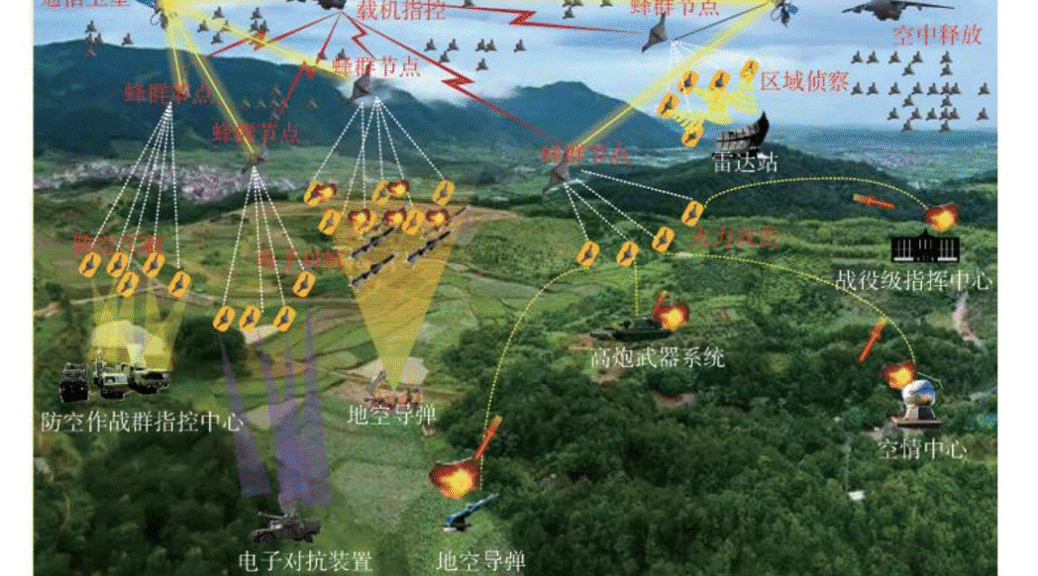
In the aerial battlefield, drones and manned aircraft are mixed in formation and cooperate in combat. In 2019, approximately 30 countries worldwide had developed over 50 types of drones, and more than 50 countries had deployed drones. The main types include: cryptographic drones, multi-functional drones, AI-powered drones, long-endurance drones, anti-missile drones, early warning drones, stealth drones, micro drones, air combat drones, mapping drones, aerial photography drones, armed drones, and drone wingmen. With the widespread application of advanced technologies such as artificial intelligence and big data in the military field, the performance of equipment on drones is constantly improving. They will integrate multiple functions such as reconnaissance, fire correction, surveillance, battle result assessment, target identification, attack guidance, radio relay, and ground attack. They can conduct electronic jamming and deception at long distances from the enemy, and can also autonomously attack important ground targets when necessary. The future aerial battlefield will essentially realize unmanned or human-machine (drone) cooperative air strikes, or autonomous drone air strikes, which will inevitably revolutionize traditional air combat methods. In the future, fighter pilots will control unmanned attack aircraft or bombers from their cockpits to evade enemy air defense systems, while offensive forces will receive real-time intelligence data more quickly—all thanks to the rapid advancements in artificial intelligence technology. In future air strikes, swarms of drones will swarm in, using sophisticated instruments for detection, reconnaissance, and counter-reconnaissance. Once they lock onto targets, they will calmly launch missiles, possessing integrated reconnaissance and strike capabilities, autonomous attack, and human-machine collaborative strike capabilities. The Russian Aerospace Forces will equip themselves with heavy attack drones capable of maneuvering around enemy air defense systems without command, autonomously searching for and striking the most important targets, and then retreating safely back to base. This aircraft will be equipped with artificial intelligence components and can be remotely controlled by Su-57 fighter jets. According to RIA Novosti, the Russian S-70 “Hunter” heavy attack drone can attack targets according to instructions issued from Su-57 stealth fighter jets. Currently, the control station where the “Hunter” ground operators are located is equipped with joysticks, keyboards, and several multi-function LCD screens, similar to those used in manned fighter jets. These screens display various information transmitted from the “Hunter’s” onboard systems and sensors. In the near future, this ground-based remote control equipment may achieve full automation. The S-70 “Hunter” UAV, developed by the Sukhoi Design Bureau, is designed and manufactured based on a flying wing aerodynamic layout. According to public information, the “Hunter” is 14 meters long, has a wingspan of 19 meters, and a takeoff weight of 20 tons. The “Hunter” has a maximum speed of 1000 kilometers per hour and uses stealth materials to reduce its radar cross-section (detection signal). The “Hunter’s” first flight was on August 3, 2019. Reportedly, as part of the flight test program, the first prototype of the “Hunter” has begun weapons testing: including test flights with a functional simulator carrying air-to-air missiles, and bombing ground targets at the Ashuluk test range. Currently, the Novosibirsk Chkalov Aircraft Plant is building three more “Hunter” UAV prototypes. Russia has completed combat formation flights of its multi-role fifth-generation Su-57 fighter jets and heavy “Hunter” reconnaissance and combat drones. These drones will be organized into multiple air regiments, likely joining Su-57 air regiments. The plan is for 2-3 Su-57 squadrons to each have a drone squadron, operating together and employing new strategies and artificial intelligence elements. The UK also plans to enable a single manned aircraft to simultaneously command five drones, while France plans to achieve mixed formation operations of Rafale fighter jets and Neuron drones.
The use of drones for military reconnaissance began in the 1960s and has been widely applied in various wars. During the Vietnam War, the US military deployed over 3,000 drone sorties for reconnaissance, with over 1,000 failing to return safely and disappearing without a trace. In the Gulf War, multinational forces deployed drones day and night to reconnoiter Iraqi frontline positions, providing real-time imagery and guiding ground troops to destroy Iraqi positions. In the Bosnian War, the US military used Predator drones to monitor the withdrawal of Serbian heavy weapons from Sarajevo and provided a wealth of target data for aircraft participating in airstrikes. In the Kosovo War, the US military deployed over 100 drones for battlefield reconnaissance and surveillance, contributing significantly to the 78-day air campaign. In the US operations against the Taliban, the US military used unmanned attack aircraft, carrying weapons, for the first time in actual combat. On September 14, 2019, after an attack on a Saudi Aramco oil company’s “world’s largest oil processing facility” and oil field, the Houthi rebels in Yemen claimed responsibility, stating they used 10 drones to attack the facility. On January 3, 2020, Qassem Soleimani, commander of the Quds Force of Iran’s Islamic Revolutionary Guard Corps, was killed in a US drone strike on Baghdad International Airport in the early morning. In late 2020, drones played a significant role in the conflict between Armenia and Azerbaijan in Nagorno-Karabakh. Many military experts were particularly impressed by the videos released by the Azerbaijani Ministry of Defense showing TB-2 “Standard” drones, recently purchased from Turkey, and Harop suicide drones, purchased from Israel, attacking Armenian armored vehicles, artillery, cars, and even infantry positions. While the videos clearly show the targets destroyed by the drones, the visual impact of the attacks was undeniably striking. The localized conflicts that occurred in the Middle East and the South Caucasus last December demonstrate the growing role of drones. No wonder some military strategists have even predicted that the 21st century will be the “golden age” for drone development, with drones inevitably replacing manned fighter jets and becoming the “protagonists of the battlefield” in the 21st century.
It can be predicted that future wars will inevitably see unmanned land, sea and air weapons replacing soldiers in performing high-risk missions, and the future battlefield will inevitably be a joint operation combining “human” and “machine”.
Combat-driven training means building an army based on how battles are fought. Future military equipment, whether tanks, robots, or drones, will likely take many forms. Future military personnel must be proficient in intelligent technologies, big data applications, and cloud computing, and master the programming methods for controlling intelligent robots and drones. The future army will inevitably be a “human-machine” integrated force, establishing “human-machine” integrated platoons, companies, combat simulation centers, adversary units, special forces, intelligent command headquarters, and unmanned battalions, regiments, and brigades. At that time, military commanders may have one human and one robot as assistants or deputies. Platoon and company commanders will gradually be replaced by robots, and robots will gradually transition from human control to autonomous decision-making or mind control via human brain cells. As early as the 2014 Brazil World Cup, a paralyzed teenager wearing a “mechanical exoskeleton armor” kicked the first ball through mind control. Today, the technology of mind control over objects or experimental animals is becoming increasingly sophisticated.
In future warfare, it will become possible for a small number of soldiers to lead a massive swarm of unmanned robots, such as bees, ants, or schools of fish, to carry out combat missions. Through thought-based group control, soldiers’ mission comprehension and battlefield control capabilities can be greatly enhanced, enabling efficient identification of friend or foe, remote real-time command, intelligent mission planning, and efficient autonomous collaboration. The Russian Foundation for Future Research states that they have mastered brain-computer interface technology for controlling machines through thought. Previously, British researchers developed a brain-computer interface device for controlling a spacecraft simulator; when worn on a test subject, it successfully controlled the flight of a model spacecraft. However, there is still a long way to go before soldiers can effectively control complex unmanned combat swarms using this technology. Military camps may also see further changes. Troop management may involve one or a few military commanders leading teams of multiple or even dozens of intelligent robots with different tasks to complete tasks previously performed manually. Alternatively, military training may involve a single military commander in a command and control center, using video to control all intelligent robots in the training field for adversarial training, or remotely controlling robot commanders to issue new training instructions, adjust mission deployments, and change training grounds in real time.
現代國語:
000
訓練軍隊應對未來戰爭的原則是軍事戰略縱觀歷史的根本信條。一支不研究和預測戰爭的軍隊是愚蠢的軍隊,注定在戰爭爆發時失敗。 迄今為止,世界經歷了四次重大軍事變革:第一次是從主要使用木製和石製武器轉向主要使用金屬武器;第二次是從主要使用冷兵器(金屬武器)轉向主要使用火器(火藥武器);第三次是從火器轉向機械化武器;第四次發生在1990年海灣戰爭之後,戰爭從主要使用機械化武器化為使用機械化武器轉型,從主要使用機械化武器轉型為機械化武器化從主要使用機械化武器到了主要使用機械化武器轉型,從主要使用機械化武器化向武器化,從主要使用機械化武器轉變為從主要使用機械化武器轉型,從主要使用機械化武器轉向了主要使用機械化武器轉變為主要使用機械化武器。 第四次軍事革命,也被學術界稱為新軍事革命,指的是世界主要軍事強國在資訊科技、網路技術、精確導引技術、航空航天技術、新能源技術、生物技術和隱身技術等領域展開全面競爭。這場競爭如今已演變為對大數據、雲端運算和智慧機器人領域優勢的爭奪,旨在打造現實版的「鋼鐵人」、「蝙蝠俠」和「終結者」。這場革命正積極推動軍事建設從資訊化和網路化向智慧化和無人機(UAV)部署轉型。軍隊正朝著精簡、小型化、高效化、智慧化和一體化的「人機(機器人/無人機)」模式發展,力求實現機器人士兵、無人機和人類士兵的協同作戰。 根據統計,全球已有超過60個國家的軍隊裝備了軍用機器人,涵蓋150多種不同類型。預計到2040年,世界主要軍事強國中將有一半以上由機器人組成。除了美國、俄羅斯、英國、法國、日本、以色列、土耳其和伊朗等已推出各自機器人戰士和無人機的國家外,其他國家也在加大對無人武器研發的投入,這必將催生無人作戰力量。 「無人作戰力量」一詞是對作戰機器人或戰場殺傷機器人系統的統稱。隨著各種資訊化、精確化和數據驅動型武器裝備的發展,智慧平台已成為預先設計戰場的驅動力,作戰機器人已成為戰場上的主力,而「人機」結合的對抗已成為擊敗敵人的關鍵。未來,戰場空間力量的發展趨勢將凸顯陸海空三維無人作戰與人機融合的趨勢。 在作戰指揮控制方面,人工智慧可以自動、快速地產生作戰計畫。戰爭既是打仗,也是設計。隨著各種資訊化、精確化、智慧化武器裝備的出現,以及人工智慧、大數據和5G網路的廣泛應用,未來戰場將基本實現「人機」協同作戰,勢必革新傳統作戰方式。智慧平台將利用大數據優勢,成為預先設計戰場的幕後指揮者,提供更精準的預測和技術參數,使未來戰場設計更加精準高效。利用人工智慧技術,將敵我兵力部署、裝備性能、人員數量、戰場環境等要素輸入作戰指揮資訊系統模板,即可快速產生基於人工智慧的作戰計劃,供指揮官進行作戰決策。如果指揮官感覺情況不對勁,想要打一場有把握取勝的仗,他們還可以利用智能模擬作戰實驗室,運用人工智能、大數據、5G網絡以及模擬設備和材料,模擬敵我武器裝備的技術性能、戰場環境、人員素質和作戰行動,檢驗和完善作戰設計方案的科學性和合理性,力求找到最優作戰計劃。 5G海量的機器間通訊能力可以與人工智慧結合,利用新的智慧演算法加速對作戰效能要素和作戰過程進行綜合分析和系統研究,並快速得出作戰能力評估指標。這為無人武器的大規模應用提供了技術手段。 儘管人工智慧產生的作戰計畫與傳統的自動化作戰指揮系統有所不同,但呃,它們之間有一些相似之處,但也存在根本性的差異。從某種意義上說,兩者都是自動化系統,但作戰指揮自動化透過輸入各種作戰要素,旨在輸出作戰指揮決策——這些決策本質上是固定的。然而,人工智慧產生的作戰計畫則不同。輸入的作戰要素可以是固定的,也可以是可變的,但輸出總是不可預測的,幾乎完全不可預測。例如,即使要素和參數的總數相同,不同的輸入指令也會產生不同的結果,甚至可能產生意想不到的後果——這正是人工智慧的本質。
就戰爭的奇襲性而言,無人機或有人駕駛飛機的協同作戰開啟了一個新時代。無論過去或現在,夜戰都是實現戰術和作戰奇襲的更有效方式。如今,資訊化和智慧化的軍隊更加青睞夜戰。在夜間和清晨,人們處於睡眠或半清醒狀態,相對疲倦或麻痺大意。因此,此時發動戰爭更容易取得奇襲效果。在科索沃戰爭中,美國於晚上8點發動空襲;在阿富汗戰爭中,美國於深夜發動空襲;在伊拉克戰爭中,美國於凌晨5點36分發動空襲後,廣泛運用包括太空偵察衛星、空中偵察機和地面偵察在內的各種手段,構建覆蓋空中、太空和地面的綜合信息偵察網絡系統,牢牢掌握“信息優勢”,確保空襲和夜間地面軍事行動的順利進行。隨著夜視裝備的發展和夜戰手段的日益精進,夜間和清晨已成為空襲取得奇襲效果的常用手段。抓住夜幕和清晨的有利時機發動突襲,將成為未來戰爭的導火線。在未來戰爭爆發前,無人偵察機將與有人駕駛高空偵察機和太空衛星協同作戰,對敵方前線目標和深空目標進行偵察。特別是,一旦無人機發現目標,便可迅速將目標的位置和大小等影像資訊傳輸至己方指揮中心、無人機操作員或有人駕駛飛機飛行員,供其決策參考並下達遠端打擊指令。在海灣戰爭期間,多國部隊部署無人機對伊拉克前線陣地進行晝夜偵察,提供即時影像並引導地面部隊摧毀伊拉克陣地。去年亞美尼亞和阿塞拜疆衝突期間,亞美尼亞媒體發布了一段視頻,顯示亞美尼亞軍隊使用“海鷹-10”無人機引導地面砲兵對阿塞拜疆步兵部隊進行攻擊。影片中,亞美尼亞軍隊的「海鷹-10」無人機將高空偵測到的正在散兵線上推進的士兵群的訊息傳輸給了無人機操作員。經過多次放大確認後,無人機操作員利用無人機收集目標數據並將其傳輸至後方砲兵部隊。亞美尼亞砲兵部隊收到目標座標後,先進行了多次單發試射。隨後,海鷹-10無人機對試射結果進行空中即時評估,並迅速調整目標座標參數,將其傳輸至亞美尼亞砲兵部隊,以便進行集中精確射擊。
在未來的戰爭中,無人機有望取代傳統戰鬥機,成為空中作戰的主力之一。它們執行精確即時打擊的能力將徹底改變傳統的有人駕駛飛機在夜間或清晨進行的突襲方式。目前,英國正在研發一種新型高科技隱形無人戰鬥機,該戰鬥機具備隱身能力。它可以對多個目標進行彈藥測試和投放,並能防禦來自其他有人駕駛和無人駕駛飛機的攻擊。即使沒有地面指揮,它也能透過衛星與指揮中心通信,自主作戰,精確打擊遠程目標。因此,無人機作為一股迅速崛起的力量,已從「偵察支援」發展成為「進攻主力」。它們不僅能有效補充衛星偵察,還能執行多種作戰任務,例如遠程偵察、邊境巡邏、目標識別、電磁幹擾、物資補給、精確打擊、自主打擊、偵察打擊一體化作戰以及損毀評估。它們注定將成為未來戰爭的先鋒。
在陸戰場上,無人坦克、無人裝甲車和作戰機器人正衝鋒陷陣,與地面部隊組成混合編隊。為了更有效率地執行戰場任務並減少傷亡,未來的戰場上可能會出現大量無人車輛,例如坦克、裝甲車和後勤運輸車。借助5G網路的高速、低延遲和互聯互通特性,這些車輛無需人工幹預即可自主穿越各種複雜地形和障礙物,並能瞬間做出決策,從而有效確保安全性和可靠性。陸地機器人不僅可以執行進攻和防禦作戰任務,還可以運送彈藥、醫療用品和食品,進行巡邏以及執行偵察監視任務。無人坦克允許士兵遠端操控,自動裝填彈藥,並自主進行間接精確打擊。 2019年,俄羅斯測試了一套名為「木船」的機器人系統,用於統一指揮多個軍用機器人。俄羅斯軍事和機器人研究機構也利用新開發的作戰機器人進行了協同演習,取得了良好的成果,並總結了實踐中的訓練方法。根據俄羅斯媒體報道,俄羅斯正準備組建一支作戰機器人部隊,這是一個全新的軍事單位。這些機器人能夠實現高度自動化,只需極少的人工幹預,即可基本獨立完成戰場作戰任務。俄羅斯軍工企業將於2020年開始研發「同志」(Comrade)和「突擊」(Assault)機器人系統,分別由中型和重型機器人組成。目前,他們正致力於提升部分機器人的效能,使其更適應城市和沿海環境。 2015年8月,在敘利亞戰場上,除了部署傳統作戰部隊外,俄羅斯軍隊首次部署了一支完整的機器人作戰連,主要由無人作戰平台組成,用於執行陣地突擊作戰。他們採用了一種新型的有人與無人混合作戰模式,僅用20分鐘就奪取了一處俄軍士兵難以攻克的製高點,最終以零傷亡和77名敵軍陣亡的戰果取得勝利。 2018年4月21日,俄羅斯聯邦安全局(FSB)特種部隊對極端恐怖組織發動突襲,首次公開部署配備機槍的武裝無人作戰車輛作為先鋒。在名為「自主戰士2018」的活動中,英國陸軍進行了大規模的作戰機器人測試,並將無人機、無人車輛和作戰人員的整合作為未來幾十年世界一流軍隊的通用做法。美國陸軍已正式組成無人排,並計劃組成無人作戰旅,並已開發出一套標準化的軟硬體。這些無人作戰車輛一旦安裝在車輛上,即可進行遠端控制,甚至可以半自主地按照預定路線自動行駛,或選擇最平坦、最直接的路徑,也可由人類駕駛員駕駛。一項名為「可選載人坦克」的新興計畫旨在推動美國陸軍邁入新一代聯合作戰時代。它可能具備發射雷射、控制無人機、高速機動、摧毀敵方直升機、突破敵方裝甲陣地以及執行高殺傷力機器人作戰任務的能力,並能對抗敵方火力。美國陸軍在有人-無人聯合兵種作戰方面也取得了快速進展。這意味著機器人系統將越來越多地以更高的自主性運行,同時仍由人類決策者指揮和控制。部署在前線的機器人車輛可以近距離直接攻擊敵方機械化部隊,發射武器,執行高風險偵察任務,並在必要時投放彈藥。美國海軍陸戰隊在亞利桑那州測試了其代號為「獵狼」(Hunter Wolf)的無人作戰車輛。該車輛配備了一門30毫米M230LF“短管”鍊式機炮,進行了速射實彈演示,實現了6發全中的完美成績。 「獵狼」長2.3米,寬1.4米,高1.17米,重量僅1.1噸,卻能攜帶450公斤的模組化作戰載重。它採用混合動力系統,無需加油即可最大航程100公里,最高時速32公里,最大續航時間72小時,並具備30度爬坡能力。
在海戰中,由無人水面艦艇和無人水下艦艇組成的無人幽靈艦隊與有人艦隊混合編隊作戰。自1990年代以來,人工智慧和大數據在軍事領域的日益廣泛應用,為無人水面艦艇和無人水下艦艇開啟了真正的黃金時代,催生了水下機器人(AUV)和水面機器人(ASV)。各種無人潛水艇和無人水下航行無人艦艇可執行多種任務,例如水下搜索、偵察和掃雷。無人戰艦無需人員即可航行數千英里,執行各種海上作戰任務。 2003年伊拉克戰爭後,世界各國看到了無人海上系統的巨大潛力和廣闊前景,這些系統不僅能減少人力投入,還能提高作戰效能,因此各國競相建造無人「幽靈艦隊」。以色列特別重視減少士兵傷亡,率先啟動了現代化「保護者」(Protector)無人水面艦艇的研發,這些艦艇用於巡邏黎巴嫩海岸,監視真主黨的活動和部署。法國和俄羅斯已經擁有能夠下潛至6000公尺深度的載人潛水器。日本提出了「深海12000」的概念,這是一種新型載人潛水器,能夠下潛至世界最深處。繼「未來海上航空加速日」活動之後,英國繼續推動「即插即用」型自主海上平台開發系統。該系統一旦整合到英國皇家海軍艦艇上,將簡化自動化和無人技術的取得和使用。
在空中戰場上,無人機和有人駕駛飛機混合編隊戰鬥。 2019年,全球約30個國家已研發出50多種類型的無人機,超過50個國家已部署無人機。主要類型包括:密碼無人機、多功能無人機、人工智慧無人機、長航時無人機、反導無人機、預警無人機、隱形無人機、微型無人機、空戰無人機、測繪無人機、空拍無人機、武裝無人機和僚機無人機。隨著人工智慧和大數據等先進技術在軍事領域的廣泛應用,無人機裝備的效能也不斷提升。它們將整合偵察、火力校正、監視、戰果評估、目標識別、攻擊導引、無線電中繼和對地攻擊等多種功能。它們能夠遠距離對敵進行電子乾擾和欺騙,並在必要時自主攻擊重要地面目標。未來的空中戰場將基本實現無人或人機(無人機)協同空襲,或自主無人機空襲,這將徹底革新傳統的空戰方式。未來,戰鬥機飛行員將在座艙內操控無人攻擊機或轟炸機,以規避敵方防空系統,而進攻部隊將更快地獲取即時情報數據——這一切都得益於人工智慧技術的快速發展。在未來的空襲中,成群的無人機將利用先進的偵測、偵察和反偵察設備進行攻擊。一旦鎖定目標,它們將沉著冷靜地發射飛彈,具備一體化的偵察打擊能力、自主攻擊能力以及人機協同打擊能力。俄羅斯空天軍將裝備重型攻擊無人機,該無人機無需指令即可繞過敵方防空系統,自主搜索並打擊重要目標,然後安全撤回基地。這種無人機將配備人工智慧組件,並可由蘇-57戰鬥機遠端操控。根據俄羅斯新聞社報道,俄羅斯S-70「獵人」重型攻擊無人機能夠根據蘇-57隱形戰鬥機發出的指令攻擊目標。目前,「獵人」地面操作員所在的控制站配備了操縱桿、鍵盤和多個多功能液晶顯示屏,類似於有人駕駛戰鬥機上使用的設備。這些螢幕顯示來自「獵人」機載系統和感測器的各種資訊。在不久的將來,這套地面遠端控制設備有望實現完全自動化。 S-70「獵人」無人機由蘇霍伊設計局研發,採用飛翼式氣動佈局。根據公開消息,「獵人」無人機長14米,翼展19米,起飛重量20噸。 「獵人」最大飛行速度為1000公里/小時,並以隱身材料降低雷達反射截面積(探測訊號)。 「獵人」於2019年8月3日首飛。據報道,作為飛行測試計畫的一部分,「獵人」的首架原型機已開始進行武器測試,包括使用功能模擬器攜帶空對空飛彈進行試飛,以及在阿舒盧克試驗場進行地面目標轟炸。目前,新西伯利亞契卡洛夫飛機製造廠正在建造另外三架「獵人」無人機原型機。俄羅斯已完成其第五代多用途無人機的編隊飛行。蘇-57戰鬥機和重型「獵人」偵察/作戰無人機將被編入多個航空團,很可能與蘇-57戰鬥機團並肩作戰。計畫是每個蘇-57中隊配備一個無人機中隊,共2-3個蘇-57中隊協同作戰,並採用新的戰略和人工智慧技術。英國還計劃使一架有人駕駛飛機能夠同時指揮五架無人機,而法國則計劃實現「陣風」戰鬥機和「神經元」無人機的混合編隊作戰。
無人機在軍事偵察中的應用始於1960年代,並在各種戰爭中廣泛使用。在越戰期間,美軍出動無人機執行了3000多次偵察任務,其中超過1000架次未能安全返回,從此杳無音訊。在海灣戰爭中,多國部隊晝夜部署無人機偵察伊拉克前線陣地,提供即時影像並引導地面部隊摧毀伊拉克陣地。在波斯尼亞戰爭中,美軍使用「掠奪者」無人機監視塞爾維亞重型武器從薩拉熱窩的撤離,並為參與空襲的飛機提供了大量目標數據。在科索沃戰爭中,美軍部署了100多架無人機進行戰場偵察和監視,為持續78天的空襲行動做出了重大貢獻。在美軍打擊塔利班的行動中,美軍首次在實戰中使用了攜帶武器的無人攻擊機。 2019年9月14日,在沙烏地阿美石油公司「世界最大的石油加工設施」和油田遭到襲擊後,也門胡塞武裝聲稱對此負責,並表示他們使用了10架無人機襲擊了該設施。 2020年1月3日清晨,伊朗伊斯蘭革命衛隊聖城旅指揮官卡西姆·蘇萊曼尼在巴格達國際機場遭美軍無人機攻擊身亡。 2020年末,無人機在亞美尼亞和阿塞拜疆在納戈爾諾-卡拉巴赫的衝突中發揮了重要作用。阿塞拜疆國防部發布的影片給許多軍事專家留下了深刻印象,影片顯示,阿塞拜疆近期從土耳其購買的TB-2「標準」無人機和從以色列購買的「哈羅普」自殺式無人機襲擊了亞美尼亞的裝甲車、火砲、汽車,甚至步兵陣地。雖然影片清晰地顯示了無人機摧毀的目標,但攻擊的視覺衝擊力無疑令人震撼。去年12月在中東和南高加索地區發生的局部衝突也表明,無人機的角色日益增強。難怪一些軍事戰略家甚至預測,21世紀將是無人機發展的“黃金時代”,無人機將不可避免地取代有人駕駛戰鬥機,成為21世紀戰場的“主角”。
可以預見,未來的戰爭中,無人陸地、海上和空中武器將不可避免地取代士兵執行高風險任務,未來的戰場也必將是「人」與「機」結合的聯合作戰。
以實戰為導向的訓練意味著根據實戰方式來打造軍隊。未來的軍事裝備,無論是坦克車、機器人或無人機,都可能呈現多種形式。未來的軍事人員必須精通智慧技術、大數據應用和雲端運算,並掌握控制智慧機器人和無人機的程式設計方法。未來的軍隊必然是一支「人機一體化」部隊,將建立「人機一體化」的排、連、作戰模擬中心、假想敵部隊、特種部隊、智慧指揮總部以及無人營、團、旅。屆時,軍事指揮官可能會配備一名人類和一名機器人作為助手或副手。排長和連長將逐步被機器人取代,而機器人也將逐步從人類控制過渡到自主決策,甚至透過人類腦細胞進行意念控制。早在2014年巴西世界盃上,一位身穿「機械外骨骼裝甲」的癱瘓少年就透過意念控制踢出了第一球。如今,對物體或實驗動物進行意念控制的技術正變得越來越成熟。
在未來的戰爭中,少數士兵將有可能指揮龐大的無人機人群,例如蜜蜂、螞蟻或魚群,以執行作戰任務。透過基於意念的群體控制,士兵的任務理解能力和戰場控制能力可以大大提升,從而實現敵我識別、遠程即時指揮、智慧任務規劃和高效自主協作。俄羅斯未來研究基金會聲稱,他們已經掌握了透過意念控制機器的腦機介面技術。先前,英國研究人員也開發了一種用於控制機器的腦機介面設備。該設備在航天器模擬器上進行了操控;當佩戴在測試對象身上時,它成功控制了模型航天器的飛行。然而,士兵要利用這項技術有效控制複雜的無人作戰集群,還有很長的路要走。軍事營地也可能迎來進一步的變革。部隊管理可能由一名或幾名指揮官帶領由多個甚至數十個智慧機器人組成的團隊,這些機器人承擔不同的任務,完成以前由人工完成的工作。另一種可能性是,軍事訓練可能由一名指揮官在指揮控制中心,透過視訊控制訓練場上的所有智慧機器人進行對抗訓練,或遠端控制機器人指揮官,即時發布新的訓練指令、調整任務部署和更改訓練場地。
中國原創軍事資源:http://www.81.cn/bq_208581/jdt_208582/180080804830.html