Category Archives: #informatization

Future Proofing China’s National Defense & Military An Important Aspect of Chinese-style Modernization

面向未來的中國國防和軍隊是中國式現代化的重要面向

現代英語:
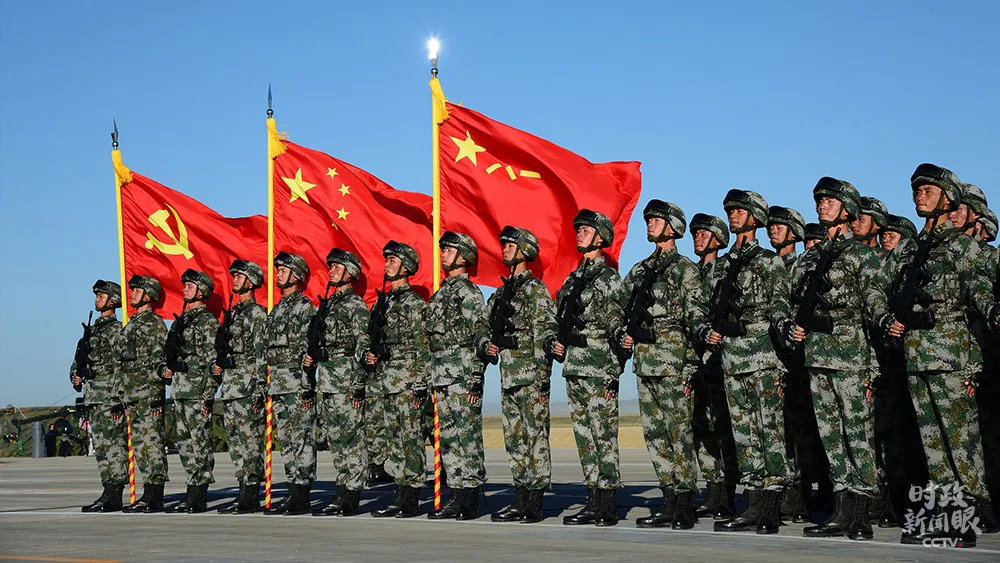
Soldiers are a major event for the country. In the great journey of “building a powerful country and rejuvenating the nation, and against the background of the accelerated evolution of major changes unseen in the world in a century, building and consolidating national defense and a strong people’s army are directly related to the future and destiny of the country and the nation”. The Third Plenary Session of the 20th Central Committee of the Communist Party of China pointed out that “national defense and military modernization are important components of Chinese-style modernization”, which fully reflects the great importance that the Party Central Committee with Comrade Xi Jinping as the core attaches to national defense and military construction, and provides guidance for national defense and military modernization on the new journey. Modernization points out the direction.

  The modernization of the national defense and military is the security guarantee and strategic support for Chinese-style modernization

  ”If you fall behind, you will be beaten. Only when the army is strong can the country be safe”. Without a strong army, there can be no strong state. After the Opium War in 1840, modern China was repeatedly defeated in its battles with Western powers. The vast country gradually became a semi-colonial and semi-feudal society, with the country humiliated, the people in trouble, and civilization in dust. History has inspired us that the Chinese nation’s emergence from suffering and the liberation of the Chinese people depend on a heroic people’s army; to comprehensively promote the great cause of building a powerful country and national rejuvenation with Chinese-style modernization, we must place national defense and military modernization as a barrier to national security, plan and deploy in strategic positions based on career development, and accelerate the construction and consolidation of national defense and a strong people’s army.

  The modernization of the national defense and military is closely linked and internally unified with Chinese-style modernization. Without the modernization of national defense and the military, there would be no Chinese-style modernization. Comrade Mao Zedong once profoundly pointed out “the original requirements for building socialism were industrial modernization, agricultural modernization, scientific and cultural modernization, and now we must add national defense modernization”; Comrade Deng Xiaoping also emphasized “four modernizations, one of which is national defense modernization”, these all reflect the great importance our party attaches to national defense and military construction.

  Since the 18th National Congress of the Communist Party of China, President Xi has always adhered to the integrated operation of strengthening the country and the military, put national defense and military modernization in the chess game of Chinese-style modernization, and opened up the road to strengthening the military with Chinese characteristics, forming a new strategy for national defense and military modernization by 2027, 2035, and the middle of this century, a new “three-step” strategy for national defense and military modernization that connects near, medium and long-term goals Created a new situation in the cause of strengthening the military. Guided by the party’s goal of strengthening the military in the new era, we will comprehensively implement the strategy of reforming and strengthening the military, promote the reform of the leadership and command system, the reform of scale structure and force organization, and the reform of military policies and systems. Our military’s organizational structure will achieve historic changes, and the force system will achieve revolutionary changes. Reshaping, the basic framework of the socialist military policy system with Chinese characteristics has been constructed and formed. Our military system has been completely new, its structure has been completely new, its pattern has been completely new, and its appearance has been completely new It has laid a solid foundation for the modernization of national defence and the army.

  Military means, as a means of guaranteeing the realization of great dreams, can only stop a war if it can be fought. The current and future periods are critical periods for comprehensively promoting the great cause of building a powerful country and rejuvenating the nation through Chinese-style modernization, and will inevitably encounter various risks, challenges and even turbulent waves. We must comprehensively modernize our national defense and military, build the People’s Army into a world-class military, effectively guarantee Chinese-style modernization, and safeguard national sovereignty, security, and development interests.

   Comprehensive and accurate grasp of the scientific connotation of national defense and military modernization

  Since the 18th National Congress of the Communist Party of China, President Xi has issued a series of important expositions around “Chinese-style modernization”, summarizing the Chinese characteristics, essential requirements and major principles for the formation of Chinese-style modernization, building a theoretical system for Chinese-style modernization, and promoting the new era and new journey. Chinese-style modernization provides scientific guidance and also carries out strategic design and scientific deployment for national defense and military modernization.

  The most fundamental thing about modernizing the national defense and military is to uphold the absolute leadership of the party over the military. The leadership of the Party is the fundamental guarantee of Chinese-style modernization, which determines the fundamental nature of Chinese-style modernization, and it must also determine the fundamental nature of national defense and military modernization. To promote the modernization of national defense and the military on the new journey, we must fully implement a series of fundamental principles and systems for the party to lead the people’s army, comprehensively and thoroughly implement the chairman’s responsibility system of the Military Commission, and effectively unify thoughts and actions into the decisions and arrangements of the Party Central Committee and President Xi; Adhere to the party’s management of cadres and talents, and highlight political standards and combat capabilities Ensure that the barrel of the gun is always in the hands of those who are loyal and reliable to the party; improve the comprehensive and strict governance of the party system, enhance the political and organizational functions of party organizations at all levels, and integrate the party’s leadership throughout the entire process of continuing to deepen national defense and military reforms in all aspects.
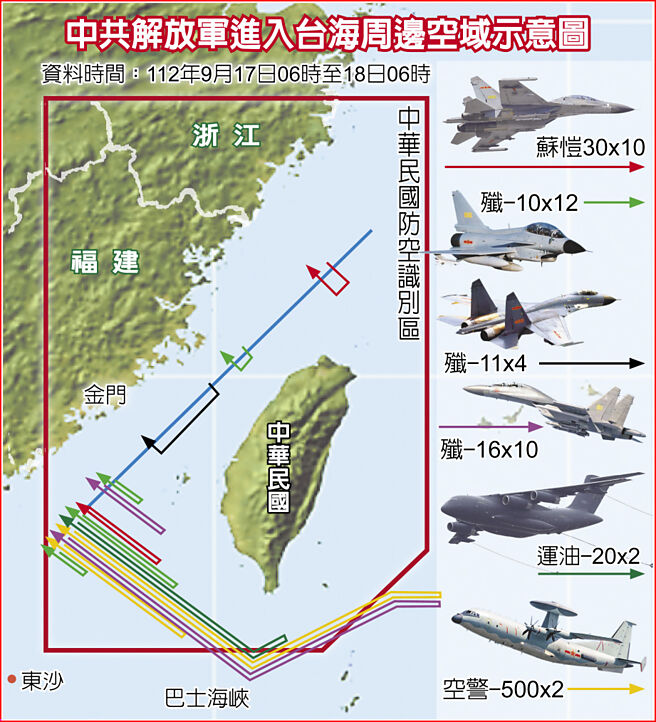
  To modernize national defense and the military is to modernize military doctrine, military organization, military personnel, and weapons and equipment. This reflects the inherent requirements for the construction of military forces resulting from changes in the concept of victory in modern warfare, elements of victory and methods of victory, and clarifies the main signs of the basic realization of national defence and military modernization. To realize the modernization of military theory is to keep pace with the times, innovate war and strategic guidance, and form a military theoretical system that is contemporary, leading, and unique; to realize the modernization of organizational form is to deepen the reform of national defense and the military, and the military force structure layout is scientific and reasonable, strategic deterrence capabilities are consolidated and improved, new areas and new quality combat forces continue to grow, and elite operations, system support, and joint victory have become the basic application models; To realize the modernization of military personnel is to deeply implement the strategy of strengthening the military with talents in the new era, promote the comprehensive transformation and upgrading of military personnel’s capabilities, structural layout, and development management, and forge high-quality, professional new military talents with both ability and political integrity; to realize the modernization of weapons and equipment, It is necessary to focus on strengthening national defense scientific and technological innovation and accelerating the development of strategic, cutting-edge and disruptive technologies Accelerate the upgrading of weapons and equipment and the development of intelligent weapons and equipment.

  For the modernization of national defence and the military, we must adhere to the integrated development of mechanization, informatization and intelligence. The military conflicts and local wars that have taken place in recent years have shown that new qualitative combat capabilities generated based on intelligent combat systems are increasingly becoming core military capabilities. Based on mechanization, dominated by informatization, and oriented by intelligence, the three superimpose, penetrate, and support each other, jointly giving rise to new forms of warfare and methods of warfare. Only by accelerating the integrated development of mechanization, informatization and intelligence and keeping up with the new military revolutionary trends in the world can we seize the opportunity and take the initiative in seizing the commanding heights of the military struggle.

  The modernization of national defence and the army is a guarantee of security for insisting on the path of peaceful development. Since ancient times, soldiers have not been warlike. Chinese-style modernization is modernization on the path of peaceful development. Building a consolidated national defense and a strong military commensurate with international status and national security and development interests is a strategic task of China’s socialist modernization drive and an insistence on taking the path of peaceful development. Safety guarantee is an inevitable choice for summarizing historical experience. China has always pursued a defensive defence policy and adhered to the strategic idea of active defence, and no matter how far it develops, China will never seek hegemony or engage in expansion. To promote the modernization of national defense and the military on the “new journey”, we must faithfully implement the concept of a community with a shared future for mankind, resolutely oppose all forms of hegemony and bullying, and contribute China’s strength to building a beautiful world of lasting peace and universal security.

   Advancing the modernization of national defence and the military at a new historical starting point

  The Third Plenary Session of the 20th Central Committee of the Communist Party of China included “continuous deepening of national defense and military reforms into the overall plan for further comprehensive deepening of reforms, and made a series of major strategic arrangements for improving the leadership and management system and mechanism of the people’s army, deepening the reform of the joint operations system, and deepening cross-military and civilian reforms”. On the new journey, we must deeply understand and grasp the themes, major principles, major measures, and fundamental guarantees for further comprehensively deepening reforms, resolutely implement the new “three-step” strategy for national defense and military modernization, and accelerate the modernization of military theory, military organizational form, and military personnel. Modernize and modernize weapons and equipment, and lead the modernization of national defense and the military to move forward with better strategies, higher efficiency, and faster speed.

  Strengthening the Party’s theoretical and scientific leadership in military guidance. Our party insists on combining the basic principles of Marxism with the practice of building the people’s army, absorbing the essence of China’s excellent traditional military culture, and constantly exploring new realms in the development of contemporary Chinese Marxist military theory and military practice. As an important part of Xi Jinping Thought on Socialism with Chinese Characteristics for a New Era, Xi Jinping Thought on Strengthening the Military has achieved a new leap forward in the Sinicization and modernization of Marxist military theory. It is the fundamental guiding ideology of our party building and military governance in the new era. We must unremittingly arm our minds with Xi Jinping Thought on Socialism with Chinese Characteristics for a New Era, further firmly establish the guiding position of Xi Jinping Thought on Strengthening the Military in national defense and military construction, and build and consolidate national defense and a strong people’s army under the guidance of Xi Jinping Thought on Strengthening the Military. Take new and greater steps on the road to strengthening the military with Chinese characteristics.

  Efforts should be made to make the main responsibility and business of war preparation more solid and effective. The People’s Army is an armed group that performs the party’s political tasks. It must be both politically strong and capable. In the final analysis, this ability can win wars. To accelerate the modernization of national defense and the military, we must firmly grasp the fundamental direction of winning wars, establish the only fundamental standard of combat effectiveness, focus all our energy on fighting wars, and work hard on fighting wars. Conscientiously implement the military strategic policy for the new era, operate war preparation and cessation, deterrence and actual combat, war operations and the use of military forces in peacetime as a whole, innovate strategies, tactics and tactics, effectively shape the situation, manage crises, contain wars, and win wars. Adhere to the principle of “training troops as they fight, and comprehensively improve the actual combat level of military training and the ability to perform missions and tasks”.

  Promote high-quality development of national defense and military construction through “reform and innovation”. Reform is a key move that will determine the growth of our army and its future. On the new journey, we must put innovation at the core of the overall military construction and development, transform development concepts, innovate development models, enhance development momentum, and promote the transformation of national defense and military modernization from quantitative growth to qualitative improvement. Focus on integrating national defense and military construction into the national economic and social development system on a wider scale, at a higher level, and to a deeper extent, continuously improve the quality and efficiency of national defense and military modernization, promote the simultaneous improvement of national defense strength and economic strength, and consolidate and improve the integration National strategic system and capabilities, and constantly write a new chapter of strengthening the country and the military.

現代國語:

時間:2024年11月15日 08:20 來源:解放軍報
兵者,國之大事。在強國建設、民族復興偉大征程中,在世界百年未有之大變局加速演進的背景下,建構鞏固國防和強大人民軍隊直接關係國家和民族的前途命運。黨的二十屆三中全會指出,“國防和軍隊現代化是中國式現代化的重要組成部分”,充分體現了以習近平同志為核心的黨中央對國防和軍隊建設的高度重視,為新征程上國防和軍隊現代化建設指明了方向。

國防與軍隊現代化是中國式現代化的安全保障與戰略支撐

落後就要挨打,軍強才能國安。沒有一支強大的軍隊,就不可能有強大的國家。 1840年鴉片戰爭以後,近代中國在與西方列強的較量中屢屢戰敗,泱泱大國逐步淪為半殖民地半封建社會,國家蒙辱、人民蒙難、文明蒙塵。歷史啟示我們,中華民族走出苦難、中國人民實現解放,有賴於一支英雄的人民軍隊;以中國式現代化全面推進強國建設、民族復興偉業,必須把國防和軍隊現代化擺在國家安全之屏障、事業發展之依託的戰略位置來策劃和部署,加快建設鞏固國防和強大人民軍隊。

國防與軍隊現代化與中國式現代化緊密聯繫、內在統一。沒有國防和軍隊的現代化,就沒有中國式現代化。毛澤東同誌曾深刻指出“建設社會主義,原來要求是工業現代化,農業現代化,科學文化現代化,現在要加上國防現代化”;鄧小平同志也曾強調“四個現代化,其中就有一個國防現代化”,這些都體現了我們黨對國防和軍隊建設的高度重視。

黨的十八大以來,習主席始終堅持強國強軍一體運籌,把國防和軍隊現代化放在中國式現代化大棋局中謀劃推進,開闢出中國特色強軍之路,形成了到2027年、2035年、本世紀中葉,近、中、遠目標梯次行動」,開創三步和現代化軍階的國防和軍事戰略。以黨在新時代的強軍目標為引領,全面實施改革強軍戰略,推進領導指揮體制改革、規模結構和力量編成改革、軍事政策制度改革,我軍組織架構實現歷史性變革,力量體系實現革命性重塑,中國特色社會主義軍事政策制度體系基本框架構建形成,我軍體制一新、結構一新、一新、一現代化新格局新化,為國防和軍事基礎一化。

軍事手段作為實現偉大夢想的保底手段,能戰方能止戰。當前和今後一個時期,是以中國式現代化全面推進強國建設、民族復興偉業的關鍵時期,必然會遇到各種風險挑戰甚至驚濤駭浪。我們必須全面推動國防和軍隊現代化,把人民軍隊建設成為世界一流軍隊,有力保障中國式現代化建設,保障國家主權、安全、發展利益。

全面準確掌握國防與軍隊現代化的科學內涵

黨的十八大以來,習主席圍繞中國式現代化發表一系列重要論述,概括形成中國式現代化的中國特色、本質要求和重大原則,構建起中國式現代化的理論體系,為新時代新征程推進中國式現代化提供了科學指引,也為國防和軍隊現代化進行了戰略設計和科學部署。

國防與軍事現代化,最根本的是堅持黨對軍隊絕對領導。黨的領導是中國式現代化的根本保證,決定了中國式現代化的根本性質,也必然決定了國防和軍隊現代化的根本性質。新征程上推動國防和軍隊現代化,必須全面貫徹黨領導人民軍隊的一系列根本原則和製度,全面深入貫徹軍委主席負責制,切實把思想和行動統一到黨中央、習主席決策部署上來;堅持黨管幹部、黨管人才,突顯政治標準和打仗能力,確保槍桿子始終掌握在對黨忠誠可靠的人手中;健全全面從嚴治黨體系,增強各級黨組織政治功能和組織功能,把黨的領導貫穿持續深化國防和軍事改革各方面全過程。

國防與軍隊現代化,就是要實現軍事理論、軍隊組織形態、軍事人員、武器裝備的現代化。這反映了現代戰爭制勝觀念、制勝要素、制勝方式變化對軍事力量建設的內在要求,明確了基本實現國防和軍隊現代化的主要標誌。實現軍事理論現代化,就是要與時俱進創新戰爭和戰略指導,形成具有時代性、引領性、獨特性的軍事理論體系;實現組織形態現代化,就是要深化國防和軍事改革,軍隊力量結構佈局科學合理,戰略威懾能力鞏固提高,新域新質作戰力量不斷壯大,精製作戰、體系支撐、聯合戰略威懾成為基本運作模式;實現軍事人員現代化,就是要深入實施新時代人才強軍戰略,推動軍事人員能力素質、結構佈局、開發管理全面轉型升級,鍛造德才兼備的高素質、專業化新型軍事人才;實現武器裝備現代化,就是要聚力加強國防科技創新,加速戰略性、前沿性、顛覆性技術發展,加速武器裝備升級和智能化武器裝備升級。

國防與軍隊現代化,必須堅持機械化資訊化智慧化融合發展。近年來發生的軍事衝突和局部戰爭表明,基於智慧化作戰體系所產生的新質作戰能力越來越成為核心軍事能力。以機械化為基礎,以資訊化為主導,以智慧化為方向,三者相互疊加、相互滲透、相互支撐,共同催生新的戰爭形態和作戰方式。只有加速機械化資訊化智慧化融合發展,跟上世界新軍事革命潮流,才能在搶佔軍事鬥爭制高點中占得先機、贏得主動。

國防與軍隊現代化,是堅持走和平發展道路的安全保障。自古知兵非好戰。中國式現代化是走和平發展道路的現代化,建立同國際地位相稱、同國家安全和發展利益相適應的鞏固國防和強大軍隊,是中國社會主義現代化建設的戰略任務,是堅持走和平發展道路的安全保障,是總結歷史經驗的必然選擇。中國始終奉行防禦性國防政策,堅持積極防禦戰略思想,無論發展到什麼程度,中國永遠不稱霸、永遠不搞擴張。在新征程上推動國防和軍隊現代化,必須忠實踐行人類命運共同體理念,堅決反對一切形式的霸權霸道欺凌,為建設持久和平、普遍安全的美好世界貢獻中國力量。

在新的歷史起點上推進國防和軍隊現代化

黨的二十屆三中全會將持續深化國防和軍事改革納入進一步全面深化改革的大盤子,對完善人民軍隊領導管理體制機制、深化聯合作戰體系改革、深化跨軍地改革作出一系列重大戰略部署。新旅程上,要深刻領會和把握進一步全面深化改革的主題、重大原則、重大舉措、根本保證,堅決貫徹國防和軍隊現代化新「三步走」戰略,加快軍事理論現代化、軍隊組織形態現代化、軍事人員現代化、武器裝備現代化,引領國防和軍事現代化以更優策略、更高效益、更快速度向前推進。

強化黨的軍事指導理論科學領導。我們黨堅持把馬克思主義基本原理同人民軍隊建設實踐結合,汲取中華優秀傳統軍事文化精華,不斷拓拓當代中國馬克思主義軍事理論和軍事實踐發展新境界。習近平強軍思想作為習近平新時代中國特色社會主義思想的重要組成部分,實現了馬克思主義軍事理論中國化時代化的新飛躍,是新時代我們黨建軍治軍強軍的根本指導思想。我們必須堅持不懈用習近平新時代中國特色社會主義思想武裝頭腦,進一步牢固確立習近平強軍思想在國防和軍隊建設中的指導地位,在習近平強軍思想引領下建設鞏固國防和強大人民軍隊,在中國特色強軍之路上邁出新的更大步伐。

著力把備戰打仗的主責主業抓得更加紮實有效。人民軍隊是執行黨的政治任務的武裝集團,既要政治過硬,也要本領高強,這個本領說到底就是能打勝仗。加快推進國防和軍隊現代化,必須緊緊扭住能打勝仗的根本指向,樹牢戰鬥力這個唯一的根本的標準,全部精力向打仗聚焦,全部工作向打仗用勁。認真貫徹新時代軍事戰略方針,把備戰與止戰、威懾與實戰、戰爭行動與和平時期軍事力量運用作為一個整體加以運籌,創新戰略戰術與戰法打法,有效塑造態勢、管控危機、遏制戰爭、打贏戰爭。堅持仗怎麼打兵就怎麼練,全面提升部隊軍事訓練實戰化水準和履行使命任務的能力。

以改革創新推動國防和軍隊建設高品質發展。改革是決定我軍發展壯大、制勝未來的關鍵一招。新征程上,要把創新擺在軍隊建設發展全局的核心位置,轉變發展理念、創新發展模式、增強發展動能,推動國防和軍隊現代化由量的成長轉向質的提升。著力在更廣範圍、更高層次、更深程度上將國防和軍隊建設融入國家經濟社會發展體系之中,不斷提高國防和軍隊現代化質量效益,促進國防實力和經濟實力同步提升,鞏固提高一體化國家戰略體系和能力,不斷書寫強國強軍新篇章。

中國原創軍事資源:https://www.mva.gov.cn/sy/zt/zt1/xxgcddsjdjs/qwjd/202411/t20241120_453942888.html
Chinese Military Adhering to Integrated Development of Mechanization, Informatization & Intelligence

中國軍隊堅持機械化、資訊化、智慧化融合發展

現代英語:

Adhere to the integrated development of mechanized informatization and intelligence

——Seriously study, publicize and implement the spirit of the 20th National Congress of the Communist Party of China

The report to the 20th CPC National Congress emphasized “upholding the integrated development of mechanization, informatization, and intelligence,” elevating the requirement for the integrated development of mechanization, informatization, and intelligence (hereinafter referred to as the “three modernizations”) to a new strategic level. To thoroughly study, publicize, and implement the spirit of the 20th CPC National Congress and strive to achieve the goals of the PLA’s centenary, we must focus on understanding and grasping the primary characteristics, profound mechanisms, basic principles, and strategic measures of the integrated development of the “three modernizations,” and effectively promote their implementation.

Recognize the main characteristics of the integrated development of the “three transformations”

Mechanization, informatization, and intelligence are progressive and interdependent. From a chronological perspective, the three transformations did not originate simultaneously. Without the prerequisites and foundations of the previous transformations, the subsequent transformations could not occur and develop. For example, without mechanization, there would be no informatization. Informatization requires the physical substance provided by mechanization. Without mechanized combat platforms and ammunition as carriers of information nodes, the “connectivity” of informatization would be lost. Informatization is the nucleus of intelligence. Without the sufficient computing power and data provided by advanced informatization, the next generation of artificial intelligence cannot achieve the chain breakthroughs it promises. Without a solid foundation of mechanization, a military cannot advance informatization, and without a solid foundation of mechanization and informatization, it cannot effectively advance intelligence.

Based on this understanding, it’s difficult to leapfrog mechanization and informatization to embrace intelligence. Generally speaking, the latter can only replace the former in specific areas, not completely replace or surpass it. If the foundation of the former’s core technologies, foundational areas, and key stages is not solid, bottlenecks and shortcomings will be difficult to address quickly. Not only will these bottlenecks be difficult to address with the latter, but their weak foundation will also hinder the latter’s development, hindering overall development. If we skip mechanization and informatization and shift our focus entirely to intelligence, haste may lead to failure.

Mechanization, informatization, and intelligence will overlap and coexist for a long time. The term “basic mechanization” generally refers to the fact that mechanization has reached a late stage of development, with its contribution to combat effectiveness having already experienced diminishing returns. Further investment in mechanization will significantly reduce the cost-effectiveness. This does not mean that there will be no more mechanization construction tasks; it simply means that the proportion of investment in informatization and intelligence will gradually decrease compared to informatization and intelligence. Informatization is not the end of mechanization; a certain degree of mechanization will continue during the informatization process. Similarly, intelligence is not the end of mechanization and informatization; a certain degree of informatization and mechanization will continue during the intelligence process. Each of the “three transformations” is only a construction focus for a specific historical period; no one “transformation” is exclusive to any given period.

Based on this understanding, we cannot pursue a “starting from scratch” approach, overthrowing mechanization and informatization in favor of intelligentization. The “three transformations” cannot be viewed in isolation. They are meant to be inclusive, integrated, and mutually exclusive, not selective. The subsequent transformation does not negate or terminate the previous one, nor does it mean discarding the achievements of the previous one and starting over with a new one. We must ensure a smooth transition and gradual upgrade of the combat system from mechanization to informatization and then to intelligentization. Taking intelligentization as an example, intelligentization does not mean completely overthrowing the existing informatized combat system and establishing a completely new, independent intelligent combat system.

Intelligent informationization uses the virtual to control the real, empowering and increasing efficiency in mechanization. The “real” here primarily refers to “hardware,” represented by physical entities such as combat platforms and ammunition, while the “virtual” primarily refers to “software,” centered around combat data and algorithms. While mechanization primarily relies on hardware development, informationization and intelligentization primarily rely on software development, optimizing and upgrading hardware and increasing its efficiency through software. In terms of development priorities, payloads surpass platforms, software surpasses payloads, and algorithms surpass software. Software costs in informationization and intelligentization far exceed hardware costs.

Based on this understanding, we must not pursue development that prioritizes hardware over software or creates a disconnect between the virtual and the real. In the era of intelligence, if the supporting software and core algorithms that serve as the “brains” of weapons and equipment lag behind, even the highest hardware performance indicators will be merely “inflated,” and it will be difficult to realize its combat potential in actual combat. Military combat practice demonstrates that in the era of intelligence, we should prioritize the development of general-purpose chips and core algorithms for military intelligence technology from the outset to avoid being caught in a passive position.

Clarify the profound mechanism of the integrated development of the “three transformations”

The integrated development of the “three transformations” is not a simple mixing, combination, or compounding of the “three transformations,” but rather a process of mutual inclusion, mutual penetration, and mutual promotion. From “you are you, I am me” to “you are in me, I am in you,” and then to “you are me, I am you,” achieving a seamless blend and unity, generating cumulative, aggregate, and multiplier effects, and achieving a qualitative leap in overall combat effectiveness. The integrated development of the “three transformations” primarily follows the following mechanisms:

Advantage-overlaying mechanism. Whether mechanization, informatization, or intelligentization, the supporting technology clusters for each “transformation” will give rise to a series of new weaponry and equipment, generate new combat forces, and ultimately form new combat capabilities with different operational mechanisms. The combined advantages of these new combat capabilities with existing combat capabilities can produce a systemic emergence effect, greatly enhancing the overall combat capability of the military; it can enrich one’s own combat means, methods, and approaches, and put the enemy in a dilemma of multiple difficulties.

Upgrade and expansion mechanism. Informatization, through the digital transformation and networking of various mechanized combat platforms, aggregates and upgrades mechanized combat systems into informationized combat systems, resulting in a qualitative leap in combat effectiveness. Intelligence can also be integrated with mechanization and informatization through upgrades and expansions. On the one hand, intelligent technologies are used to upgrade the control systems of mechanized combat platforms, continuously enhancing the autonomous combat capabilities of individual weapons and equipment. On the other hand, intelligent technologies are used to optimize and upgrade informationized combat systems, significantly enhancing their capabilities in information acquisition, transmission, processing, sharing, and security, and comprehensively improving the combat capabilities of the system.

A mechanism for addressing shortcomings and replacing them. The history of military development shows that as a particular “industry” develops, it often encounters bottlenecks that are difficult to resolve with its own technological system alone. This necessitates the urgent need for innovative solutions using the technical means and development strategies of other “industries.” Currently, machinery is becoming increasingly sophisticated and complex, making its design and control increasingly difficult. Informatization has led to an “information explosion,” making it increasingly difficult to quickly translate this information into decision-making information. These problems are difficult to effectively address within the technological systems of mechanization and informatization alone. However, the application of intelligent technology can effectively overcome bottlenecks in mechanical control and information processing capabilities. Furthermore, technological breakthroughs in the first “industry” can offset the shortcomings of the second. For example, hypersonic missiles can outpace the response capabilities of networked and informationized defense systems, enabling rapid penetration, which to some extent offsets an adversary’s information advantage.

Grasp the basic principles of the integrated development of the “three transformations”

In promoting the integrated development of the “three transformations”, we should focus on the following basic principles:

The principle of mutual promotion and symbiosis. Each “transformation” differs fundamentally in its combat effectiveness generation mechanisms and development goals. The simultaneous and parallel development of the three transformations presents both favorable conditions for mutual enhancement, mutual promotion, and mutual support, but also unfavorable factors such as competition over development areas, resource allocation, and investment volume. We must ensure that the three transformations form a healthy symbiotic relationship within the overall development process, avoiding conflicts, frictions, and constraints that could lead to a situation where 1+1+1 is less than 3, and strive to achieve systemic emergence and synergistic effects.

The principle of overall coordination. The importance of the “three transformations” is not ranked in order of importance. We should not emphasize one at the expense of the others. Instead, the three transformations should be considered as a system, coordinated and advanced as a whole. While informatization and intelligentization appear more advanced and complex, we should not assume that mechanization is low-end, simple, and easy to implement, or that the importance of mechanization can be ignored with the advent of informatization and intelligentization. On the one hand, if mechanization is not fully implemented, it will hinder progress and become a bottleneck restricting overall development. Similarly, without the sufficient computing power and data provided by full informatization, the next generation of artificial intelligence cannot achieve a series of breakthroughs. On the other hand, mechanization also has high-end cutting-edge fields such as hypersonic aircraft and deep-sea submersibles that can have a disruptive effect.

The principle of prioritizing key areas. Total investment in national defense and military development is limited. Given a relatively fixed overall budget, investing more in one area will inevitably result in less investment in others. We should accurately assess the contribution of each area to combat effectiveness over the coming period, identify the area that will most significantly increase combat effectiveness as the priority for development, rationally allocate resources in a prioritized manner, and scientifically determine the direction and amount of investment. Failure to prioritize the development of the “three areas” and applying a “sprinkle pepper” approach to each area can easily result in a low input-output ratio and may even cause military development to stray from its correct trajectory.

Strengthening strategic measures for the integrated development of “three transformations”

In practice, we should strive to change the inertial thinking of relying on latecomer advantages and unconsciously falling into the habit of following development, strive to get out of the passive catch-up development model, and turn to the pursuit of concurrent advantages and first-mover advantages. We should develop intelligence on the basis of existing mechanization and informatization, and at the same time use intelligence to drive mechanization and informatization to a higher level. We should use the integrated development of the “three transformations” as a powerful engine to promote the transformation and development of the military and achieve a comprehensive leap in the overall construction level.

We must effectively strengthen top-level design and overall coordination for the integrated development of the “three transformations.” We must fully recognize the long-term, complex, and arduous nature of the integrated development of the “three transformations,” adhere to the unity of technological and conceptual integration, and avoid simply applying the existing mechanization and informatization construction model to the integrated development of the “three transformations.” We must also avoid generalization and labeling of the “three transformations.” We must strengthen top-level design and overall coordination with strong organizational leadership, streamline multiple relationships, pool the strengths of all parties, and create a positive synergy.

Proactively plan key areas for the integrated development of the three transformations. First, address areas where one transformation affects and constrains the development of others. Quickly identify technical bottlenecks within each transformation, compile a list of these bottlenecks, and increase investment in focused research to address these shortcomings as quickly as possible. Second, address areas where one transformation could potentially offset the achievements of others. During the integrated development of the three transformations, even after one has become dominant, we should still prioritize developing new operational mechanisms within the others, potentially disrupting the strategic balance and generating disruptive impacts, potentially even offsetting the achievements of the others. Third, address areas where the three transformations intersect and intersect. The “edge zones, intersections, and junctions” of the three transformations are also crucial for rapidly generating new qualitative combat capabilities. Currently, we should particularly proactively plan for areas such as “ubiquitous network plus” and “artificial intelligence plus.”

(Author’s unit: Academy of Military Science, Institute of War Studies)

中國軍網 國防部網
2022年11月10日 星期四

現代國語:

黨的二十大報告強調“堅持機械化信息化智能化融合發展”,把機械化信息化智能化(以下簡稱“三化”)融合發展要求提升到新的戰略高度。深入學習宣傳貫徹黨的二十大精神,奮力實現建軍一百年奮鬥目標,應著力認清把握「三化」融合發展的主要特徵、深刻機理、基本原則和戰略舉措,切實推動「三化」融合發展落地落實。

認清「三化」融合發展的主要特徵

機械化資訊化智能化逐次遞進有序依存。從時序來看,「三化」不是同時起源的,沒有前一「化」作為前提和基礎,就沒有後一「化」的發生和發展。例如,沒有機械化就沒有資訊化。資訊化建設需要機械化建設提供物理實體,沒有機械化作戰平台和彈藥作為資訊節點的載體,資訊化的「聯」就失去了物件。資訊化是智慧化的孕育母體。沒有高度資訊化提供足夠的算力和數據,新一代人工智慧也不可能產生鍊式突破。一支軍隊沒有一定的機械化基礎,就無法推進資訊化,沒有一定的機械化資訊化基礎,也無法很好地推進智慧化。

基於這個認識,我們難以跨越機械化資訊化直接擁抱智慧化。通常說來,後一「化」對前一「化」只有在個別領域可以替代,而不可能全局替代或全面跨越。如果前一「化」的核心技術、基礎領域和關鍵階段的「底子」打得不牢,出現瓶頸和短板時將無法在短時間內彌補,不但難以被後一「化」解決,反而會因基礎不牢影響後一「化」發展,進而拖累整體發展。如果跳過機械化、資訊化,把建設重點全面轉向智慧化,可能欲速則不達。

機械化資訊化智能化相互​​交疊長期並存。通常所說的基本實現機械化,意思是機械化發展到後期,其戰鬥力貢獻已經產生了邊際遞減效應,繼續加大機械化投入,效費比將大大降低。但這並不意味著此後就沒有任何機械化建設任務了,只是與資訊化、智慧化相比對其投入比重將逐步降低。資訊化不是機械化的終結,資訊化過程中還有一定的機械化,智能化也不是機械化、資訊化的終結,智能化過程中還有一定的資訊化、機械化。 「三化」中的每一「化」都只是某一歷史時期的建設重點,不存在某一時期被某一「化」排他性獨佔的情況。

基於這個認識,我們不能搞推翻機械化資訊化,專搞智慧化的「另起爐灶」式發展。不能以割裂的觀點看待“三化”,“三化”是“三合一”式的兼容並蓄,不是“三選一”式的互斥排他。後一「化」不是對前一「化」的否定和終結,不是摒棄前一「化」所取得的發展成果推倒重來另搞一套,必須確保作戰體係由機械化到資訊化再到智能化的平滑過渡和漸進升級。以智慧化為例,智慧化絕不是顛覆性地推倒原有資訊化作戰體系,另建一個全新的獨立的智慧化作戰體系。

智慧化資訊化對機械化以虛控實、賦能增效。這裡所說的“實”主要是指以作戰平台、彈藥等物理實體為代表的“硬體”,“虛”主要是指以作戰數據、演算法等為核心的“軟體”。機械化以硬體建置為主,資訊化和智慧化則以軟體建置為主,透過軟體對硬體進行最佳化升級和賦能增效。在建置優先順序上,載重超越平台、軟體超越載重、演算法超越軟體,資訊化和智慧化建設中的軟體成本遠超硬體成本。

基於這個認識,我們不能搞「重硬輕軟」或「虛實脫節」式發展。進入智能化時代,如果作為武器裝備“大腦”的配套軟體和核心演算法落後,其硬體性能指標再高都只是“虛高”,實戰中很難發揮出作戰潛能。軍事鬥爭實踐表明,進入智慧化時代,應在一開始就注重軍事智慧技術的通用晶片和核心演算法研發,避免陷入被動。

明晰「三化」融合發展的深刻機理

「三化」融合發展,不是「三化」簡單的混合、化合或複合,而是相互包容、相互滲透、相互促進。從“你是你、我是我”變成“你中有我、我中有你”,進而變成“你就是我、我就是你”,達到水乳交融、合而為一的程度,並產生疊加效應、聚合效應和倍增效應,實現整體戰鬥力質的躍升。 「三化」融合發展主要遵循以下機制:

優勢疊加機理。不管是機械化、資訊化或智慧化,每一「化」的支援技術群都會催生出一系列新型武器裝備,產生新型作戰力量,最終形成具有不同作戰機理的新質作戰能力。這些新質作戰能力與原有作戰能力綜合運用優勢疊加,能夠產生系統湧現效應,大大提升軍隊整體作戰能力;能夠豐富己方作戰手段、作戰方式和方法,使敵方陷入顧此失彼的多重困境。

升級拓展機理。資訊化透過對各類機械化作戰平台進行數位化改造和網路化鏈接,將機械化作戰體系聚合升級為資訊化作戰體系,催生戰鬥力產生質的飛躍。智慧化也可透過升級拓展方式,與機械化、資訊化融為一體。一方面,運用智慧技術升級機械化作戰平台的操控系統,不斷提升其單件武器裝備的自主作戰能力。另一方面,運用智慧技術優化升級資訊化作戰體系,使其資訊取得、傳輸、處理、共享、安全等能力均大幅增強,體係作戰能力全面提升。

補短替代機理。從軍隊建設歷史來看,某一「化」在深化發展過程中,往往會出現僅靠自身技術體系難以解決的瓶頸問題,迫切需要其他「化」的技術手段和發展思路另闢蹊徑來解決。目前,機械越來越精密複雜,設計和控制難度越來越大;資訊化導致“資訊爆炸”,快速轉化為決策資訊的難度越來越大,這些問題在機械化、資訊化自身技術體系內難以得到有效解決,而運用智慧技術可有效突破機械操控能力、資訊處理能力的瓶頸。此外,前一「化」所產生的技術突破也可能抵消後一「化」的不​​足。如高超音波飛彈速度可以超出網路化資訊化防禦體系的反應能力實現快速突防,這在一定程度上抵消了對手的資訊優勢。

掌握「三化」融合發展的基本原則

在推動「三化」融合發展過程中,應著重於以下基本原則:

互促共生原則。各「化」在戰鬥力生成機制、建設發展目標等方面有著本質不同,「三化」同時並行發展,既存在著相互提升、相互促進、相互支撐的有利條件,也可能存在著發展領域方向、資源投向投量之爭等不利因素。應確保「三化」在建設全局形成良性共生關係,避免相互衝突、摩擦、掣肘造成1+1+1<3的不良後果,力求產生系統湧現及協同效應。

整體協調原則。 “三化”的重要性並不分高下,不能只強調某一“化”,而忽視其他“化”,應把“三化”視為一個體系整體協調推進。雖然資訊化、智慧化似乎更為高級和複雜,但不能認為機械化就是低端、簡單和易於實現的,或者說有了資訊化和智慧化,機械化的重要性就可以忽略。一方面,如果機械化完成度不高,就會拖後腿,成為限制整體發展的瓶頸。同樣,沒有充分資訊化後提供的足夠算力和數據,新一代人工智慧也不可能產生鍊式突破。另一方面,機械化也存在高超音波速飛行器、深海潛水器等可產生顛覆性效果的高端前緣領域。

突出重點原則。國防和軍隊建設的總投入是有限的,在「大盤子」相對固定的情況下,在某一「化」上投入得多,必然在其他「化」上投入得少。應準確評估今後一段時期每一「化」對戰力的貢獻率,把最能提升戰鬥力增量的一「化」確定為建設重點,有主有次地合理分配資源,科學確定投向投量。 「三化」建設重點不突出,對各「化」建設採取「撒胡椒麵」式平均用力,容易造成投入產出比不高,甚至可能導致軍隊建設偏離正確的發展方向。

強化「三化」融合發展的策略性舉措

實踐中,應努力轉變依賴後發優勢、不自覺陷入跟隨發展的慣性思維,努力走出被動追趕的發展模式,轉向追求並發優勢、先發優勢,在現有機械化和信息化基礎上來發展智能化,同時用智能化牽引機械化和信息化向更高層次發展,把“三化”集成發展作為軍隊發展的強躍水平,實現整體建設的整體水平的全面建設。

切實加強「三化」融合發展的頂層設計和統籌協調。應充分認識「三化」融合發展的長期性複雜性艱鉅性,堅持技術融合與理念融合相統一,防止簡單套用機械化資訊化原有建設模式抓「三化」融合發展,避免「三化」融合被「泛化」和「貼標籤」。應以強而有力的組織領導加強頂層設計和統籌協調,理順多重關係,匯聚各方力量,形成正向合力。

前瞻佈局「三化」融合發展重點領域。一是某一「化」影響限制其他「化」發展的短板弱項領域。盡快整理各「化」中的技術瓶頸,拉出「卡脖子」技術清單,並加大投入集中攻關,盡快補齊短板。二是某一「化」可能抵銷其他「化」建設成果的質變顛覆領域。在「三化」融合發展過程中,當某一「化」成為主導後,仍應高度注重發展其他「化」中採用新的作戰機理,可能打破戰略平衡並產生顛覆性影響,甚至可能在一定程度上抵消其他「化」建設成果的技術領域。三是「三化」相互交叉鄰接領域。 「三化」的「邊緣帶、交叉點、接合部”,同樣也是快速催生新質戰鬥力的重要領域,當前尤其應前瞻佈局「泛在網路+」和「人工智慧+」等領域。

(作者單位:軍事科學學院戰爭研究院)

中國軍網 國防部網
2022年11月10日 星期四

中國原創軍事資源:http://www.mod.gov.cn/gfbw/jmsd/4926673.html

China’s Military Effectively Creating a Solid Foundation for Informatization Warfare Construction

我軍切實打造資訊化戰爭建設堅實基礎

現代英語:

Effectively lay a solid foundation for informatization

■Li Zhanliang

The report of the 20th National Congress of the Communist Party of China emphasized that we should adhere to the integrated development of mechanization, informatization and intelligence. From the perspective of the relationship between mechanization, informatization and intelligence, mechanization is the foundation of informatization, and intelligence is the sublimation of informatization. Without mechanization there is no informatization, and without adequate informatization, no major breakthrough in intelligence is possible. At present, to vigorously promote military intelligence, we must first effectively lay a solid foundation for informatization construction and strive to improve the level of informatization of our troops.

Solidifying the material base. “It’s hard for a clever woman to make a meal without rice”. In order to shorten the gap with powerful enemies “system gap”, information construction should closely follow the mission and tasks, keep up with cutting-edge technology, do a good job in top-level design, and promote peace and war in an integrated manner. First, upgrade and improve all types of information systems. It is necessary to “focus on the construction of the accusation center and use information infrastructure as a platform to coordinate the construction of sub-systems and the linkage construction of various systems, promote the construction of all elements and systems in areas such as command and control, and realize the integration of information networks in each sub-domain.” Real-time command and control. Secondly, we should build a good operational database. In accordance with the principles of “integration of peacetime and wartime, overall planning, and classified implementation”, we will build a comprehensive combat database to achieve information sharing, data support, and auxiliary decision-making, and support “command chain” with “information flow”. Again, a preset backup mobile command post. We should actively draw on the useful practices of foreign military forces and vigorously strengthen civil defence projects, so as to form a mobile command capability with a multi-point layout, complementary movements and static forces, and rapid configuration.

Build a “strong team”. To win local information wars with intelligent characteristics, building a strong information force is an important guarantee. On the whole, efforts should be made to train four types of talents: first, information command talents. Frontline mid – and senior-level commanders should study information and data like troops, the construction of information systems like battle breakthroughs, and the use of electromagnetic spectrum like ammunition performance. Second, information warfare talent. Cultivate a group of intelligent staff officers, operational planners, cognitive operations and other talents who are competent in information-based operations. Third, information security talents. With the “information assurance department and information assurance operation and maintenance professional technical team personnel” as the main targets, we will continue to increase professional training and improve network management, system use, inspection and maintenance capabilities. Fourthly, information research and development talents. Adopt methods such as “invite in, go out, etc., let go of burdens, and hand in tasks, cultivate a group of expert technical talents with strong system research and development capabilities, establish an information-based high-end talent mobile station, and form “not for me, but for me”” Use a virtuous cycle.

Change command philosophy. Modern warfare is about system, and joint combat command is a key part of it. In order to respond to real threats and challenges, it is necessary to establish a new concept of command that is compatible with future wars. First, the establishment of a solid integrated command concept. Overcoming the narrow concept of command of a single service and arms, comprehensively coordinating multi-dimensional battlefield operations such as land, sea, air, space, electricity, and networks, and integrating various combat elements to effectively improve the combat effectiveness of overall victory and joint victory. Second, establish a solid digital command concept. Transform from “extensive to precise command”, concretize and refine mission distinction, force use, time and space division, goal determination, etc., standardize the command procedures, command methods, command content and other processes of joint combat forces, and standardize reconnaissance intelligence, weapons The platform, command and control and other networked and real-time operations shorten the command process and improve the command timeliness. Third, we need to establish a solid and intelligent command concept. Actively explore the systematic application of artificial intelligence technology, accelerate the development and application of new technologies such as intelligent decision-making, digital twins, big data, and cloud computing, improve the level of complex information processing on the battlefield, and enable commanders to control combat units and various types of weapons with the support of intelligent cloud brains. Task-based command of the platform.

Advancing innovative practices. In order to adapt to changes in science and technology, changes in war, and changes in opponents, we should speed up the construction of “three systems” to win the information war. First, the system of innovative tactics. In-depth study of the real strategies of preventing enemy information attacks, resisting enemy information interference, and counterattacking enemy information in the case of all-round information strikes and firepower destruction by powerful enemy opponents, and strive to achieve precise enemy control. Secondly, the system of innovative training. Focusing on “strong enemy opponents and combat tasks, set up an information combat environment, conduct in-depth research and training on command coordination, tactical application, system construction, comprehensive support and other topics, and promote actual combat deployment and application”. Innovation management systems again. Adhere to the integration of peacetime and wartime management and the combination of virtual and real management, establish a demand-driven mechanism, a plan-led mechanism, and an inspection and evaluation mechanism led by war, create an independent and controllable industrial chain, supply chain, and guarantee chain, and ensure “peace management ”“wartime Use” seamless connection to help continuously improve information combat capabilities.

(Author’s unit: Central Theater Command)

現代國語:

切實打牢資訊化建設基礎

■李佔良

黨的二十大報告強調,堅持機械化資訊化智慧化融合發展。從機械化、資訊化和智慧化之間的關係來看,機械化是資訊化的基礎,智能化是資訊化的昇華。沒有機械化就沒有資訊化,沒有充分的資訊化,智慧化也不可能有重大突破。目前,大力推動軍事智慧化,首先必須切實打牢資訊化建設基礎,著力提升部隊資訊化水準。

夯實物質基礎。巧婦難為無米之炊。為縮短與強敵的“體系差”,資訊化建設應緊貼使命任務,緊跟前沿科技,搞好頂層設計,平戰一體推進。首先,升級完善各類資訊系統。要以指控中心建設為重點,以資訊基礎設施為平台,統籌抓好分系統建設及諸系統聯動建設,全要素、成體系推進指揮控制等領域建設,實現各分域資訊網路一體化、指揮控制即時化。其次,建好用好作戰資料庫。依照「平戰一體、統籌規劃、分類實施」的原則,建好作戰綜合資料庫,實現資訊共享、資料支援、輔助決策,以「資訊流」支援「指揮鏈」。再次,預置備份機動指揮所。積極借鏡外軍有益做法,大力加強人防工程,形成多點佈局、動靜互補、快速配置的機動指揮能力。

建強力量隊伍。打贏具有智慧化特徵的資訊化局部戰爭,建強資訊力量隊伍是重要保證。綜合來看,應著力培養四類人才:一是資訊指揮人才。一線中高級指揮員,應該像研究用兵一樣研究資訊與數據,像研究戰役突破口一樣研究資訊系統的構建,像研究彈藥性能一樣研究電磁頻譜的使用。二是資訊作戰人才。培養一批勝任資訊化作戰的智慧參謀、作戰規劃、認知作戰等人才。三是資訊保障人才。以資訊保障部門及資訊保障維運專業技術分隊人員為主要對象,持續加強專業訓練力度,提升網路管理、系統使用、偵測維修等能力。四是資訊研發人才。採取請進來、走出去等方式,放手壓擔子、交任務,培養一批具有較強系統研發能力的專家型技術人才,建立資訊化高端人才流動站,形成「不為我有、但為我用」的良性循環。

變革指揮理念。現代戰爭拼的是體系,聯合作戰指揮是其中關鍵一環。為因應現實威脅挑戰,需確立與未來戰爭相適應的新型指揮觀。一是樹牢一體化指揮觀。克服狹隘的單一軍兵種指揮觀,全面協調陸、海、空、天、電、網等多維戰場行動,綜合整合各種作戰要素,實際提升整體制勝、聯合製勝的作戰效能。二是樹牢數位化指揮觀。由粗放式向精確化指揮轉變,將任務區分、力量使用、時空劃分、目標確定等具體化精細化,將聯合作戰力量的指揮程序、指揮方法、指揮內容等流程化標準化,將偵察情報、武器平台、指揮控制等網絡化實時化,縮短指揮流程,提高指揮時效。三是樹牢智能化指揮觀。積極探索人工智慧技術成體系應用,加速智慧決策、數位孿生、大數據、雲端運算等新型技術開發運用,提升戰場複雜資訊處理水平,實現指揮者在智慧雲腦支撐下對作戰分隊及各類武器平台的任務式指揮。

推進創新實踐。為適應科技之變、戰爭之變、對手之變,應加速建構打贏資訊化戰爭的「三個體系」。首先是創新戰法體系。在深入研討強敵對手全方位資訊打擊與火力硬破壞的情況下,防敵資訊攻擊、抗敵訊息幹擾、對敵訊息反擊的真招實策,努力實現精準制敵。其次是創新訓法體系。圍繞強敵對手及作戰任務,設置資訊作戰環境,深度研練指揮協同、戰法運用、體系建構、綜合保障等課題,推動實戰化部署運用。再次是創新管理體系。堅持平戰一體管、虛實結合管,建立以戰領建的需求牽引機制、計畫主導機制、檢驗評估機制,打造自主可控的產業鏈、供給鏈、保障鏈,確保「平時管」「戰時用」無縫銜接,助力資訊化作戰能力不斷提升。

(作者單位:中部戰區)

中國原創軍事資源:http://www.mod.gov.cn/gfbw/jmsd/4926263888.html