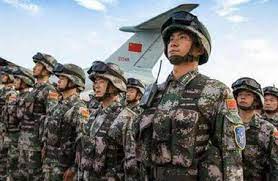
A brief analysis of cognitive domain combat styles in the era of intelligence
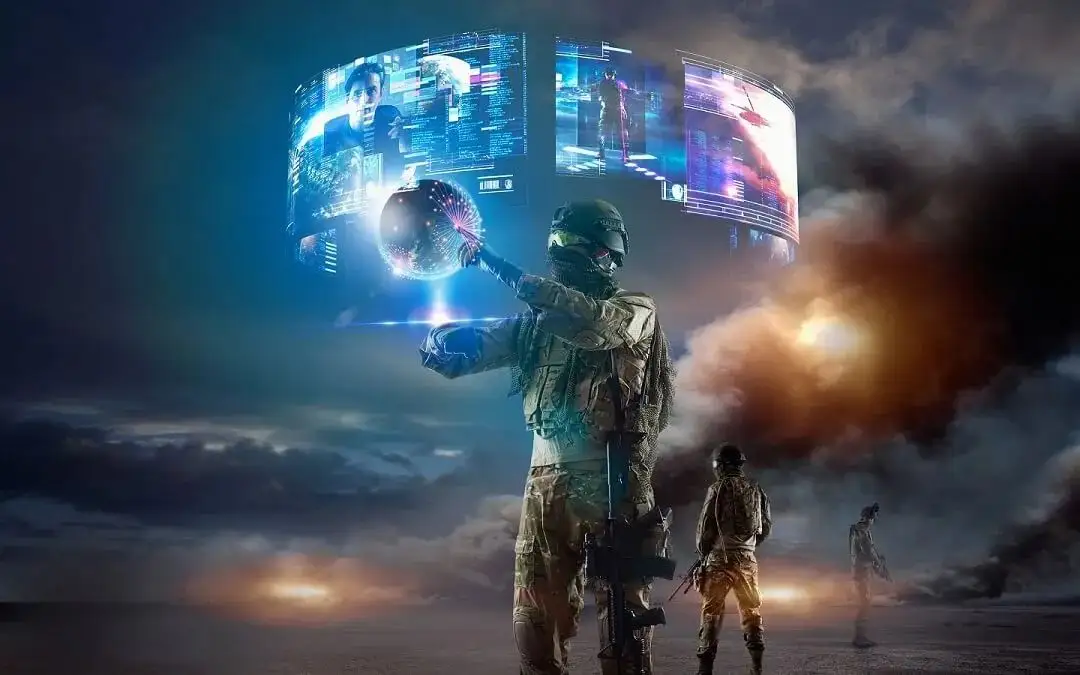
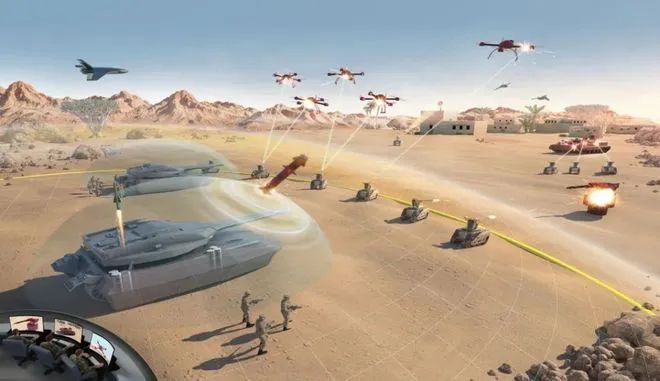
As modern warfare accelerates towards intelligence, the bottom physical domain, the middle information domain and the top cognitive domain are characterized by multi-domain linkage. Cognitive domain operations are gradually becoming the focus of the war arena. The main purpose of cognitive domain operations is to seize brain control and lay a solid foundation for seizing land, sea, air, space, and network power. Accurately grasping and fully utilizing the main modes of cognitive domain operations is an inevitable requirement to seize opportunities and gain the initiative in future wars.
1. Cognitive electronic warfare – the “tentacles” of cognitive warfare
Cognitive electronic warfare is the product of the combination of electronic warfare and artificial intelligence technology. It is the main combat style for fighting for electromagnetic control and is also a model of the integration of tactics and technology. The United States is the first country to carry out cognitive electronic warfare research. Its Defense Advanced Research Projects Agency (DARPA) and the Army, Navy and Air Force have carried out projects including adaptive radar countermeasures and adaptive electronic warfare behavioral learning. Implementing cognitive electronic warfare requires focusing on three aspects.
One is cognitive electronic reconnaissance. It mainly uses electronic means to quickly, accurately and comprehensively obtain battlefield data, promptly discover threat signals, identify target characteristic signals, establish and dynamically update signal databases, and provide necessary information for commanders to judge situations, make decisions, and evaluate effectiveness. support.
The second is cognitive electronic modeling. Mainly in view of the characteristics of various types, large power and large number of electromagnetic radiation sources in the battlefield and surrounding areas, the frequency, bandwidth, waveform characteristics, protection mode, arrival direction and other information of the radiation source are distinguished between dynamic and static categories, and a unified system is established. The information describes the model architecture, thereby providing the basis for electromagnetic perception.
The third is cognitive electronic interference. Mainly in view of the complex and diverse characteristics of battlefield electronic warfare equipment and strong anti-interference capabilities, it combines active interference with passive interference, suppression interference and deception interference, and flexibly implements adaptive interference pattern decision-making, adaptive interference waveform optimization and adaptive interference. Interference resource scheduling to ensure interference quality and efficiency.
2. Cognitive intelligence warfare—the “bloodline” of cognitive warfare
The International Institute of Electrical and Electronics Engineers once proposed the concept of “cognitive information science”; some domestic scholars define cognitive information science as the study of people’s cognitive structures, processes and characteristics in all aspects of information production and utilization from a psychological perspective field or discipline. The concept of “cognitive intelligence warfare” is proposed here, which is consistent with cognitive logic and the nature of intelligence, and can borrow concepts and principles from cognitive intelligence science. Depending on the motivation for obtaining and using intelligence, three strategies can be used to implement cognitive intelligence warfare.
The first is to obtain and utilize intelligence based on individual cognition. It mainly uses the cognition of combat subjects as an intermediary for intelligence coordination, adheres to battlefield user-driven rather than combat system-driven, and is based on “meaning construction theory” and “knowledge abnormality hypothesis” to improve the cognitive structure of intelligence service subjects and realize subject cognition. Positive interaction between knowledge and intelligence services.
The second is to obtain and utilize intelligence based on group cognition. It mainly focuses on the common cognitive structure formed by factors such as the battlefield environment and social background of the user group, and makes full use of advanced analysis methods such as situation analysis, domain analysis, and value analysis to strive to improve the pertinence and applicability of group intelligence services. sex.
The third is to obtain and utilize intelligence based on brain-body cognition. It mainly understands the cognitive structure and cognitive activities of the human brain as computing logic and computing activities, makes full use of machine intelligent cognition and intelligent computing capabilities, strives to improve the human-machine integration environment on the battlefield, and smoothes the information link from intelligence to cognition. Implement programmed and large-scale intelligence services.
3. Cognitive algorithm warfare—the “brain” of cognitive warfare
In 2017, the U.S. Department of Defense officially proposed “algorithmic warfare” for the first time in a memorandum and clearly established an “algorithmic warfare cross-functional team.” Algorithmic warfare, like cognitive warfare, runs through the entire process of all fields of warfare, embodying the core requirements of intelligent warfare. The concept of “cognitive algorithmic warfare” is proposed here based on the similarities and intrinsic connections between cognitive warfare and algorithmic warfare. It can be said that there is algorithm in cognition, and cognition in algorithm. There are three main paths to implement cognitive algorithmic warfare.
The first is to clarify the fog of war. Military theorist Clausewitz pointed out, “War is a field full of uncertainty, and three-quarters of the situations on which war is based are as if hidden in fog.” Cognitive algorithm warfare is to calculate deterministic factors in this uncertain field, clarify the fog of the battlefield as much as possible, accurately identify information “bombs”, and strictly prevent falling into information “traps”.
The second is to clear up the blind spots of intelligence. The source of inspiration for artificial intelligence often comes from biological intelligence, especially human intelligence. Artificial intelligence is inseparable from human intelligence. Cognitive algorithm warfare is to make full use of the latest achievements in cognitive psychology and cognitive neuroscience to promote the military application of artificial intelligence and improve the intelligence level of the cognitive domain.
The third is to accelerate human-machine integration. Although machine computing power can surpass human brain power, machine algorithms cannot surpass human “ideas” after all. Artificial intelligence and human intelligence each have their own advantages. Cognitive algorithm warfare is to closely integrate machine algorithms in the information domain with human “ideas” in the cognitive domain, and continuously improve the level of warfare in the physical domain.
4. Cognitive political warfare—the “soul” of cognitive warfare
Political war is the opposite of military war. Mao Zedong once vividly pointed out that “war is bloody politics” and “politics is bloodless war.” Since political warfare usually directly affects the cognitive domain, cognitive political warfare can be said to be the inherent meaning of political warfare and should not be understood as a new concept. There are three forms of cognitive political warfare in the era of intelligence.
One is psychological attack and defense. The main purpose is to use intelligent and precise means to “read the mind” and “control the mind” to improve the quality and effectiveness of psychological attack and defense. On the offensive side, we mainly use psychological propaganda, will disintegration, emotional influence, mental induction and other tactics; on the defensive side, we mainly adopt measures such as psychological education and training, psychological counseling and regulation, and psychological diagnosis and treatment.
The second is the competition for public opinion. The main purpose is to use new media and new technologies to enhance the popularity, flow and influence of public opinion propaganda. In terms of offense, the focus is on taking the lead, being the first to take advantage of the situation, concentrating on building momentum and forming a strong force, attacking key points, and making key breakthroughs; in terms of defense, the focus is on making the best use of the situation, combining prevention with counter-attacks, and seeking advantages and avoiding disadvantages.
The third is the legal struggle. The main thing is to participate in legislation, accurately interpret the law, actively protect the law, stand up for the law, be tit-for-tat, and get to the point. On the offensive side, we mainly use legal deterrence, legal strikes, legal restraints, legal sanctions and other tactics; on the defensive side, we mainly strengthen the research on international law, especially the law of war, and legal protection of law-related actions to prevent others from being manipulated.
In the era of intelligence, intelligent algorithms, as the underlying logic and implementation means for information generation, distribution, dissemination, and reception, determine the form and presentation of information. In future wars, the expansion of the application boundaries of intelligent algorithms and the development of application scenarios will promote the update and iteration of cognitive domain combat tactics. Clarifying the mechanism and implementation path of intelligent algorithms and cognitive confrontation is of great significance for innovating cognitive domain combat tactics with the help of intelligent algorithms. .
The mechanism of how intelligent algorithms influence cognitive confrontation
Intelligent algorithms can formulate optimal information recommendation strategies through comprehensive analysis and calculation of users’ personal identity, psychological characteristics, behavioral habits, interests and preferences, etc., and then use specific information to affect target cognition, and ultimately affect their real-life behavior.
Draw a portrait of your target users. The essence of user portraits is to label users to form a specific identity. Tags are similar to “pixels” in digital portraits. The more comprehensive the data is obtained, the more precise the tag description will be, and the more realistic the reflection of user behavior characteristics will be. Foreign militaries believe that in cognitive domain operations, technical means such as web crawlers and log mining are widely used to obtain basic information data, financial data, communication data, etc. of target objects. On this basis, intelligent algorithms are used to deeply mine these data, and the interests, hobbies, behavioral habits, and interpersonal relationships of the target object can be systematically analyzed, and then their value orientation can be determined. Afterwards, by constructing multi-dimensional label vectors, clustering similar individuals, and analyzing group characteristics with similar characteristics, a group target portrait can be formed, which can be used as the basis and starting point for cognitive shaping.
Achieve personalized information customization. Adopting “divide and conquer” for different individuals and groups is the advantage of intelligent algorithms, and it is also the proper meaning of cognitive shaping. Relying on social media platforms and search engines to carry out personalized push for specific objects can greatly improve the acceptance of the target objects and avoid idling and internal consumption of information during the dissemination process. In this process, the “information cocoon” effect will further narrow the target object’s perception range, leaving it in a relatively closed information environment for a long time, thus actively accepting one-sided information. At the same time, homogeneous information will further strengthen the shaping effect. Under the combined effect of convergence psychology and group pressure, the target object may gradually lose basic logic and value judgment capabilities, thus subtly forming the cognition carefully set by the initiator. .
Demonstrate specific real-life behaviors. Cognition is the premise of behavior, and behavior reacts on cognition. Intelligent algorithms can constrain and induce real-life behavior by directional shaping of the stance and value tendencies of specific objects on political, military operations, social and other issues. The foreign military believes that by disseminating special ideas to the public, it can lead to social disorder and loss of control. For key individuals, through strategies such as controlling the brain, attacking the heart, and seizing the will, they will make mistakes in their judgment of the country’s strategic direction, doubt the war decision-making, and be negative and pessimistic about the direction of the war, thus producing the effect of “conquering the enemy without fighting.” Practice has proven that the reshaping of target cognitive orientation highlights specific real-life behaviors, and dynamic changes in real-life behaviors trigger real-time adjustments to user portraits, which in turn drives the adjustment and update of recommendation strategies, forming a complete closed feedback loop.
Intelligent algorithms influence the implementation path of cognitive confrontation
Intelligent algorithms have the characteristics of encapsulation and transplantation, data sharing, fast calculation, autonomous learning, etc., and there is a natural fit between them and cognitive confrontation.
Promote the coupling of confrontational forms of peace and war. The dissemination of information across time boundaries leads to conflicts in cognitive space at all times, and the time scale may vary from seconds to decades. In peacetime, the most important characteristics of cognitive confrontation tactics are concealment and long-term nature, while in wartime they are suppressive and urgent. Intelligent algorithms can further promote the coupling of peace and war in the form of cognitive confrontation through information sharing, situation updating and strategy inheritance. Based on peacetime information and wartime intelligence, comprehensive analysis and judgment of the enemy’s situation, our situation, and the battlefield environment can be automatically calculated to draw conclusions on the strengths, weaknesses, key points, and difficulties of the confrontation; based on mathematical modeling and machine learning, combined with Cognitive confrontation results and real-time battlefield situation in peacetime, and after comprehensive evaluation, optimal tactics and plans can be proposed.
Promote the combination of explicit and implicit means of confrontation. Cognitive domain operations are filled with massive and complex information in various formats and with varying strengths and weaknesses, which not only brings challenges to one’s own identification and processing, but also provides convenient conditions for confusing the opponent. Only through cognitive fusion can a comprehensive, timely and accurate judgment of the situation be formed, and then the advantages of global perception be transformed into decision-making and action advantages. Comprehensive multi-channel information for intelligent analysis and comparison, comprehensive research and judgment, can identify erroneous information, filter useless information, screen false information, and provide information support for commanders’ decision-making. For example, explicit means can be used for cognitive deterrence and will disintegration, implicit means can be used for cognitive deception and cognitive induction, and explicit and implicit means can be used for cognitive confusion.
Promote global integration of confrontation space. The cognitive confrontation space not only covers the physical domain space including land, sea, air, space, etc., but also covers the information domain space and cognitive domain space such as electromagnetic and network. Cognitive confrontation is a global fusion confrontation. Battlefield data is generated extremely quickly and in huge volumes, which places extremely high requirements on computing speed and capabilities. Relying on traditional manual calculations and computer-aided calculations can no longer meet the needs of battlefield space fusion. Semi-automatic or even automated fusion calculations must be achieved with the help of the high efficiency, strong computing power and high accuracy of intelligent algorithms. Relying on intelligent algorithms, vertical integration from cognitive perception to cognitive analysis to cognitive decision-making can be achieved; horizontally, multi-dimensional situation, power, decision-making, and scheduling across the physical domain, information domain, and cognitive domain can be achieved. Domain fusion.
Value offense and defense is an important way to carry out cognitive domain operations from a strategic level. Usually, value offense and defense involves interfering with people’s thinking, beliefs, values, etc., in order to achieve the purpose of disintegrating the enemy’s consensus, destroying the enemy’s will, and then gaining comprehensive control of the battlefield. . Accurately grasping the characteristics, mechanisms, and methods of value attack and defense is crucial to gaining operational advantages in the cognitive domain in the future.
Characteristics of the cognitive domain of value attack and defense
Value attack and defense refers to the intervention and influence on relatively stable cognitive results by inducing deep logical thinking and value judgment changes in individuals or groups, in order to reconstruct people’s will, thinking, psychology, emotion and other cognitive abilities. Value offense and defense mainly have the following characteristics:
Soft confrontation. Traditional war mainly relies on violent means to weaken and disintegrate the enemy’s military capabilities, and usually has a strong war intensity. Cognitive domain operations will no longer be limited to hard confrontations such as siege of cities and territories, but will focus more on penetration and counter-infiltration, attack and counter-attack, control and counter-control around value positions. By competing for dominance in cognitive domain confrontations, the physical domain will be further stimulated. and information domain combat effectiveness, thereby seizing the initiative on the battlefield and even achieving the effect of defeating others without fighting. In practice, value offense and defense often focus on the cultural traditions, values and social psychology of a country or nation, and ultimately achieve the purpose of destroying the enemy’s will, cognitive manipulation, and mental control.
Full dimensional release. Modern warfare increasingly exhibits overall, multi-domain, and all-time characteristics. Cognitive domain operations aim to affect battlefield effects by intervening in people’s consciousness. The relative stability of consciousness determines that people’s worldview, beliefs and other values are generally relatively stable. Therefore, value attack and defense require long-term, uninterrupted, holographic Proceed in all dimensions. From a time point of view, value offense and defense blurs the boundaries between peacetime and war, and is always in war, at any time, continuously accumulating and gradually releasing combat effectiveness; from a space point of view, value offense and defense blurs the boundaries between front and rear of operations, and creates a full range of physical and intangible space. Directional expansion; from a field perspective, value offense and defense blurs the boundaries between military and non-military. It not only occurs in the military field, but also exists in political, economic, diplomatic, cultural and other fields, showing the characteristics of full coverage.
Technology empowers. Cognitive domain operations are a technology-intensive and complex system engineering. The penetration of emerging technologies such as artificial intelligence, brain science, and quantum computing into the entire process is triggering iterative upgrades and profound changes in cognitive domain operations. Intelligent tools have fundamentally enhanced the ability of combatants in the cognitive domain to manipulate and intervene in the opponent’s thinking. As a new means and new style of combat power, human-machine hybridization will change the subject of future wars. Independent confrontation and cloud-brain victory may become the mainstream offensive and defensive model. . In recent years, NATO has launched cognitive electronic warfare equipment aimed at changing the opponent’s value perception and behavior through information offense and defense. The development of science and technology has also triggered a cognitive revolution. The rapid spread of information has further accelerated the differences in public value cognition. Cognitive islands have intensified the value gap between different subjects. The changes in social structure brought about by intelligence have profoundly changed the political and cultural landscape. . Starting from this point, in future cognitive domain operations, holding the “nose” of technological innovation and mastering key core technologies will be crucial to seizing the initiative on the battlefield.
The mechanism of cognitive domain of value attack and defense
Value offense and defense is a high-level confrontation in the cognitive domain, and its target is people’s deep cognition. Consciousness is the reflection of social existence in the brain. Regulation of social existence, guidance of public consciousness and changes in the function of the human brain can strengthen or reverse human consciousness. If you want to defeat your opponent in an offensive and defensive confrontation, you must follow the laws of thinking and cognition and grasp the winning mechanism of value offense and defense.
Shock value “protection zone”. Occupying the commanding heights of values is the logical starting point for carrying out value offense and defense. Social consciousness is often composed of relatively stable core values and peripheral auxiliary theories. Various theories such as economics, politics, religion, culture, etc. can be constructed and adapted to protect core values from external impacts, and therefore also bear the burden of external impact. The impact of other values challenges. From the perspective of foreign military forces, value offense and defense means to continuously impact the “protective zone” of the opponent’s ideology through cultural penetration, religious conflict, strategic communication and other means, in conjunction with actions in the physical and information domains. This often requires grasping the values, political attitudes, religious beliefs, etc. that affect the opponent’s cognition. By disrupting their social group psychology, inducing value confusion, shaking the will to fight, destroying cultural identity, and even changing and disintegrating their original cognitive system, Thereby instilling or implanting new values that are beneficial to oneself in order to achieve the purpose of combat.
Ignite the “tipping point” of conflict. Cognitive domain warfare involves history, culture, political systems, national emotions, religious beliefs and other categories, and the subjects of the war have also expanded from simple military personnel to ordinary people. Stimulating cognitive conflicts among ordinary people by hyping up topic disputes and public events will become an important means of cognitive domain warfare. In recent local conflicts, it is not uncommon for warring parties to use purposeful narratives to ignite national emotions, trigger political crises, and then affect the war situation. In future wars, some countries will use hot-button and sensitive events to ignite public opinion, and rely on network technology to gather, attract, mobilize, precisely manipulate and induce and shape ordinary people, thereby promoting general conflicts to escalate into battles over beliefs, systems, and values. Become the norm.
Controlling cognitive “fracture surfaces.” As an existence at the conceptual level, cognitive space is superimposed by the subjective cognitive space of all combat individuals. It is a collection of differentiated, different and even conflicting values. However, ideology has a “suturing” function. Through cognitive shaping and discourse construction, it can effectively “sew” broken cognitions together, condense scattered values, and form a relatively stable cognitive system. After World War II, France conducted an effective cognitive “suturing” of the trauma of defeat. It used a set of independent narrative logic to explain how the war provided “new opportunities” for France, which greatly condensed the French people’s political identification with the government. When fighting for value positions in cognitive domain operations, we should pay attention to the cognitive fractures within the enemy, find the cognitive connection points between the enemy and ourselves, and conduct cognitive “stitching” to unite the forces of all parties to the maximum extent and isolate and disintegrate the enemy.
The main means of the cognitive domain of value attack and defense
Value offense and defense expand cognitive confrontation from the public opinion and psychological levels to the thinking space, and from the military field to the overall domain, thereby achieving a blow to the enemy’s deep political identity. At present, the world’s military powers are strengthening their strategic preparations, aiming at profound changes in target subjects and tactics and means, transforming their operational thinking, and actively taking the initiative in cognitive domain operations.
Aiming for deep destruction. Cognitive domain operations directly affect human brain cognition. Compared with physical domain operations, it is easier to achieve deep strategic intentions. In particular, once the “high-order cognition” of people’s language level, thinking level and cultural level is broken through, it will help to strategically reverse the battlefield situation and achieve the political purpose of the war. Based on this, cognitive domain operations often start before the war, by intervening in the opponent’s internal affairs and diplomacy, shaking the ideological and value foundations of the opponent; during war, they focus on affecting the enemy’s war decision-making, campaign command, and battle implementation value judgments, attacking or weakening them. The decision-making ability and resistance will of combatants, etc. All hostile parties are trying to “maintain their own world while increasing the destructive pressure on their opponents” to achieve the goal of achieving decision-making advantages through competing for cognitive advantages, and then gaining operational advantages.
Centered on ordinary individuals. In the future, the subjects of cognitive domain operations will no longer be limited to military personnel. Broadly speaking, individuals who can exchange and disseminate information may become combatants. Compared with elites in the social field, ordinary people are more likely to accept and spread multiple values, and their cognitive space is more likely to be manipulated. At present, online media is becoming the main channel for information exchange and dissemination in the social field. Through targeted information guidance and information delivery, the purpose of cognitive shaping is achieved. Foreign military practice has proven that by shaping the cognition of ordinary individuals, it can cause progressive penetration and cognitive interference from bottom to top, causing the ideological concepts between ordinary people and social decision-makers to deviate, making it impossible to achieve key actions. effective consensus.
In the form of protracted warfare. Unlike military struggles in the physical domain that directly attack and destroy “hard” targets, the potential target of cognitive domain operations is human cognition. Value attack and defense are directed at changing the concepts, beliefs, will, emotions, etc. of the combatants, which often requires subtlety and step-by-step operations. Effective cognitive attacks are generally launched during the preparation stage of combat and run throughout the war. By collecting the opponent’s cognitive situation, decision-making habits, thinking patterns, etc., actions such as creating a situation and changing the atmosphere are carried out in a targeted manner. Therefore, cognitive domain operations need to strengthen the overall design, pay special attention to coordinating multi-party forces, and strengthen pre-preparation in multiple positions such as public opinion field creation and diplomacy, so as to form an overall operational synergy.
(Author’s unit: Military Political Work Research Institute, Academy of Military Sciences)
China adopts a multifaceted approach in its engagement with Europe, leveraging all instruments of national power to further its interests in the region. Diplomatically, China employs bilateral and multilateral forums to build consensus, overcome barriers, and secure support for major initiatives like One Belt One Road (OBOR). In the information domain, China disseminates targeted messaging to shape positive perceptions and counter unfavorable narratives related to its activities in Europe. The military dimension involves selective cooperation and naval access arrangements to protect China’s growing overseas investments and assets. Economically, China wields its financial clout to fund major infrastructure projects, stimulate trade linkages, and employ incentives or coercion when advantageous. Additionally, China engages in political alignment, intelligence gathering, information control, and measured military cooperation to facilitate the expansion of its influence across the European landscape. By orchestrating a synchronized strategy across these domains, China strives to achieve its overarching objectives in Europe – expanding its economic and political influence, accessing advanced technologies, reshaping global governance, and cementing its role as a major global power on the world stage.
China’s increasing focus on Europe has necessitated a comprehensive and multifaceted approach by the United States military’s European Command (EUCOM) and NATO to counter Chinese influence. Through a range of strategic initiatives, these organizations aim to safeguard European security, protect national interests, and promote democratic values while mitigating the risks posed by China’s expanding presence. By strengthening economic cooperation, addressing military expansion, leveraging soft power and public diplomacy, building multinational partnerships, fostering cooperation with global powers, investing in critical infrastructure, and promoting regional security cooperation, EUCOM and NATO can effectively counter China’s influence in Europe.
China’s focus for the One Belt, One Road (OBOR) initiative in relation to Europe can be summarized into several key aspects:
1. Infrastructure Development: The OBOR initiative aims to enhance connectivity and infrastructure development between China and Europe, with a focus on improving transportation networks, such as railways, ports, and roads. China seeks to build a comprehensive and efficient transportation network that will facilitate trade, investment, and people-to-people exchanges between the two regions.
2. Trade and Investment Promotion: China aims to deepen economic ties and promote trade and investment between China and Europe through the OBOR initiative. By improving infrastructure connectivity, reducing trade barriers, and enhancing market access, China envisions increased bilateral trade volumes and a boost in Chinese investment in Europe, as well as European investment in China.
3. Cultural Exchanges and People-to-People Ties: Alongside economic development, OBOR emphasizes fostering cultural exchanges, understanding, and people-to-people ties between China and Europe. China aims to strengthen cooperation in areas such as education, tourism, and cultural heritage preservation to promote mutual understanding and friendship among the peoples of the two regions.
4. Regional Cooperation and Diplomacy: OBOR represents a platform for regional cooperation and diplomatic engagement. China seeks to collaborate with European countries and institutions in areas such as policy coordination, connectivity planning, and project implementation. By fostering multilateral dialogue and cooperation, China intends to create an inclusive and cooperative framework for regional development.
It is important to note that the OBOR initiative is not solely focused on Europe and encompasses a broader vision, including Asia, the Middle East, and Africa. Nonetheless, Europe plays a crucial role in OBOR due to its geostrategic importance, economic potential, and historical ties with China.
The Diplomatic, Information, Military, and Economic (DIME) philosophy is a conceptual framework used to analyze and understand the multifaceted elements of a nation’s power projection and influence. Applying the DIME philosophy to China’s efforts in the context of the One Belt One Road initiative focused on Europe.
One Belt, One Road (OBOR) initiative:
1. Diplomatic Dimension: China strategically employs diplomacy to reinforce OBOR’s objectives. Diplomatically, China engages in bilateral and multilateral dialogues with participating countries, promoting OBOR as a cooperative endeavor that facilitates mutual economic development, regional stability, and win-win outcomes. China seeks diplomatic support, cooperation, and consensus-building to overcome potential barriers to implementation, such as political disagreements, regulatory issues, or national security concerns.
2. Information Dimension: China recognizes the significance of managing information and narratives related to the OBOR initiative. It utilizes various channels, including media, public relations, and cultural exchanges, to disseminate positive messages about the benefits and progress of OBOR projects. China aims to shape perceptions, generate support, and counter any negative narratives that may emerge, ensuring that OBOR is viewed favorably and comprehensively understood by the international community.
3. Military Dimension: Although the primary focus of OBOR is economic and developmental in nature, the military dimension cannot be disregarded entirely. While China promotes a peaceful vision for OBOR, it acknowledges the need to safeguard its interests and protect its investments and infrastructure. China engages in military cooperation, primarily maritime security and anti-piracy efforts, to ensure the safety of critical sea routes and protect its overseas investments and personnel involved in OBOR-related projects.
4. Economic Dimension: The economic dimension is at the heart of the OBOR initiative. China leverages its economic might and financial resources to provide funding, loans, and investments in infrastructure projects along the OBOR routes. Through initiatives like the Asian Infrastructure Investment Bank (AIIB) and Silk Road Fund, China facilitates economic cooperation and provides financial support to partner countries. This economic dimension is central to stimulating economic growth, reducing regional disparities, creating job opportunities, and enhancing trade linkages between China and participating nations.
In essence, the DIME philosophy helps to articulate how China employs each dimension – diplomatic, information, military, and economic – to further its OBOR goals. By utilizing a comprehensive approach across these domains, China seeks to maximize its impact, build partnerships, and address challenges that may arise during implementation.
Further analysis and expanded review and application of the DIME philosophy to China’s One Belt, One Road (OBOR) initiative:
5. Political Dimension: The political dimension is intertwined with the diplomatic efforts of China in promoting OBOR. China engages in political dialogue, negotiations, and diplomacy at various levels to secure support for the initiative. It seeks to align the interests and aspirations of participating countries with OBOR’s objectives, forging strategic partnerships and agreements that facilitate policy coordination and mutual benefits. China also employs economic incentives and aid packages to foster political alignment and gain influence in participating nations.
6. Information Warfare: In the information age, China recognizes the importance of information warfare as a means to shape narratives and control the flow of information related to OBOR. Through the use of social media, digital platforms, and state-controlled media outlets, China actively promotes positive stories and achievements associated with OBOR while countering unfavorable narratives. It also invests in soft power initiatives, including cultural exchanges, media cooperation, and academic partnerships, to shape perceptions and gain support for OBOR.
7. Intelligence Gathering: Intelligence plays a crucial role in implementing large-scale infrastructure projects, evaluating risks, and ensuring successful outcomes. China engages in intelligence gathering activities to assess the political, economic, and security landscape of participating countries. It analyzes potential obstacles, identifies investment opportunities, and addresses potential threats to its projects and interests along the OBOR routes. This intelligence informs decision-making, risk management, and mitigation strategies.
8. Military Cooperation and Presence: While the primary focus of OBOR is economic cooperation, China recognizes the importance of military cooperation and presence for certain aspects. China engages in military exercises, joint trainings, and exchanges with partner countries to enhance security cooperation, build trust, and safeguard its maritime interests. It also strategically establishes naval bases or access arrangements along critical sea routes as part of its broader security framework. This military dimension contributes to stability, protects China’s investments, and addresses potential security challenges to OBOR projects.
9. Economic Warfare: China’s economic dimension goes beyond funding infrastructure projects. It employs economic leverage, market access, and economic incentives to advance its OBOR agenda. China can utilize economic coercion or inducements to influence the decision-making of participating countries and create dependencies. It strategically offers trade opportunities, investments, and economic cooperation to strengthen relationships, promote integration, and expand Chinese influence in the region.
By considering these additional dimensions within the DIME philosophy, we can better understand how China applies a comprehensive approach to OBOR, incorporating political, information, intelligence, military, and economic tools to achieve its strategic objectives. The continuous assessment and adaptation across these dimensions allow China to navigate challenges, seize opportunities, and exert influence throughout the implementation of OBOR.
The following table illustrates China’s multidimensional application of the DIME framework, including additional elements like information warfare, intelligence and military cooperation, to further the strategic goals and objectives of its OBOR initiative across diplomatic, information, military and economic dimensions.
The following comprehensive table illustrates China’s application of the DIME framework to its One Belt One Road (OBOR) initiative:
Dimension
Key Strategies and Objectives
Diplomatic
Bilateral and multilateral engagement; Consensus building; Overcoming barriers
Further analysis and application f the DIME philosophy to the United States European Command (EUCOM) to counter China’s influence:
1. Diplomatic Dimension: The diplomatic dimension of EUCOM involves engaging with European nations through bilateral and multilateral channels to foster cooperation, build alliances, and promote shared security interests. EUCOM conducts diplomatic negotiations, strategic dialogues, and military-to-military engagements to strengthen partnerships, address regional challenges, and enhance collective defense capabilities. It aims to solidify alliances, facilitate interoperability, and foster collaboration through diplomatic initiatives and agreements.
2. Information Dimension: The information dimension is critical for EUCOM in shaping perceptions, countering misinformation, and maintaining a strategic narrative. EUCOM employs various communication strategies and media platforms to disseminate accurate and timely information about its activities, exercises, and missions in Europe. It also engages in public diplomacy to foster understanding, build trust, and counteract potential negative narratives or propaganda that may undermine U.S. interests or objectives in the region.
3. Military Dimension: The military dimension of EUCOM involves the deployment and readiness of military forces to defend U.S. and NATO interests in Europe. EUCOM maintains a robust military presence, conducts joint exercises, and provides deterrence against potential threats. It collaborates closely with NATO allies and partners to ensure collective defense and security cooperation. The military dimension also encompasses crisis response, contingency planning, and the ability to rapidly deploy forces when necessary.
4. Economic Dimension: While primarily a diplomatic and military command, the economic dimension of EUCOM is significant. Economic considerations can play a role in strengthening alliances and partnerships within Europe. EUCOM supports economic initiatives that promote stability and prosperity, encouraging increased trade, investment, and economic integration among European nations. Economic cooperation enhances regional resilience, contributes to security, and fosters long-term stability.
5. Intelligence Dimension: Intelligence is a crucial element for EUCOM’s situational awareness, threat assessment, and decision-making. EUCOM collects, analyzes, and disseminates intelligence to understand the shifting security dynamics, anticipate emerging threats, and develop effective strategies. Intelligence helps identify potential challenges, vulnerabilities, and opportunities in the European theater, informing EUCOM’s military planning, operational activities, and policy recommendations.
6. Political Dimension: The political dimension is inherent in EUCOM’s engagement with European nations, NATO, and other relevant political actors. EUCOM works closely with U.S. diplomatic representatives and policy-makers to align military objectives with broader political goals. Political engagements range from high-level strategic dialogues to local-level engagements with host nation governments or regional political entities. EUCOM’s political dimension seeks to influence decision-making, enhance cooperation, and build consensus around common security objectives.
By considering these dimensions within the DIME framework, it becomes clear that EUCOM employs a comprehensive approach to ensure regional security, enhance partnerships, and project U.S. influence in Europe. The integration of diplomatic, information, military, economic, intelligence, and political elements allows EUCOM to address multifaceted challenges, build coalitions, and support the strategic interests of the United States and its European allies.
The following table summarizes EUCOM’s application of the DIME framework across the diplomatic, information, military, economic, intelligence, and political dimensions to counter China’s influence in Europe, along with the key elements within each dimension.
Dimension
EUCOM’s Application
Key Elements
Diplomatic
Engagement through bilateral and multilateral channels
Solidify alliances and partnerships; Foster cooperation; Facilitate interoperability
Collection, analysis and dissemination of intelligence
Inform decision-making; Identify threats and vulnerabilities
Political
Alignment with diplomatic and policy objectives
Influence decision-making; Build consensus; Achieve political goals
China’s Influence and Counter-Offensive Strategy in Europe apply the DIME philosophy to NATO (North Atlantic Treaty Organization) and the United States European Command (EUCOM) in the European theater:
NATO:
1. Diplomatic Dimension: Diplomacy is at the core of NATO’s operations. The diplomatic dimension involves robust engagement and dialogue among member nations and partner countries to ensure solidarity and consensus on key issues. NATO conducts diplomatic efforts to strengthen alliances, build partnerships, and facilitate cooperation with non-NATO actors. It aims to promote shared values, address regional challenges, and forge common approaches to security.
2. Information Dimension: The information dimension plays a vital role in shaping narratives, countering misinformation, and maintaining public support for NATO’s mission. Through strategic communications, NATO disseminates accurate information about its activities, operations, and collective defense efforts. It engages in public diplomacy to foster understanding, build trust, and counter potential disinformation campaigns that may undermine NATO’s objectives or erode public support.
3. Military Dimension: The military dimension of NATO involves the collective defense and deterrence of its member states. NATO maintains a credible military presence, conducts joint exercises, and ensures interoperability among its forces. It coordinates defense planning, crisis response, and contributes to stability in the Euro-Atlantic region. The military dimension also encompasses the NATO-led missions, such as peacekeeping and counterterrorism, which contribute to regional security.
4. Economic Dimension: The economic dimension in NATO revolves around the economic capabilities and contributions of member nations. NATO encourages defense spending and defense industry cooperation among members to ensure the development and maintenance of effective military capabilities. Economic aspects also involve strengthening resilience against hybrid threats, including cyber and economic vulnerabilities. Economic cooperation ensures the sustainability and effectiveness of NATO’s military endeavors.
EUCOM:
1. Diplomatic Dimension: EUCOM’s diplomatic dimension involves engaging with European nations through strategic dialogues, military-to-military engagements, and diplomatic negotiations. It fosters cooperation, builds partnerships, and ensures synchronized efforts with European allies. EUCOM promotes mutual trust, understanding, and consensus on key security matters, facilitating the alignment of military objectives with broader diplomatic goals in Europe.
2. Information Dimension: The information dimension within EUCOM aims at shaping perceptions, countering misinformation, and maintaining a strategic narrative. EUCOM employs various communication strategies, media platforms, and public diplomacy initiatives to ensure accurate and timely information about its activities. It enhances transparency, builds public support, and counters potential negative narratives that might undermine U.S.-European partnerships or military operations.
3. Military Dimension: As a combatant command, the military dimension of EUCOM focuses on the readiness and posture of U.S. military forces deployed in Europe. EUCOM maintains a robust military presence, conducts joint exercises, and provides deterrence against potential threats. It collaborates closely with NATO allies and partner nations to ensure collective defense and security cooperation. The military dimension also encompasses crisis response, contingency planning, and rapid deployment capabilities.
4. Economic Dimension: Though primarily a military command, the economic dimension of EUCOM recognizes the significance of economic factors for regional stability. EUCOM supports economic initiatives that promote stability, trade, investment, and economic integration among European nations. By encouraging economic cooperation, EUCOM enhances regional resilience, contributes to security, and fosters long-term stability.
5. Intelligence Dimension: Intelligence is instrumental in supporting EUCOM’s situational awareness, threat assessment, and operational planning. EUCOM collects, analyzes, and disseminates intelligence to understand the evolving security environment in Europe. Intelligence supports decision-making, ensures effective risk management, and enables timely responses to emerging challenges and potential threats.
6. Political Dimension: The political dimension of EUCOM involves close coordination with U.S. diplomatic representatives and policymakers. EUCOM aligns military objectives with broader political goals, participates in strategic dialogues, and engages with European governments and political entities. This political dimension helps shape decision-making, enhance cooperation, and build consensus on key security issues.
By applying the DIME framework to NATO and EUCOM, we can observe how these entities utilize a comprehensive approach, incorporating diplomatic, information, military, economic, intelligence, and political tools to ensure regional security, enhance partnerships, and project influence in Europe. This holistic perspective strengthens collective defense, supports efficient decision-making, and fosters cooperation among member nations and partner countries.
Here are three developed courses of action that can be considered using the DIME philosophy within NATO and EUCOM to counter China’s influence:
Course of Action 1: Enhancing Cyber Defense Capabilities
Diplomatic Dimension: Strengthen diplomatic ties and engage in information sharing on cyber threats among NATO member nations and partner countries. Foster dialogue on norms of behavior in cyberspace and establish joint initiatives to counter cyber threats collectively.
Information Dimension: Develop a comprehensive cybersecurity communication strategy to raise awareness among the public about cyber threats and promote responsible behavior. Disseminate accurate information about cyber incidents and counter potential misinformation campaigns by engaging with the media and employing digital platforms.
Military Dimension: Prioritize the allocation of resources towards cyber defense capabilities, including robust cyber training, exercises, and joint operations among NATO allies. Focus on enhancing cyber resilience and improving interoperability to allow for effective information sharing and coordinated responses in the event of a cyber attack.
Economic Dimension: Encourage investment in research and development of cybersecurity technologies, promote public-private partnerships, and establish cyber protection agreements with defense industries. Foster economic cooperation to improve the collective resilience of NATO members against cyber threats.
Course of Action 2: Counteracting Disinformation Campaigns
Diplomatic Dimension: Strengthen coordination and information-sharing mechanisms with partner countries to exchange best practices in countering disinformation campaigns. Establish joint task forces, workshops, and training programs to enhance media literacy and critical thinking skills.
Information Dimension: Develop a proactive and agile strategic communication approach to counter disinformation campaigns. Establish dedicated communication channels to promptly respond to false narratives, challenge disinformation, and provide accurate information. Collaborate with social media platforms to identify and mitigate the spread of disinformation.
Military Dimension: Leverage the strengths of military strategic communication units to counter disinformation campaigns. Utilize military channels to disseminate accurate news, engage with local communities, and build trust. Conduct joint information operations exercises with NATO allies to enhance coordination and effectiveness.
Political Dimension: Work closely with political leaders, policymakers, and civil society organizations to develop policies that address the impact of disinformation and strengthen media resilience. Promote information transparency and accountability among political entities, fostering public trust in democratic processes.
Course of Action 3: Strengthening Defense Resilience against Hybrid Threats
Diplomatic Dimension: Foster international partnerships to enhance information sharing and cooperation in countering hybrid threats. Strengthen diplomatic ties to establish mechanisms for swift responses and joint operations when faced with hybrid challenges.
Information Dimension: Develop a comprehensive strategy to raise public awareness about hybrid threats, their tactics, and potential consequences. Establish public-private partnerships to combat disinformation and promote media literacy initiatives to increase resilience against manipulation.
Military Dimension: Improve cooperation and coordination among NATO member nations’ military forces to rapidly respond to hybrid threats. Focus on training and joint exercises to enhance interoperability and develop the capability to counter hybrid tactics effectively.
Economic Dimension: Encourage investment in critical infrastructure protection, including measures to defend against cyber attacks and secure supply chains. Foster economic resilience by diversifying energy sources and reducing dependencies on single suppliers to mitigate potential economic coercion.
These courses of action demonstrate how the DIME philosophy can be applied to address specific challenges while considering the diplomatic, information, military, economic, intelligence, and political dimensions. By adopting a holistic approach, NATO and EUCOM can effectively respond to evolving security threats, ensure regional stability, and strengthen partnerships in the European theater.
The following table highlights key points from each course of action are summarized concisely under the relevant DIME dimensions. The use of bullet points helps illustrate the main action points.
Course of Action 1: Enhancing Cyber Defense
Course of Action 2: Countering Disinformation
Course of Action 3: Defense against Hybrid Threats
Diplomatic
Strengthen ties and info sharing on cyber threats Establish norms of behavior in cyberspace
Coordination and info sharing mechanisms Joint task forces and training programs
Foster international partnerships Mechanisms for joint operations
Information
Cybersecurity communication strategy Counter misinformation
Strategic communication approach Collaborate with social media
Public awareness strategy Media literacy initiatives
Military
Prioritize cyber capabilities Exercises and joint operations
Leverage military comms expertise Information operations training
Further analysis considering each course of action, expanding and elaborating on the application of the DIME philosophy within NATO and EUCOM:
Course of Action 1: Enhancing Cyber Defense Capabilities
Diplomatic Dimension: Strengthening diplomatic ties and engaging in information sharing is crucial to combat cyber threats. NATO and EUCOM can facilitate regular forums, workshops, and conferences for member nations and partner countries to exchange best practices, insights, and threat intelligence. This includes enhancing coordination among diplomatic channels to develop joint initiatives and agreements on cybersecurity norms, deterrence, and response mechanisms.
Information Dimension: Developing a comprehensive cybersecurity communication strategy is vital. NATO and EUCOM can establish dedicated cybersecurity communication units to disseminate accurate information, raise awareness of cyber threats, and promote responsible behavior in cyberspace. This includes engaging with media outlets, social media platforms, and educational institutions to counter disinformation and improve public understanding of cybersecurity issues.
Military Dimension: Prioritizing the allocation of resources towards cyber defense capabilities is crucial. NATO and EUCOM can conduct regular joint exercises and training programs to enhance cyber skills and ensure interoperability among member nations’ military forces. This includes developing shared cyber response plans, conducting threat simulations, and fostering cooperation between military and civilian cybersecurity entities.
Economic Dimension: Encouraging investment in research and development of cybersecurity technologies is essential. NATO and EUCOM can collaborate with defense industries, academia, and private sector partners to advance cybersecurity capabilities, exchange expertise, and support innovation in this field. Additionally, member nations can work together to establish cyber protection agreements and promote economic cooperation to strengthen collective cyber resilience.
Course of Action 2: Counteracting Disinformation Campaigns
Diplomatic Dimension: Strengthening coordination and information-sharing mechanisms is key. NATO and EUCOM can establish dedicated working groups and task forces that involve both member nations and partner countries. These forums would facilitate sharing best practices, early warning systems, and intelligence on disinformation campaigns. Joint initiatives should focus on building resilience, countering propaganda, and enhancing collaboration among governments, non-governmental organizations, and international bodies.
Information Dimension: Developing a proactive and agile strategic communication approach is crucial to counter disinformation. NATO and EUCOM can establish specialized communication cells that monitor and analyze disinformation trends, identify false narratives, and promptly respond with accurate information. They should work closely with social media platforms to detect and mitigate the spread of disinformation, ensuring transparent algorithms and policies.
Military Dimension: Leveraging the strengths of military strategic communication units is invaluable. NATO and EUCOM can integrate their expertise into broader information campaigns aimed at countering disinformation. Military communication channels can be utilized to disseminate accurate news, engage with local communities, and build trust. Joint exercises and information operations training with NATO allies would enhance coordination and effectiveness in countering disinformation campaigns.
Political Dimension: Collaboration with political leaders, policymakers, and civil society organizations is essential for effective response to disinformation campaigns. NATO and EUCOM should engage with these stakeholders to develop policies that address disinformation challenges, strengthen media resilience, and ensure transparency in political processes. Partnerships with civil society groups, independent media, and fact-checking organizations can foster public trust, accountability, and responsible media practices.
Course of Action 3: Strengthening Defense Resilience against Hybrid Threats
Diplomatic Dimension: Strengthening cooperation among NATO and partner nations is crucial in countering hybrid threats. Regular dialogue, joint exercises, and information-sharing mechanisms can be established to exchange insights, intelligence, and best practices. NATO and EUCOM should actively engage in diplomatic efforts to develop joint strategies, share lessons learned, and strengthen global partnerships to tackle hybrid challenges collectively.
Information Dimension: Developing a comprehensive strategy to raise public awareness about hybrid threats is essential. NATO and EUCOM can leverage their communication channels to provide accurate information, highlight potential risks, and educate the public on the nature and tactics of hybrid warfare. Engaging social media platforms and partnering with media outlets to promote media literacy initiatives would enhance public resilience against manipulation.
Military Dimension: Improved cooperation and coordination among member nations’ military forces is vital in countering hybrid threats. NATO and EUCOM should organize joint exercises, simulations, and training programs that focus on countering hybrid tactics effectively. This includes enhancing interoperability, developing rapid response capabilities, and conducting joint assessments of vulnerabilities in critical infrastructure.
Economic Dimension: Economic resilience plays a crucial role in countering hybrid threats. NATO and EUCOM should encourage member nations to invest in critical infrastructure protection measures, such as securing energy supplies, diversifying energy sources, and safeguarding supply chains. Promoting economic cooperation and reducing dependencies on single suppliers would mitigate potential economic coercion and vulnerabilities.
Intelligence Dimension: Strengthening intelligence capabilities is essential to gain situational awareness, assess threats, and support effective response to hybrid challenges. NATO and EUCOM can enhance intelligence sharing and fusion among member nations’ intelligence agencies. This includes developing joint intelligence assessments, establishing early warning systems, and bolstering collaboration between military and civilian intelligence organizations.
Political Dimension: Collaboration with political leaders and policymakers is crucial to develop policies that address the impact of hybrid threats. NATO and EUCOM should engage in regular strategic dialogues and consultations with political entities to align military objectives with broader political goals. By fostering political awareness, ensuring coordination, and promoting transparency, NATO and EUCOM can effectively respond to hybrid threats.
By further expanding and elaborating on these courses of action, NATO and EUCOM can develop comprehensive strategies that encompass the diplomatic, information, military, economic, intelligence, and political dimensions. These actions will enhance their capabilities to address specific challenges, mitigate risks, and promote stability in the European theater.
The following The table summarizes the key points along the DIME+I+P dimensions for each of the three courses of action – enhancing cyber capabilities, countering disinformation campaigns, and building defense against hybrid threats.
Course of Action
Diplomatic
Information
Military
Economic
Intelligence
Political
Enhancing Cyber Defense Capabilities
Strengthen ties for info sharing; Joint cyber initiatives
Cybersecurity communication strategy; Counter disinformation
Joint cyber exercises; Interoperability
R&D investments; Economic cooperation
Countering Disinformation Campaigns
Coordination through working groups; Early warning systems
Strategic communication cells; Social media partnerships
Integrate military comms expertise
Collaboration on policies and transparency
Strengthening Defense against Hybrid Threats
Cooperation for joint strategies; Global partnerships
Applying the diplomatic, information/intelligence and economic philosophy to China’s challenges in Europe. When applying the DIME philosophy to analyze the challenges China faces, we can focus on the following dimensions: Diplomatic, Information, Military, and Economic.
Diplomatic Challenges:
1. Competition for Influence: China faces diplomatic challenges in managing its relationships with other major powers and regional actors. Balancing its influence against that of the United States, Japan, and regional rivals like India and Vietnam requires careful diplomacy and economic engagement.
2. Disputed Territorial Claims: China’s territorial disputes, particularly in the South China Sea and East China Sea, pose significant diplomatic challenges. Resolving these disputes while maintaining regional stability and avoiding conflicts is crucial for China’s diplomatic strategies.
3. Tensions with Neighboring Countries: China’s assertive actions, such as its border disputes with India and historical rivalries with countries like Japan and South Korea create challenges in maintaining stable diplomatic relations. Addressing these tensions while promoting cooperation is essential for China’s diplomatic efforts.
Information Challenges:
1. Information Control: China faces challenges in controlling and managing information flows within its borders, especially with the increasing influence of social media platforms. Maintaining strict censorship and managing narratives to maintain domestic stability while engaging with the global community can be a delicate balancing act.
2. Disinformation and Perception Management: China faces scrutiny regarding its state-sponsored disinformation campaigns and efforts to shape global perceptions. Countering negative narratives and addressing concerns about human rights, intellectual property, and technological advancements is a significant information challenge.
3. Media Influence: China’s state-controlled media outlets, such as Xinhua and CGTN, encounter challenges in presenting a positive image abroad while facing accusations of biased reporting and lack of press freedom. Navigating global media landscapes and countering negative perceptions is a critical information challenge for China.
Military Challenges:
1. Regional Security Dynamics: As China’s military capabilities expand, it faces challenges with regard to regional perceptions. Neighboring countries and global powers like the United States are cautious about China’s military modernization and assertiveness, creating challenges in maintaining a stable military balance and managing regional tensions.
2. Technological Advancements: China faces challenges in developing cutting-edge military technologies, such as artificial intelligence, cyber capabilities, and advanced weaponry. Addressing the gap between indigenous innovation and reliance on foreign technologies is crucial for China’s military modernization efforts.
3. Naval Power Projection: China’s desire to expand its maritime influence presents challenges in developing a blue-water navy capable of power projection beyond its immediate maritime borders. Overcoming technological constraints, enhancing logistical capabilities, and countering regional concerns are significant military challenges.
Economic Challenges:
1. Economic Structural Reforms: China faces the challenge of transitioning from an export-led economic model to one driven by domestic consumption, innovation, and a more sustainable growth trajectory. Rebalancing the economy while managing financial risks, addressing inequality, and reducing overcapacity requires careful economic management.
2. Trade Tensions: China confronts challenges associated with its trade disputes with major economies, particularly the United States. Navigating protectionist measures, supporting global trade rules, and striking a balance between economic growth and geopolitical influence pose significant economic challenges.
3. Resource and Energy Security: China’s rapidly growing economy faces challenges related to resource scarcity and energy security. As the largest energy consumer globally, ensuring a stable supply of resources while diversifying energy mix and promoting sustainable practices are essential for China’s economic resilience.
By addressing these challenges across the diplomatic, information, military, and economic dimensions, China can navigate its geopolitical landscape more effectively and shape its strategies accordingly. It requires careful management of relationships, enhancement of information capabilities, modernization of the military, and sustainable economic reforms to address these challenges successfully.
The following table summarizes the key challenges outlined across the diplomatic, information, military, and economic dimensions that China faces:
Dimension
Challenge
Details
Diplomatic
Competition for influence
Balancing relationships with US, Japan, India, Vietnam
Territorial disputes
Resolving South China Sea, East China Sea issues
Tensions with neighboring countries
Border disputes with India; Historical rivalries with Japan, South Korea
Information
Information control
Censorship, narrative management, balancing openness and stability
Disinformation and perception
Countering negative campaigns, managing global image
Media influence
Promoting state media amid press freedom concerns
Military
Regional security dynamics
Cautiousness about China’s military growth and assertiveness
Technological advancements
Gaps in developing advanced defense tech like AI and cyber
Naval power projection
Building blue-water navy; Logistical and tech constraints
Economic
Structural reforms
Shifting export model; Managing risks and inequality
Trade tensions
Navigating disputes with US; Supporting trade rules
Resource and energy security
Ensuring supply while diversifying sources
Further analysis expanded of the challenges China faces by applying the DIME philosophy:
Diplomatic Challenges:
1. Competition for Influence: As China’s economic and political power grows, it faces diplomatic challenges in managing its relationships with other major powers and regional actors. Balancing its influence against that of the United States, Japan, and regional rivals like India and Vietnam requires nuanced diplomacy and strategic engagement to expand its sphere of influence without triggering backlash or conflicts.
2. Disputed Territorial Claims: China’s territorial disputes, particularly in the South China Sea and East China Sea, pose significant diplomatic challenges. Resolving these disputes while maintaining regional stability and peaceful coexistence is crucial for China’s diplomatic strategies. It requires skillful negotiation, confidence-building measures, and adherence to international law to mitigate tensions and foster a cooperative environment.
3. Tensions with Neighboring Countries: China’s assertive actions, such as its border disputes with India and historical rivalries with countries like Japan and South Korea, create challenges in maintaining stable diplomatic relations. Addressing historical grievances, defusing tensions through dialogue, and fostering mutual trust and understanding are essential for maintaining peace and stability in the region.
Information Challenges:
1. Information Control: China faces challenges in controlling and managing information flows within its borders, given the increasing influence of the internet and social media platforms. Maintaining strict censorship and managing narratives to maintain domestic stability while engaging with the global community can be a delicate balancing act. China needs to explore strategies that allow for greater transparency and open communication while addressing concerns related to cybersecurity and maintaining social stability.
2. Disinformation and Perception Management: China faces scrutiny regarding its state-sponsored disinformation campaigns and efforts to shape global perceptions. Countering negative narratives and addressing concerns about human rights, intellectual property, and technological advancements is a significant information challenge. China must foster greater transparency, engage in constructive dialogue, and share accurate information to shape a more favorable global perception.
3. Media Influence: China’s state-controlled media outlets, such as Xinhua and CGTN, encounter challenges in presenting a positive image abroad while facing accusations of biased reporting and lack of press freedom. Navigating global media landscapes, building media partnerships, and fostering independent journalism can help China overcome these challenges. Enhancing the international presence of Chinese media outlets and promoting cultural exchange can also help improve China’s global media influence.
Military Challenges:
1. Regional Security Dynamics: As China’s military capabilities expand, it faces challenges with regard to regional perceptions and potential rivalries. Neighboring countries and global powers like the United States are cautious about China’s military modernization and assertiveness, creating challenges in maintaining a stable military balance and managing regional tensions. China needs to emphasize transparency, confidence-building measures, and dialogue to address concerns and foster trust among regional stakeholders.
2. Technological Advancements: China faces challenges in developing cutting-edge military technologies, such as artificial intelligence, cyber capabilities, and advanced weaponry. Addressing the gap between indigenous innovation and reliance on foreign technologies is crucial for China’s military modernization efforts. Encouraging research and development, fostering collaborations with global partners, and investing in education and training can help China overcome these challenges and achieve technological self-reliance.
3. Naval Power Projection: China’s desire to expand its maritime influence presents challenges in developing a blue-water navy capable of power projection beyond its immediate maritime borders. Overcoming technological constraints, enhancing logistical capabilities, and countering regional concerns are significant military challenges. Improving naval capabilities, developing overseas military bases, and ensuring maritime security collaboration with other nations are crucial for China to establish itself as a regional maritime power.
Economic Challenges:
1. Economic Structural Reforms: China faces the challenge of transitioning from an export-led economic model to one driven by domestic consumption, innovation, and a more sustainable growth trajectory. Rebalancing the economy while managing financial risks, addressing inequality, reducing overcapacity, and promoting environmental sustainability require comprehensive economic structural reforms. This involves liberalizing key sectors, fostering innovation and entrepreneurship, and strengthening social safety nets to ensure inclusive and sustainable growth.
2. Trade Tensions: China confronts challenges associated with its trade disputes with major economies, particularly the United States. Navigating protectionist measures, supporting global trade rules, and striking a balance between economic growth and geopolitical influence pose significant economic challenges. China must emphasize fair trade practices, increase market access opportunities, and strengthen multilateral trade mechanisms to resolve disputes and maintain global economic stability.
3. Resource and Energy Security: China’s rapidly growing economy faces challenges related to resource scarcity and energy security. As the world’s largest energy consumer, ensuring a stable supply of resources while diversifying the energy mix, reducing dependence on fossil fuels, and promoting sustainable practices are essential for China’s economic resilience. Investing in renewable energy infrastructure, promoting energy efficiency, and international cooperation in resource management can help China address these challenges effectively.
In summary, China’s application of the DIME philosophy reveals a range of challenges including diplomatic competitions, information control and influence, military modernization and projection, as well as economic transformations and trade tensions. Navigating these challenges requires strategic diplomacy, transparent information practices, responsible military growth, and comprehensive economic reforms. By addressing these challenges effectively, China can enhance its global standing and contribute to regional stability and prosperity.
The following table illustrates the key challenges faced by China in the realms of diplomacy, information, military, and economics.
Area
Main Challenges
Additional Details
Diplomatic
Managing relationships with major powers, territorial disputes, tensions with neighboring countries
Balancing influence against US, Japan, India etc.; Resolving South China Sea disputes; Border tensions with India; Historical rivalries with Japan and South Korea
Information
Controlling information flows, countering disinformation campaigns, expanding state-controlled media influence
Censorship and narrative control; Perception management and transparency issues; Building global presence of state media
Military
Perceptions of regional security threat, gaps in technological capabilities, projecting naval power
Regional arms race and mistrust issues; Gaps in AI, cybernetics, weapons tech; Developing blue-water navy and overseas bases
Economic
Rebalancing economic structure, trade tensions with major economies, energy security concerns
Shifting from export model; US trade war; Resource scarcity and fossil fuel dependence
United States and European allied nations should consider China’s challenges in the context of Project 863 and Project 972:
Project 863:
1. Technological Innovation: One of the key challenges for China’s Project 863, a high-technology development plan initiated in the 1980s, is achieving indigenous innovation. While China has made significant progress in areas such as telecommunications, space exploration, and biotechnology, it still faces challenges in developing cutting-edge technologies that can compete with global leaders. Overcoming technological bottlenecks, fostering an environment of innovation and entrepreneurship, and attracting top talent in scientific research and development are crucial for China to enhance its technological capabilities through Project 863.
2. Intellectual Property Rights: China faces challenges related to protecting and enforcing intellectual property rights (IPR) within the framework of Project 863. Addressing concerns about intellectual property theft, patent infringement, and trade secret violations is vital for attracting foreign direct investment, promoting collaborations with international partners, and ensuring a fair playing field for innovation. Enhancing IPR laws, strengthening enforcement mechanisms, and encouraging a culture of respect for intellectual property are essential steps for China to overcome these challenges.
3. Collaboration and Integration: China’s Project 863 strives to promote collaboration and integration between academia, industry, and government research institutions to drive technological advancements. However, achieving seamless coordination and fostering effective knowledge transfer among these sectors remains a challenge. Encouraging partnerships, providing funding incentives, streamlining bureaucratic processes, and creating platforms for open collaboration can help address these challenges, fostering a more integrated and efficient innovation ecosystem.
Project 972:
1. Food Security: China’s Project 972, an agricultural development project initiated in the late 1990s, faces challenges in ensuring food security for its massive population. With increasing urbanization, limited arable land, water scarcity, and environmental concerns, achieving self-sufficiency in food production is a significant challenge. Implementing sustainable agricultural practices, improving irrigation infrastructure, enhancing agricultural research and development, and promoting efficient resource allocation are crucial for China’s food security goals under Project 972.
2. Environmental Sustainability: Project 972 faces challenges in addressing environmental sustainability issues, particularly in the context of agricultural practices. Greenhouse gas emissions, water pollution, deforestation, and soil degradation pose significant environmental challenges that need to be tackled. Transitioning towards sustainable farming practices, promoting organic agriculture, implementing effective waste management systems, and investing in renewable energy sources are necessary steps for China to mitigate environmental impacts associated with agricultural development.
3. Rural-Urban Income Gap: Implementing Project 972 has the objective of bridging the income gap between rural and urban areas, promoting rural development, and raising living standards. However, China faces challenges in achieving equitable economic growth and opportunities across regions. Addressing disparities in infrastructure, access to education, healthcare, and social services between rural and urban areas, as well as promoting rural job creation and income generation, are essential for reducing the income gap and ensuring the success of Project 972 in promoting inclusive development.
In summary, China faces a range of challenges within the frameworks of Project 863 and Project 972. These challenges include achieving technological innovation and indigenous research capabilities, protecting intellectual property rights, fostering collaboration and integration, ensuring food security and environmental sustainability in agriculture, and bridging the income gap between rural and urban areas. By addressing these challenges effectively, China can enhance its technological capabilities, promote sustainable agricultural practices, and achieve more balanced regional development, contributing to its long-term economic growth and societal well-being.
To successfully apply the plans of Project 863 and Project 972 in conjunction with the One Belt One Road (OBOR) initiative in Europe, China can focus on the following strategies:
1. Technology and Innovation Exchange: China can leverage the technological advancements achieved through Project 863 to promote knowledge exchange, collaboration, and technology transfer with European countries. By fostering partnerships between Chinese and European research institutions, facilitating joint research projects, and providing incentives for technological cooperation, China can enhance its technological capabilities while benefiting from European expertise in areas such as advanced manufacturing, clean energy, and digital technologies.
2. Intellectual Property Protection and Collaboration: China can address concerns regarding intellectual property rights (IPR) by strengthening its legal framework and enforcement mechanisms. By cooperating with European countries to improve IPR protection, establishing bilateral agreements, and promoting transparency in technology transfer, China can build trust and attract European investments and partnerships under the OBOR framework. Demonstrating a commitment to IPR protection will be essential in fostering collaboration and ensuring mutually beneficial engagements.
3. Infrastructure Development and Investment: China’s OBOR initiative aims to enhance connectivity and trade between Asia, Europe, and Africa. By aligning the objectives of Project 972 with OBOR, China can contribute to Europe’s infrastructure development needs. Investment in transport, logistics, energy, and telecommunications infrastructure projects will facilitate trade, promote economic growth, and strengthen regional integration. Adhering to international best practices, ensuring transparency in tendering processes, and engaging in mutually beneficial partnerships with European countries will be crucial for China’s success in Europe under OBOR.
4. Sustainable Agriculture and Food Security Cooperation: In the context of Project 972, China can collaborate with European countries to address food security challenges. By sharing expertise and best practices in sustainable agricultural techniques, resource management, and ecological protection, China can contribute to European efforts in promoting sustainable farming practices. Strengthening agricultural research partnerships, facilitating knowledge exchange, and developing joint projects related to agri-tech and food processing will enhance cooperation and support food security objectives within the OBOR framework.
5. Green Technology and Environmental Cooperation: China’s focus on environmental sustainability aligns with European efforts to combat climate change and promote a green economy. Through Project 972, China can collaborate with European countries to develop and deploy green technologies, such as renewable energy systems, energy-efficient infrastructure, and waste management solutions. By sharing experiences and investing in joint research and development projects, China can support Europe’s environmental goals while driving sustainable growth within the OBOR framework.
6. Cultural Exchange and People-to-People Engagement: Facilitating cultural exchange, educational cooperation, and tourism promotion between China and Europe is essential for fostering mutual understanding and building stronger relationships. By encouraging student exchanges, academic collaborations, and promoting tourism and cultural events, China can enhance people-to-people connections. Such exchanges will contribute to greater mutual trust and support the successful implementation of Project 863, Project 972, and the OBOR initiative in Europe.
Overall, China’s successful application of Project 863 and Project 972 in Europe under the OBOR framework requires a combination of technological cooperation, infrastructure investment, sustainable agriculture collaboration, environmental protection, cultural exchange, and people-to-people engagement. By leveraging these strategies, China can forge productive partnerships, strengthen regional connectivity, and promote mutually beneficial development between China and European countries.
The following table focuses on condensing the main points regarding how China can leverage Project 863, Project 972, and OBOR to collaborate with Europe across areas like technology, infrastructure, agriculture, environment, and cultural exchange.
Project
Ways China Can Collaborate with Europe
Project 863
Knowledge exchange, joint research projects, incentives for tech cooperation in areas like manufacturing, energy, digital tech
Strengthen IPR protection
Improve legal frameworks, bilateral agreements, ensure transparency in tech transfers
Project 972 and OBOR
Invest in infrastructure development projects to facilitate trade and growth
Sustainable agriculture
Share expertise in sustainable farming practices, agri-tech research partnerships
Green technology
Develop and deploy renewable energy systems, waste management solutions, support Europe’s environmental goals
Cultural exchange
Student exchanges, academic collaborations, tourism promotion to build relationships
The United States and European allies should also consider additional strategies that China can and will apply towards colonizing Europe, such as the Project 863, Project 972, and the One Belt One Road (OBOR) initiative in Europe:
1. Technology and Innovation Exchange:
China can establish joint research and development centers, innovation parks, and technology incubators in collaboration with European countries. These platforms would facilitate the exchange of expertise and ideas, leading to the development of cutting-edge technologies. China can also encourage Chinese companies to invest in, acquire, or form partnerships with European tech start-ups and established companies to gain access to advanced technologies and market opportunities.
China’s focus on emerging technologies like artificial intelligence (AI), 5G, and advanced manufacturing aligns with European priorities. By fostering technology partnerships, China can tap into European expertise and gain a competitive edge in these fields. Additionally, China can promote training programs and scholarships for European researchers, engineers, and entrepreneurs, encouraging their engagement in Chinese technological advancements.
2. Intellectual Property Protection and Collaboration:
China has made strides in improving its intellectual property rights (IPR) framework; however, concerns persist. As part of its efforts, China can provide clear guidelines to protect IPR, establish specialized IPR courts, and streamline the process for enforcing IPR laws. Collaborating with European countries, China can create mechanisms for monitoring and reporting IPR violations, as well as implementing effective dispute resolution mechanisms.
China can actively engage in technology collaboration, joint patent applications, and licensing agreements with European companies. By promoting joint ventures and technology transfer, built on a foundation of transparent and fair agreements, China can build trust and strengthen ties with European partners. Implementing transparent pricing mechanisms and ensuring a level playing field for foreign companies will contribute to mutual confidence, attracting more European investments.
3. Infrastructure Development and Investment:
China’s OBOR initiative seeks to improve transportation, logistics, and energy infrastructure connectivity. In Europe, China can align its infrastructure investments with regional needs and priorities. By conducting rigorous feasibility studies, consulting with local stakeholders, and adhering international standards and best practices, China can ensure the sustainability and long-term viability of infrastructure projects.
Additionally, China can explore public-private partnerships (PPPs) and co-investment models to involve European companies and investors in infrastructure projects. Collaboration with European development banks, such as the European Investment Bank, can provide financial support, expertise, and risk-sharing mechanisms. Such partnerships and investment models enable mutual benefits and foster a sense of shared ownership, leading to successful implementation of OBOR infrastructure projects in Europe.
4. Sustainable Agriculture and Food Security Cooperation:
Food security is a crucial concern globally, and China’s expertise in agricultural innovation and technology can be beneficial for Europe. China can collaborate with European countries to develop sustainable agriculture practices, exchange knowledge on crop varieties, cultivation techniques, and water resource management.
China can strengthen agricultural research cooperation, establish demonstration farms for best practices, and support joint projects in innovative farming methods such as hydroponics, vertical farming, and precision agriculture. The exchange of agricultural experts, training programs, and technology demonstrations would enhance collaborative efforts in addressing common challenges related to food security, sustainability, and climate change adaptation.
5. Green Technology and Environmental Cooperation:
China is striving to transition towards a low-carbon economy, and European countries have a wealth of experience in green technologies, renewable energy, and environmental protection. By partnering with European companies and leveraging their expertise, China can accelerate the adoption and deployment of clean energy solutions, energy-efficient technologies, and sustainable practices.
China can collaborate with European countries to set emission reduction targets, exchange best practices in renewable energy development, and establish joint research and development centers focusing on clean technologies. Furthermore, China can participate in European environmental initiatives like the European Green Deal and leverage these partnerships to enhance its own environmental sustainability goals.
6. Cultural Exchange and People-to-People Engagement:
Promoting cultural understanding and fostering people-to-people connections are essential for successful cooperation. China can support academic exchanges, scholarships, and joint research programs with European universities. Establishing Confucius Institutes and cultural centers would facilitate language learning, cultural activities, and academic programs, enhancing mutual understanding and trust.
Furthermore, China can proactively promote tourism between China and Europe by easing visa procedures, supporting marketing campaigns, and expanding direct flight routes. Encouraging cultural events, festivals, and exhibitions that highlight both Chinese and European traditions will attract tourists and foster cultural exchange.
It is worth noting that each European country has its own unique needs, priorities, and regulatory environments. Therefore, China should consider tailoring its strategies and approaches to better align with the specific requirements and expectations of different European nations. Open dialogue, flexibility, and adaptability will be key to navigating the diverse European landscape effectively.
By comprehensively applying these strategies, China can strengthen its partnerships, enhance technology and innovation capabilities, contribute to sustainable development, and foster mutual growth and prosperity between China and Europe under the framework of OBOR.
The following table focuses on condensing the key areas of potential China-Europe collaboration from the document into a concise summary, outlining the main mechanisms and initiatives for cooperation in each domain.
Area of Cooperation
Ways China Can Collaborate with Europe
Technology and Innovation
Joint R&D centers, incubators, investments in startups, training programs
Align investments with local priorities, feasibility studies, public-private partnerships
Sustainable Agriculture
Develop sustainable practices, knowledge exchange, joint research projects
Green Technology
Emission reduction targets, renewable energy collaboration, leverage European Green Deal
Cultural Exchange
Academic exchanges, scholarships, Confucius Institutes, cultural centers
The United States military’s European Command (EUCOM) and NATO have several means to counter Chinese influence in Europe:
1. Robust Defense Posture:
EUCOM and NATO maintain a strong military presence in Europe to deter potential aggression and secure the region. This includes forward-deployed forces, rotational deployments, and joint exercises with European partner nations. By demonstrating collective defense commitments, the U.S. military and NATO send a clear message that any attempts to undermine European security will be met with a strong response.
2. Strengthening Alliance Cohesion:
EUCOM and NATO place a strong emphasis on enhancing cohesion among member countries. Acting as a unified front, they work to foster a sense of shared responsibility and solidarity among allies. This involves regular consultations, coordination on defense planning, and joint decision-making processes. By maintaining a united stance, NATO and the U.S. military can effectively address challenges posed by Chinese influence in Europe.
3. Enhanced Intelligence and Information Sharing:
Maintaining situational awareness is critical to counter Chinese influence effectively. EUCOM, in coordination with intelligence agencies, utilizes intelligence-sharing mechanisms and information networks to monitor and identify potential areas of concern. Sharing intelligence on Chinese activities and intentions with NATO allies helps build a comprehensive understanding of the threat landscape, enabling proactive responses.
4. Strengthening Cybersecurity:
China’s increasing cyber capabilities pose a significant challenge. EUCOM and NATO place great emphasis on enhancing cybersecurity measures, including the protection of critical infrastructure and information systems. By promoting information sharing, conducting joint cybersecurity exercises, and developing robust defenses, they can effectively counter Chinese cyber threats and minimize vulnerabilities.
5. Countering Chinese Disinformation:
China employs various tactics, including disinformation campaigns, to shape public opinions in Europe. EUCOM and NATO actively work to counter these efforts through strategic communication, media literacy programs, and highlighting the importance of objective and accurate reporting. By enhancing public awareness and countering false narratives, they can limit the impact of Chinese disinformation campaigns.
6. Collaborative Engagement and Capacity Building:
EUCOM and NATO engage in bilateral and multilateral military cooperation and capacity-building initiatives with European partner nations. They provide training, expertise, and support to enhance the capabilities and resilience of European armed forces, particularly in areas such as cybersecurity, counterintelligence, and counterterrorism. By bolstering partner nation capabilities, they can better address Chinese influence and potential security challenges.
7. Defense Trade and Technology Partnerships:
EUCOM and NATO promote defense trade and technology partnerships among member states to ensure interoperability, shared technological advancements, and collective defense capabilities. By encouraging the exchange of defense technologies and fostering collaborative research and development, they can counterbalance China’s attempts to advance its military technologies in Europe.
8. Engaging Allies and Partners in the Indo-Pacific Region:
EUCOM and NATO work in close coordination with allies and partners in the Indo-Pacific region, particularly the United States Indo-Pacific Command (INDOPACOM). Strengthening ties between these commands helps address shared concerns about Chinese influence and contributes to a coordinated response across both regions, increasing the resilience of the U.S. and its European allies.
It is crucial to note that countering Chinese influence requires a comprehensive approach that combines diplomatic, economic, informational, and military efforts. Ultimately, the U.S. military’s European Command and NATO, working in tandem, aim to maintain the stability, security, and resilience of Europe while effectively addressing challenges arising from China’s expanding influence.
Further additional analysis on how the United States military’s European Command (EUCOM) and NATO can counter Chinese influence in Europe includes:
9. Strengthening Economic Cooperation:
EUCOM and NATO can work alongside European countries to promote economic cooperation and investment policies that ensure transparency, fairness, and protect national interests. By encouraging market diversification, reducing dependency on Chinese investments, and fostering trade partnerships with like-minded nations, the U.S. and NATO can help European countries resist undue influence and economic coercion.
10. Addressing Chinese Military Expansion:
China’s military ambitions extend beyond its regional waters, with a growing presence in Europe through investments in ports, military logistics, and cooperation with European countries. EUCOM and NATO can closely monitor and assess these activities, urging their member nations to be vigilant about potential security risks. Joint military exercises and defense cooperation with European partners can enhance capabilities and enable a coordinated response to address any challenges arising from China’s military expansion in Europe.
11. Leveraging Soft Power and Public Diplomacy:
EUCOM and NATO can leverage soft power and public diplomacy efforts to counter Chinese influence. This involves promoting democratic values, human rights, and shared principles through cultural exchanges, educational programs, and public outreach initiatives. By highlighting the benefits of democratic systems and engaging with civil society organizations, they can foster a counter-narrative to China’s authoritarian influence and win the hearts and minds of the European public.
12. Building Multinational Partnerships:
EUCOM and NATO can strengthen partnerships with non-NATO European countries to counter Chinese influence effectively. Engaging countries like Sweden, Finland, and Ukraine, among others, in joint defense exercises, capacity-building programs, and information sharing helps broaden the collective strength against potential Chinese encroachment in Europe.
13. Strategic Cooperation with Other Global Powers:
Cooperation with other global powers, such as the United Kingdom, Japan, Australia, and Canada, is crucial in countering Chinese influence. EUCOM and NATO can deepen military partnerships and information sharing with these countries, expanding joint exercises and coordination efforts. By leveraging collective resources and expertise, a united front can deter potential Chinese aggression and safeguard European security.
14. Investment in Critical Infrastructure:
EUCOM and NATO can work with European countries to ensure the security and integrity of critical infrastructure, such as telecommunications networks, ports, energy facilities, and transportation systems. Close monitoring, risk assessments, and collaboration on cybersecurity efforts can help prevent potential vulnerabilities and limit China’s ability to exploit critical infrastructure for strategic or intelligence purposes.
15. Promoting Regional Security Cooperation:
EUCOM and NATO can actively engage in supporting and promoting regional security cooperation mechanisms in Europe, such as the Three Seas Initiative or the Baltic Sea Region Defense Cooperation (B9 format). These efforts bolster unity, coordination, and interoperability among European countries, reducing vulnerabilities and enhancing the collective ability to deter and counter Chinese influence.
Overall, countering Chinese influence in Europe necessitates a comprehensive and multidimensional approach where diplomatic, economic, informational, and military measures converge. EUCOM and NATO play a crucial role in this endeavor, working together with European allies and partners to ensure a secure and resilient Europe that is prepared to address and mitigate the challenges posed by China’s expanding influence.
Here is a table which highlights these strategic options for countering China’s influence in Europe:
Strategy
Description
Robust Defense Posture
Maintain strong military presence in Europe through forward-deployed forces, rotations, and joint exercises to deter aggression
Strengthening Alliance Cohesion
Enhance unity and shared responsibility among NATO allies through consultations, coordination, and joint decision-making
Enhanced Intelligence Sharing
Improve situational awareness through intelligence-sharing networks to monitor Chinese activities
Strengthening Cybersecurity
Bolster cyber defenses, critical infrastructure protection, and interoperability through NATO
Countering Disinformation
Counter Chinese propaganda and shape public opinion through strategic communication and media literacy
Collaborative Engagement and Capacity Building
Provide training, expertise and support to European partners to enhance capabilities in areas like cybersecurity and counterintelligence
Defense Trade and Technology Partnerships
Promote defense trade and R&D partnerships for interoperability and collective defense capabilities
Indo-Pacific Coordination
Coordinate with Indo-Pacific allies to address Chinese influence across regions
References
Here are 50 APA style references based on the information in the attached document:
1. Chinese State Council. (1986). National high-tech R&D program (863 program). http://www.gov.cn
2. Chinese State Council. (1998). Action plan for vitalizing agriculture through science and technology. http://www.gov.cn
3. Min, W. (2013). The belt and road initiative: What it means for Europe. China Policy Institute Analysis. https://cpianalysis.org/
4. Walker, C. (2019). What does China really spend on its military? ChinaPower Project. https://chinapower.csis.org/military-spending/
5. Wang, Y. (2016). Offensive for defensive: The belt and road initiative and China’s new grand strategy. The Pacific Review, 29(3), 455-463. https://doi.org/10.1080/09512748.2016.1154690
6. Hong, Z. (2016). China’s one belt one road: An overview of the debate. Trends in Southeast Asia, 2016(6), 1-52.
7. Du, M.M. (2016). China’s “One Belt, One Road” initiative: Context, focus, institutions, and implications. The Chinese Journal of Global Governance, 2(1), 30-43. https://doi.org/10.1163/23525207-12340014
8. National Development and Reform Commission. (2015). Vision and actions on jointly building silk road economic belt and 21st-century maritime silk road. http://en.ndrc.gov.cn
9. Rolland, N. (2019). A concise guide to the belt and road initiative. National Bureau of Asian Research. https://www.nbr.org/publication/a-guide-to-the-belt-and-road-initiative/
10. Chatzky, A., & McBride, J. (2020). China’s massive belt and road initiative. Council on Foreign Relations. https://www.cfr.org/backgrounder/chinas-massive-belt-and-road-initiative
11. Xinhua. (2017). Full text of Xi Jinping’s report at 19th CPC National Congress. http://www.xinhuanet.com/english/special/2017-11/03/c_136725942.htm
12. European Commission. (2018). EU-China: A strategic outlook. https://ec.europa.eu/info/sites/default/files/communication-eu-china-a-strategic-outlook.pdf
13. Meunier, S. (2014). Divide and conquer? China and the cacophony of foreign investment rules in the EU. Journal of European Public Policy, 21(7), 996–1016. https://doi.org/10.1080/13501763.2014.902064
14. Casarini, N. (2016). When all roads lead to Beijing. Assessing China’s new silk road and its implications for Europe. The International Spectator, 51(4), 95-108. https://doi.org/10.1080/03932729.2016.1224491
15. Stanzel, A., Kratz, A., Szczudlik, J., & Pavlicevic, D. (2016). China’s investment in influence: The future of 16+ 1 cooperation. European Council on Foreign Relations.
16. Kavalski, E. (2021). The struggle for recognition through the new silk roads: A theory of belt and roadmotivated border politics. International Affairs, 97(1), 71-90. https://doi.org/10.1093/ia/iiaa153
17. Eder, T. S. (2018). Mapping the belt and road initiative: This is where we stand. Mercator Institute for China Studies. https://merics.org/sites/default/files/2021-05/MPOC_04_Belt%20and%20Road_final_web.pdf
18. North Atlantic Treaty Organization. (2018). Brussels summit declaration. https://www.nato.int/cps/en/natohq/official_texts_156624.htm
19. U.S. Department of Defense. (2018). Summary of the 2018 national defense strategy of the United States of America. https://dod.defense.gov/Portals/1/Documents/pubs/2018-National-Defense-Strategy-Summary.pdf
21. U.S. Senate Armed Services Committee. (2021). Hearing on the posture of United States European Command and United States Transportation Command. https://www.armed-services.senate.gov/hearings/21-02-23-posture-of-the-department-of-the-army/
22. Kuo, M. A. (2019). How China weaponizes education to control Tibet. The Diplomat. https://thediplomat.com/2019/03/how-china-weaponizes-education-to-control-tibet/
23. Chen, D. (2016). Maintain constant strategic pressure on China. In M. Pillsbury (Ed.), US-China relations: Chinese perspectives on security and strategy (pp. 71-78). Hudson Institute.
24. Grimmett, R. F. (2012). Conventional arms transfers to developing nations, 2004-2011. Congressional Research Service. https://www.everycrsreport.com/reports/R42678.html
25. Ratner, E. (2018). Rebalancing the Maritime Order in the Asia Pacific. Center for a New American Security. https://www.jstor.org/stable/resrep19720
26. Morrison, W. M. (2018). China’s economic rise: History, trends, challenges, implications for the United States. Congressional Research Service. https://fas.org/sgp/crs/row/RL33534.pdf
27. Duchâtel, M., Godement, F., Liik, K., Shapiro, J., Slavkova, L., Stanzel, A., & Vladimirov, M. (2021). China’s influence in Southeastern, Central and Eastern Europe: Vulnerabilities and resilience in four countries. European Council on Foreign Relations.
28. Yu, H. (2017). Motivation behind China’s ‘One Belt, One Road’ initiatives and establishment of the Asian infrastructure investment bank. Journal of Contemporary China, 26(105), 353-368. https://doi.org/10.1080/10670564.2016.1245894
29. Xiao, R. (2019). The belt and road initiative: Domestic interests, bureaucratic politics and the EU-China relations. Asia Europe Journal, 17(4), 423–436. https://doi.org/10.1007/s10308-019-00552-0
30. Alden, C., & Morphet, S. (2020). How China is reshaping the global trade and economic order. International Affairs, 96(1), 221-224. https://doi.org/10.1093/ia/iiz227
31. Ennis, C. A., & Fischer-Ausserer, K. (2020). Historical perceptions and political decision-making in the Belt and Road Initiative. The Pacific Review, 33(2), 284-304. https://doi.org/10.1080/09512748.2019.1678138
32. Hong, Z. (2018). Reading China’s Belt and Road Initiative from a global perspective for a shared future. Asia & the Pacific Policy Studies, 5(3), 482–496. https://doi.org/10.1002/app5.250
33. Shambaugh, D. (2013). China goes global: The partial power. Oxford University Press.
34. Yarrow, G. K. (2021). The Belt and Road Initiative: China’s challenge to the international order. Security Challenges, 17(2), 36-55. https://www.jstor.org/stable/26984121
35. Summers, T. (2016). China’s ‘New Silk Roads’: Sub-national regions and networks of global political economy. Third World Quarterly, 37(9), 1628–1643. https://doi.org/10.1080/01436597.2016.1153415
36. Mingjiang, L. (2015). China and maritime cooperation in East Asia: Recent developments and future prospects. Journal of Contemporary China, 24(93), 294-310. https://doi.org/10.1080/10670564.2014.926396
37. Huang, Y. (2016). Understanding China’s Belt & Road Initiative: Motivation, framework and assessment. China Economic Review, 40, 314-321. https://doi.org/10.1016/j.chieco.2016.07.007
38. International Trade Administration. (2018). China—Country commercial guide. https://www.trade.gov/country-commercial-guides/china-market-overview
39. Dong, C., & Huang, X. (2020). China’s network power and the “belt and road initiative” in Southeast Asia. Development and Change, 51(2), 667-683. https://doi.org/10.1111/dech.12568
40. Kundnani, J., & Parello-Plesner, J. (2018). China and Russia: A new model of great power relations. European Council on Foreign Relations.
41. Gerstel, D. (2020). It takes two to tango: European Union–China relations. Geopolitics, 25(4), 957-982. https://doi.org/10.1080/14650045.2019.1620174
42. Ghiasy, R., Krishnamurthy, R., & Wang, Z. (2021). China’s relations with Europe: Not just another partnership. Brookings Institute. https://www.brookings.edu/research/chinas-relations-with-europe-not-just-another-partnership/
43. Fox, J., & Godement, F. (2009). A power audit of EU-China relations. European Council on Foreign Relations.
44. Narramore, T. (2020). China’s growing security role in Central Asia. The Diplomat. https://thediplomat.com/2020/10/chinas-growing-security-role-in-central-asia/
45. Li, X., Bolton, K., & Westphal, T. (2018). The effect of the new Silk Road railways on aggregate trade volumes between China and Europe. Journal of Chinese Economic and Business Studies, 16(3), 275-292, https://doi.org/10.1080/14765284.2018.1476426
46. Duchâtel, M., & Duplaix, A. (2018). Blue China: Navigating the maritime silk road to Europe. European Council on Foreign Relations.
47. Kaczmarski, M., & Jakóbowski, J. (2020). China on Central-Eastern Europe: ‘16+ 1’ as seen from Beijing. Centre for Eastern Studies.
48. Rühlig, T. N. (2020). Political trust, Chinese style: Socioeconomic context, interpersonal trust, political trust, and regime support in China. Chinese Political Science Review, 5(1), 69–89. https://doi.org/10.1007/s41111-019-00134-0
49. Rolland, N. (2015). China’s new silk road. National Bureau of Asian Research.
50. Lucas, K. & Paddon, E. (2018). China’s ‘cyber sovereignty’ tactic gains traction elsewhere. CBS News. https://www.cbsnews.com/news/cyber-sovereignty-china-russia-iran-copy-tactic-elsewhere/
Throughout modern warfare, cognitive games have become the focus of offense and defense. Whether one is proficient in planning operations in the cognitive domain will greatly affect the direction and outcome of the war. A deep understanding of the connotation, extension and category style of cognitive domain operations, and an accurate grasp of its winning mechanism and development trend are the keys to understanding the context of the battlefield and winning modern wars.
Cognitive domain operations are the new focus of war games
Different from traditional operations, cognitive domain operations are no longer limited to land, sea, air, space, electricity, network and other fields. It breaks through the traditional physical domain and information domain. It has unique advantages, presents new characteristics, and expands the modern Battlefield new frontier.
Cognitive domain operations expand the war domain space. First of all, the battlefield space in the cognitive domain is broad, mainly reflected in people’s spirit, psychology, thinking, beliefs and other cognitive activities. Its combat targets are mainly hostile heads of state and political figures, military personnel, social elites and the general public. Secondly, cognitive domain operations take a wide range of forms, including but not limited to political and diplomatic pressure, economic blockade and sanctions, cultural penetration and erosion, etc. Thirdly, the goals of cognitive domain operations are wide-ranging, mainly to shake the enemy’s belief, disintegrate the enemy’s will, influence and change the opponent’s decision-making, thereby causing the enemy’s social chaos, decision-making errors, demoralization of the military, and even subversion of its national power.
Cognitive domain operations blur the boundaries of the war domain. The main body of cognitive domain operations is people. People are the most active factor in war, especially the cognition of high-level decision-makers, which embodies the overall will of the war, directly affects the overall situation of the war, and determines the outcome of the war. The cognition of state leaders and military generals is the key target of cognitive domain operations. Popular will, social foundation, and international public opinion are usually the basis for cognitive domain operations and are the key forces that promote the process and direction of war. Cognitive domain operations mix conventional and unconventional operations, blurring the boundaries of the war field. They aim to cognitively induce and attack information recipients, bypassing the traditional battlefield and reaching the weakest link – people. Tactical actions can achieve strategic goals, from Fundamentally change the battlefield environment and change the outcome of the war.
Cognitive domain operations reach the ultimate strategic goal. There is a saying in the ancient Chinese art of war: “The way to use troops is to attack the heart first, and to attack the city below; to fight the heart first, and to fight soldiers lower.” Operations in the cognitive domain aim to occupy cognitive dominance and influence the enemy’s decision-making and behavior. Achieve maximum combat effectiveness at minimum cost. As Clausewitz mentioned in “On War”, “War is an act of violence that forces the enemy to obey our will.” Since cognitive domain operations are not hard kills against living forces, but soft kills against invisible targets, they can not only “force the enemy to obey our will”, but also objectively enable the enemy to destroy itself from within, making it unable to resist, disintegrate, and ultimately Achieve the strategic goal of “complete victory” without fighting.
Cognitive domain operations are a new product of military reform
At present, major changes in the world that have not been seen in a century are accelerating. The international situation is becoming increasingly complex, and local wars and regional conflicts continue. As a new combat method, cognitive domain operations are becoming more and more important driven by the new wave of military reforms.
The laws of war are the basic rules for combat in the cognitive domain. Cognitive domain operations still follow the basic laws of war. First, justice must prevail. Just wars promote historical development and ultimately defeat unjust wars, and cognitive domain operations that occupy the moral commanding heights have the conditions to win first. The second is the victory of the strong and the defeat of the weak. The advancement of science and technology has given rise to advanced military theories and promoted the development of high-tech equipment. Seizing control and control can achieve dimensionality reduction and attack and disintegrate enemy forces. Third, subjective guidance is consistent with objective reality. Cognitive domain operations must be based on a certain objective material basis. The battlefield environment must be comprehensively considered, the situations of both parties must be weighed, and favorable decisions must be made. Fourth, key operations affect the overall situation. In network-centered system operations, the cognitive domain often becomes the most critical link, and its success or failure can determine the battle situation.
Theoretical innovation is the basic support for cognitive domain operations. In recent years, the US military has successively proposed new combat theories such as “hybrid warfare”, “mosaic warfare” and “gray zone conflict”. It regards cognitive domain operations as the main combat method and has formed a relatively mature theory. The Russian army has also developed its own set of hybrid warfare methods in long-term military practice, especially in the Syrian battlefield, where it skillfully used “Gerasimov” tactics to deal with “hybrid warfare.” Japan has also vigorously developed its military power in recent years. In its new version of the “Defense White Paper”, it first mentioned the concept of “domain transversal” operations, aiming to break through traditional fields and regard new fields such as the cognitive domain as the key direction of its military power development, making it more proactive. and extraversion.
Military practice is an important basis for cognitive domain operations. Judging from the recent local wars, cognitive domain warfare has become the main combat method of modern warfare and has achieved high combat effectiveness. The confrontation between cognitive warfare and counter-cognitive warfare is quite fierce. In 2010, the United States and other Western countries launched a cognitive war, hyped up the Tunisian democratic movement and created the “Arab Spring”, which plunged the Middle East into chaos and allowed terrorist organizations to take advantage of the opportunity to wreak havoc. The United States attempted to consolidate its hegemony by overthrowing the Egyptian government, launching a war in Libya, and intervening in the Syrian war. In 2014, the Russian army took control of Crimea through a combination of strategies, multi-dimensional breakthroughs, and public opinion building. Its cognitive domain operations also have very distinctive characteristics.
Cognitive domain operations are a new direction for war planning
With the continuous development of high and new technologies and their widespread application in the military field, the shape of future wars will evolve at an accelerated pace, and the complexity and unknown nature of wars will increase dramatically. To this end, we should plan in advance, coordinate scientifically, strengthen the construction of combat capabilities in the cognitive domain, deeply integrate into the future battlefield, and effectively control the initiative in future wars.
Promote research on the winning mechanism of cognitive domain operations. As an important combat method in future wars, the status and role of cognitive domain operations will be more prominent, and the development prospects will be broader. Controlling cognitive power has become an important part of seizing war control. To win future wars, we must keep up with the trends in the development of war forms, vigorously study the winning mechanism of cognitive domain operations, use theoretical innovation to drive innovation in tactics, and seek advantages and opportunities.
Strengthen the construction of offensive and defensive capabilities in cognitive domain operations. From individuals to organizations to countries, the impact of cognitive domain operations spans all time and space and all elements, spans different combat fields, and affects the entire combat process. In future wars, commanders and combatants will face huge cognitive offensive and defensive challenges. Seizing control of cognitive power, and then seizing comprehensive battlefield control, will become the key point of control in future wars. We should adhere to demand-driven efforts, strengthen the construction of offensive and defensive forces in cognitive domain operations, build a cognitive domain combat system that integrates offense and defense, peacetime and war, and multi-dimensional integration, establish and improve drill and evaluation mechanisms, and continuously improve capabilities through long-term military practice.
Accelerate the research and development of high-tech cognitive domain operations. Currently, with the rapid development of high-tech technologies such as big data, artificial intelligence, and cloud computing, the acquisition of open source information has become more convenient and efficient. Cognitive domain operations are increasingly characterized by fast start-up, low cost, and high efficiency. In addition, with the quiet development of emerging technologies such as neuroscience and brain science, it can be inferred that cognitive warfare weapons will become increasingly abundant and widely used in future wars. We should keep up with the development of the times, plan and design in advance, vigorously develop cutting-edge technologies oriented to seizing cognitive advantages, and promote the update of cognitive domain combat concepts and methods, so as to seize the initiative in future wars.
With the widespread application of artificial intelligence in the military field, intelligent warfare has gradually become a hot topic. History has proven many times that the evolution of war patterns will trigger profound changes in the winning mechanism. In today’s era when information warfare is developing in depth and intelligent warfare is beginning to emerge, the militaries of major countries in the world have vigorously promoted military intelligence, and many of these trends deserve attention.
Strengthen top-level design
Outline a “roadmap” for intelligent warfare
Driven by a new round of scientific and technological revolution and industrial revolution, intelligent military transformation is developing in depth. The United States, Russia, Japan and other countries have regarded artificial intelligence as a disruptive technology that “changes the rules of the war game” and have made arrangements in advance, strengthened top-level design and planning guidance, and explored the direction of military application of artificial intelligence.
In “Preparing for the Future of Artificial Intelligence”, “National Artificial Intelligence Research and Development Strategic Plan”, “Artificial Intelligence and National Security”, “Comprehensive Roadmap for Unmanned Systems from Fiscal Years 2017 to 2042” and “U.S. Artificial Intelligence Plan”: “First Annual Report” and other documents detail the development status and development plans of artificial intelligence, and elevate the development of artificial intelligence to the national strategic level. In 2021, the U.S. military pointed out in its “U.S. Department of Defense Artificial Intelligence Situation: Assessment and Improvement Suggestions” that the U.S. military should consider three guiding questions when developing artificial intelligence: What is the current status of artificial intelligence related to the U.S. military; What is the posture regarding artificial intelligence; what internal actions and potential legislative or regulatory actions may enhance the U.S. military’s artificial intelligence advantage.
Russia has invested a lot of resources in order to maintain a balance with the United States in the competition with the United States in the military application of artificial intelligence. In 2021, Russian President Vladimir Putin stated at the first Ministry of Defense meeting of the year that artificial intelligence will greatly promote changes in the military field, and the Russian Federation’s armed forces must accelerate the research and development of artificial intelligence application technologies such as robots, intelligent individual soldier systems, and weapon intelligent modules. work to form core technical capabilities and battlefield competitive advantages as soon as possible. Documents such as the “Special Outline for the Research and Development of Future Military Robot Technology and Equipment by 2025”, “Future Russian Military Robot Application Concept”, “The Development Status and Application Prospects of Artificial Intelligence in the Military Field” have established the national level for the Russian military to promote the military application of artificial intelligence. A series of mechanisms.
The Japanese government has also introduced the Artificial Intelligence Strategy, aiming to lead the research and development of artificial intelligence technology and industrial development. In the “Robotics and Artificial Intelligence” strategic plan formulated by the United Kingdom, the application of artificial intelligence in battlefield construction is emphasized. In January 2021, the Australian Department of Defense released “Fighting Artificial Intelligence Warfare: Operational Concepts for Future Intelligent Warfare.” This document explores how to apply artificial intelligence to land, sea, and air combat fields.
innovative operational concepts
Promote intelligent warfare with “ideas first”
The innovation of operational concepts has an ideological pulling effect on the development of military science and technology and the evolution of war forms. In the past, people’s understanding and understanding of war mainly came from the summary of practical experience. The concept of combat is the concept of experience. In the future era of intelligent warfare, the concept of combat is not only an empirical concept, but also the conception, design and foresight of combat.
The U.S. Army has proposed the concept of “multi-domain warfare”, which requires deep integration and close coordination of combat capabilities in land, sea, air, space, electromagnetic, network and other domains. To this end, the U.S. Army has successively released white papers such as “Multi-Domain Warfare: The Development of Combined Arms in the 21st Century (2025-2040)”, “U.S. Army Multi-Domain Warfare (2028)” and “Using Robots and Autonomous Technology to Support Multi-Domain Warfare”. In March 2021, the U.S. Department of the Army released the document “Army Multi-Domain Transformation: Preparing to Win in Competition and Conflict”, indicating that “multi-domain warfare” has become a “flag” leading the transformation and development of the U.S. Army. The U.S. Defense Advanced Research Projects Agency proposed the concept of “mosaic warfare”, aiming to create a highly decentralized and highly adaptable “kill network” composed of different combat functional units and based on advanced computer technology and network technology. The U.S. Department of Defense strongly supports the concept of “joint all-domain operations.” In March 2020, the U.S. Air Force took the lead in writing “Joint All-Domain Operations” into its doctrine to explore how the Air Force can play a role in “Joint All-Domain Operations.”
The Russian army proposed the concept of “charge disintegration”. “Disintegration” is currently one of the most important operational concepts in Russia. The Russian electronic warfare force sets the goal of disabling the enemy’s information, command, electronic warfare and robotic systems, believing that this goal will “determine the fate of all military operations.” Disrupting the command and control of enemy forces and weapon systems and reducing the efficiency of enemy reconnaissance and weapons use are the primary tasks of electronic warfare. Currently, the Russian army is considering forming 12 types of electronic warfare units. The Russian military also proposed the concept of a “non-nuclear containment system”, the core of which is to use non-nuclear offensive strategic weapons to contain opponents. The non-nuclear offensive strategic weapons defined by it include all ballistic missiles equipped with non-nuclear warheads, as well as strategic bombers and long-range air-based and sea-based cruise missiles. In addition, the Russian military has also proposed the concept of “hybrid warfare”, hoping to use artificial intelligence systems to seek battlefield information advantages.
The British Ministry of Defense has proposed the concept of “multi-domain integration” and will develop a new command and control system with intelligent capabilities to achieve comprehensive, durable, accurate and rapid battlefield perception and force coordination.
Focus on technology research and development
Shape intelligent warfare operations model
The key to AI’s effectiveness is its combination with a variety of other technologies, also described as the “AI stack.” Various technologies interact to create a combined effect, thereby enhancing the capabilities and effects of each technology. In intelligent warfare supported by artificial intelligence technology, the collaborative combat mode of “man-machine integration, cloud brain control”, the cluster combat mode of “mixed grouping, swarm intelligence”, and the cognitive warfare of “intelligence-led, intelligence-based attack first” models, etc., will continue to update people’s understanding of war.
Focus on the research and development of innovative projects. The US military is vigorously promoting the application of artificial intelligence chips in existing weapons and equipment systems, adding “intelligent brains” to weapons to enable them to have human-like thinking and autonomous interaction capabilities. In October 2021, the US Navy launched the “Beyond Plan”, which is regarded as the “current highest priority”. It aims to build a maritime combat military Internet of Things, integrate manned and unmanned joint formations, accelerate the delivery of artificial intelligence and machine learning tools, and support The new intelligent naval architecture improves large-scale firepower destruction and realizes intelligent distributed naval operations. In addition, the U.S. Defense Advanced Research Projects Agency has also carried out cognitive electronic warfare projects such as “Adaptive Electronic Warfare Behavior Learning”, “Adaptive Radar Countermeasures” and “Communication under Extreme Radio Frequency Spectrum Conditions”, and developed a cognitive radar electronic warfare system prototype. machine. The Russian Ministry of Defense’s Intelligent Technology and Equipment Scientific Research and Testing Center cooperated with the Institute of Control Problems of the Russian Federal Academy of Sciences to develop and test autonomous intelligent algorithms including the command and control of UAV groups. It also jointly developed objects based on neural network principles with the National Aviation Systems Research Institute. Automatic recognition software system.
Establish innovative R&D institutions. The continuous emergence of new technologies is an inexhaustible driving force for the vigorous development of military intelligence. High-level military intelligence construction is inseparable from the technical research and development of specialized institutions. Some countries and militaries have established R&D centers to focus on innovation and development at the technical level. The U.S. Department of Defense has established a Joint Artificial Intelligence Center and plans to build the center into a national key laboratory to lead hundreds of artificial intelligence-related projects and ensure the efficient use of artificial intelligence-related data and information to maintain the U.S. technical advantages in this field. Russia has established the Artificial Intelligence and Big Data Alliance, the National Artificial Intelligence Center, and the Robotics Research and Test Center under the Ministry of Defense to mainly carry out theoretical and applied research in the fields of artificial intelligence and information technology. France has established an innovative defense laboratory, the United Kingdom has established an artificial intelligence laboratory, and India has established an artificial intelligence task force to explore related technologies.
Strengthen equipment research and development and installation. In recent years, many countries have attached great importance to the research and development of intelligent weapons and equipment, and unmanned aerial vehicles, unmanned combat vehicles, unmanned ships, unmanned submarines, etc. have continued to emerge. Currently, the U.S. Air Force has begun to practice the combat concept of “man-machine collaboration, man-in-the-loop” on the F-35 fighter jets. The US XQ-58A “Valkyrie” stealth drone previously mainly conducted man-machine collaborative operations with F-35 and F-22 fighters. In April 2021, the stealth drone was successfully launched into the ALTIUS-600 small drone system, further Improved its manned and unmanned collaborative combat capabilities. Russia is focusing on reconnaissance and surveillance, command and decision-making, fire strikes, combat support and other fields to develop and field intelligent equipment. It plans to increase the proportion of unmanned combat systems in weapons and equipment to more than 30% by 2025. Russian ground unmanned combat weapons, represented by the “Uranus” series and “Platform-M” and “Argo” models, have developed rapidly. Among them, the Nerekhta unmanned combat vehicle can be equipped with remote-controlled machine guns and rocket launchers. In addition to having the combat effectiveness of ordinary armored vehicles, it also has transportation and reconnaissance functions. In addition, the Japan Self-Defense Force plans to formally deploy unmanned aerial formations with strong combat capabilities in 2035.
Complexity science is one of the frontier fields of contemporary scientific development. It is a new tool for understanding, understanding, and exploring the phenomena, laws, and mechanisms of war. As the form of war evolves from information war to intelligent war, the complexity of war shows an exponential growth trend, and it becomes increasingly difficult to seize control of information. The key to combat is to put the enemy into a “decision-making dilemma” so that it can even Even with information superiority, it cannot make correct decisions, thus losing its combat advantage. The focus of operations will change from “information-centered” to “cognition-centered”, and the winning mechanism will change from “information winning” to “cognitive winning”.
“Three changes” reveal the driving forces behind the increasing complexity of war
War is a field full of possibilities, and change is the basic characteristic that runs through it. President Xi stressed that we must pay close attention to changes in technology, war, and opponents. Changes in science and technology are the foundation, changes in war are the subject, and changes in opponents are the key. Changes in science and technology lead to changes in war, and changes in war prompt changes in opponents. The “three changes” have promoted the evolution of war forms, the expansion of war fields, the transformation of war goals, and the expansion of war influence, revealing the driving forces behind the growth of war complexity.
Changes in technology have overturned the basis for winning wars. Science and technology are the core combat effectiveness and the most active and revolutionary factor in military development. Throughout the history of the world’s military development, every major scientific and technological innovation has started a new military revolution, and every military revolution has pushed military development into a new era. Scientific and technological innovation has become a huge engine to improve the military’s combat effectiveness. . At present, a new round of scientific and technological revolution and military revolution are accelerating. The degree of informatization of modern warfare is constantly increasing, and the characteristics of intelligence are becoming increasingly apparent. The role of driving the military revolution is becoming more and more prominent. The rapid development of some cutting-edge technologies may fundamentally change the face of war and war. According to the rules, the military game between great powers is more embodied in technological subversion and counter-subversion, raids and counter-raids, offsets and counter-offsets. The U.S. Navy’s “Nemesis” project includes reconnaissance, decoy, jamming and other systems. The decoy system covers air, surface and underwater. Under the scheduling and control of the distributed artificial intelligence engine, it can complement each other, coordinate deception, and truly create a A “ghost aircraft carrier formation” completely subverted traditional electronic deception methods and raised information deception to an unprecedented level. It can be said that science and technology has never had such a profound impact on the overall situation of national security and military strategy as it does today. It has profoundly intervened in, supported, and dominated the evolution of war forms and the innovation of combat styles, and has even subverted the mechanism of winning wars.
The U.S. Navy’s “Nemesis” project is based on networked collaborative electronic warfare
Concept, integrating different systems and utilizing unmanned distributed
Clusters of electronic warfare platforms enable large-scale collaborative electronic warfare
The changes in war highlight the complexity of war. Modern warfare is undergoing profound changes, showing unprecedented diversity and complexity. This super complexity stems from many reasons: first, various advanced technologies or weapons are constantly emerging, bringing many uncertainties; second, the battlefield covers land, sea, air, space, network, electricity and cognitive and other multiple third, multiple combat objects, combat styles, combat areas, and combat methods are cross-correlated and combined to form a complex “hybrid war”; fourth, artificial intelligence algorithms build a large number of combat elements into a complex logic, and use human Machine speed beyond the reach of thinking prompts the combination, deconstruction, and recombination of various elements. In the Ukraine crisis in 2022, on the surface it is a confrontation between Russia and Ukraine, but in essence it is a “hybrid war” between the United States and Western countries and Russia; the Russian and Ukrainian armies extensively use military and civilian drones to expand The “unmanned +” application model shows the prototype of future unmanned intelligent operations; with the support of U.S. NATO air and space situational intelligence, the Ukrainian army frequently uses low-cost unmanned equipment to carry out raids on important Russian weapons platforms, highlighting its new qualities Combat forces have asymmetric attack advantages against large weapons and equipment in traditional combat systems. Changes in technology will eventually lead to changes in war. The impact of a single element on war will become weaker and weaker. The joint combat system composed of multiple elements will have a complex impact on war. War is non-linear, uncertain, chaotic and open. Complex characteristics such as adaptability and confrontation will increase exponentially, which will make it more difficult for people to judge the progress and outcome of the war.
Changes in opponents accelerate the growth of war complexity. Changes in war prompt changes in opponents. Currently, we are experiencing major changes unseen in a century. Major military powers are actively making strategic adjustments and promoting a new round of military reforms, which exhibit the following characteristics: first, the trend of joint, miniaturized, and autonomous institutional establishments has become more obvious; second, The first is that weapons and equipment are showing a development trend of digitization, precision, stealth, unmanned, and intelligence; the third is that the combat form is moving towards the “four nons” (non-contact, non-linear, asymmetric and irregular) and the “three nos” (Invisible, silent, unmanned) combat; fourth, the military command form is developing in the direction of flattening, automation, networking, and seamlessness. The United States regards China as its main strategic opponent and strives to suppress and contain China. It has vigorously strengthened the innovation of operational concepts and has successively proposed new operational concepts such as “hybrid warfare”, “multi-domain warfare” and “mosaic warfare”, claiming that it will fight to defeat its opponents. A high-end war in which “technology cannot be understood, strikes are difficult to predict, and speed cannot keep up.” The core of the US military’s “mosaic warfare” is unmanned, low-cost, fast, lethal, flexible and reconfigurable. It is based on distributed situational awareness, with the help of intelligent auxiliary decision-making tools and the concept of building blocks and jigsaw puzzles to adaptively formulate mission planning. , dynamically reorganize combat forces, decompose the functions of the combat platform into a larger number of single-function nodes, and build a combat system with a large number of functional nodes. Replace the “kill chain” with a “kill network”. Several nodes will fail or be missing, and the combat system can be adaptively reorganized.
The increasing complexity of war drives the transformation of the winning mechanism of war
With the rapid development of national defense science and technology, the upgrading of weapons and equipment, and the rapid evolution of war forms, modern warfare has shown exponential and explosive complex changes. These changes may seem dazzling, but there are rules to follow behind them. The fundamental thing is that the winning mechanism of war has changed. Only by thoroughly understanding the winning mechanism of modern war can we accurately recognize changes, respond scientifically, be good at seeking change, and firmly grasp the initiative in future wars.
The form of war has changed from cold weapon warfare to intelligent warfare . The shape of war is a holistic understanding of war. So far, human war has generally gone through four historical stages: cold weapon war, hot weapon war, mechanized war, and information war, and is moving towards intelligent warfare. The history of cognitive warfare is almost as old as the history of human warfare. In the era of cold weapon war, hot weapon war, and mechanized war, cognitive warfare appears more in the form of public opinion warfare and psychological warfare. As mankind enters the information age, the development of cyberspace technology has greatly expanded the space for cognitive warfare, enriched the technical means of cognitive warfare, and greatly enhanced the permeability, timeliness, and deterrence of cognitive warfare. The status and role of Zhizhan have been unprecedentedly improved. In the future, the form of war will enter intelligent warfare, and a large number of intelligent weapon systems and platforms will be equipped with the military and put into combat. Cognitive warfare can not only interfere with and deceive the cognition of enemy personnel, but also attack the cognition of smart equipment through algorithm deception methods such as “adversarial input” and “data poisoning”. Its application scenarios and scope will be further expanded. , the status and role will be further improved.
Drones have gradually become the protagonist of war,
Combat complexity further increases
The purpose of war has changed from conquering by force to conquering by spirit. The winning mechanism of modern war has undergone great changes compared with the past. The violence of war has been curbed. The purpose of combat has changed from the original siege of cities and territories and annihilation of the enemy’s effective forces to making the opponent obey one’s own will. The means of combat have changed from conquering by force to conquering more areas. The emphasis on psychological and spiritual conquest and transformation has made cognitive warfare increasingly prominent in its status and role in modern warfare. In recent years, “hybrid warfare” has become a major means of great power competition. More and more countries have begun to focus on using new fields and new means to achieve political, military, and economic goals that are difficult to achieve with traditional warfare. “Hybrid war” is a mixture of war subjects such as states, non-state actors and individuals, a mixture of conventional warfare, unconventional warfare and other war styles, a mixture of military operations such as combat, stability maintenance and reconstruction, and a mixture of political, military and economic The mixture of multiple fields such as military and people’s livelihood is a mixture of multiple combat goals such as defeating the enemy and winning the hearts and minds of the people. This is highly consistent with cognitive warfare. The operational field of “hybrid warfare” has expanded from the military field to politics, economy, culture, people’s livelihood and other fields; the combat methods have expanded from firepower warfare and troop warfare to diplomatic warfare, economic warfare, cyber warfare, psychological warfare, public opinion warfare and other directions. This is highly consistent with cognitive warfare. Its core essence is to “make profit out of chaos”, its main purpose is to win people’s hearts, and its combat guidance is to win by cleverness.
The winning domain of war changes from the physical domain and information domain to the cognitive domain. Modern war occurs in three fields: physics, information and cognition at the same time. The physical domain and information domain are separated from the material domain, and the cognitive domain is separated from the spiritual domain. The physical domain is a traditional war domain, consisting of combat platforms and military facilities, which provides the material basis for information warfare. The information domain is a newly emerging war field, that is, the space for information generation, transmission and sharing, and is the focus of information warfare competition. Cognitive domain is the scope and field involved in human cognitive activities. It is not only the space for human feeling, perception, memory and thinking activities, but also the space for knowledge generation, exchange, association, storage and application. It is also the space for perception, judgment and decision-making in combat activities. and spaces of command and control. The cognitive domain exists in the field of consciousness of combatants and affects their judgment and decision-making. It is a rising field of warfare. With the development of technologies such as network information and artificial intelligence, the scope of the cognitive domain has greatly expanded, and is expanding from the field of human consciousness to the field of modern cognitive tools and artificial intelligence. The development of military technology has expanded the scope of the cognitive domain, providing more advanced, faster, and more effective material and technical means for cognitive warfare, greatly enhancing the permeability, timeliness, and deterrence of cognitive warfare, and fundamentally It has changed cognitive warfare, making the cognitive domain a new winning field that transcends the physical domain and information domain, and has become the ultimate domain for great power games and military confrontations.
The mechanism for winning wars changes from information victory to cognitive victory. In the final analysis, war confrontation is a game and confrontation of cognition. Mastering the right to control cognition will largely control the initiative in war. Losing the right to control cognition will put you in a passive position of being beaten in the war. Obtaining higher and stronger control rights is the key to defeating powerful enemies. Finding ways to control cognitive power and then seize comprehensive battlefield control, so as to achieve maximum victory at the minimum cost, is an important mechanism and inherent law of modern warfare, especially cognitive warfare. In recent years, the U.S. military has successively proposed new concepts of future warfare represented by “decision-centered warfare” and “mosaic warfare”, intending to use complexity as a weapon to create multiple dilemmas for opponents, requiring it to ensure its own tactical “selective advantage”. At the same time, by creating highly complex decision-making influences on the enemy and interfering with its decision-making capabilities, it can achieve a subversive advantage over the enemy in the cognitive domain. In the primary and intermediate stages of information warfare, the key to combat is to seize network control and information control, which runs through the progressive model of “network advantage → information advantage → decision-making advantage → combat advantage”. After information warfare enters an advanced stage, it becomes more and more difficult to seize control of information. The key to combat is to make the enemy fall into a “decision-making dilemma” so that even if it has information superiority, it cannot make correct decisions, thereby losing its combat advantage and having recognition. Only by knowing the advantages can you have the combat advantage. In future wars, cognitive advantage will be the most important strategic advantage, and cognitive confrontation will be the most important form of confrontation. It can be said that “without cognition, there is no war.”
Coping with complex wars has given rise to the concept of cognitive-centered warfare
In order to cope with the exponential growth trend of the complexity characteristics of modern warfare, we must use the theories and methods of complexity science to change the concept of platform-centered warfare where firepower is supreme and killing is king, and establish a cognitive-centered combat thinking. Cognition-centered warfare refers to taking the cognitive domain as the winning area, taking the cognitive advantage as the operational goal, and focusing on interfering with cognitive means, suppressing cognitive channels, affecting cognitive production, and conducting cognitive operations on enemy personnel and intelligent equipment. Interference, suppression, deception and inducement are a new operational concept that obtains combat advantages by seizing and maintaining cognitive advantages. Its main winning mechanisms are as follows.
Sun Tzu mentioned in “The Art of War” that “there is no constant force in an army;
Water has no permanent shape; those who can win due to the changes of the enemy are called gods.
Use cyber deterrence to destroy the enemy’s will to fight. Targeting the enemy’s political, economic, military, diplomatic, and cultural contradictions and weaknesses, disseminate deterrent information through cyberspace, or publish military parades, large-scale military exercises, new weapons and equipment research and development and other information through the Internet, so as to cause extreme cognitive and psychological changes in the opponent. Great fear and shock, deterring the enemy is not conducive to the implementation of my actions. Comprehensive use of network and electricity attack methods to carry out point strikes and warning attacks against the enemy’s important network and electricity targets and key core nodes, destroying the enemy’s system combat capabilities, affecting the normal performance of the enemy’s weapons and equipment, and providing psychological deterrence to the enemy. The US military’s “gray zone operations” theory relies on its own technological advantages and mainly takes actions such as cyber and electronic countermeasures to respond to the opponent’s “gray zone provocation” and deter the opponent from giving up “confrontation” or escalating the conflict, putting it in a dilemma.
Use information deception to induce the enemy to make misjudgments. Aiming at the enemy’s reconnaissance equipment, intelligence agencies and command systems, use cyber attacks, electronic deception and other means to conceal one’s military intentions, military operations and military objectives, and transmit to the enemy erroneous and false combat plans, troop configurations and operations. capabilities, combat plans, battlefield situation, etc., or use the enemy’s command information system to send false orders and information to induce the enemy to make wrong judgments and disrupt the enemy’s combat command. Implement new attacks such as “adversarial input” and “data poisoning” against artificial intelligence algorithms, allowing them to obtain preset conclusions through deep learning training, or causing them to fall into local optimal solutions and ignore the global optimal. Use technologies such as computer imaging, video synthesis, virtual reality, and artificial intelligence to synthesize sounds, videos, images, text information, etc., or use “deep fake” technology to generate false information that is difficult to distinguish between true and false, and transmit it through the Internet Spread in large quantities to confuse and deceive opponents and influence their decisions and actions.
Use information suppression to block the enemy’s cognitive means. Target the enemy’s important network targets, as well as core routers, switches, gateways, key servers, etc., and use “soft” and “hard” attack methods to destroy their network nodes. Based on the networking characteristics of wireless links such as the enemy’s command and control network, communication transmission network, weapon hinge network, and early warning detection network, comprehensively use technologies and means such as electronic jamming, GPS spoofing attacks, command link takeover, and data hijacking control to suppress them. Data communication, blocking its communication links and interfering with its combat command. Implement cyber-paralysis attacks on enemy command and control, military communications, early warning detection, aerospace information and other military networks, destroying core networks that affect their operations and weakening their combat capabilities.
Use public opinion propaganda to create a favorable public opinion environment . Cooperate with the country’s political, military, and diplomatic struggles, vigorously promote one’s own justice in the war, and stimulate the enthusiasm of all people to fully support the war. With the help of new media platforms such as instant messaging tools, online forums, podcasts, Twitter, and WeChat, we can systematically disseminate information that targets the enemy’s weaknesses. After gaining widespread attention and consensus, we can then promptly report information, create new hot spots, and repeatedly build momentum. Enhance the influence and form a resonance effect to expand the effect. Propaganda “sets the tone” by cleverly setting agendas, building public opinion through powerful media, setting off a “spiral of silence”, controlling and guiding public opinion, and changing people’s opinions and behaviors.
Use psychological attacks to undermine the morale of enemy soldiers and civilians. Through the Internet, processed and processed information is widely disseminated to promote one’s justice, demonstrate one’s strength, will and determination, vilify the enemy politically and morally, gather the thoughts and will of the military and civilians internally, and strive to win externally. The commanding heights of law and morality can “soften” and “weaken” the enemy spiritually. Use a variety of network communication methods and technical means to send various deceptive, disruptive, inductive, and deterrent messages to the enemy’s military and civilians in a targeted manner to attack the enemy’s psychological defense line, promote an ineffective confrontation mentality, and then lose combat capabilities. . Through the Internet, we can create, guide, plan, build, and expand momentum to create a “momentum” that is beneficial to ourselves but not beneficial to the enemy, causing a psychological impact on the other party’s people, thereby affecting or changing their psychological state, and implementing effective psychological attacks.
Use legal struggle to obtain legal and moral support. Use legal weapons to curb the enemy’s possible or future illegal acts, declare the legality of our actions, affirm our power of military counterattack, declare our determination to pursue war responsibilities, and deter the enemy. By exposing the illegality of the enemy’s provocative behavior, criticizing the legal basis for the enemy’s combat operations, and condemning the enemy’s illegal behavior, it causes the enemy’s strategic defeat and our own strategic gain. Use legal means to restrict the enemy’s possible actions, limit the possible interference of third parties, and block other parties from interfering with our own actions. Formulate the laws and regulations necessary for our operations to provide legal protection for our operations, or take legal remedial measures to reduce the possible negative impacts of our operations and ensure that combat operations are carried out in accordance with the law.
Analysis of the characteristics and development trends of cognitive domain operations
Cognitive domain operations take people’s will, beliefs, thinking, psychology, etc. as direct combat objects, and then affect their decisions and actions by changing the opponent’s cognition. Entering the era of information-based and intelligent warfare, cognitive domain warfare has become an important form of great power game, with all parties striving to achieve political goals in a relatively controllable manner. Gaining insight into the characteristics and development trends of cognitive domain operations is of urgent and important practical significance for winning future wars.
At present, the cognitive domain has entered the war stage as an independent domain, and has increasingly become a common domain, a battleground, and a weight for victory in the game between great powers. Analyze the characteristics and development trends of cognitive domain operations, which are reflected in at least the following eight aspects.
The cognitive domain is the key domain for transforming military advantage into political victory.
On the surface, military confrontation is a confrontation between the hard power of both sides. On a deeper level, no matter what the nature of the war is and for what purpose, it is ultimately a contest of human wills. The key to victory is the ability to impose your will on your audience. As long as the enemy’s will to fight is deprived and defeated, the war is won. Cognitive domain warfare uses human will, spirit, psychology, etc. as the target of confrontation, strengthening one’s own will while weakening the enemy’s will, thereby achieving the political goal of conquering the heart and mind. In this sense, the cognitive domain is the key domain for transforming military advantage into political victory. As war accelerates its evolution toward intelligence, cognitive quality advantages bring decision-making and action advantages, which can not only occupy the moral and legal high ground and create a favorable situation of justice and legality, but also realize small wars through hybrid warfare and comprehensive game means. Even the purpose of winning without fighting. Especially in the context of great power competition, the cost of war is high. All parties hope to intensify the competition for cognitive domains and force their opponents to retreat in a “humane” and “economic” manner.
By changing the opponent’s perception, it can change its decisions and actions
The purpose of implementing cognitive attacks is to use an “invisible hand” to control the opponent’s will, making the opponent feel “I can’t” and “I dare not”, and then achieve the effect of “I don’t want to”. Foreign military practice has shown that cognitive attacks on people’s will, beliefs, thinking, and psychology can be long-term cultural implantation, information suppression in the form of “information ocean + covering one’s mouth to silence”, or preemptive speech. Active shaping of political power can also use historical grievances to provoke the outbreak of conflicts. At present, information technology, artificial intelligence technology, and media technology have strengthened their direct effects on the cognitive domain. Using intelligent generation software, a large amount of cognitive “munitions” can be produced to accurately act on the cognitive layer of combat targets, directly imposing “will” “to rivals” and quickly change the strategic situation. Looking forward to the informationized and intelligent battlefield, situational awareness forces and platforms are widely distributed in combat domains such as land, sea, air, and space networks. Cognitive behaviors such as planning, decision-making, and control dominate operations in various combat domains, especially the cognition of human-machine hybrids in future intelligent warfare. Advantages will dominate the battlefield. Cognitive interference, cognitive confusion, cognitive blocking and other means can be used to create a “fog” of war cognition, inducing opponents to misjudge the situation and make wrong decisions and actions.
Cognitive domain operations are full-time offense and defense, full personnel coverage, full use, full domain shaping, and full government action
Cognitive domain operations are all-round, multi-level, hyper-temporal, and cross-domain. They blur the boundaries between wartime and peacetime, front and rear, cross battlefields and national boundaries, go beyond the pure military field, and widely penetrate into politics. , economy, diplomacy and other social fields, showing the characteristics of “five completes”. Full-time offense and defense, there is no distinction between peacetime and wartime, and there is no difference between the front and the rear. It is expressed as being online all the time and in war all the time. Covering all personnel, anyone, including intelligent robots, may become the target of cognitive domain operations. It is used throughout the whole process of joint operations before and during the war. Before the joint military operation is launched, the cognitive shaping operation has begun and will accompany the military operation and will not stop with the military operation. Global shaping, cognitive shaping runs through all levels of strategy, operations, and tactics, and its scope covers all domains of land, sea, air, and space networks. Cross-domain empowerment has an impact on all-domain operations. As a whole-of-government action, cognitive shaping is naturally strategic and requires consistent and coordinated actions across departments, fields, military and localities, and levels to achieve the best communication effect.
The key is to seize control over the right to define the nature of an action or activity, the right to dominate the process, and the right to judge the outcome.
The cognitive game struggle involves multiple opposing parties and seems complicated. The key is to compete for the “three powers” in the cognitive domain. First, fight for the right to define the nature of the event. That is, how to view this incident, whether it is just or unjust, legal or illegal. Usually, pre-emptive definitions, group alliances and forced definitions, information suppression and unilateral definitions, setting issues and applying definitions are usually adopted to guide and shape the public to form qualitative perceptions. Second, compete for dominance over the event process. That is, how to do something, how not to do it, who did it right and who did it wrong, usually by setting up a trap and other methods, trying to dominate the development direction of the target event according to the state that one’s own side expects. Fast and slow, pause, continue and end. Third, compete for the right to judge the outcome of the incident. That is, how to evaluate this matter, who is the gainer and who is the loser, who is the immediate loser, who is the long-term loser, etc. All parties strive to control the outcome of the incident by amplifying their own advantages and amplifying the disadvantages of the enemy. The purpose is to use the extended effect of the incident to continue to harm the enemy and benefit themselves.
Morality and legal principles are the focus of contention between all parties
Military operations have always paid attention to the principle of “discipline and reputation”. Although the shape of war is evolving at an accelerated pace, the essential nature of war as subordinate to politics will not change; the nature of war and the support of people’s hearts are still the key factors that affect the outcome of a war. On the battlefield in the cognitive domain, by occupying the commanding heights of politics, morality, and law, we can win the hearts and minds of the people and moral support, create a public opinion atmosphere in which moral support is abundant, and then seize the opportunity to defeat the enemy. In every war or conflict, whether it is the strong or the weak, whether the attacker, the defender, or a third party, all parties will try their best to seize cognitive dominance and the initiative of public opinion. They will do everything possible to package themselves with morality, focus on declaring a just position, and try to find ways to defend themselves. Qualify the war, justify the action, eliminate resistance, increase support, and create a favorable situation in which “righteousness” defeats “unrighteousness”. The strength balance between the two sides in the war is different, and the cognitive confrontation methods aimed at occupying the moral and legal high ground will also be different. Recent wars have shown that when a party has strong soft and hard power, that is, it has strong military strength, many allies and partners, and a large share of international voice, it often declares war in a high-profile manner; when military actions may trigger chain reactions, it is often handled in a vague manner. The word “war”.
Information is the basic “ammunition” for cognitive attack and defense
In the network information age, the way humans communicate continues to undergo complex and profound changes. On-site interactive interactions have gradually given way to online connections. Some large-scale social platforms have become the main battleground for cognitive games and the main channels for influencing public cognition. Using information as ammunition to fight for the right to block international networks and control discourse has become a common practice today. One of the main actions of confrontation. On these platforms, various short videos have become the “first scene” for the public to understand the war situation, and information travels faster than cannonballs. The use and blocking, dominance and regulation of platforms have become the focus of battles in the cognitive domain. All parties strive to spread and amplify their own propaganda, denounce and suppress the other party’s propaganda by manipulating social platforms, forming a “I say more, you say less” “What I said is right and what you said is wrong” is a situation where “I can only say it and you are not allowed to say it”. As users of large-scale social platforms, the public is influenced by and affects others in the process of “listening”, “speaking” and even “doing”, and unknowingly becomes the agents and attack props of those behind the scenes.
Military operations play a key supporting role in shaping cognition
The history of human war shows that military warfare is always the basic support of political contests, while psychological warfare is the effectiveness multiplier of military warfare. What cannot be retrieved on the battlefield cannot be expected to be retrieved at the negotiation table, let alone in the field of public opinion. In modern warfare, cognitive communication operations always go hand in hand with joint military operations. Mental warfare and military warfare influence and support each other. The trend of military warfare becoming mental warfare and mental warfare becoming military warfare is more obvious. From the perspective of war practice, it is absolutely impossible without military strength, but military actions alone are not omnipotent. Multiple victories on the battlefield are not a sufficient condition for victory in war. In the Vietnam War, although the United States “won every battle, it lost the entire war.” At the beginning of the 21st century, the United States fought successive wars in Iraq and Afghanistan, winning battlefield victories but not political victory. By the same token, military victory does not mean winning public opinion, and winning the battlefield does not mean winning strategic victory. In modern warfare, two types of people play an increasingly important role: those who win by writing thousands of lines of code, and those who win by writing thousands of messages. The side with superior quantity and quality of these two types of personnel will often have a higher probability of winning.
Cognitive countermeasures technology is increasingly used directly in warfare
In past wars, the influence and effect on the cognitive domain were mainly transmitted to the cognitive domain level by level through a large number of damaging actions in the physical domain. With the development and breakthroughs of information communications, artificial intelligence, biocrossing, brain science and other technologies, new cognitive warfare tools and technologies are directly targeting military personnel. Cognitive countermeasures use not only traditional information warfare weapons, but also an arsenal of neural weapons that target the brain. By then, machines will be able to read human brains, and human brains will also be able to directly control machines. Intelligent command and control systems can directly provide battlefield situation and decision-making assistance. Realistic cognitive ammunition and precise audience placement will greatly enhance the social impact. Cognitive countermeasures technology is increasingly being used directly in warfare. The indirect cognition implicit in informatization is gradually transforming into a direct influence and control of people’s cognition. It can be said that with the support of advanced technology, cognitive domain operations can achieve political goals more directly and efficiently by building a modern network architecture and developing a data visualization platform to quickly understand the information environment and effectively influence target groups.
(Author’s unit: Institute of War Studies, Academy of Military Sciences)
Insight into the evolution of the winning mechanism of intelligent warfare
■Xie Kai, Zhang Dongrun, Liang Xiaoping
introduction
Military theorists often say that victory tends to smile on those who can foresee changes in the character of warfare, rather than on those who wait for changes to occur and then adapt. In recent years, disruptive technologies represented by artificial intelligence have developed rapidly and are widely used in the military field, accelerating the evolution of war into intelligence. Correspondingly, the concept of war is also changing. Only by discovering changes in a timely manner, proactively responding to changes, and actively adapting to changes can we remain invincible in future wars.
From “using the strong to defeat the weak” to “using wisdom to control the weak”
“The strong wins and the weak loses” is a certain universal law for winning wars. Even in those battles in which the weak defeat the strong, it is often necessary to form a strength advantage over the enemy locally and at a specific period of time in order to truly win. In the era of intelligent warfare, the contribution rate of intelligence superiority to combat effectiveness is much higher than other factors.
In intelligent warfare, human intelligence has widely penetrated into the combat field and been transplanted into weapon systems. All-domain, multi-dimensional, and various types of intelligent combat platforms can quickly couple combat forces, build combat systems based on mission requirements, and independently implement collaborative operations. After the mission ends, it quickly returns to the ready-to-fight state, showing a trend of intelligent autonomy. The side with higher and stronger intelligence can better develop and use the “wisdom to control” mechanism, and even design wars based on this, dominate the development of the war situation, and achieve final victory. It should also be noted that in the era of intelligent warfare, there are likely to be multiple stages of development from low to high. Try to keep yourself in an advanced stage and attack the opponent to a low-dimensional stage. This is also the mechanism of “outsmarting” by using high to defeat low. application.
From “destroying power” to “destroying cognition”
As the form of war accelerates to evolve towards intelligence, the combat space gradually expands from the physical domain and information domain to the cognitive domain, and extends from the tangible battlefield to the invisible battlefield. The cognitive space composed of human spirit and psychological activities has become a new combat space. space. Different from the main purpose of traditional war, which is to eliminate the enemy’s physical strength, intelligent warfare will pay more attention to weakening the enemy’s morale, disintegrating the enemy’s will, and destroying the enemy’s cognition.
By intelligently analyzing the opponent’s personality preferences, psychological characteristics, and decision-making habits, deterrence information can be “tailored” in a targeted manner, and the advantages of cutting-edge technologies such as intelligence can be used to demonstrate powerful strength to the opponent in a realistic way, making anxiety and suspicion Emotions such as fear and fear continued to ferment within it, eventually leading to its self-defeat. Big data, known as the “new oil”, not only enriches the source of intelligence, but also becomes an important “weapon” that affects the opponent’s cognition. By processing big data and deliberately “leaking” it to the opponent, a new “fog of war” will be created for it, making it fall into a state of cognitive confusion. In intelligent warfare, the struggle for the heart and mind will become more intense, and the party with the cognitive advantage will be better than the other party, making it easier to seize the initiative and take advantage of opportunities.
From “people-oriented” to “human-machine collaboration”
In traditional warfare, the organization and use of military force are dominated by people. With the widespread application of smart technology, the proportion of unmanned equipment continues to increase. In intelligent warfare, combat tasks will be completed by man-machine collaboration, and the two will achieve organic integration and complementary advantages. The third “offset strategy” proposed by foreign military forces focuses on human-machine collaboration as a key technology for development. Concepts such as “loyal wingman” proposed by them are also aimed at exploring the realization of manned/unmanned collaborative operations. It is foreseeable that human-machine collaboration will play an important role in future wars.
The use of unmanned reconnaissance forces to carry out three-dimensional and multi-dimensional battlefield situation awareness can provide real-time intelligence support for manned combat forces; the use of unmanned platforms to carry relay loads can continuously provide communication relay support for manned combat forces; the use of unmanned combat forces can provide in-depth The forward battlefield can attract enemy attacks, force the enemy to expose their positions, and provide target guidance and fire support for manned combat forces; using unmanned transportation equipment to provide material supplies to the front line can improve logistics support efficiency, reduce transportation costs, and reduce unnecessary Casualties. With the assistance of artificial intelligence, manned combat forces and unmanned combat forces will achieve scientific division of labor and reasonable coordination in terms of quantity, scale, functions, etc., thereby maximizing overall effectiveness.
From “eating the small with the big” to “eating the slow with the fast”
In traditional wars, it is often necessary to increase the number of troops to make up for shortcomings in equipment performance and other aspects. “Soldiers love the main speed”, the rapid development of military intelligence has greatly improved the speed of information transmission and weapon strike accuracy, greatly reduced the time for reconnaissance and early warning, intelligence processing, command decision-making, fire strikes, damage assessment, and accelerated the OODA kill chain cycle , making “discovery and destruction” possible.
New rapid-kill weapons such as hypersonic missiles, laser weapons, microwave weapons, and electromagnetic pulse weapons have further pushed the pace of war to “instant kill.” In the Gulf War, the loop time of the OODA loop took 3 days; in the Iraq War, the loop time has been shortened to less than 10 minutes; and in the Syrian War, the loop time has almost achieved near real-time. In intelligent warfare, the use of unmanned platforms that integrate surveillance and combat to quickly and precisely eliminate high-value targets such as the enemy’s core command posts and high-level commanders will cause the opponent to suffer heavy damage before it has time to respond, and may even face the danger of paralysis. It can be seen that victory does not necessarily favor the side with large military strength. The side that moves quickly and accurately will be more likely to gain the upper hand on the battlefield. According to statistics, the reaction time required for artificial intelligence to respond to battlefield changes is more than 400 times faster than that of humans. Faced with the ever-changing battlefield situation, people will be more inclined to use artificial intelligence technology to realize adaptive planning and autonomous decision-making of the command and control system, so that the command and control mode changes from “people on the loop” to “people outside the loop”, thereby mitigating the While reducing the burden on command personnel, it can improve combat efficiency and the success rate of mission execution.
From “Integration to Win” to “Cluster to Win”
The traditional equipment development concept is to invest a large amount of money in the research and development of highly integrated, sophisticated weapon platforms, in order to achieve dimensionality reduction against the enemy by virtue of generational advantages and performance advantages in war. However, the development and deployment of multi-functional high-end platforms not only requires a lot of time and money, but when multiple software and hardware modules are integrated into a single weapon platform, there may also be mutual incompatibility. Once the platform is destroyed, significant losses will occur. The military application of disruptive technologies such as artificial intelligence has promoted the rapid development of unmanned swarms. Unmanned clusters have the advantages of large scale, low overall cost, and decentralization. The unmanned platforms coordinate with each other, divide labor and cooperate, and can make decisions independently and carry out combat tasks in an organized manner. Even if some unmanned platforms are destroyed, there will be no Affect overall combat effectiveness. The operational concepts such as “decision-centered warfare” and “mosaic warfare” proposed by foreign military forces focus on using unmanned swarms to complete combat missions. In intelligent warfare, by dispersing reconnaissance and surveillance, information communication, command and control, fire strike and other functions into a large number of unmanned combat units with single functions, a highly robust and elastic “kill network” is constructed, and then based on the mission The combination method needs to be adjusted, which will allow it to emerge with powerful group intelligence, creating great uncertainty for the opponent, thereby trapping the opponent in the judgment link of the OODA loop and unable to make effective decisions. In addition, due to the large number of unmanned swarms, the opponent’s detection, tracking, and interception capabilities can quickly reach saturation. Because the opponent cannot destroy all unmanned platforms in the swarm, the opponent has to face the dilemma of defense failure.
From “military dominance” to “diversified mixture”
Traditional war mainly relies on violent means to make the enemy succumb to one’s own will. It usually has a strong war intensity and has a clear boundary between peacetime and wartime. As the field of military struggle continues to expand into new fields such as space, network, and intelligence, and the role of economic, cultural, diplomatic, legal and other means in war continues to become more prominent, intelligent warfare will be carried out in many fields represented by “grey zones” In the form of “multi-pronged approach”. The intensity of war may weaken, and the boundaries between peace and war will become more blurred. Whether it is the Saudi oil fields that were attacked by drones in 2019, which caused half of its oil production to cease, or the largest oil pipeline in the United States that suffered a cyber attack in 2021, which caused a large-scale oil shortage, the far-reaching impact of various new attack methods has been Not to be underestimated.
As intelligent technology develops and matures, it will become more common to use a variety of means to launch attacks on opponents’ industrial, transportation, financial, communications, energy, medical and other facilities and networks. The threshold for intelligent warfare will show a downward trend, and warring parties may resort to undeclared warfare to launch hybrid wars that integrate economic warfare, diplomatic warfare, cyber warfare, public opinion warfare, psychological warfare, legal warfare and other styles to tire out their opponents. To cope.
From “actual combat test” to “experimental exercise”
Under traditional conditions, due to the lack of scientific simulation and evaluation tools, the true capabilities of the military can only be tested in actual combat. Under intelligent conditions, virtual reality technology can be used to create virtual scenes with a strong three-dimensional sense and realism based on the actual battlefield environment and mission background. This scene can not only restore objective things such as weapons and equipment from multiple dimensions such as sound, appearance, and performance, but can also simulate various severe weather such as heavy fog, heavy rain, and blizzards, and visually display the terrain, meteorology, and hydrology of the battlefield. , electromagnetic, nuclear and other information, close to the real situation on the battlefield.
Setting the imaginary enemy in the virtual environment based on the characteristics of the enemy in reality and conducting intelligent simulation of the possible direction of the war situation can enable officers and soldiers to “experience” the war several times in virtual reality before the official war begins, thereby having a better understanding of the performance of the equipment. , the rhythm of war, and the situation between ourselves and the enemy are all clear, and you will be more comfortable when performing realistic tasks. Before the outbreak of the Iraq War, the US military secretly developed a computer game that simulated the combat environment in Baghdad. Among the personnel sent to perform tasks in Iraq, the survival rate of those who received game training was as high as 90%. As the data collected in reality continue to be enriched and improved, the construction of the virtual battlefield will become more realistic, the prediction of the direction of the battlefield situation will be more accurate, and the comprehensive assessment of the exercise will be more credible. Both sides of the enemy will strive to predict the situation through intelligent deduction. Knowing the outcome of the war, it may be possible to “subdue the enemy’s troops” without fighting or with a small battle.
In late April, the Institute of War Research of the Academy of Military Sciences successfully completed the submission of project demonstration proposals for two major combat issue research projects. This is a concrete practice of the institute focusing on fulfilling its core functions and always aiming at scientific research and preparation for war.
The War Research Institute is a scientific research institution specializing in the study and design of war in the entire military. As a newly established unit, the main characteristics of their scientific research work are many major tasks, many temporary tasks, and many demonstration and application tasks. At the beginning of the year, in response to the actual situation where there were few people and urgent tasks and scientific research tasks were being pushed forward, the party committee of the institute put the scientific research work aimed at strengthening the army and winning the war in an important position in accordance with the combat effectiveness standards. Based on the criteria of urgent need for war preparation, urgent need for war, and urgent need of troops, they adjusted and established key scientific research tasks in the research of war and combat issues, and the compilation of doctrines and regulations, etc., and reduced more than 10 topics that deviated from their main responsibilities and main business, and added new A batch of research on war forms, combat styles and other topics focusing on war preparation and combat were carried out. According to the leader of the institute, the party committee of the institute requires team members to both take command and go out on major scientific research tasks, so that the main energy should be devoted to key tasks, and force allocation and financial support should be tilted towards combat research.
At the same time, the institute continues to deepen the collaborative research of “small core and large periphery” and continuously innovates the scientific research organization model. They carry out “bundled” research by military theoretical personnel and military scientific and technological personnel within the institute to break down barriers to scientific research; they exchange experts with sister units such as the Military Medical Research Institute and the National Defense Engineering Research Institute to participate in major project research to achieve complementary advantages; organize scientific research Personnel participate in various major exercises and training activities to identify scientific research needs; multilateral military exchange activities are held to keep scientific researchers informed of the latest military science and technology trends. In addition, they also actively cooperate with local scientific research institutes to use local high-quality scientific research resources for their own use, forming a closed loop of researching war, designing war, operating war, and verifying war.
Since last year, the institute has completed more than 100 scientific research projects, made important breakthroughs in the development of core operational concepts and joint operational experiments, submitted more than 60 national high-end think tank research reports and important issue assessment reports, and launched a number of strategies. Innovative results that are highly innovative, original and forward-looking.